
 View Products


Last updated: September 3, 2026

Growing a small or mid-sized business almost always comes down to one thing: getting in front of the right decision-maker. Business owners control the budget, set priorities, and can open doors to partnerships that a junior contact simply can’t. The challenge is finding them and reaching them before a competitor does.
So how do you actually build a list of business owner leads worth calling?
Start with a data tool built for the job, like Swordfish AI, which helps you locate and verify contact details for business owners. Don’t stop there, though. Pair the tool with genuine networking, both online and in person, by joining industry groups and staying active in relevant conversations.
Below, we’ll cover what business owner leads actually are, the different types you’ll encounter, practical ways to generate them, and what separates a lead worth pursuing from one that’s a waste of time.
What are Business Owner Leads?
Business owner leads are contact records for individuals or entities who own and operate a business, gathered because they represent a realistic chance of purchasing a product or service tied to running that business.
A useful lead typically includes a name, phone number, and email address, along with enough context to know why that person might care about your offer. The goal isn’t just volume; it’s relevance. A list of ten well-matched owners usually outperforms a list of a thousand generic contacts.
These leads matter because they put your message directly in front of someone with actual purchasing authority, cutting out layers of gatekeeping that can stall a sales cycle for weeks.
Types of Business Owner Leads
Not every lead is at the same stage of readiness. Sorting leads by type helps you decide how much effort to spend on each one and what kind of message to send.
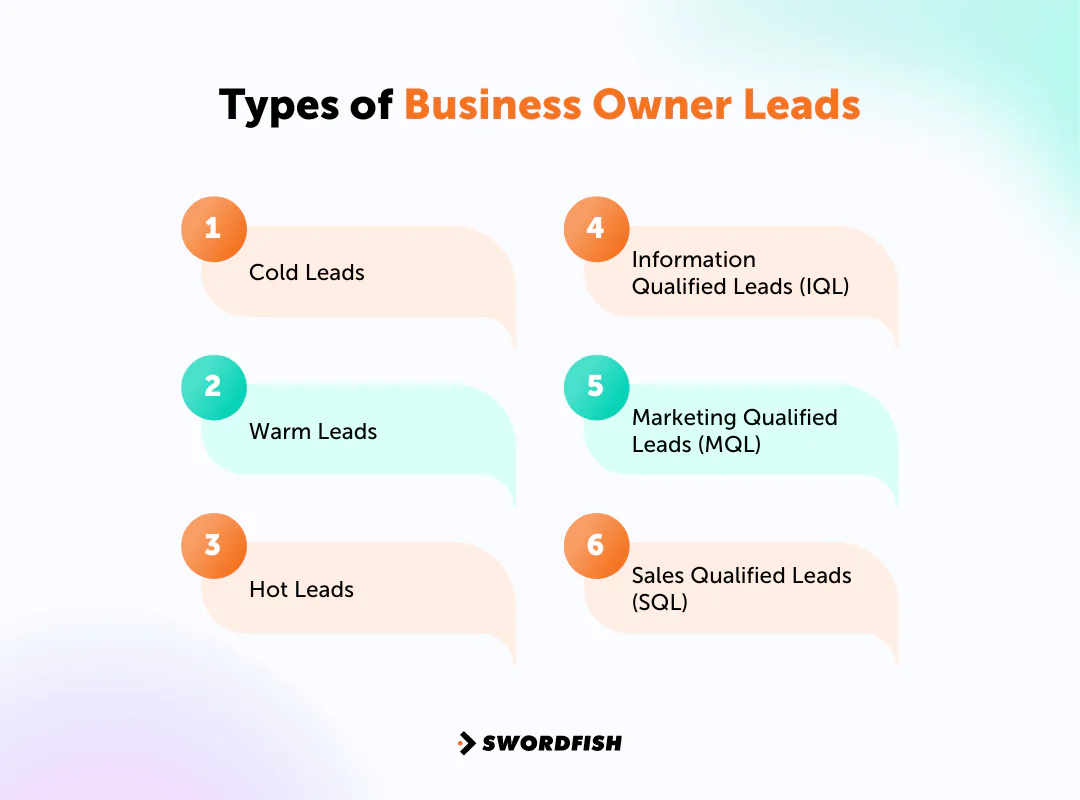
Cold Leads
Cold leads haven’t interacted with your brand yet. They may have shown up on a purchased list or through broad marketing efforts, but there’s no established relationship. These require the most patience and the most thoughtful outreach to build initial trust.
Warm Leads
Warm leads have taken some small action, visiting your site, following you on social media, or opening a marketing email. They know who you are, which makes them more receptive to a direct pitch than a cold lead would be.
Hot Leads
Hot leads are close to a decision. They might have asked for a demo, requested pricing, or reached out directly with questions. These deserve immediate, personalized follow-up because timing matters more here than with any other lead type.
Information Qualified Leads (IQL)
IQLs are engaging with your content to learn something, not necessarily to buy right now. Downloading a guide or subscribing to a newsletter falls into this bucket. Nurture them with education rather than a hard sales pitch.
Marketing Qualified Leads (MQL)
MQLs show a deeper level of engagement, repeated site visits, multiple content downloads, or webinar attendance, that signals genuine interest. This is usually the point where marketing hands a lead off to sales for closer attention.
Sales Qualified Leads (SQL)
SQLs have been vetted by the sales team against specific criteria, engagement level, intent, and purchase likelihood, and are considered ready for a direct sales conversation.
How Business Owner Leads Work
At a basic level, a business owner lead gives you the contact details, name, phone number, and email address, needed to reach someone who owns and runs a business.
Once you have that information, you can call or email them directly to explain how your product or service solves a problem they’re likely facing. The pitch works best when it’s specific to their situation rather than generic.
If the message lands, they respond, ask questions, or move toward a purchase. If it doesn’t, you’ve still spent your time on someone with a real chance of converting, rather than a random name pulled from a phone book.
Examples of Business Owner Leads
Seeing how a lead moves from interest to engagement often clarifies the concept better than a definition. Here are three realistic scenarios.
John, a Marketing Manager
Example: “John has shown interest in improving his marketing strategies by downloading a free e-book on content marketing from a company’s website.”
A reasonable next step is a short, personal email thanking John for downloading the guide and asking about his current marketing challenges.
From there, offering a relevant webinar or case study keeps the relationship moving without pushing a sale too early.
Sarah, a Small-Business Owner
Example: “Sarah is actively exploring solutions to enhance her business operations and has signed up for a free trial of a new product, requesting a demo.”
This kind of behavior signals real intent. Following up with messaging tailored to what she shared during sign-up, rather than a generic drip sequence, tends to get better response rates.
Exclusive content addressing her specific pain points can help move her toward a decision.
Mike, an SEO Expert
Example: “Mike completed a survey on a business’s website, showing a vested interest in the company’s offerings.”
After completing the survey, inviting Mike to subscribe to a newsletter with industry updates and occasional offers keeps him engaged without asking for a commitment right away.
What is the Lead Generation Process?
Most lead generation follows a similar pattern, regardless of industry:
- A visitor discovers your business through a marketing channel, your website, blog, or a social platform.
- They click a call-to-action, an image, button, or message prompting them to act.
- The CTA leads to a landing page built specifically to capture their information in exchange for something of value.
- They fill out a form, and at that point, they become a lead.
How to Generate Business Owner Leads Effectively
Generating business owner leads effectively means matching your outreach method to how ready a prospect already is to engage. Some methods work well for cold prospects; others only pay off once someone has shown interest.
Here are seven approaches worth using:
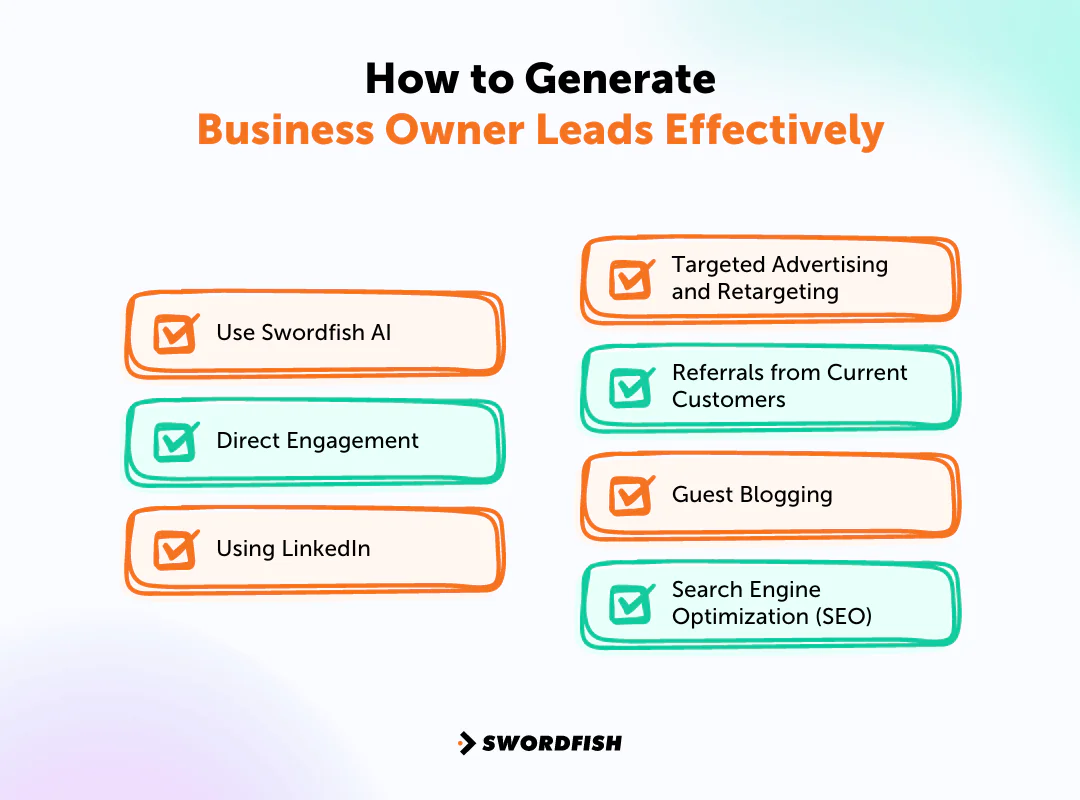
1. Use Swordfish AI for Better Business Owner Leads
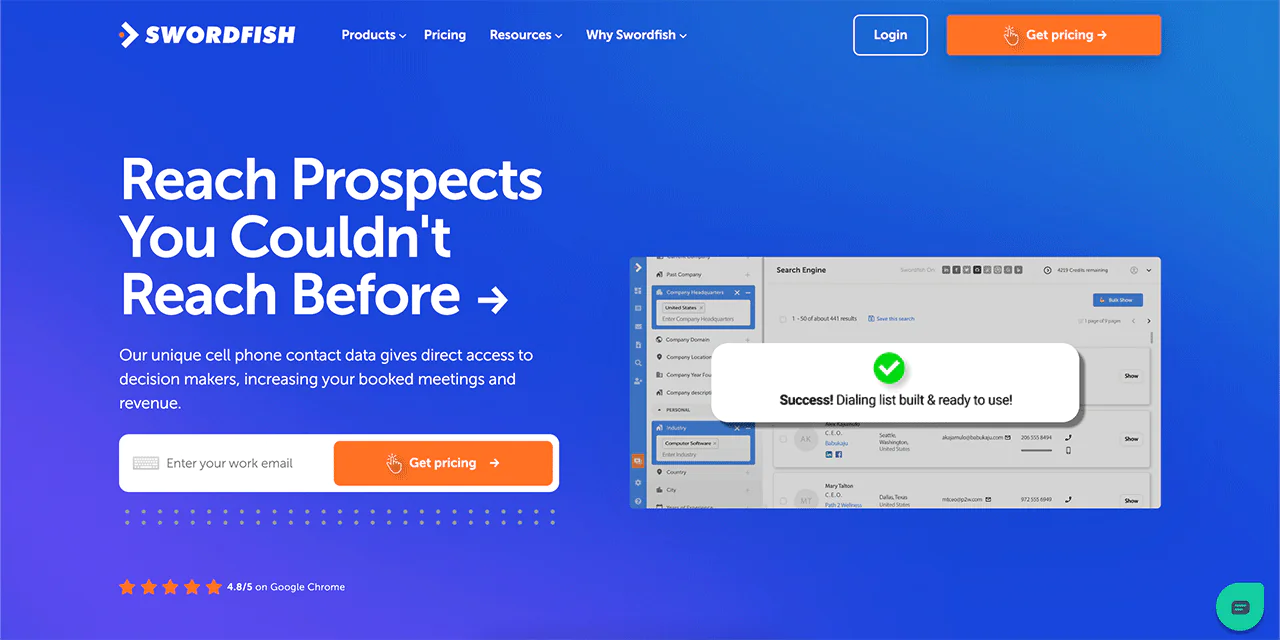
Swordfish AI is built around finding verified contact details, cell phone numbers and business emails in particular, so outreach doesn’t rely on outdated or generic lists.
Real-time line validation helps confirm a number is still active before you spend time dialing it, which matters if you’re building calling lists at any real scale.
Chrome extension access and API integration let you pull verified data straight into a CRM, which cuts down on manual list-building and keeps outreach moving.
Key Features of Swordfish AI
Here’s a closer look at the features most relevant to business owner lead generation:
Chrome Extension
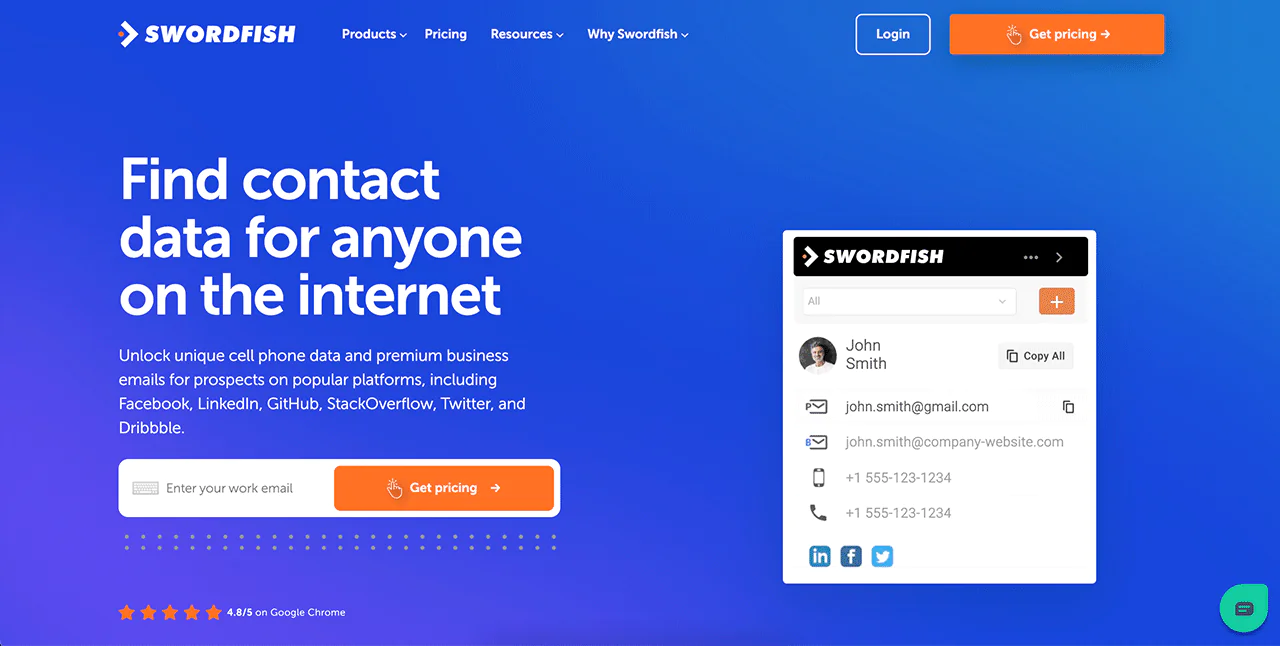
Swordfish AI’s Chrome Extension pulls verified contact details for people you find on LinkedIn, Twitter, and Facebook, useful when you spot a business owner while browsing and want their number or email without leaving the page.
Prospector
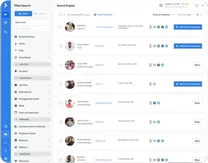
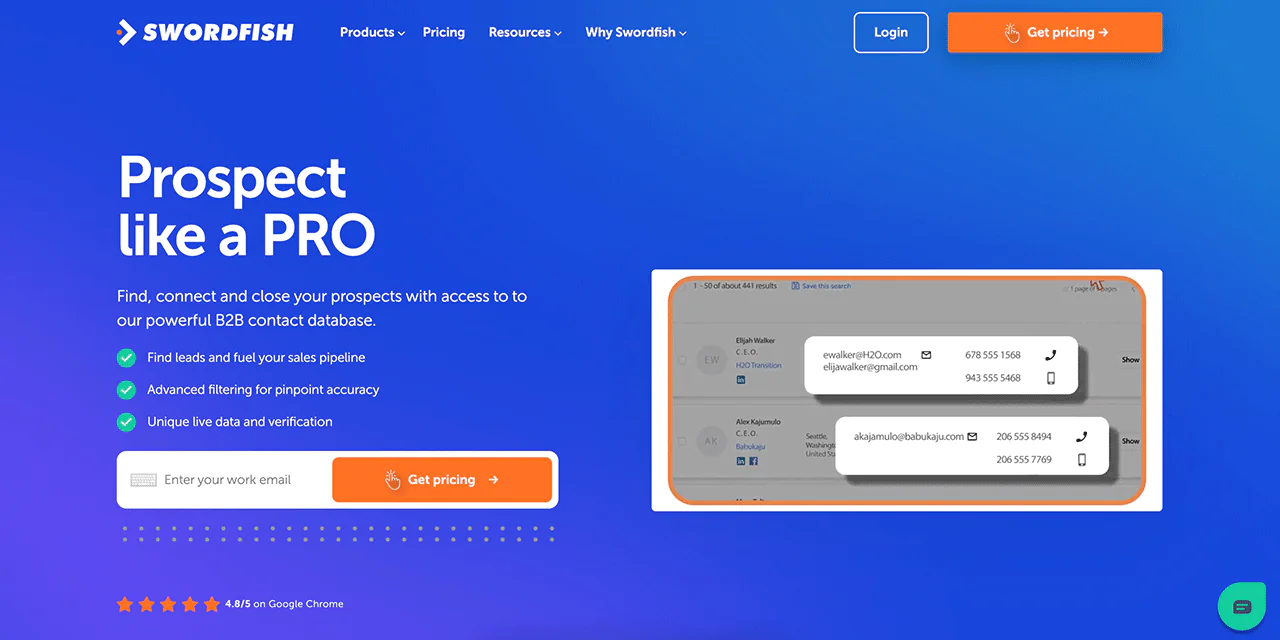
The feature lets you build calling or email lists in bulk using advanced filters, so your team spends less time hunting for contacts and more time actually reaching out.
File Upload
Uploading a CSV file lets you fill gaps in an existing contact list, adding missing phone numbers or emails so an outdated CRM database becomes usable again.
Reverse Search
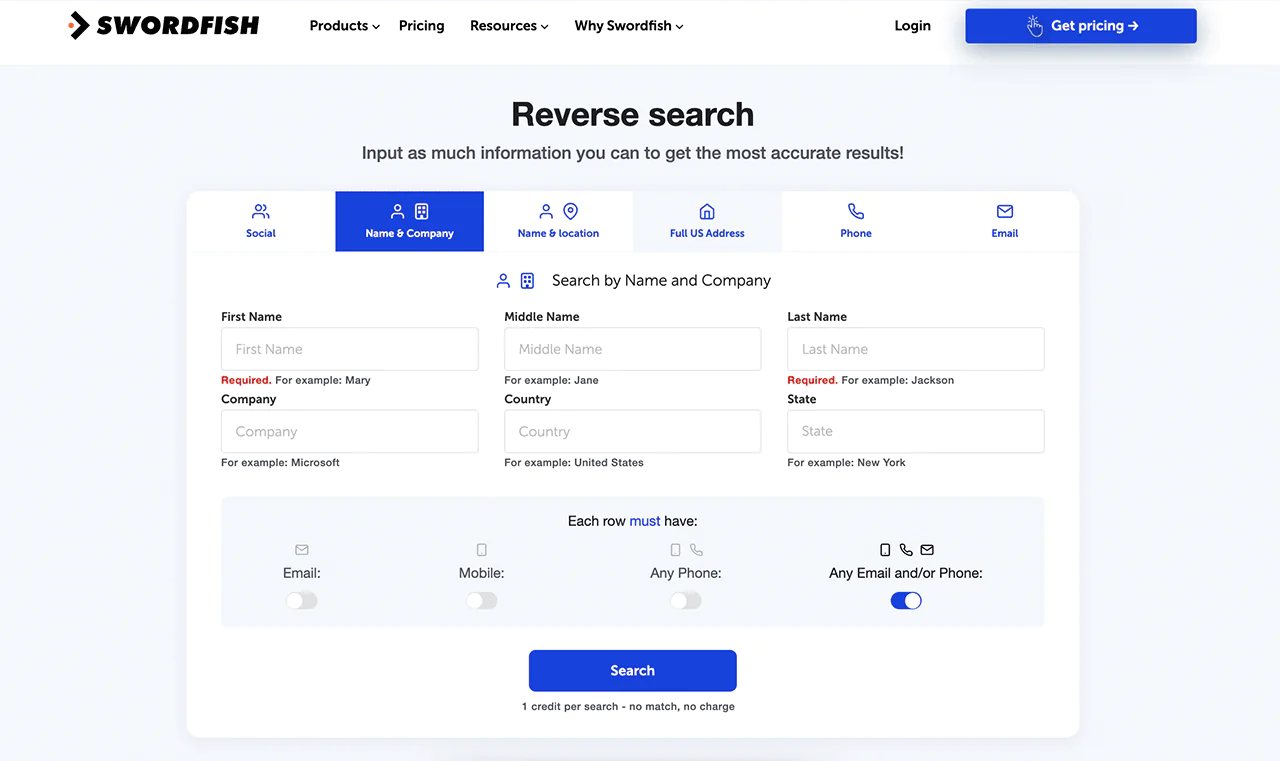
With Reverse Search, a name, company, or even a social profile is often enough to track down full contact details, which helps when you’re trying to expand a list of business owner leads from partial information.
API Integration
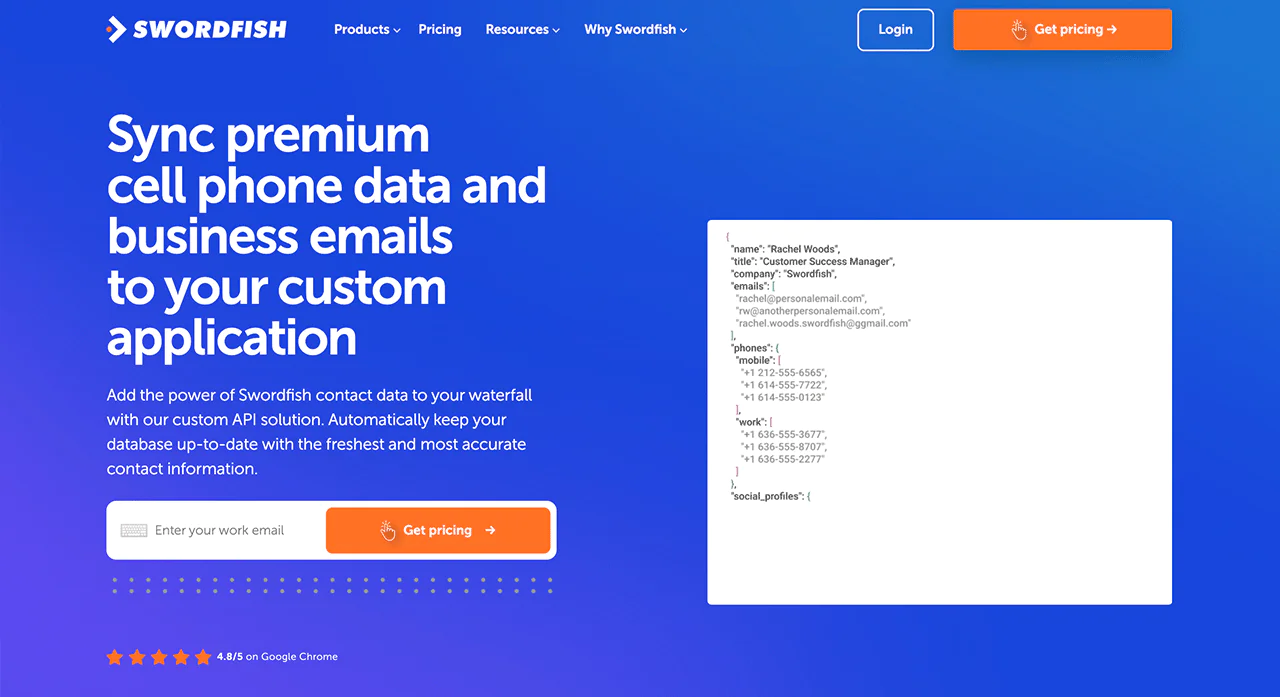
API integration lets larger teams pull Swordfish data directly into their own systems, automating the process of gathering business owner contact information at scale instead of doing it manually.
Bombora® Intent Data
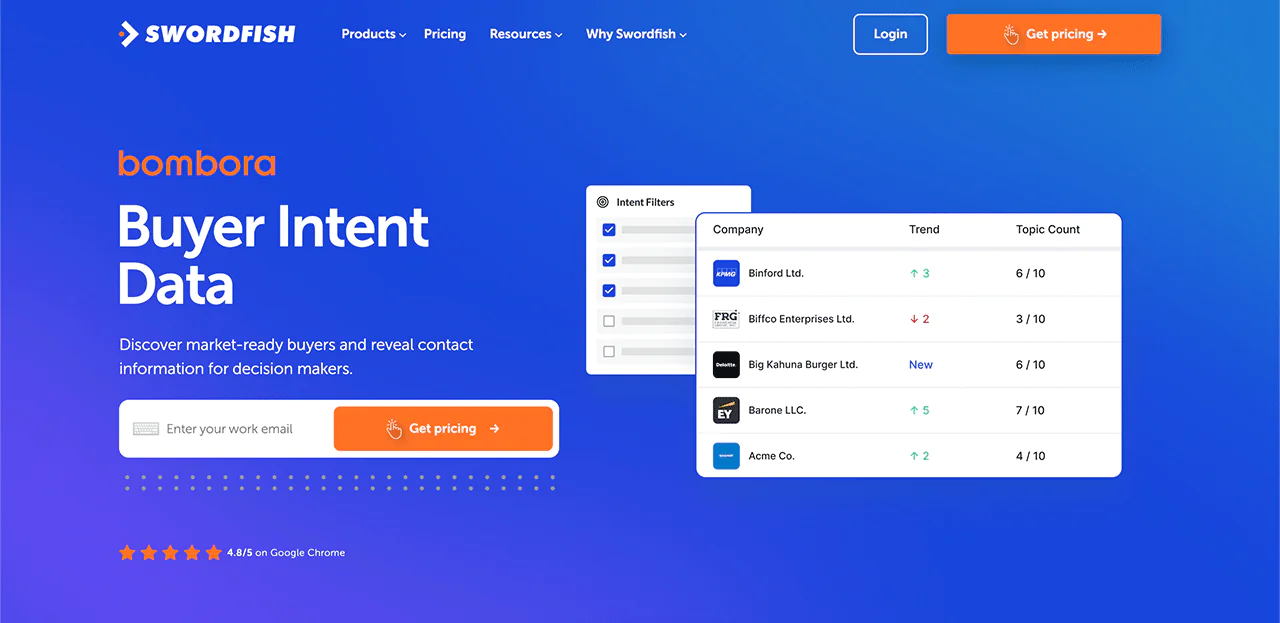
Buyer intent data from Bombora flags businesses that are actively researching solutions like yours, which helps prioritize outreach toward owners who are already in a buying window rather than cold prospects. This can help lift conversion rates as a result.
 Try Swordfish Ai
2. Direct Engagement
Reaching out directly, by phone, email, social media, or in person, tends to work best for higher-value products or services where a personal touch matters.
For example, a lawn care company noticing a large commercial property under development could contact the property manager directly rather than waiting for an inbound inquiry.
This hands-on approach builds a relationship faster and can improve b2b lead conversion rates when done thoughtfully.
3. Using LinkedIn
LinkedIn remains one of the stronger channels for B2B outreach because its user base skews toward professionals with real purchasing influence.
Connecting with industry leaders and engaging genuinely with their posts builds visibility over time. LinkedIn’s lead gen ads, which include built-in forms, also make it easier for interested prospects to raise their hand without leaving the platform.
Consistency matters here. Adding real value to conversations, rather than just pitching, is what eventually turns connections into effective leads.
4. Targeted Advertising and Retargeting
Platforms like Google Ads let you reach people actively searching for something close to what you offer, through targeted pay-per-click campaigns.
A car dealership, for instance, might target keywords tied to its location and the vehicle types it sells to pull in local buyers.
Retargeting ads keep your brand visible to visitors who didn’t convert the first time, which increases the odds they’ll come back and reconsider.
5. Referrals from Current Customers
A satisfied customer’s recommendation carries more weight than most advertising. Testimonials and word-of-mouth referrals can bring in leads that are already primed to trust you, an important dynamic for anyone selling into networks where reputation travels fast, including attracting new leads in healthcare and other relationship-driven fields.
Offering a modest incentive, a discount for each referral, for example, can encourage more clients to actively refer rather than just passively recommend.
This approach tends to produce high-quality leads without demanding much extra effort from your team.
6. Guest Blogging
Contributing guest posts to relevant industry sites can improve SEO and drive referral traffic, while also positioning you as a credible voice in your space.
Choosing sites that complement rather than compete with your business helps make sure the traffic you attract is actually relevant.
Writing for local publications or influencers also strengthens visibility within a specific region, useful if your customer base is geographically concentrated.
7. Search Engine Optimization (SEO)
Improving organic visibility through SEO remains one of the more durable ways to generate leads over time.
Keyword research helps you understand what prospects are actually searching for, so your content can meet that intent directly. In competitive industries, partnering with an SEO firm can speed up results.
It’s a longer-term investment, but one that keeps producing leads without ongoing ad spend once it’s working.
That durability is part of what makes SEO a foundational piece of most lead generation strategies.
Who Needs Business Owner Leads?
A wide range of roles rely on business owner leads to do their jobs effectively. Here’s who benefits most:
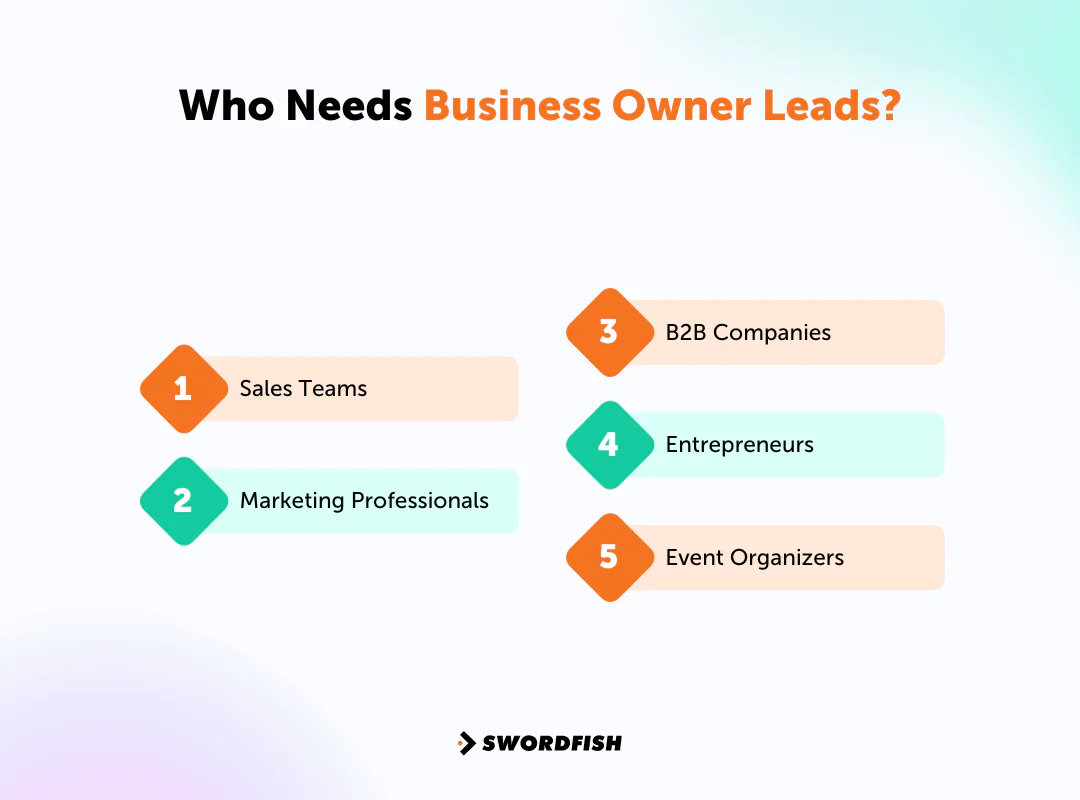
Sales Teams
B2B sales professionals use leads to reach business owners directly, pitch more effectively, and close deals faster than they could through cold outreach alone.
Marketing Professionals
Leads help marketers tailor messaging so it actually resonates with a business owner’s specific priorities, rather than relying on broad, generic campaigns.
B2B Companies
For any company selling to other businesses, leads provide a direct path to decision-makers, which makes forming partnerships far more efficient.
Entrepreneurs
Entrepreneurs seeking mentorship, advice, or investment can use leads to connect with experienced owners who might offer guidance or funding.
Event Organizers
Anyone planning a conference, trade show, or networking event needs a solid list of leads to make sure the room is filled with actual decision-makers, not just attendees.
What Makes a Great Business Owner Lead?
Not every lead deserves equal attention. A few factors consistently separate a lead worth chasing from one that’s likely a dead end.
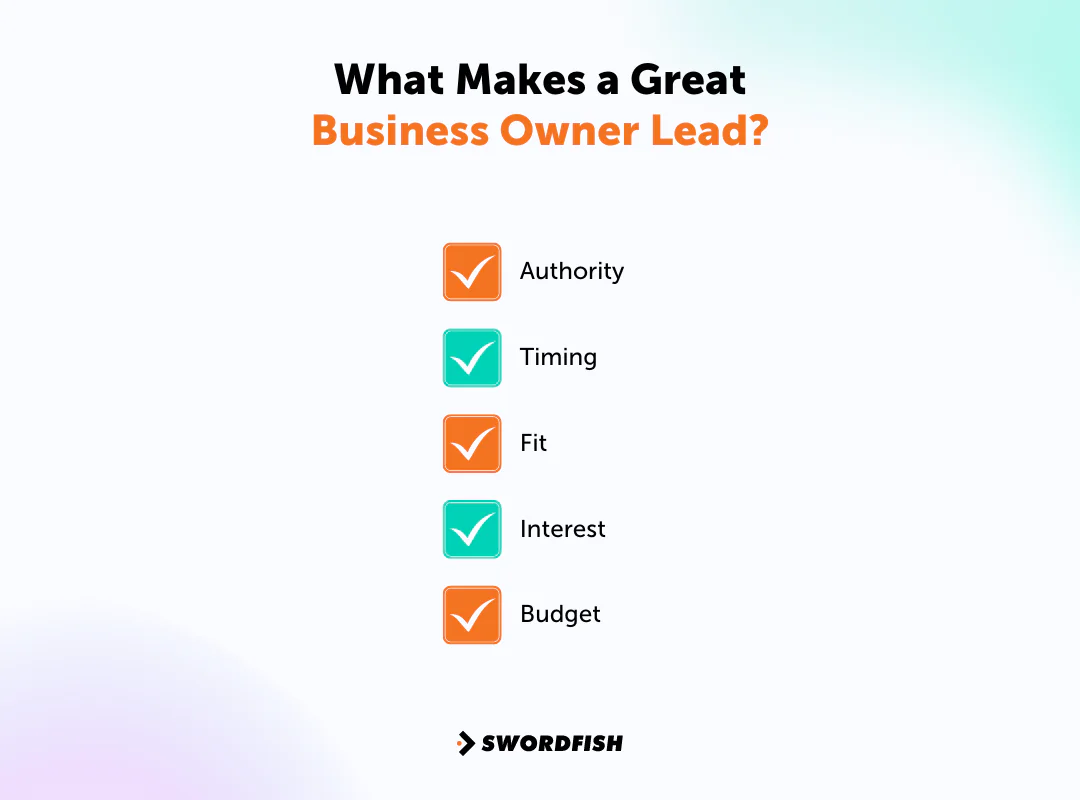
Authority
The strongest leads have real purchasing power, senior managers, executives, or other decision-makers who don’t need to loop in three other people before approving a purchase.
Engaging directly with someone who holds that authority tends to shorten the sales cycle significantly.
Timing
A lead who’s ready to buy now, or has a defined implementation timeframe, is worth more than one who’s simply curious. These ‘hot’ leads deserve immediate attention while their interest is still fresh.
Fit
A high-quality lead matches your ideal customer profile closely, industry, job title, company size, and so on. The tighter that match, the better your odds of a successful sale.
Interest
Leads who’ve shown genuine engagement, repeat site visits, content downloads, webinar attendance, are further along than someone who’s never interacted with your brand. Prioritize them accordingly.
Budget
A lead needs the financial capacity to actually buy. Focusing effort on prospects who can realistically afford your offering keeps your sales process efficient instead of wasting time on dead-end conversations.
A Note on Outreach Compliance
Before launching a calling or email campaign, it’s worth building in a compliance check. Federal rules under the Telephone Consumer Protection Act (TCPA) govern calls and texts, and violations can carry substantial financial penalties, so scrubbing lists against the Do Not Call Registry and documenting consent are standard precautions for any serious outreach program. Email campaigns fall under the CAN-SPAM Act, which requires accurate sender information and a working opt-out mechanism in every message. These aren’t optional details, and businesses handling contact data at scale, including in regulated industries like healthcare, should treat compliance as part of the lead generation process itself rather than an afterthought.
Conclusion
Generating business owner leads is necessary if you want to grow your business and expand your market reach.
To connect with decision-makers, use platforms like Swordfish AI for contact info, target ads to specific audiences, write guest blogs, and optimize your website for search engines.
That said, steer clear of outdated data, generic purchased lists, and sources that can’t explain how their leads were collected. Beyond the compliance risk, low-quality data simply wastes your team’s time.
Remember, the quality of your leads matters as much as the quantity. Refine these strategies over time, and the connections you build with business owners should compound.
FAQs
Why are business owner leads important?
They matter because they let you reach decision-makers directly, which increases your chances of closing a sale or forming a partnership. Direct contact with an owner can also speed up decisions that might otherwise stall in a longer approval chain.
If I buy leads of business owners, will it work effectively?
Purchased leads can work well if they’re high-quality, current, and relevant to your business. That said, leads built through direct engagement and your own marketing tend to be more personalized and responsive over time.
Can social media help generate business owner leads?
Yes. Tools like Swordfish AI combined with platforms like LinkedIn let you connect with business owners directly, participate in industry-specific groups, and run targeted ads aimed at your ideal customer profile.