
 View Products


Key takeaways
- Commercial roofing leads can come from data platforms, networking, digital marketing, referrals, directories, and paid advertising.
- Define the type of project, prospect, geography, and timing you want to pursue before building a lead list.
- Treat contact data as something to verify before outreach, since records can change.
- Personalized follow-up helps connect outreach to a prospect’s specific roofing needs.
- A mix of lead-generation channels can reduce reliance on any single source.
Last updated: September 3, 2026

The U.S. commercial roofing market is growing slowly rather than dramatically. Demand reached roughly 83.2 million squares in 2024, and an industry forecast puts it at about 96.3 million squares by 2027—a modest gain after the 2020–2021 reroofing surge tapered off.
In a market expanding at this pace, finding quality commercial roofing leads takes more effort than it used to. Chasing the wrong prospects wastes time, sales bandwidth, and marketing budget that could go toward prospects with a current need and a realistic chance of signing a contract.
This guide walks through where reliable commercial roofing leads come from, who typically needs them, and which tactics — from data platforms to trade shows to paid ads — tend to produce results.
What Are Commercial Roofing Leads?
Commercial roofing leads are prospective clients supplied by specialized vendors or generated through outreach, connecting roofing contractors and related businesses with property owners, facility managers, or developers who need roofing work done.
The US commercial roofing market is projected to reach around 96.3 million squares by 2027, a slower rate of growth than the reroofing boom of 2020-2021 produced. New commercial construction, rather than reroofing, is expected to drive most of the incremental gains through the forecast period.
Sustainability can shape purchasing decisions in this industry. Energy-efficient roofing systems, including cool roofs, are attracting interest from facility owners seeking to reduce operating expenses.
Roof monitoring technology includes sensors and inspection tools that track membrane condition and potential leak risks over time. These tools can help identify maintenance needs and may reduce the risk of unexpected repair calls.
At the same time, the industry is dealing with a persistent shortage of skilled labor and material cost swings tied to supply chain disruptions. Both factors can delay project timelines and complicate how contractors forecast their own pipeline.
Who Needs Commercial Roofing Leads?
Any business trying to win or grow roofing-related work benefits from a steady stream of qualified leads. Below are the groups that rely on commercial roofing lead generation most heavily.

Roofing Contractors
Contractors look for commercial roofing leads to find new clients, expand into new territories, and secure projects that build out their portfolio and revenue.
Sales Teams
Sales professionals use lead lists and data providers to identify and engage decision-makers, aiming to convert conversations into signed contracts and repeat business.
Marketing Managers
Marketing teams rely on accurate, well-segmented leads to target campaigns at the prospects most likely to convert, which keeps ad spend efficient and avoids wasted impressions.
Real Estate Developers
Developers use roofing leads in reverse — to find qualified contractors who can deliver roofing work on time for construction and renovation projects.
Roofing Consultants
Consultants tap into lead networks to connect their specialized expertise with businesses that need guidance on materials, code compliance, or roof system selection.
How to Get the Best Commercial Roofing Leads
The strongest lead generation approach combines a verified contact database, like Swordfish AI’s Prospector Tool and Bombora Intent Data, with active digital marketing, in-person networking, and consistent follow-up.
Here are seven strategies worth building into a repeatable lead generation process.

1. Using Swordfish AI: Your Partner in Commercial Roof Lead Generation

Swordfish AI gives sales teams a faster path to verified commercial roofing leads. Its database includes over 3.5 billion data points, giving you access to direct contact details for decision-makers rather than generic company phone lines.
Swordfish AI says its data verification helps users check phone numbers and email addresses, which may reduce wasted calls to disconnected lines or emails that bounce.
The platform’s matching tools can help users identify contacts at roofing companies or properties who may be involved in purchasing decisions.
For teams searching for local prospects, the platform can surface contact details for outreach. Verify records before contacting prospects, since contact information can change.
Features of Swordfish AI for Commercial Roofing Leads
Swordfish AI includes several tools built to streamline commercial roofing marketing and outreach.
Prospector Tool

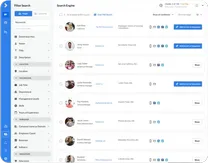
The Prospector lets you filter by industry, company size, and geography to narrow down contacts that match your target profile.
This targeted filtering helps you focus on real estate leads and property owners more likely to need roofing services soon, rather than spreading effort across contacts with no near-term need.
Reverse Search

When you already have partial information on a lead, Reverse Search fills in the missing pieces, which makes it easier to build out a fuller list of prospects in a given region or sector.
This is particularly useful when you’re expanding into new territory and only have fragments of contact data to work from.
API Access

Connecting Swordfish AI’s data to your existing sales stack through API access keeps contact records fresh without manual updates, which matters when outreach volume is high.
Bombora Intent Data

This feature draws on Bombora Intent Data to flag businesses actively researching commercial roofing services. Knowing who’s in-market right now lets you time outreach so it lands when a prospect is actually ready to talk.
Chrome Extension

The Swordfish AI Chrome Extension surfaces verified contact information while you browse, which is handy when you’re researching roofing company leads on LinkedIn or other social platforms and want direct numbers for key stakeholders.
File Upload

The File Upload feature lets you refresh contact lists in bulk, and it integrates with common CRM and ATS systems so your sales team is always working from accurate, current data.
 Try Swordfish Ai
2. Networking and Industry Events
Trade shows and association events can help build a commercial roofing pipeline by giving contractors opportunities to meet facility managers, property owners, and other industry contacts.
Attend Trade Shows and Conferences
Roofing conferences and expos let you meet facility managers and property owners face-to-face. A booth at a well-attended roofing expo can put you in direct contact with dozens of potential roofing leads in a single day.
Join Industry Associations
Association membership can provide access to directories and events that facilitate introductions. Active participation can also build credibility, and relationships with construction firms may lead to referrals when they need roofing partners.
Utilize Interactive Opportunities
Every conversation at an event is a chance to make an impression. Engage during breaks and Q&A sessions, keep a short, clear description of what sets your services apart ready to go, and always carry business cards for follow-up.
Follow Up After Events
The real work starts after the event ends. A personalized follow-up email that references the specific conversation and ties it to the prospect’s roofing needs does more than a generic thank-you note.
Engage in Cross-Promotions
Partnering with complementary businesses—such as construction firms, real estate companies, and building maintenance services—can create referral opportunities between their client networks.
Conduct Educational Workshops and Seminars
Hosting a session on sustainability practices, roofing technology, or maintenance planning positions you as a credible source of expertise and gives attendees a natural reason to ask about your services afterward.
3. Digital Marketing
A solid digital presence can help commercial roofing businesses reach facility managers and other prospects who research vendors online.
Search Engine Optimization
Optimizing your site for terms like “commercial roofing services in [your city]” helps you show up when local businesses are actively searching. Good SEO doesn’t just drive more traffic — it drives traffic that’s already looking for what you offer.
Developing Content to Showcase Expertise
Publishing guides on topics like choosing the right roofing material can demonstrate expertise and answer questions prospects may have before they make contact.
Engaging on Social Media
LinkedIn works well for B2B relationship-building — joining roofing groups and sharing expertise there reaches other professionals in the space. Facebook and Twitter are useful for broader visibility and sharing project updates.
Utilizing Email Marketing
Personalized emails that address a prospect’s specific needs may be more relevant than generic messages. Case studies, testimonials, and maintenance tips in a newsletter can keep your business in front of prospects between projects.
4. Social Media
Social platforms serve different purposes for roofing lead generation, and using each one for what it does best matters more than posting everywhere equally.
LinkedIn for Professional Networking
A complete profile highlighting past projects, combined with active participation in roofing and construction groups, helps position you as a knowledgeable provider rather than just another vendor.
Engaging on Facebook and Twitter
These platforms work well for sharing project wins and industry news in a more conversational tone, and they allow for direct back-and-forth with prospects through comments and messages.
Using Instagram for Visual Storytelling
Before-and-after project photos and short videos of work in progress make your services tangible in a way that text alone doesn’t.
Creating Shareable Content
Posts on roofing materials, maintenance tips, or cost-saving approaches tend to get shared, which extends your reach beyond your existing followers and reinforces your reputation as a knowledgeable operator.
Staying Active and Responsive
Responding promptly to comments and messages signals reliability — a quality that matters a great deal to someone deciding who to trust with a major roofing project.
5. Developing Effective Referral Programs
Referrals can be valuable because a recommendation comes with an existing relationship of trust. A structured program makes it easier for satisfied clients to recommend your business.
Establish a Straightforward Referral Program
Offer a clear incentive — a discount, service upgrade, or similar reward — for every new client a referral brings in who signs a contract.
Communicate Your Referral Program Clearly
Mention the program at project completion, include it in email communications, and promote it on social channels so clients don’t forget it exists.
Provide Appealing Rewards
Rewards should matter to your client base. A discount on future work, a gift card, or a cash bonus may be more appealing than a generic reward.
Monitor and Show Appreciation for Referrals
Track every referral and acknowledge the referring client personally. This reinforces the behavior and gives you a clearer sense of which relationships are producing the most business.
Engage and Update Your Network on Program Successes
Sharing stories of projects won through referrals keeps the program visible and shows clients the tangible impact of their recommendations.
6. Optimizing Online Directories
Directory listings can help facility managers find and compare contractors as they research options before a formal bid process.
Select Appropriate Directories
Focus on directories specific to construction and roofing, or those with dedicated building services sections, rather than general business listings.
Maintain Current Listings
Outdated contact information or service descriptions cost you leads. Set a recurring reminder to review listings after any change to your services or contact details.
Solicit Reviews and Feedback
A follow-up message after project completion, with a direct link to leave a review, makes it easier for satisfied clients to share feedback. Reviews can also help prospective clients compare contractors.
Actively Engage with Your Listings
Monitor and respond to questions or comments on your listings. A thoughtful, timely reply can help prospective clients assess your responsiveness while comparing contractors.
7. Implementing Paid Online Advertisements
Paid ads can put your message in front of people searching for roofing solutions, making them a potentially faster—but often more costly—complement to organic strategies.
Selecting the Right Advertising Platforms
Industry publications and platforms such as LinkedIn and Facebook may help reach commercial roofing prospects. Google Ads can help capture searches for specific roofing solutions.
Designing Targeted Ad Campaigns
Ads built around specific phrases like “commercial roofing contractors” or “eco-friendly roofing solutions” attract prospects whose needs match what you actually offer.
Monitoring and Adjusting Your Campaigns
Review ad performance regularly and adjust messaging or platform choices when results fall short of expectations. Paid campaigns may need ongoing testing and refinement.
Employing Retargeting Strategies
Retargeting can keep your brand visible to people who visited your site but did not convert, giving them another opportunity to consider your services.
Highlighting Your Unique Value Propositions
Ads that clearly state what sets you apart — experience, materials, service quality — give prospects a concrete reason to click through rather than skip past.
Conclusion
The commercial roofing market shifts steadily rather than dramatically, so lead generation can benefit from a layered approach rather than reliance on a single tactic. Combining social media, SEO, and targeted paid ads gives you multiple ways to reach prospects.
Consistent follow-up and a clear understanding of each lead’s needs can support more relevant conversations throughout the sales process.
For teams looking to strengthen their lead generation process, Swordfish AI offers tools for targeted outreach. The Prospector Tool, API access, and Bombora Intent Data are presented as options for finding and contacting prospective leads.
FAQS
How do I choose the right commercial roofing leads?
Assess project size, type of roofing needed, budget, and timeline before committing significant sales effort to a lead.
What are the best practices for following up with commercial roofing leads?
Respond quickly, communicate clearly and professionally, and tailor each follow-up to the lead’s specific situation with a clear next step spelled out.
How can I increase the conversion rate of my commercial roofing leads?
Understand the lead’s actual project requirements, offer solutions that address them directly, and back it up with consistent, responsive customer service throughout the sales process.
Can digital marketing help in generating commercial roofing leads?
Yes. SEO in particular improves how easily potential clients can find you when they’re actively searching for roofing services in their area.