
 View Products


Last updated: September 3, 2026

Someone who has fallen off the map, whether they owe money, skipped a court date, or simply lost touch with family, can be genuinely hard to find. People move, change phone numbers, switch jobs, and sometimes go out of their way to stay hidden. Locating them is called skip tracing, and it takes a mix of patience, method, and the right data sources.
So, how do you skip trace someone? Gather every identifying detail you already have, search public records and social platforms methodically, and cross-check what you find with a dedicated skip tracing service to confirm accuracy. Combining these steps gives you a realistic shot at locating people who are otherwise difficult to reach.
Below, we break down the free and paid methods that actually work, along with a practical walkthrough for doing it yourself and a few compliance points worth knowing before you start.
What is Skip Tracing?
Skip tracing is the process of locating someone who isn’t easy to find. It’s used by debt collectors, process servers, private investigators, and anyone else who needs to reach a person who has moved on or is avoiding contact.
The process of skip tracing usually starts with pulling together whatever you already know: last known addresses, associated phone numbers, employer names, and social media activity.
From there, you build on that starting point using public records such as court files and property records, credit-related data where you have a legitimate reason to access it, and personal contacts who might know the person’s current situation. The work is really about correlating scattered pieces of data into a single, current picture of where someone is.
In harder cases, professional skip tracers layer in surveillance or direct interviews with people connected to the subject. Even with good tools, tracing someone who’s actively trying not to be found can take real time and several dead ends before it pays off.
Why Skip Tracing is Needed?
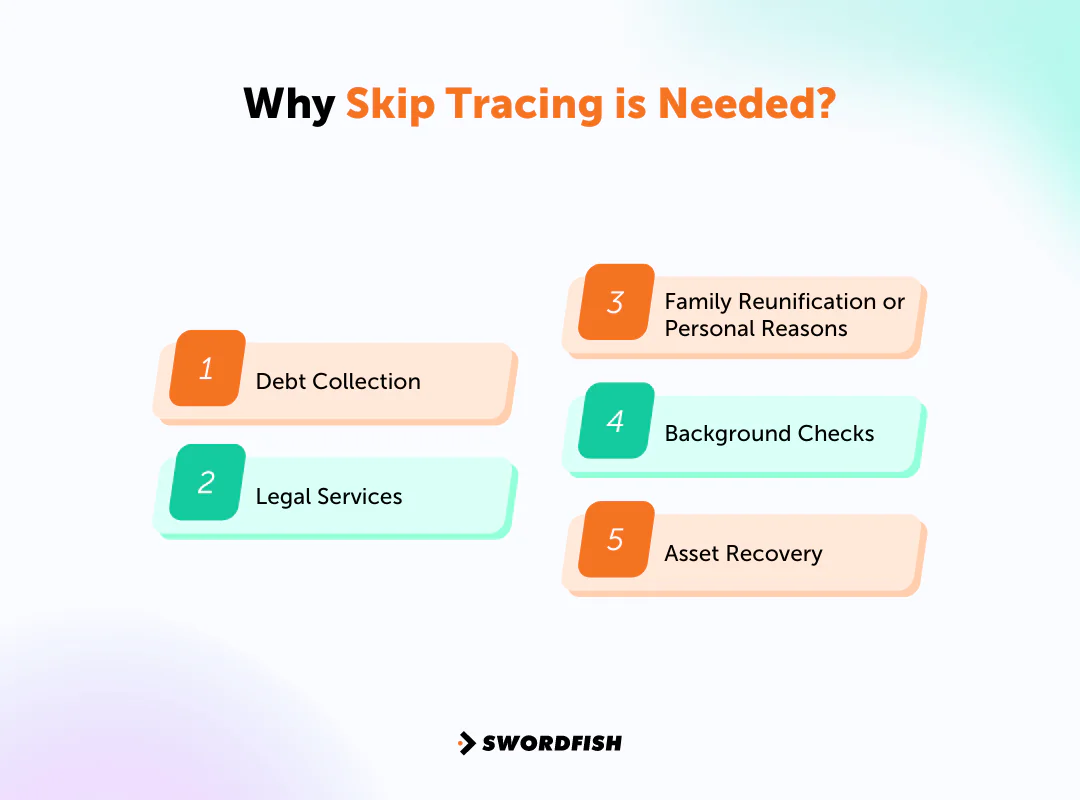
Skip tracing serves a handful of distinct purposes, and the right approach often depends on which one applies to you.
Debt Collection
Debtors frequently change contact information or relocate without telling creditors. Skip tracing gives collectors a way to re-establish contact and pursue legitimate recovery efforts.
Legal Services
Process servers and legal teams need to physically locate people to deliver documents. Without a current address, a case can stall indefinitely, so skip tracing keeps proceedings moving.
Family Reunification or Personal Reasons
Reconnecting with a lost relative or old friend often means working from outdated contact information. Skip tracing techniques can close that gap.
Background Checks
Employers and landlords sometimes use skip tracing methods to confirm that an applicant’s history checks out and that nothing material has been left off an application.
Asset Recovery
In legal or financial disputes, finding unaccounted-for assets can matter as much as finding the person. Skip tracing techniques apply equally well to locating property, vehicles, and other holdings.
How to Skip Trace Someone: 5 Paid Methods
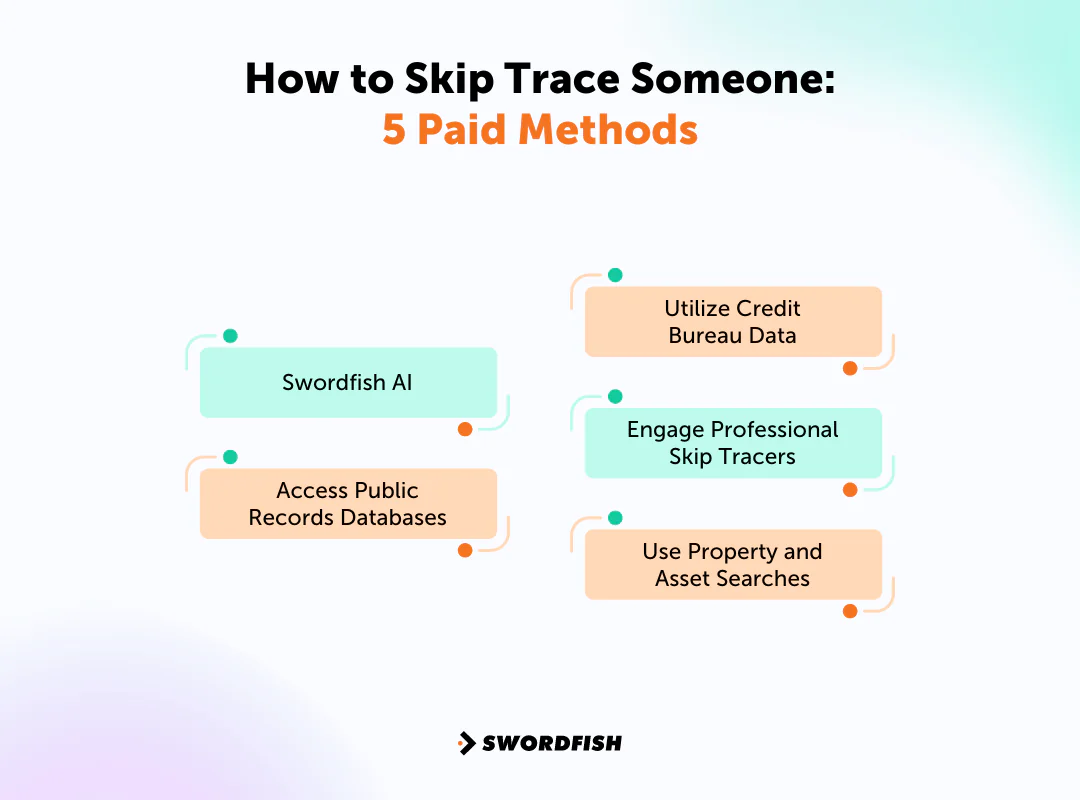
Paid tools generally outperform free research because they pull from licensed data sources and aggregate records that aren’t publicly indexed. Here’s where to start.
1. Swordfish AI: No.1 Tool to Skip Trace Someone
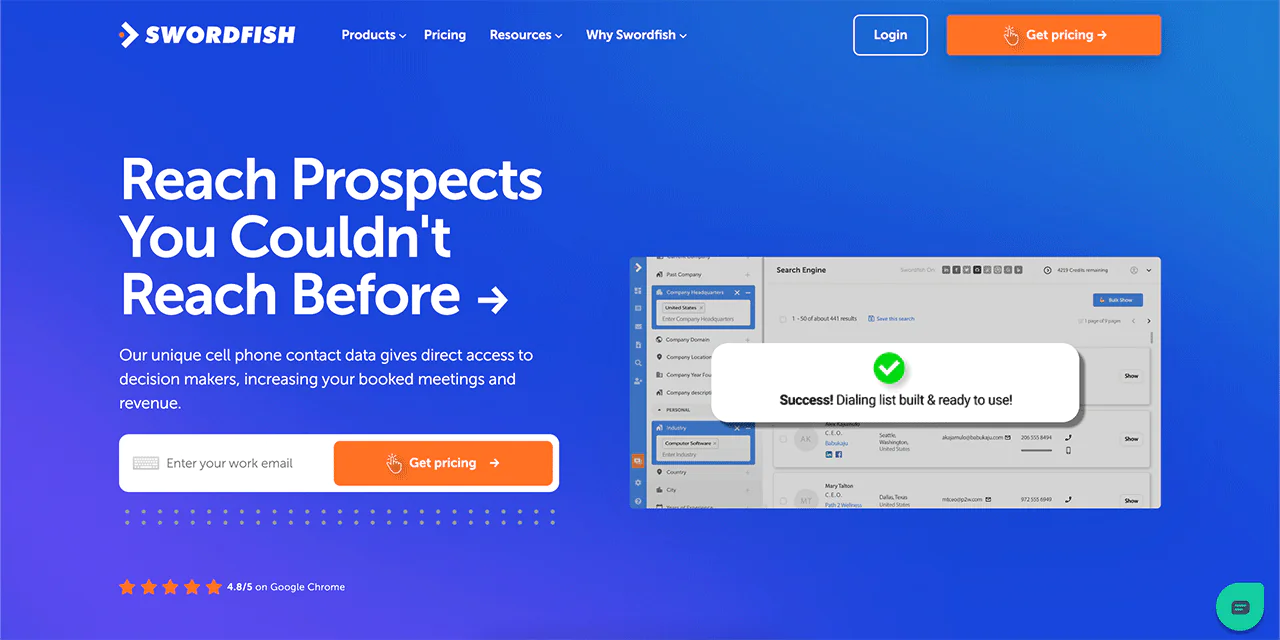
If you want a tool built specifically for tracking someone down, Swordfish AI is a strong starting point. It draws on a database of over 3.5 billion profiles, giving you a wide pool of records to search against.
Swordfish AI positions itself around delivering more accurate phone numbers than many competing providers, which matters most when you’re trying to reach someone directly rather than just confirm an old address.
The search functionality covers current and past addresses, employment history, and social profiles, and integrates with platforms like LinkedIn to add context to what you find. Whether you’re a professional investigator or trying to reconnect with someone personally, it’s built to consolidate scattered data into one usable profile.
Features of Swordfish AI
Here’s how each feature fits into a skip tracing workflow:
Prospect Search
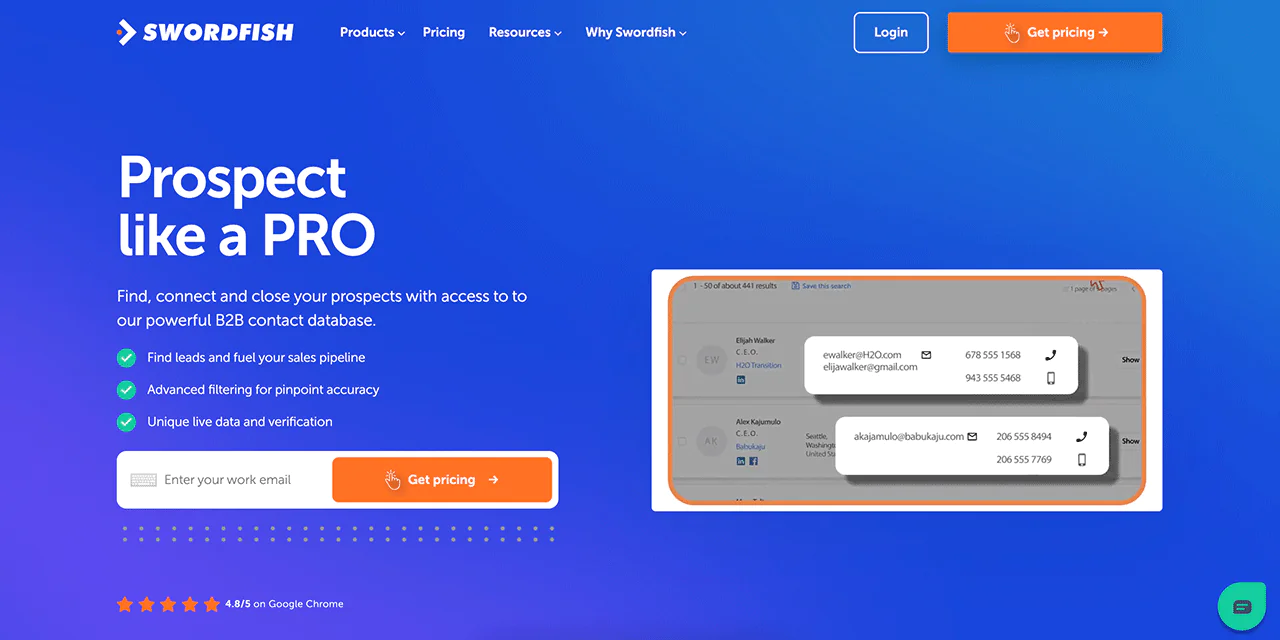
The Prospector feature searches a large database for detailed individual records. For skip tracing, that means surfacing background context alongside contact details, not just a phone number in isolation.
Chrome Extension
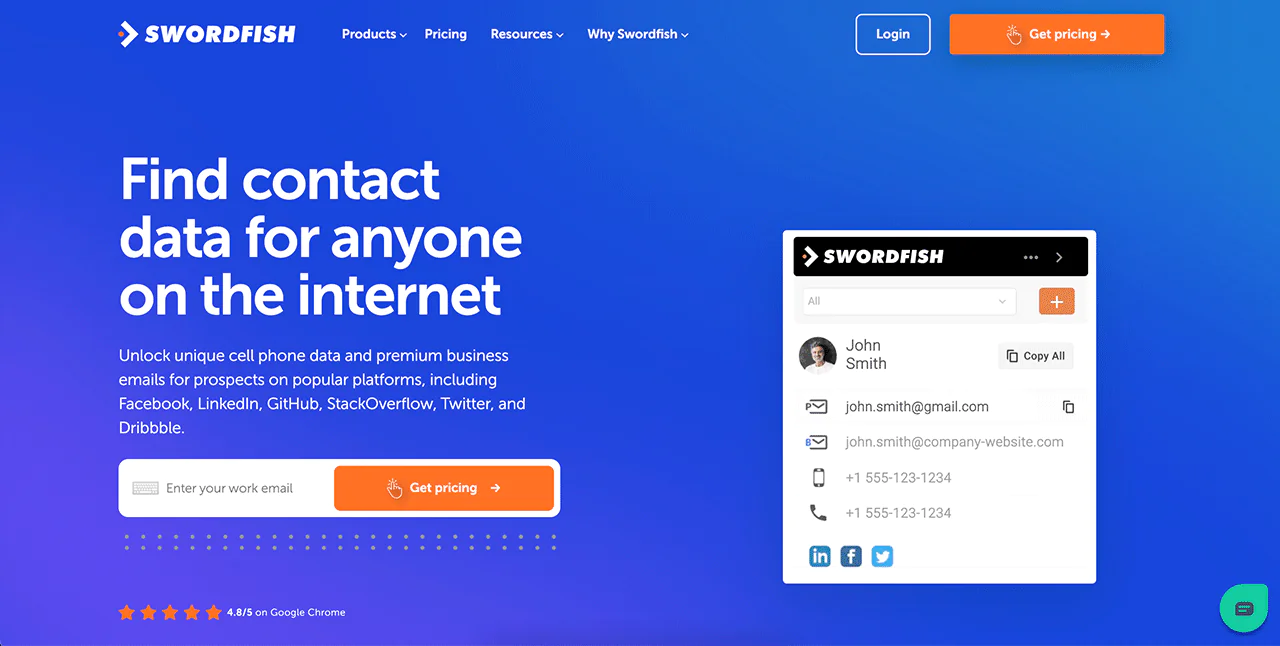
The Chrome Extension works inside your browser, so while you’re reviewing a social profile or professional page you can pull contact details without switching tabs or tools mid-search.
Enrich Files
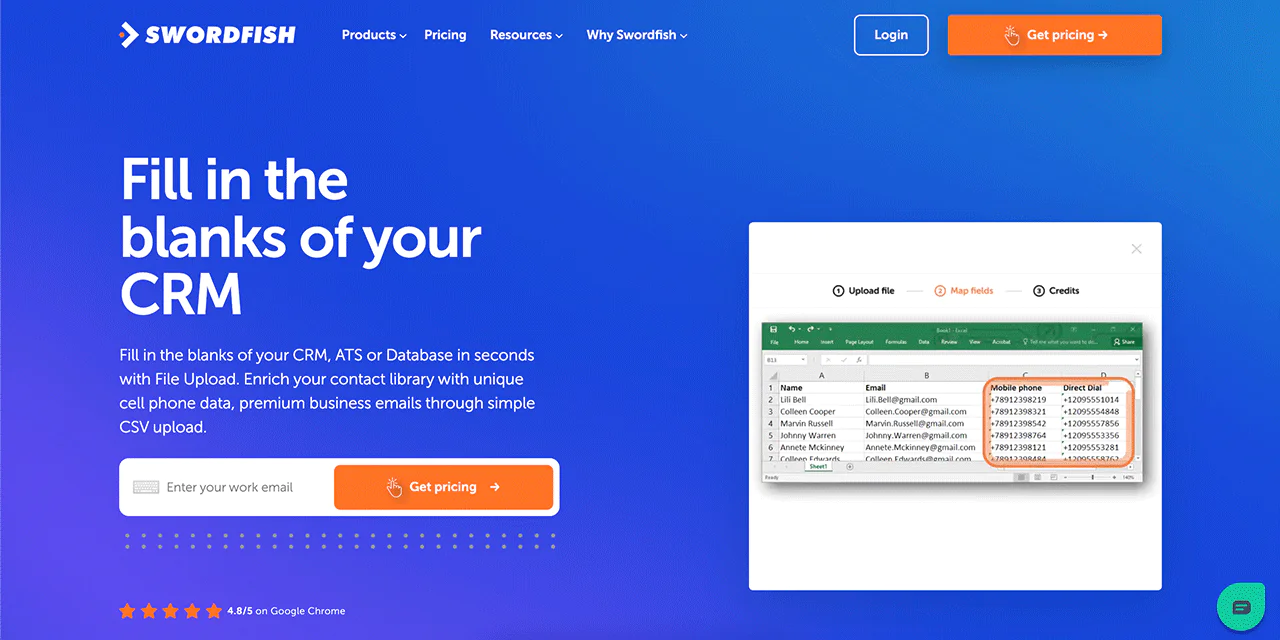
With Enrich Files, you can take a fragment of data, say a phone number or an email address, and build it out into a fuller profile. That’s useful when your starting point is thin and you need to fill in gaps before you can act on it.
Reverse Lookup
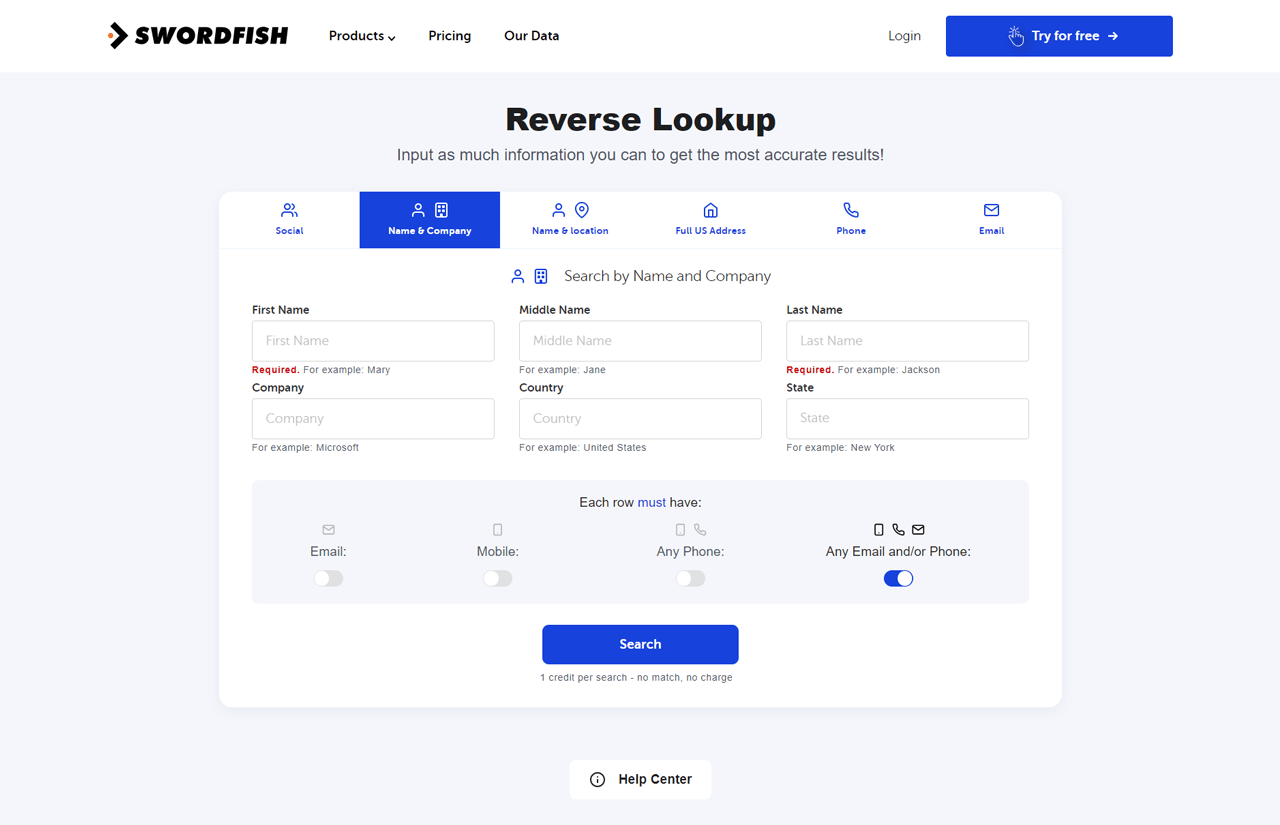
Reverse Search lets you start from one piece of contact information and pull related records tied to it. This is particularly helpful when you have an outdated phone number or email and need to find what replaced it.
API Integration
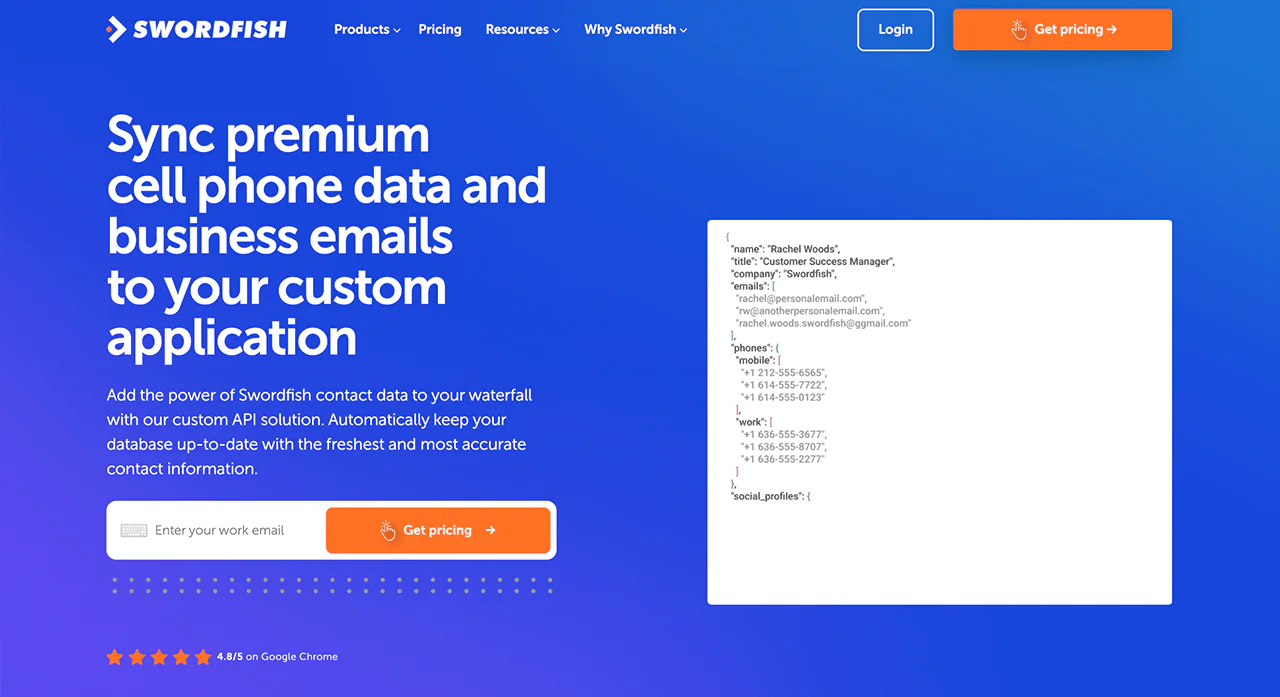
Connecting Swordfish AI to your existing systems through API Integration lets you automate parts of the search process, which matters if you’re running searches at volume rather than one at a time.
Bombora Intent Data
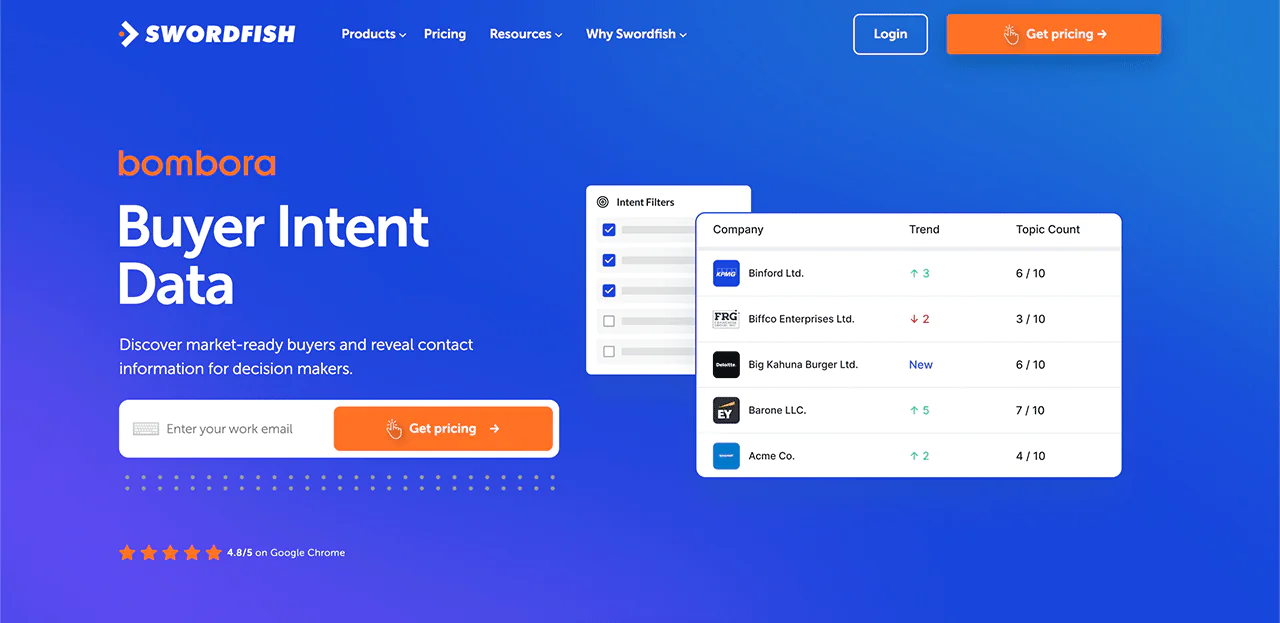
Bombora Intent Data adds signals about a person’s recent online activity and interests, which can hint at current professional context or connections worth following up on.
 Try Swordfish Ai
2. Access Public Records Databases
Public records databases pull together information from court filings, marriage and divorce records, voter registrations, and property ownership data into one searchable profile.
These aggregated profiles can surface a current address, phone number, or financial detail that a single-source search would miss.
Most of these services charge either a subscription or a per-report fee, so it’s worth vetting the provider’s reputation and data coverage before committing to one.
This method works best as a foundational step, particularly for legal, financial, or personal investigations that need a broad starting point before narrowing in.
3. Utilize Credit Bureau Data
Credit bureaus hold detailed records on individuals, including credit history, current and past addresses, and employment information.
Services that tap into this data can be highly effective, but access requires a legally permissible reason under the Fair Credit Reporting Act, and you need to be prepared to document why you’re requesting it. Skip tracers commonly rely on “permissible purpose,” such as debt collection or employment background checks, to access credit reports legally.
Because misuse carries real legal exposure, this route is best reserved for professional contexts, such as lending decisions or debt recovery, where the legal basis is clear.
4. Engage Professional Skip Tracers
For difficult cases, hiring a professional skip tracer can save time even though it costs more upfront. These specialists combine surveillance, careful questioning of acquaintances, and access to both public and private data networks.
Professional skip tracers are common in legal services, debt collection, and private investigation work, where the cost is offset by the value of resolving a case that in-house research couldn’t crack.
5. Use Property and Asset Searches
If the person you’re looking for owns real estate or registered vehicles, property and asset databases can be a direct path to their current location.
These searches cover real estate transactions, vehicle registrations, and related asset records, and they’re especially useful when someone has a documented history of asset ownership.
Access typically requires payment for specialized databases, but for the right case, it’s one of the more reliable tools available.
How to Skip Trace Someone: 5 Free Methods
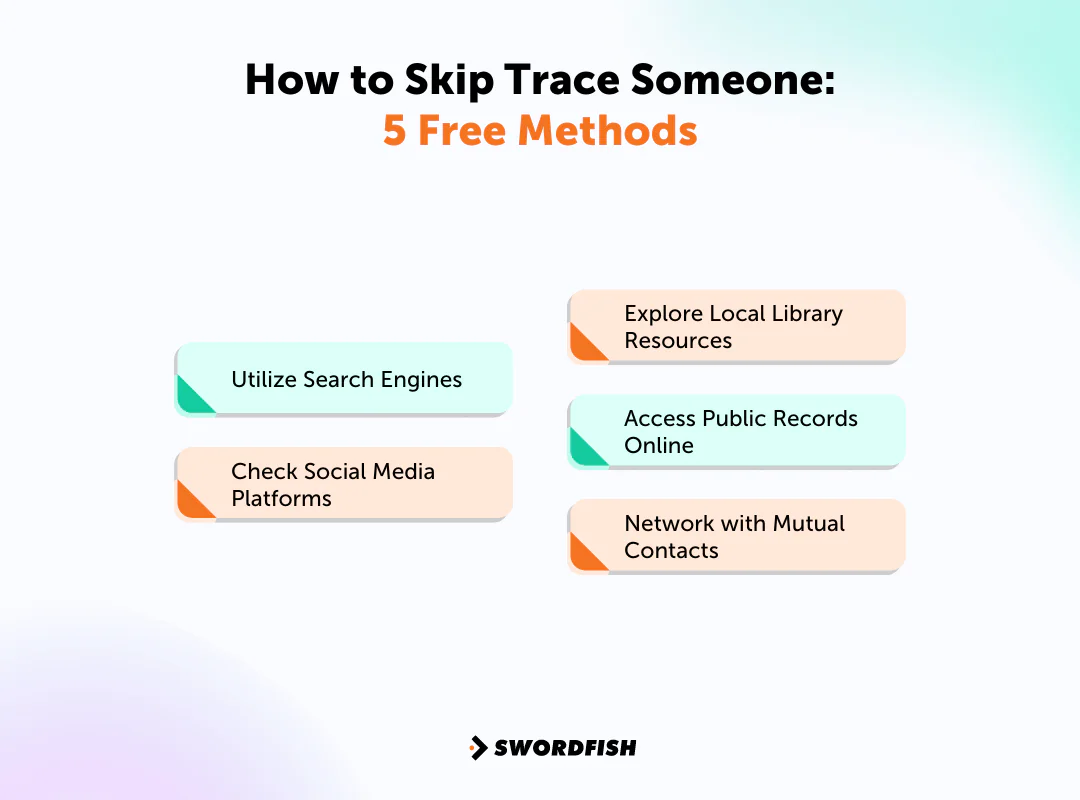
If budget isn’t an option, these five approaches use only free, publicly accessible resources, though they typically take more time and yield less complete results than paid tools.
1. Utilize Search Engines
Start with a full name and one or two identifiers, like a last known city or employer, in Google, Bing, or another search engine.
Try different keyword combinations and use advanced search filters where available. You might turn up a personal blog, an employer’s staff page, or a news mention.
Refine your terms as you go; each new detail you uncover can lead to a more targeted next search.
2. Check Social Media Platforms
Facebook, LinkedIn, X (formerly Twitter), and Instagram often reveal more than people realize. Look at the profile itself, then at connections, recent posts, and group memberships.
Geotagged posts, employment updates, and tagged photos can all hint at a current location or routine. Comments sometimes reveal patterns worth following.
Stay within privacy settings and platform terms while you do this. It’s a low-tech method, but it rewards careful, patient reading over quick scanning.
3. Explore Local Library Resources
Public libraries often subscribe to research databases, historical newspaper archives, and local records that aren’t indexed by search engines. A reference librarian can also point you toward resources you wouldn’t find on your own.
Many libraries also keep physical voter registration lists and other public documents on-site, adding another layer of data beyond what’s searchable online.
4. Access Public Records Online
State and local government websites frequently publish voter registrations, property records, court case data, and business licenses free of charge.
Search these directly using the person’s name and whatever other details you have. Expect to sift through a fair amount of irrelevant results and cross-check anything you find against other sources.
This method is particularly strong for legal and historical records that a private database might not carry.
5. Network with Mutual Contacts
A direct, polite conversation with someone who knows the person can surface information no database has. Be upfront about why you’re asking.
People are generally more willing to help when they understand your intent is reasonable. This method depends on your existing network and how you approach the conversation, and any information you get should still be verified independently before you act on it.
How to Skip Trace on Your Own
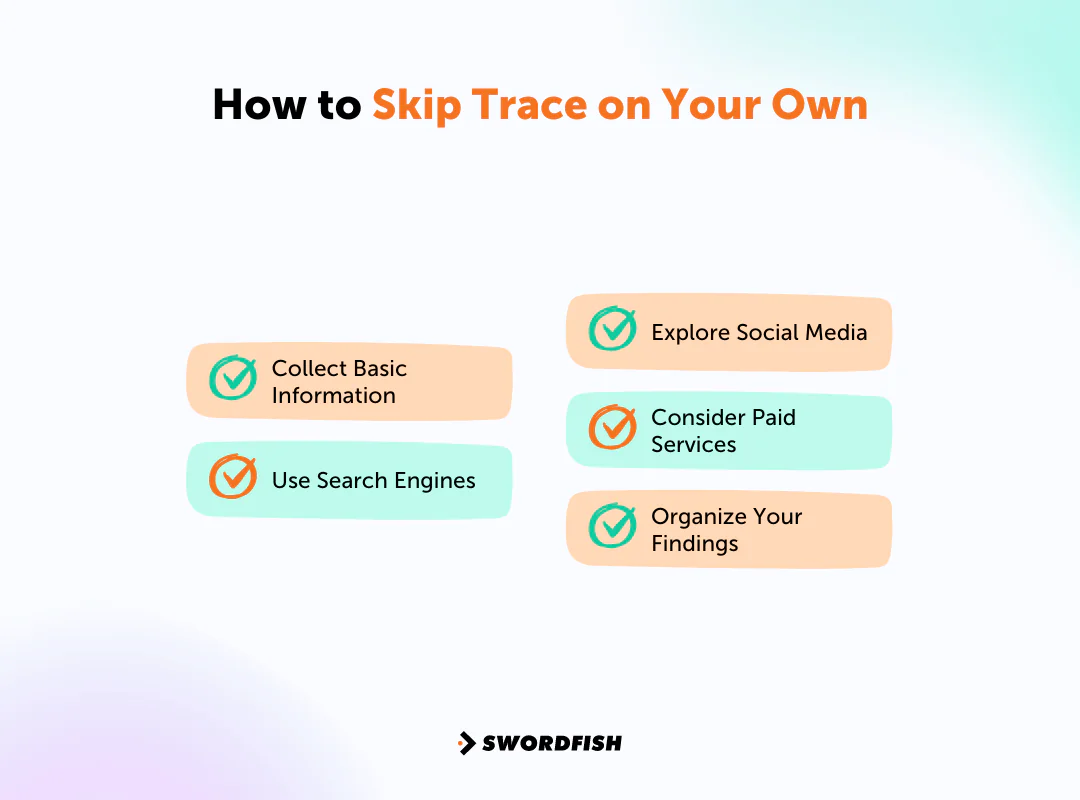
If you’re doing this yourself, here’s a practical sequence to follow rather than jumping between methods at random.
Collect Basic Information
Write down everything you already know: full name, previous addresses, known phone numbers, and any other identifying details. More starting information means fewer dead ends later.
Use Search Engines
Run the person’s name and known details through a search engine first. It’s the fastest way to surface social profiles, employer pages, or news mentions before you invest time elsewhere.
Explore Social Media
Go through Facebook, X, Instagram, and LinkedIn systematically. People often post more identifying detail than they realize, and it can point you toward a current location or job.
Consider Paid Services
If free research stalls, a professional skip tracing service can access databases and records that simply aren’t available through public search.
Organize Your Findings
Keep a spreadsheet or notebook as you go. Skip tracing produces a lot of small, scattered facts, and organizing them as you find them makes it much easier to spot what’s still missing.
Compliance Considerations Before You Start
Skip tracing sits inside a real legal framework, and the rules shift depending on why you’re searching. The Fair Credit Reporting Act limits access to credit report data to cases with a documented permissible purpose, and the same reasoning extends to credit header information used in tracing. Skip tracers must have a “permissible purpose,” such as debt collection or employment background checks, to access credit reports legally. If you’re calling or texting a mobile number you’ve located, the Telephone Consumer Protection Act also applies. Skip tracers must make sure they have legal permission before calling or texting someone’s mobile phone, or they risk significant fines. State laws add another layer on top of federal rules, so it’s worth checking local requirements before relying on any single method, especially for debt collection or process serving.
Conclusion
We’ve covered the main free and paid routes for skip tracing someone, and the right choice usually comes down to how much time you have and how hard the person is to find. Working from outdated or incomplete information is the most common way a search stalls out.
Among the tools covered here, Swordfish AI stands out for combining database size with search flexibility, which makes it a reasonable first stop for most cases that go beyond a quick search engine check.
If you need dependable results, consider using Swordfish AI to support your skip tracing work.
Frequently Asked Questions
How effective is skip tracing?
It depends heavily on the accuracy of your starting information and the resources you use. With current, comprehensive data, it can be quite effective; with thin or outdated leads, it can stall quickly.
Can you skip trace and find someone who is intentionally hiding?
Yes, though it’s harder. Skip tracers often rely on indirect connections and small, overlooked details to track down someone who doesn’t want to be found.
Can skip tracing be automated?
Parts of it can, particularly data aggregation and initial searches. But complex cases still need human judgment to interpret ambiguous or conflicting information.