
 View Products


Key takeaways
- Divorce-related property leads can be researched through professional referrals, public records, networking, content, and data tools, but none guarantees a sale.
- A divorce filing or property record does not establish that a homeowner intends to sell.
- Verify the accuracy and permitted use of contact information before outreach, and follow applicable privacy, marketing, and do-not-contact requirements.
- Approach potential sellers with empathy, respect for privacy, and no pressure to make a decision.
- When representing both parties, consider potential conflicts and follow applicable licensing, disclosure, and consent requirements.
Last updated: September 3, 2026

Finding divorce real estate leads is about more than spotting a possible sale. It means navigating emotional situations, legal timelines, and sellers who need to move fast — often while the ink on a settlement is barely dry.
Many agents miss these opportunities entirely because expired listings and court filings aren’t the easiest thing to track down. That’s the gap this guide is meant to close.
You can find divorce real estate leads by using online resources, working with divorce attorneys, running direct mail campaigns, using social media, and attending networking events. These leads tend to move faster than average and face less competition, which benefits both investors and sellers looking for a clean exit.
By the end of this article, you’ll have a working set of methods for finding divorce-related real estate leads, along with a tool that can cut down the manual research involved.
What Are Divorce Real Estate Leads?
Divorce real estate leads come from homeowners who are divorcing and need to sell their homes quickly, usually to split their division of assets. Real estate agents find these leads extremely valuable because the sellers are highly motivated and want to complete sales fast.
Court deadlines or a desire to move on can create urgency to sell. The timing and terms vary by case, so don’t assume a divorce-related property will be priced for a quick sale.
That combination — motivated sellers, realistic pricing, faster timelines — is what makes this niche attractive to agents and investors who specialize in speed.
The Statistics Behind Divorce and Real Estate Sales
In 2023, roughly 672,000 divorces were recorded across the 45 reporting states and D.C., a figure that has trended downward for over a decade as marriage rates themselves decline.
Selling the house isn’t automatic when a marriage ends, but these homes are frequently priced for a quick sale for a few consistent reasons:
- The need to quickly divide assets
- Maintaining a property on a single income can be difficult, financially and emotionally
- If the couple can’t agree, a judge or probate attorney may decide, adding delay and complication
- Both parties often want to move into new living situations as soon as possible
This creates a specialized market for agents who can manage these transactions with both sensitivity and efficiency. Agents working this niche need genuine comfort with difficult conversations, not just transactional skill.
How to Find Divorce Real Estate Leads
Finding divorce real estate leads means knowing exactly where to look. Below are the methods that tend to produce results, along with what to watch for in each one.

1. Use Online Resources
A practical way to find divorce real estate leads online is through databases that track recent filings and listings. Platforms like LeadVine give you visibility into divorce filings early, before a property formally hits the market.
Some platforms may provide contact details alongside property or filing data. Verify how the information was obtained and whether your planned outreach complies with applicable privacy and contact rules.
2. Partner with Divorce Attorneys
As of 2023, over 74,000 professionals worked in the U.S. family law and divorce sector — a large pool of potential referral partners for agents willing to build relationships.
Divorce attorneys may work with clients who need to sell a shared home as part of a settlement. Building professional relationships with attorneys can create opportunities for appropriate referrals.
An attorney may be able to advise whether a referral is appropriate, but client information is confidential. Do not seek or rely on private case details unless the client has authorized their disclosure.
A professional relationship can help attorneys connect clients with real estate support when appropriate, while giving you an opportunity to demonstrate that you handle sensitive transactions carefully.
Approach every introduction professionally. Respect the attorney’s role and the client’s privacy, and avoid pressuring anyone to accept a referral or use your services.
3. Work With Real Estate Agents
Agents who specialize in divorce and probate properties already have the relationships and workflows in place — often saving you from manually cross-referencing MLS data and county records. Treat these agents as potential partners, not competitors.
- Be specific about what you intend to do with properties tied to divorce settlements.
- Bring evidence of past deals to establish credibility quickly.
- Discuss commission splits directly and early.
Some agents may refer clients to you. Treat each referral as an opportunity to understand the client’s needs and confirm that they want to discuss a sale.
4. Use Direct Marketing Techniques
Direct mail and email may help you reach people who have not yet spoken with an agent. Before contacting anyone, check applicable privacy, marketing, and do-not-contact requirements. A few approaches to consider:
- Personalized Letters: Send letters to individuals named in public divorce filings. Keep the tone respectful — this person may be dealing with one of the harder periods of their life.
- Effective Email Subject Lines: Write a good sales email subject line that acknowledges the situation without being intrusive, such as offering help selling a property.
- Clear and Compassionate Messages: Keep the message brief and focused on what you can actually offer. Given the sensitivity involved, tone matters as much as content.
- Follow-up Messages: A single follow-up, spaced appropriately, keeps you on the recipient’s radar without becoming pushy.
- Using Technology: A CRM helps you track outreach so leads don’t slip through the cracks.
- Legal Considerations: Know your obligations around consumer privacy and do-not-contact requests before you start a campaign.
The common thread across all of these is restraint. Sellers in this position respond better to patience than pressure.
5. Explore Social Media Platforms
Social platforms remain one of the more accessible ways to build visibility with sellers. A large majority of real estate agents use social media in some capacity for their business.
Joining real estate and divorce-related groups on Facebook, LinkedIn, and X can help you share useful information and connect with people who choose to discuss a possible sale. Follow each platform’s rules and respect members’ privacy.
Instagram and Pinterest can be used to showcase listings visually. Use property photos and virtual tours only with appropriate permissions, and avoid implying that a particular listing is connected to a divorce or other private matter.
Consistent, useful posting builds credibility over time. Comments and shared advice, not just listings, are what make people trust you as a resource.
Hashtags may help people discover your posts. Before using targeted social ads, check the platform’s current policies and applicable rules, especially when advertising based on sensitive personal circumstances.
6. Attend Networking Events
If you’re wondering how to get divorce listings consistently, networking events are worth the time investment. Real estate conferences, legal seminars, and local meetups put you in front of professionals who regularly work with divorcing clients.
That includes attorneys, mediators, and financial advisors — any of whom might become a referral source down the line.
A professional introduction may lead to future referrals, but that depends on the relationship and the quality of the service you provide.
Events are also useful for staying current on legal trends and challenges specific to divorce-related property sales.
Good networking runs both directions — offer value before you ask for it, and communicate clearly about what kind of leads you’re looking for.
7. Engage with Local Clerks of Court
Your local Court Clerk’s office is a straightforward source of divorce leads for realtors. Public records often surface filings before they’re widely known among agents and investors.
Court record access and procedures vary by location. Ask the clerk’s office how to search publicly available records, and follow its rules; do not expect special access or private case information.
Handle this information carefully — these are personal legal matters, and treating them casually can damage your reputation quickly.
8. Implement SEO Strategies
Building content around divorce-related real estate topics can bring in organic traffic over time. Guides on selling property during a divorce, or posts addressing common concerns couples face, tend to perform well because they answer real questions.
People who find and engage with this content may be interested in the topic, but that does not necessarily mean they need or want real estate services.
9. Use Data Analysis Services
Data and list-building services can speed up lead generation considerably. Companies like The Share Group build lists of divorce real estate leads for sale by cross-referencing property and public records.
Property and public-record data may help organize research, but it does not establish that a person is divorcing or intends to sell. Verify information appropriately before relying on it.
It also saves significant time compared to manual record searches, freeing you up to focus on outreach and relationship-building instead of research.
10. Develop Relationships with Lending Institutions
Mortgage brokers and lenders may work with divorcing clients who are considering selling a shared property or arranging separate housing. Timelines and options depend on each client’s circumstances.
Professional relationships with lenders may lead to appropriate referrals. Understanding financing can also help you coordinate with clients and their advisers, while leaving lending advice to qualified professionals.
An agent may be asked to work with both parties, but doing so can raise conflicts-of-interest and disclosure issues. Check applicable licensing rules and obtain informed consent where required; consider separate representation when appropriate.
As with attorneys, the strongest lending relationships are built by offering value first and staying easy to work with.
Why Should You Invest in Divorced Home Real Estate?
Some investors consider properties being sold during a divorce, but the property’s condition, occupancy, timeline, and terms vary. Evaluate each opportunity on its own merits.

Quick Sales Are Common
Divorce proceedings can get expensive, and many sellers need cash from the property sooner rather than later. That urgency is exactly what makes buying divorce leads attractive — properties can often be acquired below market value, benefiting the buyer while giving the seller a fast resolution.
Benefits in a Less Competitive Market
Competition for a property varies by location, price, condition, and market conditions. Do not assume a divorce-related sale will attract fewer buyers or create better negotiating terms.
A former family home may be suitable for rental conversion, but condition, local requirements, costs, and expected returns should be assessed for each property.
Helping Through Investment
A purchase may offer a seller one possible path forward, but it should be presented transparently and without pressure. Sellers should have time to consider their options and consult their advisers.
Positioning yourself as a divorce listing agent can also raise your visibility within this niche over time.
Best Practices for Approaching Divorced Sellers
Working with divorcing sellers requires a level of care beyond a typical transaction. A few principles worth holding to:
- Respect Privacy: Keep personal details confidential, and avoid questions that don’t directly relate to the sale.
- Maintain Impartiality: If you’re working with both parties, treat each with equal fairness.
- Disclosure and Transparency: Keep both parties fully informed at every stage to avoid disputes down the line.
- Clear Communication: Walk through the sales process upfront, including realistic timelines and potential complications.
- Provide Supportive Guidance: Be patient. Sellers under stress need clear information, not pressure to decide quickly.
- Professional Boundaries: Empathy matters, but keep conversations focused on the transaction itself.
- Collaborate with Other Professionals: Know when to loop in attorneys or mediators, and keep a trusted list of legal contacts on hand.
- Prepare for Emotional Situations: Know when to give space and when to offer practical, data-driven input. Quit claim deeds sometimes come into play, so be ready to explain them.
Find Divorce Leads for Real Estate Investors Using Swordfish AI

Swordfish AI maintains a large database of verified contact profiles, which makes it a practical tool across professions, including real estate investing.
Because the data is continuously refreshed and checked, you’re more likely to call only the phone numbers that the property owner is currently using — a meaningful advantage when tracking down divorced property owners who may have recently changed numbers or addresses.
Accurate contact information can make outreach more efficient, but it does not guarantee that a person is selling or that you will reach them before other buyers.
Key Features of Swordfish AI
Swordfish AI includes several tools that simplify gathering and managing contact data, which matters for agents targeting divorce-related leads specifically.
Here’s a closer look at the relevant features:
Prospector Tool

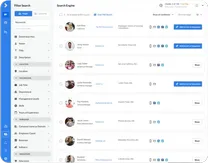
The Prospector feature helps investors narrow down searches specifically for divorce-related leads. A few ways to use it effectively:
-
Advanced Filtering
Filter by location, industry, and contact availability to organize a list. These filters do not establish that someone is divorcing or likely to sell, so verify any lead through appropriate, lawful means.
-
Bulk Search Capability
Search a large volume of leads at once, which is useful when you want to build a sizable list quickly rather than working one contact at a time.
-
List Curating and Export
Once filtered, organize leads into lists and export them directly into whatever marketing or outreach workflow you’re already running.
Chrome Extension

The Chrome extension lets agents pull contact details directly from social profiles while browsing, which is handy when a potential lead surfaces in a Facebook group or LinkedIn thread.
Reverse Search

When you only have a partial name or email, Reverse Search can fill in the rest — useful for turning a partial referral from a networking event into a usable contact.
File Upload

Upload a CSV file of existing contacts to enrich it with phone numbers and emails, which helps when tracking a list of homeowners you suspect may be going through a divorce.
API Integration

Connecting Swordfish AI through the API to your CRM automates data enrichment, keeping your list of potentially motivated sellers current without manual updates.
Refresh Title-Data

This feature keeps job titles and company affiliations current. Professional changes sometimes correlate with personal ones, including divorces that lead to a property sale.
Bombora Intent

Though built primarily for B2B purchasing signals, Bombora Intent Data can occasionally surface shifts in business ownership tied to personal changes like divorce.
Email Verifier

The email verifier confirms addresses before you send, which improves deliverability for email marketing campaigns targeting this audience.
 Try Swordfish Ai
Conclusion
Finding divorce-related real estate leads takes patience and a clear process. Attorney relationships, appropriate outreach, networking, and digital tools may support lead generation, but none guarantees a referral or sale.
Approach every interaction with empathy and respect for privacy. Avoid pressure, and let people decide whether they want to discuss their property or circumstances.
For agents seeking to reduce manual research, Swordfish AI’s filtering and bulk search tools may help organize contact data. They do not verify that a person is divorcing or intends to sell, and all outreach should follow applicable laws and platform rules.
FAQs
How is the house divided in divorce?
The house is typically divided through negotiation between spouses or, if that fails, by court order based on state law and whether the property is considered separate or marital.
Are divorce leads hard to get?
Yes, individuals often struggle to find them without help. Companies that specialize in tracking filings and running targeted outreach have an easier time surfacing these leads.
What are some challenges when dealing with divorce real estate leads?
Managing these leads requires careful handling of both emotional dynamics and communication with multiple parties, including attorneys and both spouses.