
 View Products


Key takeaways
- Define an ideal customer profile to focus prospecting on accounts and buyers that may be a good fit.
- Map the people involved in a buying decision instead of contacting only senior executives.
- Use a coordinated outreach cadence across relevant channels, and tailor follow-ups to prospect responses and preferences.
- Track prospect volume, activity, response rate, and prospect-to-SQL conversion to assess your process.
- Review contact data for accuracy and follow applicable privacy, compliance, and platform requirements.
Last updated: September 3, 2026

B2B prospecting isn’t about making calls for the sake of activity. It’s about reaching the right people with a relevant message at an appropriate time. That distinction matters when your prospects are healthcare providers, whose time is limited and whose contact details may change as they move between practices, hospital systems, and telehealth platforms.
This guide walks through the prospecting methods that consistently produce results, how to prepare before you reach out, and how to measure whether your approach is actually working.
What Is B2B Prospecting?

B2B prospecting is the process of identifying potential buyers and moving them toward a purchase decision. It sounds simple, but it rarely is in practice. Industry research has repeatedly found that a large share of sales time gets lost on unproductive prospecting, whether that’s chasing bad data, contacting the wrong person, or working leads that were never a fit. Reclaiming even a fraction of that wasted time can meaningfully change a team’s output.
How to Prepare for B2B Sales Prospecting

Before reaching out to potential B2B clients, it helps to have a structure in place. These steps sharpen your approach and cut down on wasted effort.
1. Build the Ideal Customer Profile (ICP)
Before you start prospecting, define who you’re looking for. An ideal customer profile (ICP) gives your team a shared description of a good-fit account or buyer. It can help focus research and outreach, and provide a basis for finding similar potential buyers.
Key elements to consider in an ICP include:
- Company size: Reflecting their budget and revenue.
- Industry: Especially if your product caters to a specific niche.
- Geography: Where your company can operate.
- Legality: Legal standards your company or partners must adhere to.
For healthcare-focused outreach, account for applicable licensing boundaries and privacy and compliance requirements, as well as the fact that many providers split time across multiple facilities.
2. Map Account Penetration
It’s tempting to aim straight at the C-suite, but a B2B purchase may involve several decision-makers across an organization’s hierarchy.
Account penetration means identifying and engaging the relevant people involved in a buying decision, which may include practice managers, department heads, and clinical staff as well as executives.
3. Use LinkedIn & Crunchbase for Prospecting
LinkedIn is a widely used platform for B2B prospecting and can help sales teams research professional profiles and build business connections.
Crunchbase, meanwhile, is valuable for company-specific data that rounds out your prospecting picture. For professionals seeking to leverage LinkedIn for B2B marketing, considering the LinkedIn Sales Navigator plans could offer advanced tools and analytics to refine and execute their prospecting strategies effectively.
4. Engage With Your ICP Actively
Awareness matters. Your reps need to make prospects within your ICP aware of what you offer. This typically happens through:
- Cold calling.
- Outbound emails.
- Social media engagement.
5. Pre-Qualify Leads
An ICP is a guideline, not a guarantee. Pre-qualifying questions help filter out prospects who aren’t a fit before you invest more time. Questions worth asking include:
- Is my product relevant to their industry?
- Are they showing interest in my offering?
- Do they use a competitor’s similar product?
- Can my product address their pain points?
- Has their company been impacted by economic downturns?
6. Dedicate Time for Consistent B2B Sales Prospecting
How much time does your team set aside for prospecting? Research indicates a direct link between time spent prospecting and sales success, with top performers dedicating hours each day to the task rather than treating it as an afterthought. Consistency in prospecting, like regular gym sessions, isn’t always enjoyable, but it compounds over time.
11 Methods for Using in B2B Prospecting
Getting B2B prospecting right requires a mix of tested tactics and current thinking. Below are the methods that consistently connect sellers with potential clients.
Cold Outreach Techniques
Cold outreach is often misunderstood, but it still works when done well. In fact, 6 out of 10 people report buying after receiving a cold email.
Cold Emailing
Cold emailing is a B2B sales technique for introducing an offering to selected prospects. Keep the message relevant, concise, and respectful of the recipient’s preferences.
Cold Calling
Cold calling can still be part of a prospecting strategy when it is aligned with your ideal customer profile. RAIN Group research has reported that sellers continue to speak with buyers by phone. The goal of an initial call is often to start a relevant conversation, rather than to close a sale immediately.
Follow-Up Emails
After an initial outreach, follow-up emails play a pivotal role in B2B sales techniques. As per the American Marketing Association, 80% of sales necessitate 5 or more follow-ups.
These emails should be personalized, value-driven, and timed appropriately to nurture the relationship without appearing pushy.
Inbound Marketing
Inbound marketing focuses on creating content that connects with potential clients. By offering useful insights or solutions, you can help prospects learn about your offering and encourage them to get in touch.
Before you dive too deeply into effective methods, explore these B2B prospecting tools that industry experts recommend.
Social Media Selling
Social selling uses professional and other social platforms to build connections with potential buyers. Beyond LinkedIn, platforms such as X (formerly Twitter) and Facebook may be relevant depending on your audience. Share useful information and engage with prospects in ways that fit each platform.
Use the Right Technology
Before diving into tools, establish your strategy. Investing in B2B prospecting tools should support your strategy, not dictate it. When the focus shifts to technology over process, results tend to slip.
Still, with proper research and team input, modern tools can amplify your efforts. Some essential tech includes:
- Data and Prospecting Insights
- Sales Enablement
- Social Selling
- Auto Dialers
- Lead Management
- Meetings and Product Demos
- Lead Scoring
- Scheduling
- Sales Performance
If you’re new to B2B prospecting, starting with the best contact finding tools can make a significant difference.
Asking Questions
Asking more questions during a call, rather than fewer, tends to correlate with better outcomes. The NOTE method, created by Sean Burke, can guide your questioning:
- N (Need): Understand the company’s current and desired situation.
- O (Opportunity): Identify challenges hindering their goals.
- T (Team): Recognize influencers and the product’s impact.
- E (Effect): Gauge expectations from the collaboration.
Engage in Online Communities
Participate in industry-specific online forums like Reddit. These platforms house enthusiasts who discuss trends and issues. That being said, connecting online isn’t the only method; sales reps have unique strategies to generate leads swiftly.
To be effective, contribute valuable insights without overt sales pitches. Knowledge is key; ensure you’re well-versed in the topics discussed.
Network at Business Events
Business events, whether attending conferences or hosting your own, can create opportunities to network, showcase product developments, and meet potential clients. For healthcare-focused sellers, medical conferences and regional provider association meetings may be useful places to connect with relevant professionals.
Implement Sales Cadences
A sales cadence combines multiple outreach channels in a sequence. Using emails, LinkedIn messages, and calls in a coordinated way can give potential buyers more than one opportunity to respond. Set a reasonable follow-up plan rather than stopping after one or two touches, and adjust it to the prospect’s response and preferences.
Personalize Your Outreach
Cold doesn’t mean impersonal. Personalized emails, referencing mutual connections or recent company achievements, can make your outreach stand out. So, avoid generic greetings and aim for a touch of personal connection.
Get Referrals
Word of mouth remains a potent B2B prospecting method. Seeking referrals from satisfied customers not only extends your network but also brings in leads that are easier to convert, thanks to the trust already established.
Key Metrics for Measuring Prospecting Performance
Track prospecting metrics to identify strengths, find areas for improvement, and refine your approach. Four useful measures to consider are prospect volume, activity, response rate, and prospect-to-SQL conversion.
Prospects Count
Begin by assessing the number of prospects you’re attracting and the time taken to do so. This serves as a foundation for other metrics and ensures you’re consistently filling your sales funnel.
Activity Metrics
Consistency is key. Determine the number of activities required to engage a prospect. Thus, regularly executing a specific set of sales tasks daily, weekly, and monthly is essential to generate new leads.
Response Rate
Calculate response rate by dividing the number of replies received by the number of contacts made, using a consistent definition of a contact across reporting periods.
A higher response rate can indicate that your outreach is resonating, while a lower rate may be a reason to review your audience, message, timing, or channel.
Prospect-to-SQL Ratio
Measure how many prospects become sales-qualified leads (SQLs) by dividing the number of SQLs by the total number of prospects contacted. A low ratio may indicate that your targeting or lead-qualification criteria need review.
Common Failure Points Worth Watching For
A few patterns show up repeatedly in underperforming prospecting programs, and they’re worth checking against your own process:
- Outdated contact data, especially for healthcare providers who change practices, hospital affiliations, or credentials more often than most B2B buyers.
- Prospecting lists built without a clear ICP, which wastes rep time on poor-fit accounts.
- Single-channel outreach that stops after one or two attempts instead of following a multi-touch cadence.
- No consistent tracking of response rates or SQL conversion, which makes it hard to know what’s actually working.
Make Better Prospecting with Swordfish AI
Swordfish AI describes its product as supporting direct-contact prospecting. The following are product features and performance claims presented by the company.
1. Direct Access to Decision Makers
Swordfish AI says it provides cell phone contact information for decision-makers. Check that your outreach practices and use of contact data comply with applicable laws and policies.
2. Unparalleled Accuracy in Data
Swordfish AI claims 33% higher cell phone number availability and 45% more accuracy than other providers, and says it validates line connectivity in real time.
3. Comprehensive Chrome Extension
Swordfish AI says its Chrome Extension can find contact data on platforms such as LinkedIn, X (formerly Twitter), and Facebook. Verify data accuracy and follow each platform’s terms and applicable privacy requirements.
4. Advanced Prospecting Tools
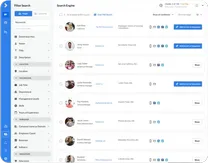
Swordfish AI’s Prospector feature is described as a way to generate targeted dialing or email lists using filters.
5. Efficient Data Enrichment
Swordfish AI says its File Upload feature can add missing contact details to CRM data. Review enriched records for accuracy before using them for outreach.
All things considered, you should check out Swordfish AI now.
 Try Swordfish Ai
Conclusion
Effective B2B prospecting starts with understanding your target audience. LinkedIn and other channels can support research and outreach, while the right approach depends on your buyers and sales process.
Prospecting tools may support parts of the process, but they do not replace a clear strategy. Regularly measuring performance with relevant metrics can help teams assess and refine their approach.
Use performance data to refine your approach and stay aligned with your goals. As markets and buyer preferences change, reviewing your strategy and adapting your outreach can help keep it relevant.
Frequently Asked Questions
What is the 3X3 approach to prospecting?
The 3X3 approach suggests spending three minutes to gather three relevant pieces of information about a prospect. This ensures a quick yet informed outreach, making calls more valuable.
What does intelligent prospecting mean?
Intelligent prospecting involves using advanced tools and techniques to enhance sales outreach. It refines the identification of ideal prospects and boosts the success rate of engagements.
What is a B2B target?
B2B targeting involves choosing segments that offer maximum potential for your business. Tailored marketing strategies are then developed for each selected segment.
What is a B2B cycle?
The B2B sales process typically moves through prospecting, connecting, qualifying, researching, presenting, handling objections, and closing. Specific tasks are assigned to teams at each stage to streamline the process.
How does technology aid in B2B prospecting?
Technology greatly improves B2B prospecting by automating activities like cold calling, emails, and social selling. It’s essential for marketing tasks like PPC and content creation. Sales and marketing teams rely on tools, especially in the SaaS model, like Asana and HubSpot, to make prospecting more efficient.