
 View Products


Last updated: September 3, 2026

Cold calling still works, even in an inbox-saturated world. It’s direct, it’s personal, and when a rep reaches the right person at the right time, it can compress a sales cycle in a single conversation. That’s especially true in healthcare, where decision-makers such as practice administrators, department heads, and procurement leads are often easier to reach by phone than by email once you have accurate, current contact information.
The problem is that most cold calls fail before they start, not because the offer is bad but because the approach is generic. This guide walks through preparation, delivery, and follow-through tactics that consistently improve meeting-booking rates, with a few adjustments worth keeping in mind if you’re calling into clinics, hospital systems, or medical group practices.
What is Cold Calling?
Cold calling is one of the pillars of the sales world. At its core, the cold calling technique is a direct sales technique where salespeople initiate contact with potential customers.
Unlike warm outreach, there’s no prior interaction or relationship with these prospects. It’s reaching out to someone entirely new, which means the first thirty seconds of the call carry most of the weight.
To effectively use LinkedIn Sales Navigator, it’s essential to understand the key differences and functionalities that distinguish it from using regular LinkedIn features. Sales Navigator offers specialized tools for sales professionals, including more precise search capabilities, personalized lead recommendations, and the ability to track potential prospects and customers.
These features are designed to enhance your sales strategy by providing deeper insights and a more targeted approach to networking and engagement. For more comprehensive details on how to maximize these benefits, consider exploring the available LinkedIn Sales Navigator plans, tailored to fit various professional needs and goals.
19 Cold Calling Tips to Get a Meeting With Decision-Makers and Boost Sales Conversions
Cold calling is a proactive approach. It means stepping out of one’s comfort zone and reaching out to potential clients before they’ve expressed any interest.
It’s not always easy, and it comes with plenty of rejection. But done well, it opens doors that email and social outreach often can’t, particularly when you’re trying to reach a busy office manager or clinical director who rarely checks a generic inbox.
Preparing for a Cold Call
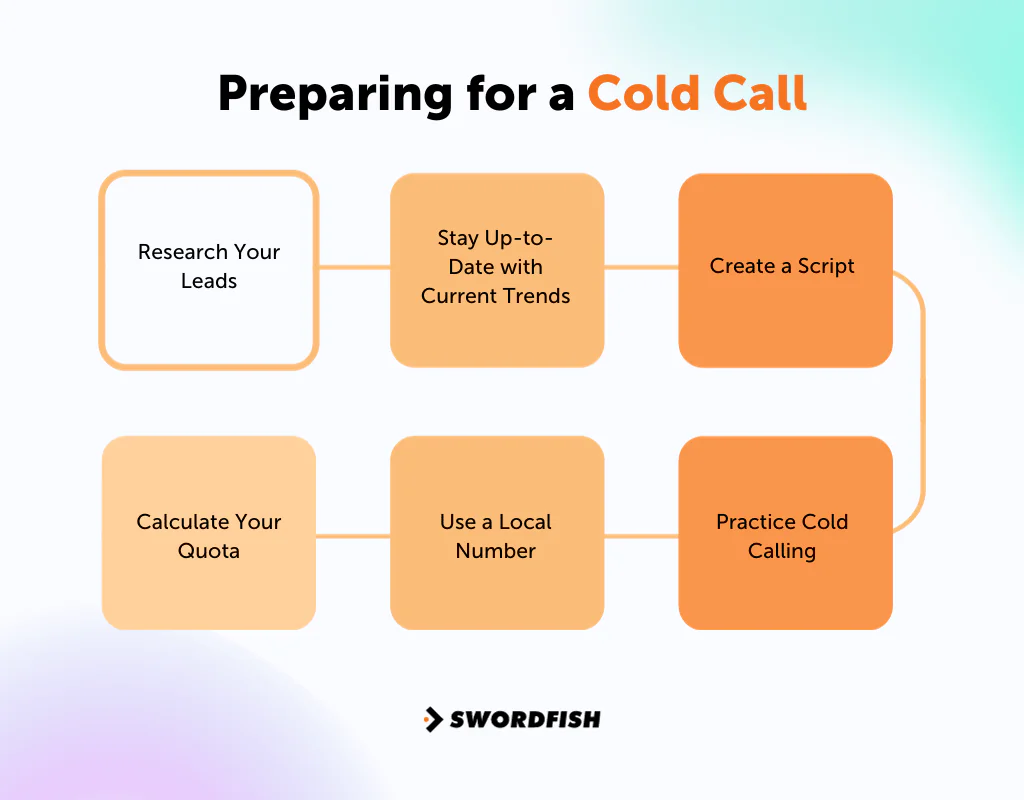
Preparation is where most cold calls are won or lost, long before the phone rings.
1. Research Your Leads
Before picking up the phone, knowing who’s on the other end is crucial. So, to build a prospect research on your leads is a must.
Understand the organization’s structure, its needs, and its likely pain points. In healthcare specifically, that might mean knowing whether you’re calling a private practice, a hospital department, or a multi-location group, since decision-making authority and buying cycles differ across each.
Use resources like social media, company websites, and licensing or NPI registries to gather insight before you dial. Demonstrating that you understand a prospect’s business builds trust fast.
2. Stay Up-to-Date with Current Trends
Being aware of trends in your prospect’s industry gives you an edge. Referencing a recent regulatory change, staffing shortage, or shift in reimbursement policy shows you’re paying attention, and it signals that your product or service is relevant right now, not just generically useful.
3. Create a Script
A structured approach tends to produce better results. Draft a script that outlines the flow of the conversation, not to read verbatim, but as a guide.
A good script keeps you on track, helps you handle objections gracefully, and steers the conversation toward a clear outcome.
4. Calculate Your Quota
Set a clear target: how many calls per day or week you aim to make. Once you know your conversion rate, you can set quotas that are realistic rather than arbitrary, and use them to track and refine your approach over time.
5. Use a Local Number
First impressions matter. A familiar area code increases the odds someone answers, and it lends a bit of credibility before you’ve said a word. It subtly signals that you’re not some distant stranger, which makes the prospect more comfortable picking up.
6. Practice Cold Calling
Like any skill, cold calling improves with repetition. Rehearse your pitch before calling real leads, and role-play with colleagues when possible. Practice helps you anticipate objections and respond with more confidence and less hesitation.
The Way to an Effective Cold Call
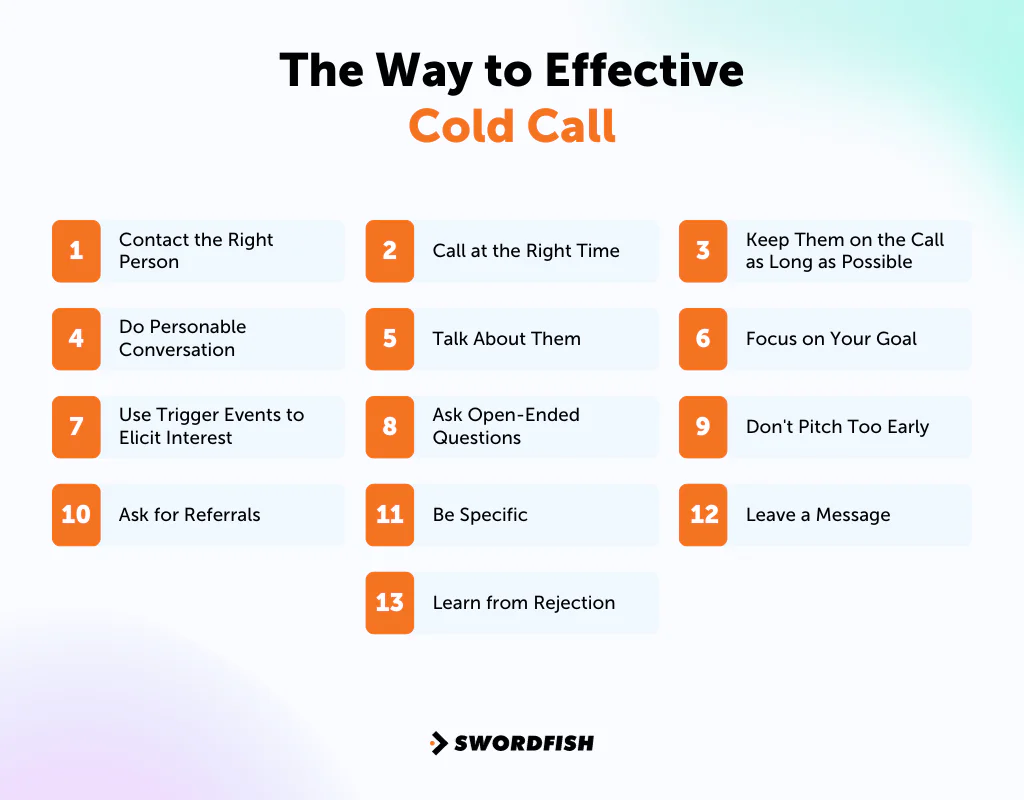
Effective cold calling combines strategy, research, and interpersonal skill. Approach the call with genuine focus on the lead’s needs, and it stops feeling like an interruption.
B2B cold calling is challenging, but it remains a powerful tool when done with intention. Here’s what separates a productive call from a wasted one.
1. Contact the Right Person
Every organization has key decision-makers. Identify and reach out to them directly rather than whoever happens to answer the main line. In healthcare organizations, that often means bypassing the front desk and reaching a practice manager, department head, or procurement contact who actually has authority to act.
2. Call at the Right Time
Timing affects receptiveness. Early mornings and lunch breaks tend to be poor windows, since people are either starting their day or stepping away. Late mornings and mid-afternoons have historically performed better, and calling during these windows can improve response rates.
3. Keep Them on the Call as Long as Possible
Longer conversations give you a better read on interest and need. A rushed call rarely builds enough rapport. Use relevant information and open-ended questions to keep the prospect engaged and talking.
4. Have a Personable Conversation
Nobody wants to talk to a script reader. Be genuine, friendly, and show real interest in what the lead needs. A human connection builds trust faster than any pitch, so let some personality come through.
5. Talk About Them
A successful cold call centers on the lead, not your product. Dig into their challenges and interests. Focusing on them shows you’ve done the homework and positions you as a partner rather than just another vendor calling to sell something.
6. Focus on Your Goal
Rapport matters, but don’t lose sight of why you called. Whether the goal is introducing a product, booking a meeting, or gathering information, keep steering the conversation there. Balance friendliness with purpose so the call stays productive.
7. Use Trigger Events to Elicit Interest
Recent industry changes make strong conversation starters. Referencing them shows awareness and relevance, and can help frame your product or service as a timely solution rather than an unsolicited pitch.
8. Ask Open-Ended Questions
Questions that can’t be answered with a simple yes or no draw out more information. They help you understand pain points, tailor your pitch, and turn a one-sided call into an actual conversation.
9. Don’t Pitch Too Early
Jumping straight into a sales pitch tends to backfire. Listen first, understand the lead’s needs, then introduce your solution. When your offer clearly aligns with what they’ve already told you, it lands better.
10. Ask for Referrals
Even an uninterested lead might know someone who isn’t. Always ask. Referrals extend your network into contacts you might never have reached through cold outreach alone.
11. Be Specific
Vague pitches create confusion. Clearly state what you’re offering, its benefit, and how it addresses the lead’s actual problem. Specificity makes the call memorable.
12. Leave a Message
An unanswered call isn’t a dead end. A concise, clear voicemail with the purpose of your call and a callback number can prompt a return call later.
13. Learn from Rejection
Rejection is part of the job. Rather than getting discouraged, treat each one as feedback. Review the conversation, note what didn’t land, and adjust your approach for the next call.
Final Note
Cold calling isn’t about volume for its own sake; it’s about making each call count. With preparation and a clear strategy, it can turn a cold lead into a real opportunity.
What makes cold calling valuable is its directness, a real-time conversation with a real decision-maker, rather than a message sitting in a crowded inbox.
Combining traditional cold-calling discipline with better data and smarter timing is what separates reps who book meetings from those who just make calls.
Swordfish AI presents unparalleled B2B contact data, highlighting the direct lines and email IDs of elite executives a. Try Swordfish AI‘s offerings today.
 Try Swordfish Ai
Frequently Asked Questions
How can you improve your cold calling success rate?
Success in cold calling often comes down to preparation and approach. Researching your prospect thoroughly, using a flexible yet guiding script, and practicing active listening can significantly enhance your chances of securing a meeting.
What should I know about my prospect before cold calling?
Knowledge is power in cold calling. Familiarize yourself with the prospect’s business model, any recent company news, challenges they might be facing, and industry trends. This information will allow you to tailor your conversation, making it relevant and engaging.
How can I handle rejections during cold calls?
Rejections are a natural part of cold calling. The key is to remain professional and composed. Instead of taking it personally, use each rejection as a learning opportunity. Analyze what might have gone wrong and adjust your approach for future calls.
Are there any tools to assist with cold calling?
Yes, several tools can aid the cold calling process. CRM software can help track and manage leads. Call recording tools allow post-call analysis, and lead generation platforms can provide valuable insights into potential prospects.
How can I ensure my call doesn’t sound scripted?
Having a script is essential to cover key points. But using it as a roadmap rather than a rigid structure is crucial. Engage in genuine conversation, ask open-ended questions, and adapt based on the prospect’s responses. This makes the call feel more natural and personalized.