


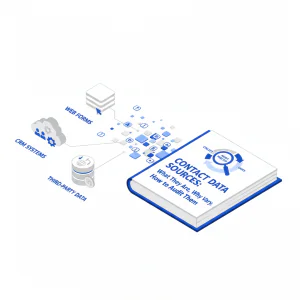
Where does contact data come from? A buyer/auditor breakdown of contact data sources (first-party, third-party, public), data decay, integration costs, and compliance + opt-out handling.

Blog & news
Where does contact data come from? A buyer/auditor breakdown of contact data sources (first-party, third-party, public), data decay, integration costs, and compliance + opt-out handling.
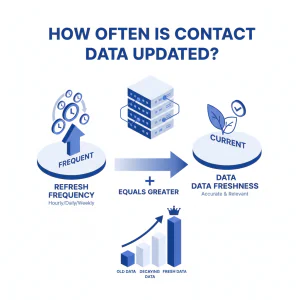
A cynical buyer’s guide to contact data update frequency: why refresh-rate claims hide data decay, which recency signals to require, and how to test contact data freshness with your own list.

A buyer-grade security audit guide for contact data tools: what to verify (access controls, audit logs, encryption, vendor risk, retention), where vendors vary, and when to stop the evaluation.

A cynical buyer/auditor view of Swordfish’s Chrome extension for contact data: workflow fit, permissions audit steps, data decay, “unlimited” fair use, and a pilot test plan.

Cynical buyer/auditor guide to the Swordfish LinkedIn extension: permissions and compliance review, workflow reliability, exports, data decay, and how to test it with your own list.
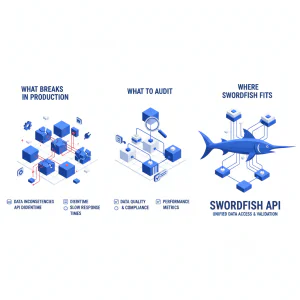
A cynical buyer/auditor guide to evaluating a contact data API: what breaks under rate limits, how data decay shows up in your CRM, and how to test Swordfish with your own list before you commit.
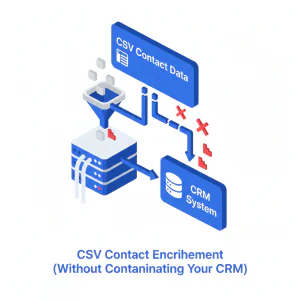
A governance-first CSV contact enrichment workflow: fix the Dirty CSV problem, dedupe contacts, validate identity columns, map fields, and import into Salesforce or HubSpot without duplicates or overwrites.

A Salesforce integration is only worth paying for if it can write enriched contact fields back with strict field mapping, dedupe safeguards, and data governance. This guide focuses on hidden costs, variance drivers, and how to keep CRM hygiene intact.
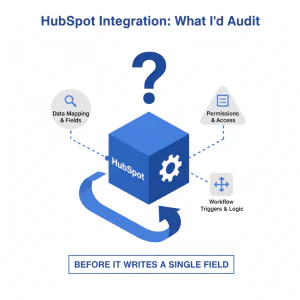
A cynical buyer’s guide to evaluating a HubSpot integration for contact enrichment: field mapping, dedupe, lifecycle routing, data governance, and recruiter-first reachability with verified mobile numbers.
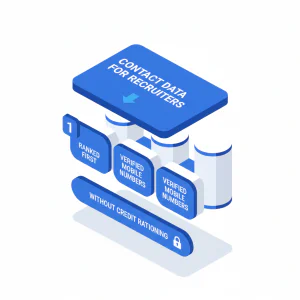
Recruiter-first contact data for passive candidate outreach: verified mobile numbers, ranked phone outputs, and unlimited credits with fair use—plus a practical pilot plan, variance explainer, and compliance basics.

Talk to our data specialists to get started with a customized free trial.