
 View Products


Last updated: September 3, 2026
Lead generation isn’t a vague marketing buzzword. It’s the mechanism that fills a pipeline with people who might actually buy from you, and for teams selling into healthcare, it’s often the difference between reaching a decision-maker directly and getting stuck in a hospital’s general voicemail tree. The question worth answering isn’t whether lead generation matters, but how to do it well when your targets are busy clinicians, practice administrators, and healthcare procurement staff who are hard to reach and protective of their contact details.
Lead generation is the process of identifying and nurturing potential customers through various marketing strategies and channels.
Inbound content, outbound outreach, events, paid ads, and social channels all funnel toward the same outcome: a pipeline of prospects ready to talk. Below, we break down each approach, how the process fits together end to end, and where tools like Swordfish.ai fit into a healthcare-focused lead generation strategy.
Defining a Lead: Who Are Your Potential Customers?
A lead is anyone who has shown interest in what you’re selling, whether that’s filling out a contact form, downloading a resource, or engaging with your content on social media. In healthcare sales specifically, a lead is often a specific person at a specific facility, a practice manager evaluating new software, a hospital IT director, a clinician researching a device, not an anonymous form fill.
Leads generally fall into a few categories based on where they sit in the buyer’s journey:
- Marketing Qualified Leads (MQLs): These leads have interacted with your marketing efforts but aren’t ready for a direct sales call. They need further nurturing through targeted content and engagement.
- Sales Qualified Leads (SQLs): These leads have demonstrated a higher level of interest and are considered ready for outreach by your sales team.
- Product Qualified Leads (PQLs): Generally applicable to SaaS companies, these leads have used your product or signed up for a trial, showing a strong potential for becoming paying customers.
- Service Qualified Leads (SQLs): These leads have indicated they are interested in purchasing your service, such as by inquiring about pricing or requesting a demo, and are ready for a follow-up from your sales team.
Segmenting leads this way keeps marketing spend focused on the group most likely to move forward, and it prevents your sales team from chasing contacts who aren’t ready yet.
Inbound Marketing Strategies: Attracting Leads Naturally
Inbound marketing draws prospects in with useful content and a smooth experience, rather than pushing a message at them. Here’s how to put it into practice.
Create High-Quality Content
Content should speak directly to the pain points of your audience. Blog posts, guides, infographics, and video all work, but consistency matters more than format. Publishing regularly on topics your buyers actually search for builds credibility over time.
Optimize for SEO
Keyword research tells you the language your audience actually uses, and that language should shape your headers, meta descriptions, and page copy. Ranking well for the right terms brings in organic traffic that’s already looking for what you offer.
Leverage Social Media
Sharing content across LinkedIn, Twitter, and Facebook extends its reach and gives your brand more chances to be discovered. LinkedIn in particular tends to carry weight with healthcare administrators and clinical staff who use it for professional networking.
Build a User-Friendly Website
A site that’s mobile-responsive, fast, and easy to navigate keeps visitors around long enough to convert. Clear calls-to-action matter more than most teams give them credit for.
Utilize Landing Pages and Forms
Gate valuable resources, like guides or whitepapers, behind a short form. This builds a database of interested prospects you can nurture through email over time.
Email Marketing Campaigns
Once you’ve captured a lead, personalized and segmented email keeps your brand visible without overwhelming the inbox. Automation tools help maintain consistent follow-up without manual effort.
Inbound methods build long-term relationships, but they take time to compound. That’s usually why most healthcare sales teams pair inbound with more direct outbound tactics.
Outbound Marketing Tactics: Proactively Reaching Prospects
Outbound marketing means going to prospects instead of waiting for them to come to you. Done well, it works especially fast in healthcare, where the buying group is often small and identifiable.
Cold Calling and Emailing
Cold outreach still works when it’s personal and well-targeted. In healthcare sales, this usually means having a specific reason to contact a specific person, not a generic list.
These tactics allow you to directly communicate with potential leads, providing an opportunity for personal engagement.
Events and Trade Shows
Healthcare conferences and trade shows remain one of the more reliable ways to have real conversations with decision-makers. Collect contact information, follow up promptly, and treat the event as the start of a relationship rather than a one-time pitch.
Direct Mail Campaigns
Direct mail still lands with certain audiences, particularly older clinicians or administrators who get flooded with email. A clear message and a specific call to action matter more than volume here.
Pay-Per-Click Advertising
PPC ads on Google or social platforms capture people who are already searching for a solution like yours. Precise targeting and clear ad copy make the difference between wasted spend and qualified clicks.
Networking
Professional groups, industry associations, and online communities built around healthcare operations or clinical specialties can generate warm referrals that convert faster than cold outreach.
Combining outbound tactics with a clear targeting strategy turns scattered effort into a repeatable process for reaching and converting prospects.
The Lead Generation Process: From Identification to Conversion
Lead generation moves through distinct stages, each requiring a different kind of attention.
- Do full market research: Start by defining your ideal prospect and their pain points. In healthcare sales, this often means identifying the right role at the right type of facility, since a hospital IT director and a solo practice owner have very different buying processes. Tools like Swordfish.ai can help by surfacing verified contact details for the roles that match your ideal customer profile.
- Lead Attraction: Draw prospects in through inbound and outbound efforts working together, whether that’s content built around a specific clinical or operational need, or targeted outreach to a segmented list.
- Lead Nurturing: Keep leads engaged through consistent, relevant communication until they’re ready to talk to sales. Healthcare buying cycles tend to run longer than average, so patience matters here.
- Score and Qualify Leads: Use a scoring model to separate leads who are close to a decision from those who need more nurturing, so your sales team spends time where it counts.
- Conversion: This is where good service, clear value, and removing friction from the purchase process turn a qualified lead into a customer.
Refining this process over time, rather than treating it as a one-off setup, is what actually improves ROI.
Why Accurate Prospect Information Matters
Accurate contact data determines whether your outreach reaches the right person or bounces into a dead inbox. This matters more, not less, in healthcare, where staff turnover is high and contact information changes frequently as clinicians move between practices and administrators change roles.
Accurate prospect information ensures that your marketing strategies are targeted and efficient, allowing you to reach out to individuals or businesses that are truly interested in your products or services.
Bad data wastes sales time. Reliable lead generation tools such as Swordfish.ai pull from multiple data sources to surface current, verified contact details, cutting down on the manual cleanup that eats into selling time.
Data quality also intersects with compliance. In healthcare specifically, the line matters: basic business contact information like a name, phone number, and work email generally doesn’t fall under HIPAA, but the moment clinical or patient information enters the picture, HIPAA rules and Business Associate Agreements come into play. For B2B outreach to providers, staying focused on professional contact details, sourced from public directories, registries, or verified data providers rather than anything touching patient records, keeps outreach both effective and compliant. GDPR and CCPA considerations apply as well, depending on where your prospects are located.
Solid data is the foundation everything else in lead generation rests on. Weak data undermines even the best-designed campaign.
Choosing the Best Lead Generation Tools for Your Business
A few factors separate a genuinely useful lead generation tool from one that adds friction:
- Usability: The tool should be user-friendly, providing a good interface that allows one to easily navigate within it and put its features into practice: from your landing page to the form and further on through many integrations with other systems, it ensures an undisturbed workflow.
- Customization Options: Find a tool that will allow you to customize elements according to your brand’s aesthetics. Features such as custom color schemes, the ability to upload your company logo, and connection to your own domain can make the lead generation tool feel like a natural extension of your website.
- Integration Features: A good lead generation tool should be able to integrate with other apps, ensuring that data gets transferred effectively between your CRM, email platform, and outreach tools.
- Data Accuracy: Prospects’ information accuracy is a very critical part of lead generation. There exist tools like Swordfish.ai that excel in providing precision data, making it easier to target the right prospects and thus optimize outreach.
- Security Features: First of all, ensure the protection of prospects’ information and privacy. Watch out for tools with access controls, password protection, and secure data handling to protect sensitive information, which matters even more when your prospects work in healthcare.
- Scalability: As your business grows, so will your needs for lead generation. The tool should be able to scale with you and handle an increasing volume of leads without a drop in performance.
- Support and Resources: How responsive their customer support is, and how many training resources are available, will go a long way toward getting full value from the tool.
Weighing these factors against your actual workflow, rather than a feature checklist, is what leads to a tool that gets used instead of abandoned after a trial.
Common Pitfalls in Lead Generation and How to Avoid Them
A few recurring mistakes trip up otherwise solid lead generation programs.
Ignoring Data and Analytics
Relying on gut instinct instead of performance data leads to misguided strategy. Reviewing what’s actually converting, and using accurate contact data from a source like Swordfish.ai, keeps decisions grounded in evidence.
Focusing on Quantity Over Quality
A long list of unqualified leads looks good on paper but wastes sales time. A smaller, well-targeted list built around a clear buyer persona converts better and retains longer.
Neglecting Follow-ups
Interest fades fast without consistent follow-up. Automating a cadence keeps outreach persistent without feeling intrusive.
Overlooking the Power of Content
Regularly publishing useful, specific content builds authority over time and gives prospects a reason to keep engaging with your brand.
Underestimating the Importance of Mobile Optimization
With most prospects checking email and browsing on a phone, a site or form that doesn’t work well on mobile quietly loses leads before they ever convert.
Using Outdated Techniques
Lead generation tactics that worked five years ago don’t necessarily work now. Staying current on channels, tools, and buyer behavior keeps a strategy from going stale.
Recognizing these pitfalls early, and correcting for them, is usually cheaper than fixing a broken pipeline after the fact.
Measuring the Success of Your Lead Generation Efforts
Tracking the right metrics tells you what’s actually working.
Conversion Rates
This measures the percentage of visitors who take a desired action, like filling out a form. It’s a direct read on how well a specific campaign or page is performing.
Cost Per Lead (CPL)
Dividing total marketing spend by number of leads generated shows how efficiently your budget is being used.
Lead Quality
Not every lead is equally likely to convert. Scoring leads on engagement, role, and organization size helps prioritize the ones worth pursuing.
Customer Acquisition Cost (CAC)
This looks at the full cost of turning a lead into a paying customer, which helps identify where to cut waste and improve ROI.
Time to Conversion
A shorter time from first contact to close often signals a more efficient nurturing process and better-qualified leads to begin with.
Return on Investment (ROI)
Comparing revenue generated against campaign cost is the ultimate measure of whether a lead generation strategy is paying off.
Engagement Metrics
Email open rates, click-throughs, and social interactions show how prospects are actually engaging with your content, and where adjustments might help.
Lead Source Performance
Tracking which channels, social, email, PPC, referrals, drive the most (and best) leads helps direct future budget toward what’s working.
Reviewing these metrics regularly, rather than only at quarter-end, makes it easier to catch a underperforming channel before it drains the budget. Access to accurate prospect information, the kind Swordfish.ai is built to provide, makes every one of these metrics more reliable, since bad data skews conversion and cost calculations from the start.
The Best Lead Generation Tool
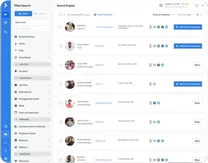
Swordfish.ai is built around comprehensive contact data coverage, giving access to current phone numbers and email addresses across a range of industries and job titles, including healthcare roles that are often difficult to reach through standard databases. The platform aims to reduce bounced emails and disconnected numbers, and its search interface is built to be simple to use for finding and pulling contact details. Integration with common CRM and sales tools helps keep outreach workflows connected, and bulk search functionality cuts down on manual lookup time.
Get a free trial → https://swordfish.ai/