
 View Products


Last updated: September 3, 2026
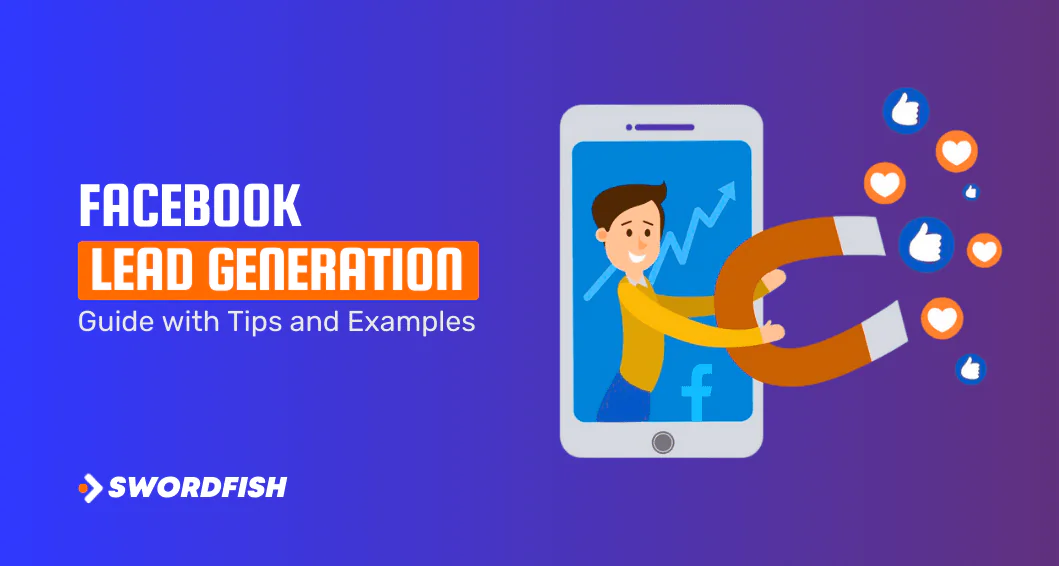
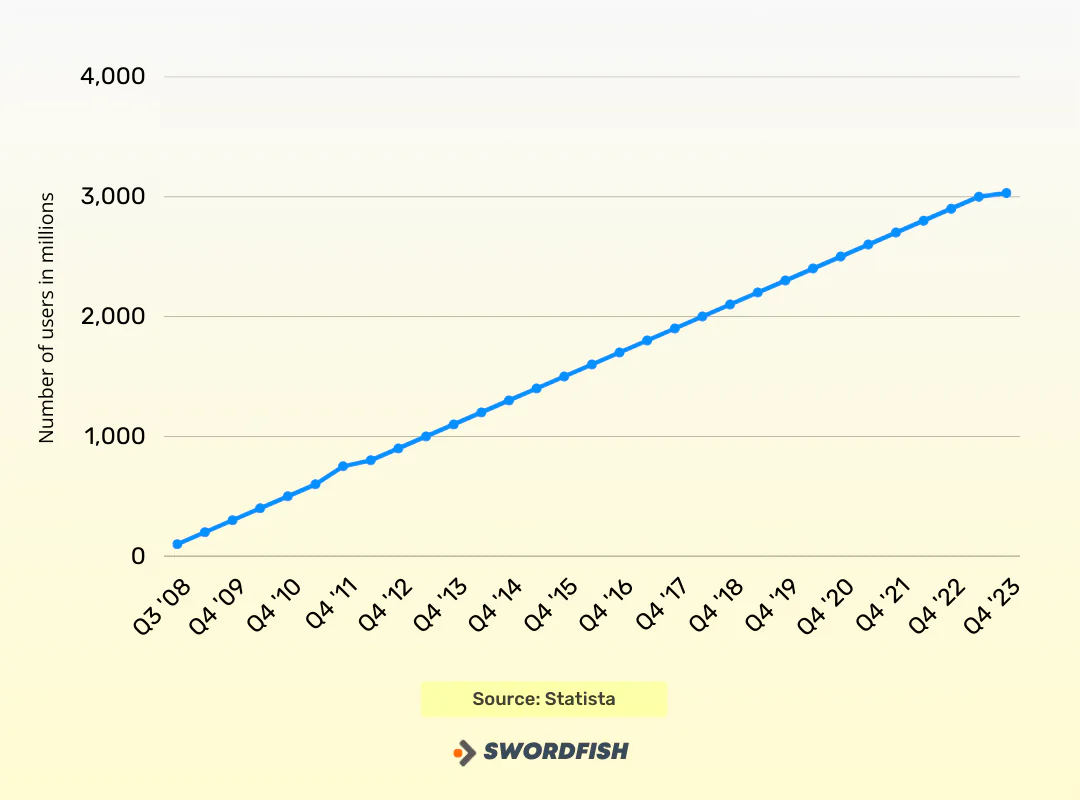
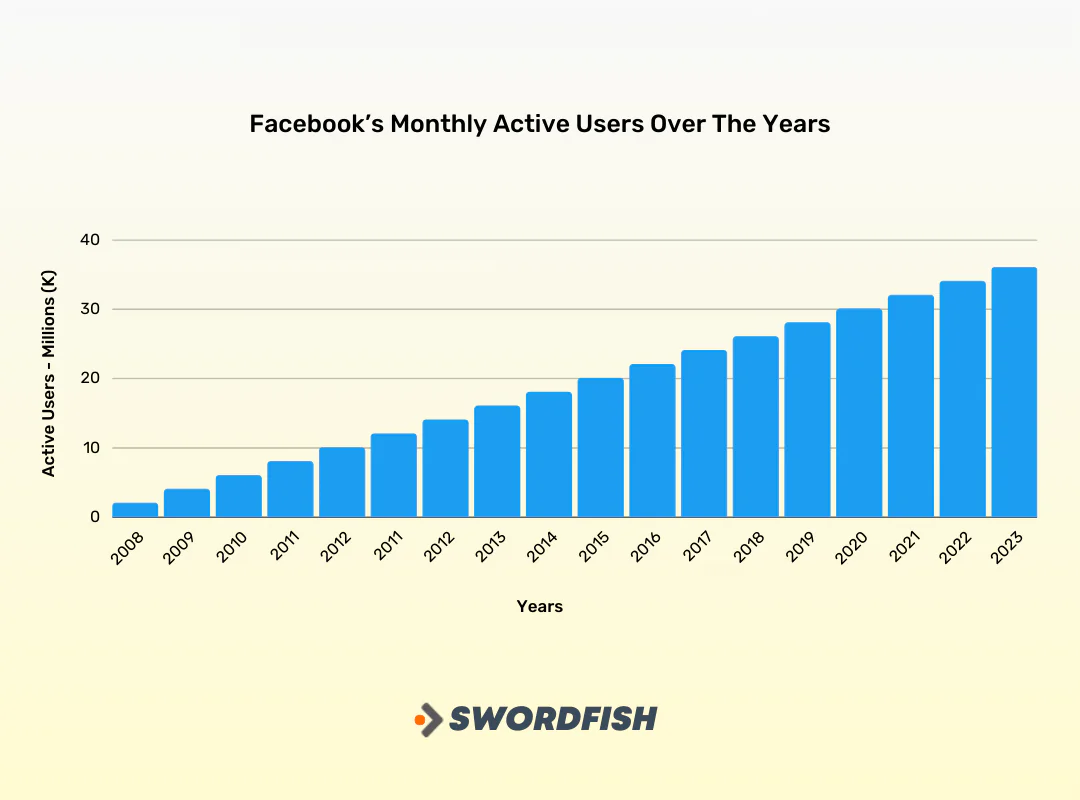
Roughly 1.6 billion people worldwide say they’re connected to a small business on Facebook. With 3 billion monthly active users, the platform remains one of the largest pools of potential buyers any marketer can reach, healthcare organizations included. If your audience is already spending time there, it makes sense to meet them on their terms rather than waiting for them to find you elsewhere.
The practical question is how to turn that audience into actual leads. That’s what Facebook Lead Generation is built for.
This guide walks through how Facebook leads work, how to set up lead ads step by step, and which tactics and examples tend to hold up in practice.
What are Facebook Leads?
A Facebook Lead is anyone who signals interest in a product, service, or organization through an action on the platform.
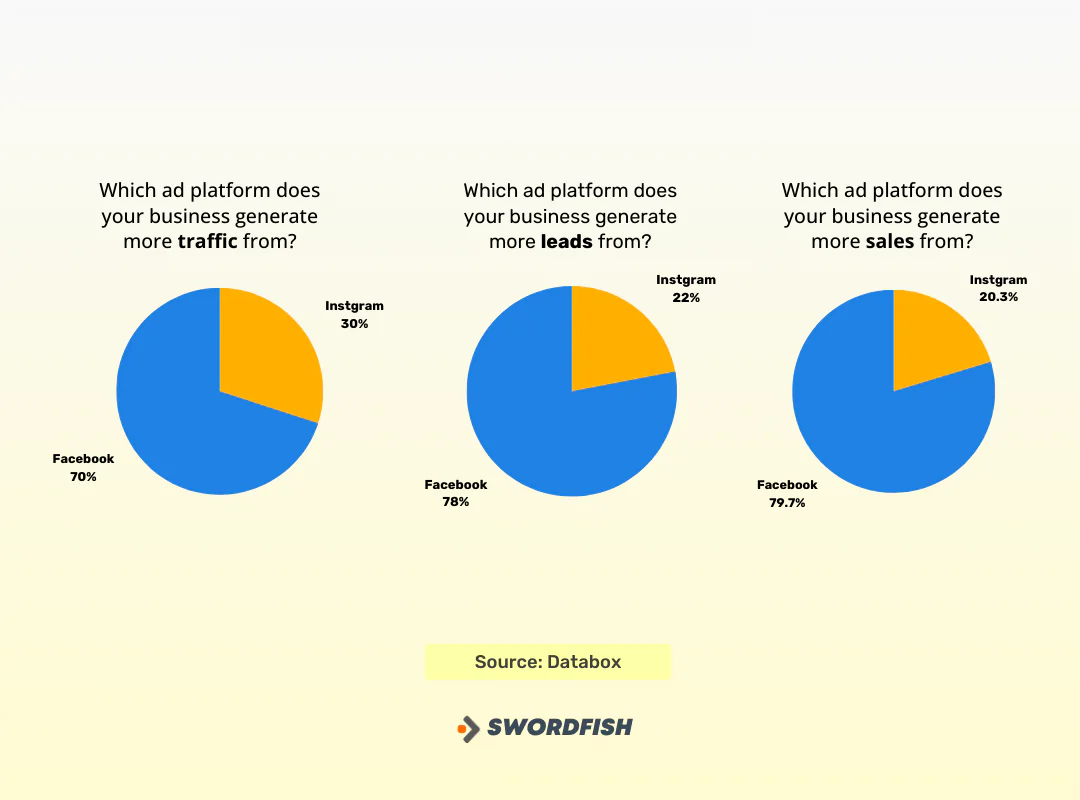
That could mean filling out a lead form, clicking an ad, visiting a business page, or entering a contest. The common thread is that the person has already shown some interest — your job from there is to turn that interest into a conversation, and eventually a sale.
How Do Facebook Lead Ads Work?
Facebook Lead Ads let you collect contact information without sending anyone off the platform. You build these ads inside Facebook Ads Manager, where you set targeting, design the creative, and define a budget.
When someone taps a Lead Ad, instead of landing on an external page, they see a form built directly into Facebook. That form can capture contact details, custom questions, and other information you specify.
Example Scenario of How Facebook Lead Ads Work
Here’s the general flow, from ad to follow-up:
Step 1:
Build a Lead Ad that spells out your value proposition clearly enough that someone scrolling past will stop and pay attention.
Step 2:
When a user taps the ad, Facebook shows a form pre-filled with information from their profile — name, email, and so on — so signing up takes seconds, not minutes.
Step 3:
Add custom fields where you need more detail: multiple-choice questions, dropdowns, or an appointment scheduler, depending on what your team needs to qualify the lead.
Step 4:
Once submitted, the contact details and any custom answers land in your system right away, so your team can follow up while the interest is still fresh.
Step 5:
Use what you collected to personalize the follow-up. The goal is to move the person further down the funnel without ever pulling them off Facebook in the first place.
Benefits of Facebook Lead Generation
Meta’s full-year 2023 revenue reached $134.90 billion, up from roughly $116.6 billion in 2022 — a 16% increase year over year. Family of Apps advertising revenue for 2023 came in at $131.9 billion, underscoring how much of Meta’s business still runs through ad spend on platforms like Facebook.
Given that scale, investing time in Facebook lead generation can pay off in several concrete ways.
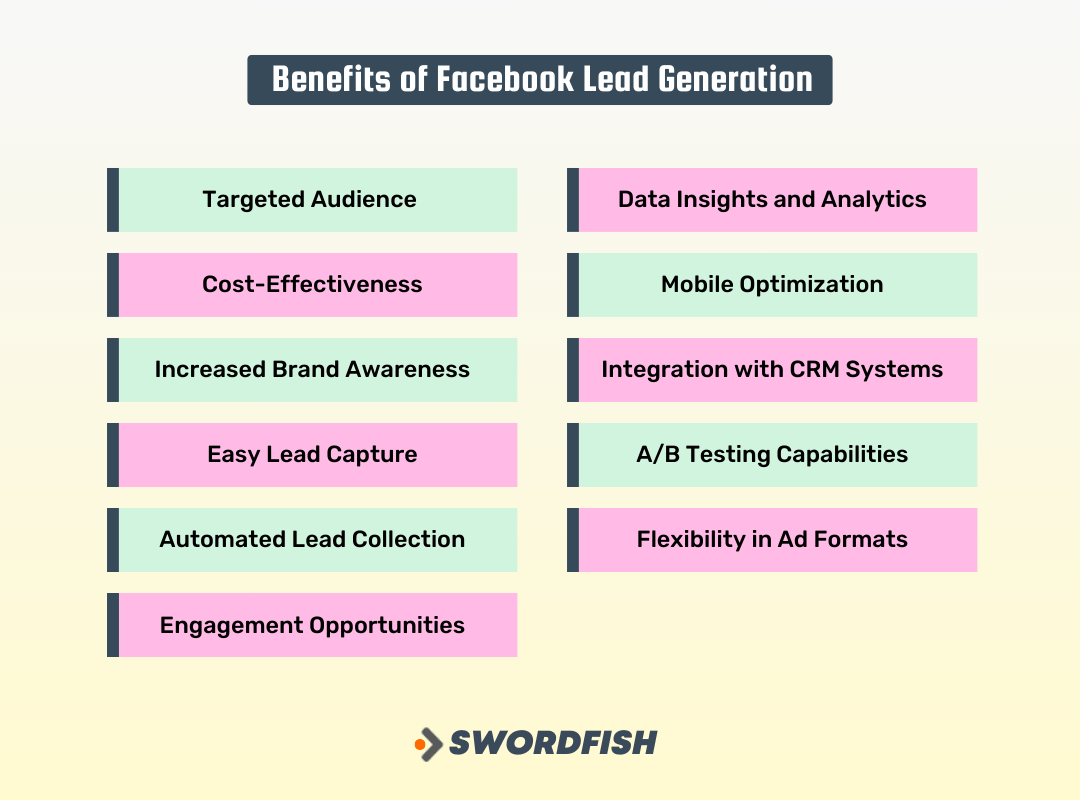
Targeted Audience
Advanced targeting lets you narrow by demographics, interests, behaviors, and lookalike audiences, so your ads reach people who are actually likely to care.
Cost-Effectiveness
You control the budget and can choose between paying per impression (CPM) or per click (CPC), which gives you more room to manage spend than most traditional channels.
Increased Brand Awareness
Even users who don’t convert right away are exposed to your brand, which can pay off later when they’re ready to act.
Easy Lead Capture
Because the form lives inside Facebook, there’s less friction than sending someone to an external landing page — which tends to show up as higher conversion rates.
Automated Lead Collection
Sales pitches never come with guarantees, but leads captured through Facebook are stored automatically, which makes it easier for your team to follow up systematically instead of chasing down scattered contacts.
Engagement Opportunities
Comments, likes, shares, and messages give you more ways to build rapport with a lead before you ever make a formal pitch.
Data Insights and Analytics
Facebook’s built-in analytics let you see what’s working in a campaign and adjust before wasting more budget on something that isn’t converting.
Mobile Optimization
Most Facebook usage happens on phones and tablets, which matters given how much decision-making now happens on mobile.
Integration with CRM Systems
You can route lead data straight into your CRM, cutting down on manual entry and the delays that come with it.
A/B Testing Capabilities
Testing different copy, images, headlines, and forms against each other gives you a data-backed way to improve results over time rather than guessing.
Flexibility in Ad Formats
Images, video, carousels, and slideshows all give you room to match the format to the campaign instead of forcing every message into the same mold.
How to Set Up Facebook Lead Generation Ads: A Step-by-Step Guide
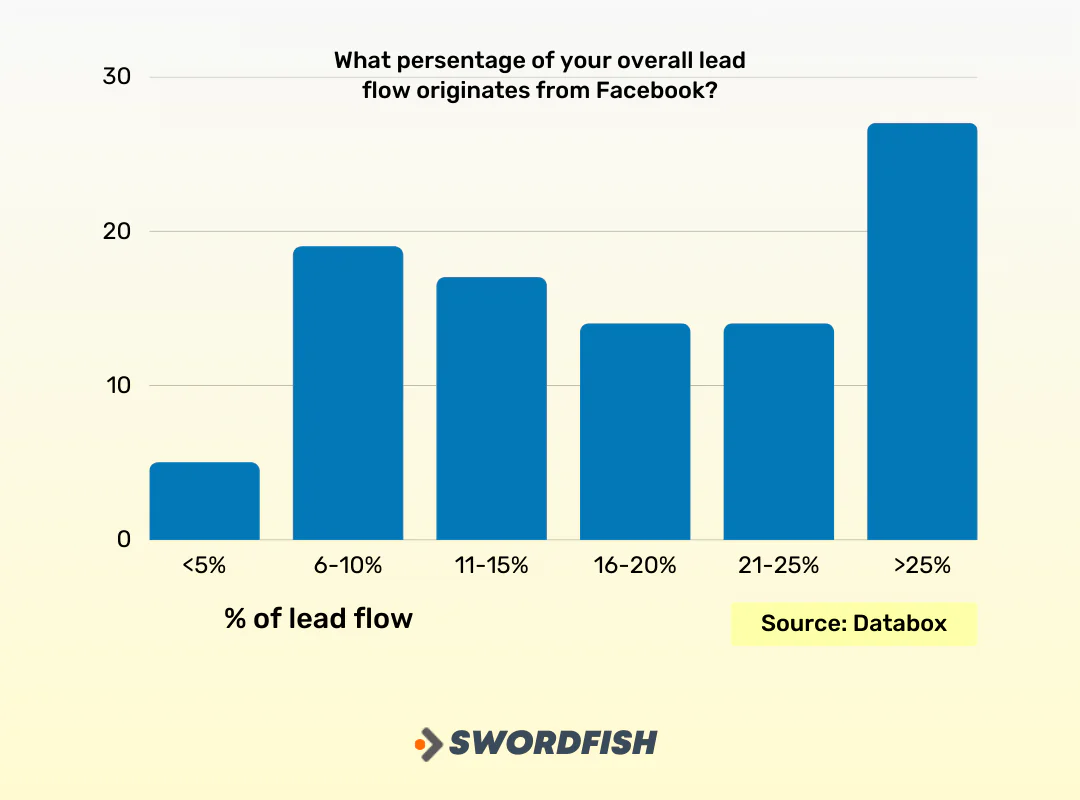
One industry survey found that more than half of small and mid-sized businesses spend between $1,001 and $2,500 a month on Facebook lead generation, while only about 19% of agencies work in that same range — agencies typically manage larger budgets per client.
In fact, roughly 50% of agencies reported handling over $5,000 per client each month on Facebook, compared with 69.1% of SMBs whose budgets stay under $5,000.
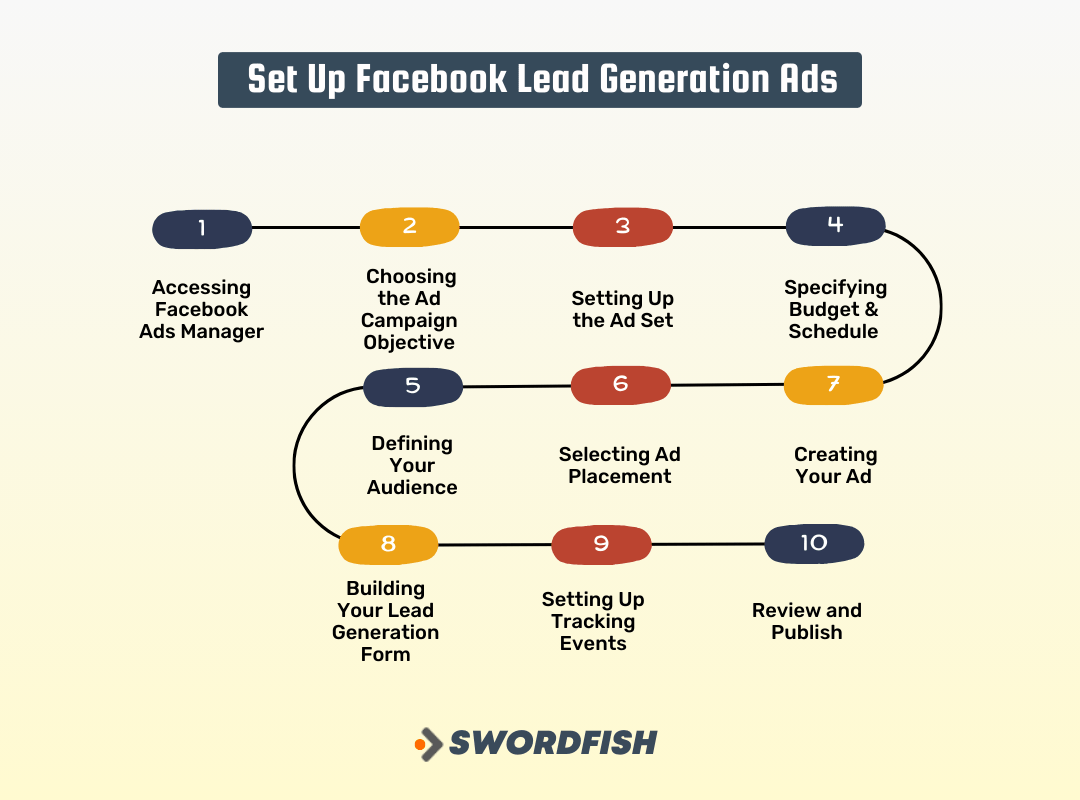
Budget size aside, here’s how to build a lead generation campaign step by step.
Step 1: Accessing Facebook Ads Manager
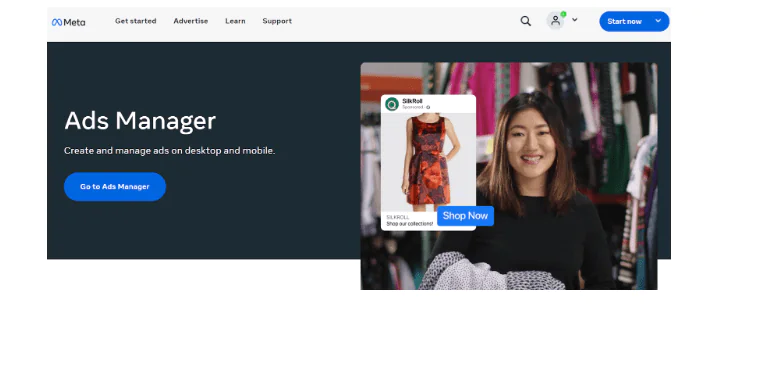
Start at Ads Manager and log in, or set up an account if you don’t already have one. This is your home base for building the campaign.
Step 2: Choosing the Ad Campaign Objective
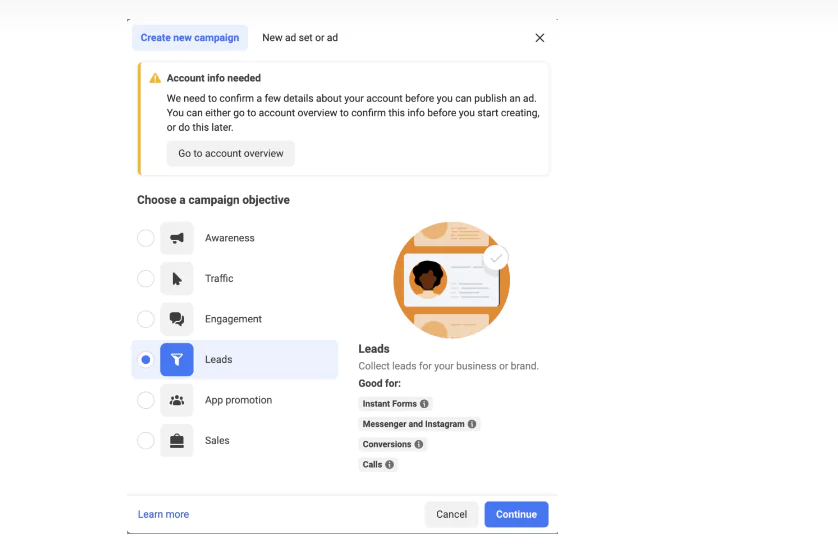
Click “Create” in the top-left corner and choose an objective. For lead generation, select “Leads.” Read through Meta’s guidance on each objective type before committing, since the wording changes periodically.
Step 3: Setting Up the Ad Set
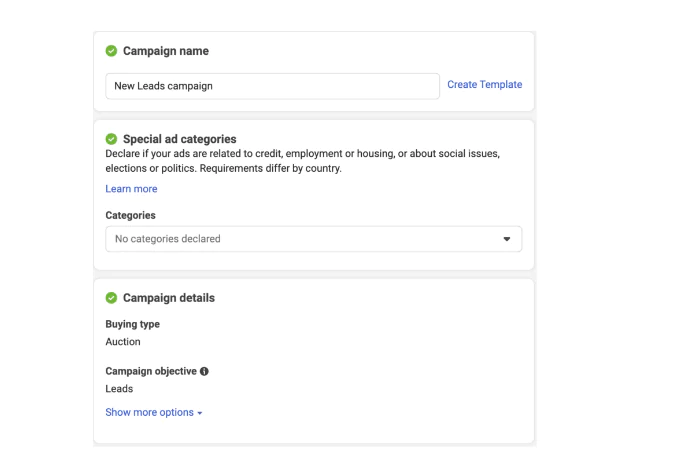
Name your Ad Set in a way that reflects the campaign’s purpose, then pick a conversion location — Instant forms, Messenger, or Calls — based on your goal. Choose a performance goal, whether that’s maximizing the number of leads or the number of conversion leads.
Step 4: Specifying Budget & Schedule
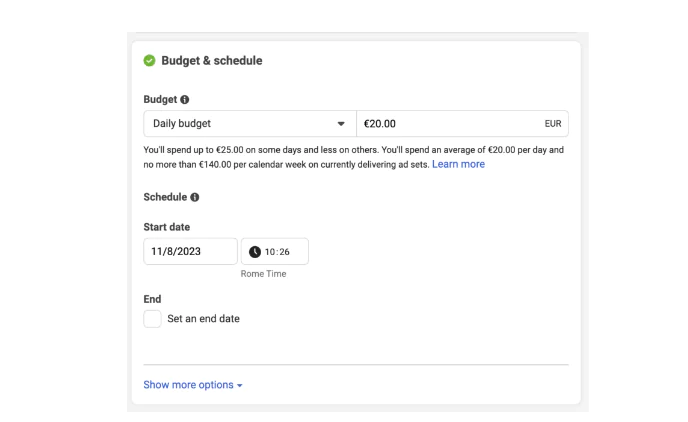
Decide between a daily or lifetime budget and set the amount you’re comfortable spending. Ads Manager gives you estimated reach at different budget levels, which is worth checking before you commit. You can also schedule ads to run continuously or only during specific windows.
Step 5: Defining Your Audience
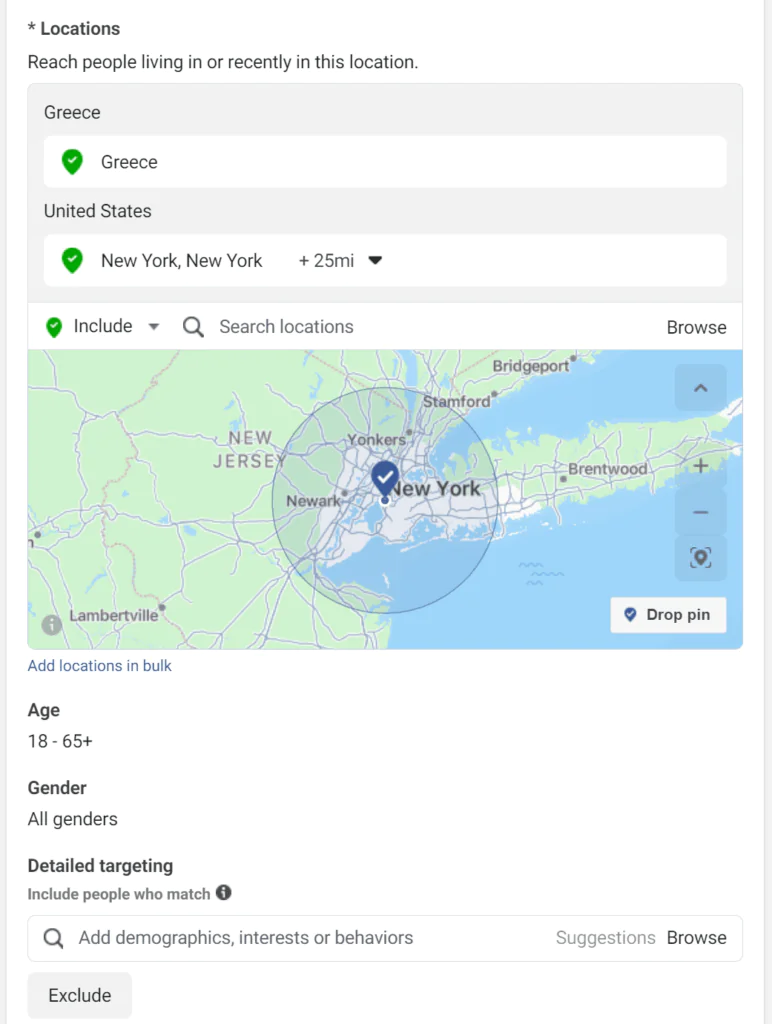
Set location, age, gender, and language, then narrow further with interests or behaviors. “Advantage detailed targeting” can widen your reach automatically if you’re not sure how tightly to define the audience yet.
Step 6: Selecting Ad Placement
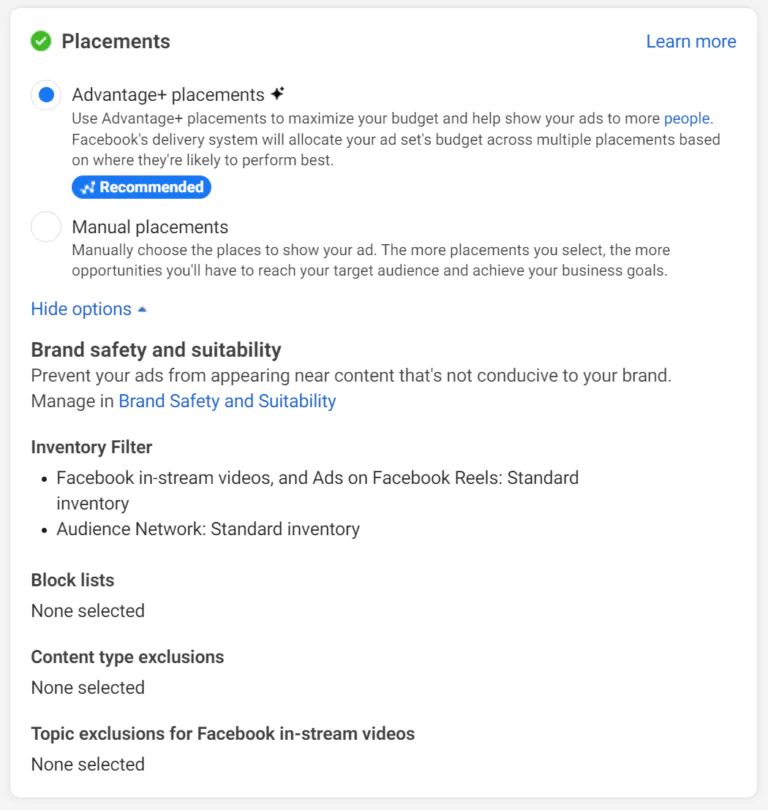
Choose between “Advantage+ placements” or manual placement control. If brand safety matters for your organization — which it usually does in regulated fields like healthcare — use inventory filters, block lists, and content exclusions to keep your ads out of unsuitable contexts.
Step 7: Creating Your Ad
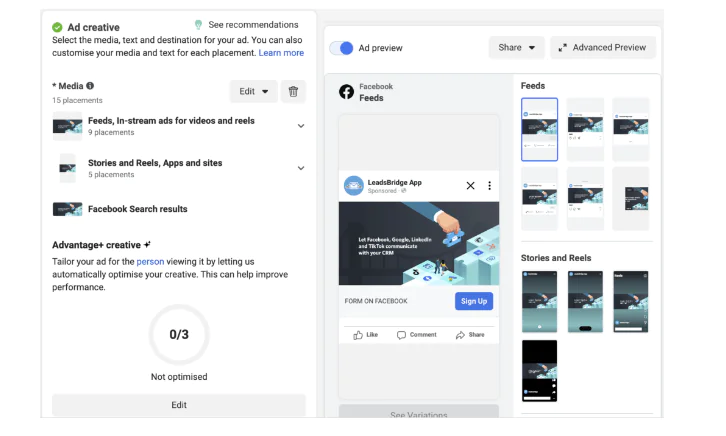
Decide whether to run it as a partnership ad, then pick a format — single image, video, or carousel. Write copy that’s direct about the value, add strong visuals, and finish with a clear call-to-action button.
Step 8: Building Your Lead Generation Form
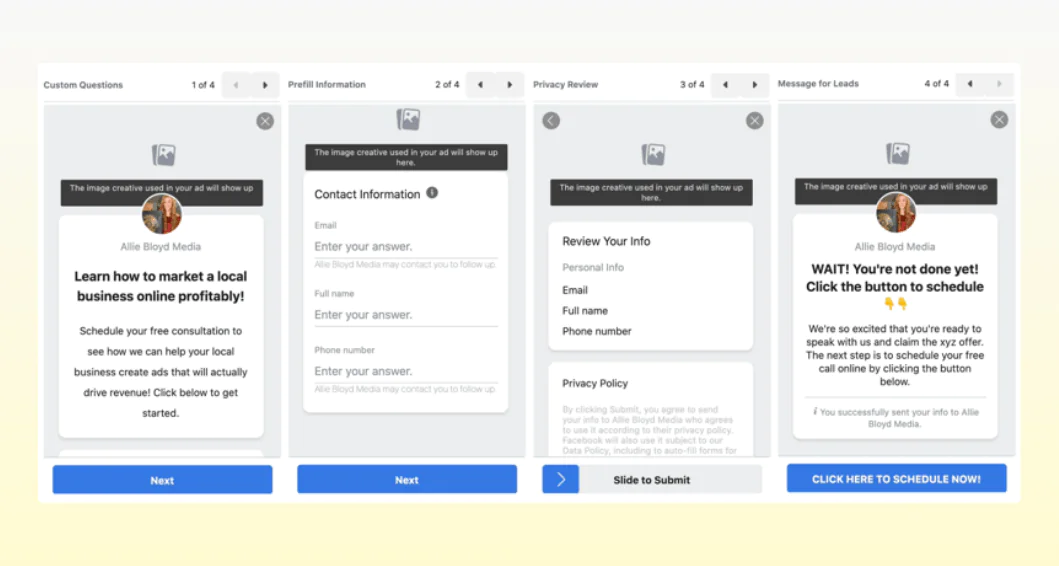
Name the form, then choose the type that matches your goal — “More volume,” “Higher intent,” or “Rich Creative.” Add an intro, your questions, a privacy policy link, and a thank-you message.
Step 9: Setting Up Tracking Events
Pick which events to track — CRM, website, app, or offline — and configure the parameters and datasets you need for a full picture of campaign performance.
Step 10: Review and Publish
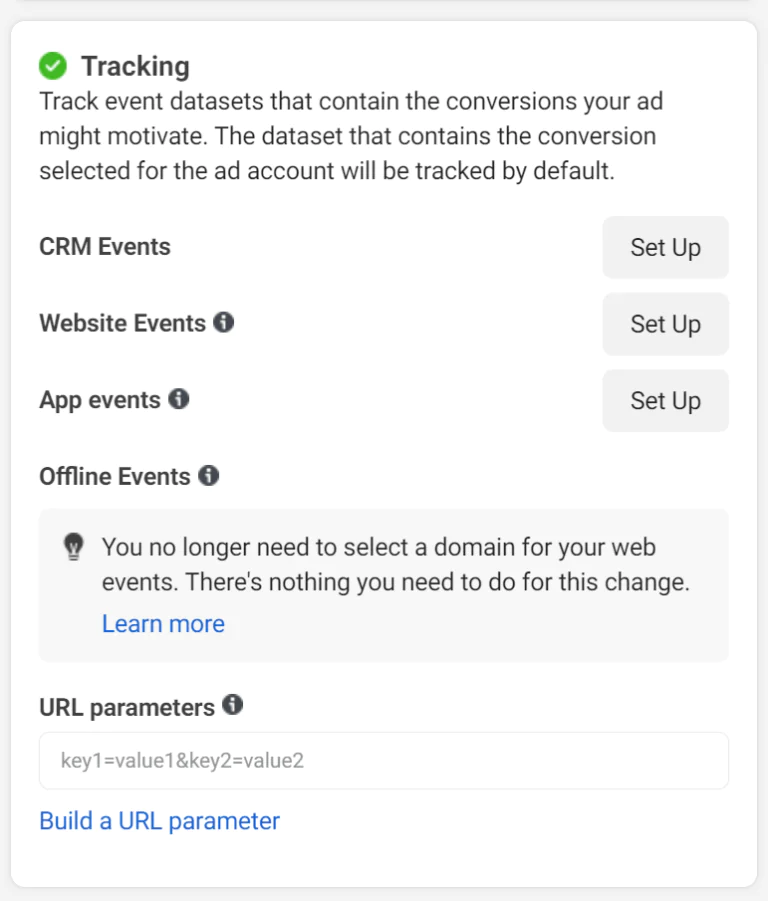
Double-check every setting, confirm tracking is live, then publish. From there, check performance regularly rather than letting the campaign run unattended — small adjustments early on tend to matter more than big overhauls later.
Strategies to Generate Leads on Facebook: 7 Best Techniques
These seven approaches cover the basics of building visibility and turning it into leads.
1. Creating a Facebook Business Page
Your Business Page functions as a storefront. Set one up at facebook.com/pages/create, add your logo, and write a short, clear description of what you do.
2. Optimizing Your Facebook Business Page
Fill in your business name, location, offerings, and contact details, and link back to your website so visitors have somewhere to go for more depth.
3. Rewarding Facebook Page Likes
Offering an incentive — a discount, an offer wall promotion — gives people a reason to follow your page rather than scroll past it.
4. Joining Industry-Related Facebook Groups
Participate in groups relevant to your field. Answering questions and joining conversations builds visibility and positions you as someone worth paying attention to.
5. Regular Posting and Interaction
Consistency matters more than volume. Post a mix of video, photos, and links, ask questions in captions, and respond when people comment — that back-and-forth is often where leads actually start.
6. Using Paid Advertising on Facebook
Paid ads extend your reach well past your existing followers. Define your target market first, then decide whether you’re promoting a product directly or asking people to register interest.
7. Analyzing Results and Making Adjustments
Once ads are running, dig into the data in Ads Manager — click-through rates, conversion rates, engagement — and use it to adjust rather than letting underperforming ads run on autopilot.
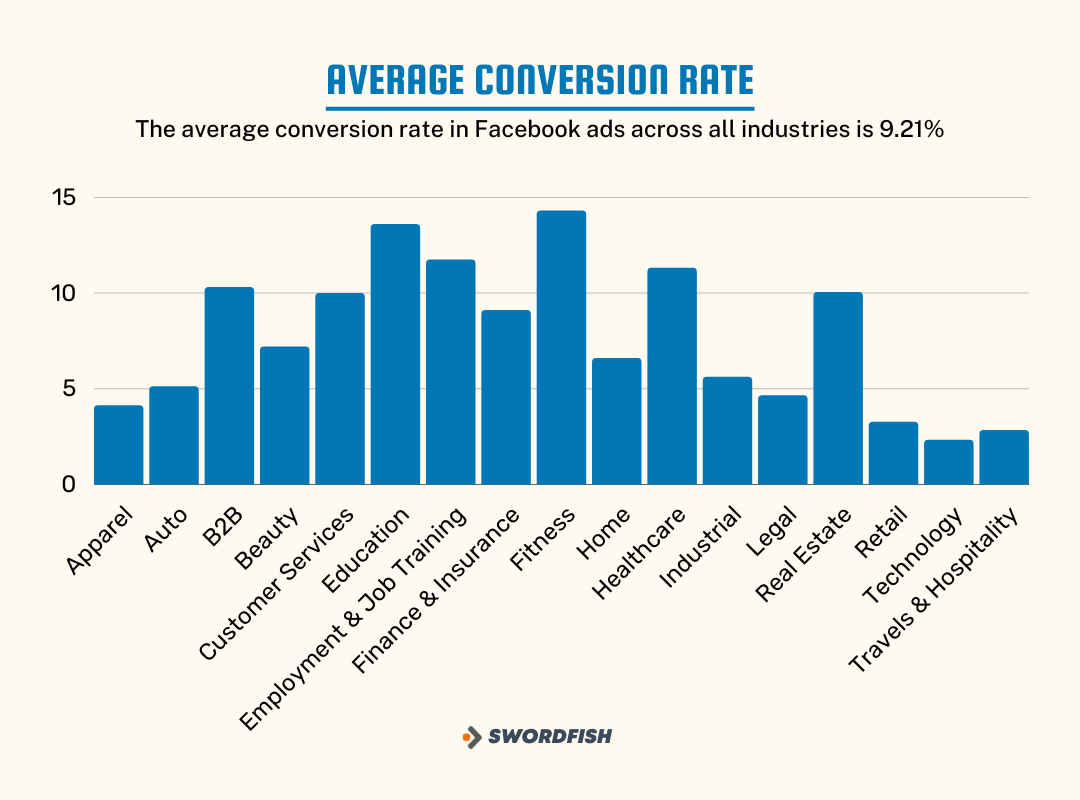
Worth noting: nearly 2 in 3 people visit the page of a local business or event at least once a week, which is a reminder of how central the platform still is for local discovery — and why regularly reviewing performance matters.
Facebook Instant Experience Forms for Lead Generation
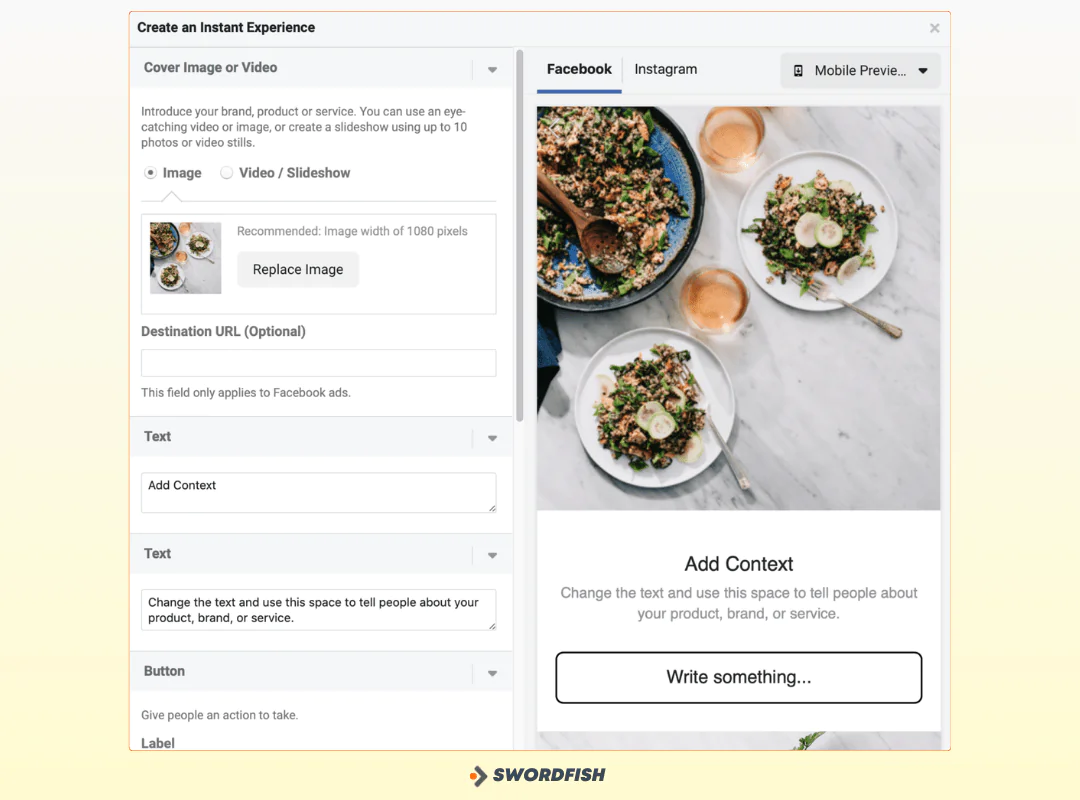
Instant Experience Forms keep users inside Facebook rather than sending them to an outside page, which removes a step that often causes drop-off.
How Instant Experience Forms Enhance Lead Generation
Higher Conversion Rates
Fewer steps generally means more completed forms — friction is one of the biggest reasons people abandon a signup halfway through.
Improved User Engagement
The interactive format tends to hold attention longer than a static form, which can translate into more qualified leads.
Faster Lead Capture
Since nothing routes off-platform, the whole process moves faster, which means your team can follow up sooner while the interest is still warm.
Increased Ad Relevance
Pairing the ad with a matching Instant Form keeps the experience consistent from click to submission.
Detailed Analytics
You get metrics like form completions, click-through rates, and cost per lead, which makes it easier to judge whether a campaign is actually working.
How to Use Facebook Instant Experience Forms For Lead Generation
Here’s the setup process in more detail:
Accessing Instant Experience Forms
Log into Ads Manager, go to Campaigns, and click “+ Create.” Under Campaign Objective, choose “Lead generation” and name the campaign something you’ll recognize later.
Creating Your Instant Experience
Click “Continue,” then choose to build a new Instant Experience rather than reuse an old one. Select “Create New” and pick “Instant Form.”
Customizing Your Instant Form
Give the form a descriptive name, then choose which fields to collect — name, email, phone number, and so on. Ask only for what you actually need; every extra field is a chance for someone to abandon the form.
Add custom questions relevant to your business if needed — a real estate company might ask about budget or preferred location, for example.
Include a link to your privacy policy. This isn’t optional if you want to stay compliant with data protection expectations.
Adding Content and Call-to-Action
Write a headline that states the value plainly, then a short description explaining what the person gets by submitting the form. Choose a CTA button that matches the action — “Sign Up,” “Download Now,” “Get Started.”
Configuring the Contact Form
Decide which fields are essential — name, email, phone, and any custom questions — and keep the list short. Asking for too much tends to cost you completions.
Implementing the Thank You Screen
Use the thank-you screen to confirm next steps and thank the person for their interest. A secondary CTA here — inviting them to your website or a specific offer — can extend the interaction a bit further.
Advanced Settings and Language Customization
Fine-tune submission and tracking settings, and make sure the language on the form matches how your brand actually talks to customers.
Worth keeping in mind: the largest age group on Facebook is 25-34, making up close to 30% of users, and the platform skews slightly male at 56% versus 44% female.
Finalizing and Reviewing the Ad
Do a final pass to confirm the content, form fields, budget, and targeting all line up with your goals before launch.
Accessing Leads and Integration Options
Once leads start coming in, you can retrieve them manually, route them through a CRM integration, or connect via the Facebook Marketing API for more automated workflows.
Tips for Effective Facebook Lead Generation
Facebook still accounts for a majority share of Meta’s overall ad revenue, per industry estimates, reinforcing that it remains the primary platform for both consumers and marketers within Meta’s family of apps.
Before launching any campaign, get specific about who you’re targeting — demographics, interests, behaviors — then apply these practices.
Utilize Lead Magnets
People spend an average of at least 30 minutes a day on Facebook, which gives you room to offer something worth their attention — an eBook, a webinar, a discount, a free trial — in exchange for contact details.
Create Compelling Content
Strong visuals, clear messaging, and a direct call-to-action do more for conversion than clever copy alone.
A/B Test Your Ads
Test formats, headlines, copy, and visuals against each other rather than assuming you already know what will resonate.
Use Dynamic Creative
Upload multiple images, headlines, and copy variations and let Facebook find the combinations that perform best for each user segment.
Include Trust Signals
Testimonials, reviews, awards, and certifications all help reassure a skeptical audience that you’re legitimate.
Optimize Landing Pages
Whatever page follows the ad should match its messaging and be easy to act on — mismatched expectations kill conversions fast.
Implement Facebook Pixel
The Pixel tracks on-site behavior and enables retargeting, which is often where the real return on a campaign shows up.
Engage with Comments and Messages
Respond promptly. A lead who gets ignored after commenting is a lead you’re likely to lose to a competitor.
Comply with Facebook Policies
Make sure your ads and lead generation practices follow Facebook’s advertising policies and terms of service — disapprovals cost you time and momentum.
Nurture Leads with Email Marketing
Once you’ve captured a lead, email is where the relationship actually develops. Send useful content and move people through the funnel deliberately rather than all at once.
Before running a Facebook outreach campaign, make sure you have reliable tools for lead generation and sales prospecting — whether that’s learning how to find email addresses from Facebook, sourcing direct dial phone numbers, working with the Facebook lead ads API, or using a prospector or reverse search tool.
Swordfish AI provides B2B contact information, including cell phone numbers and email addresses for executives, managers, and other decision-makers. Try Swordfish AI now.
 Try Swordfish Ai
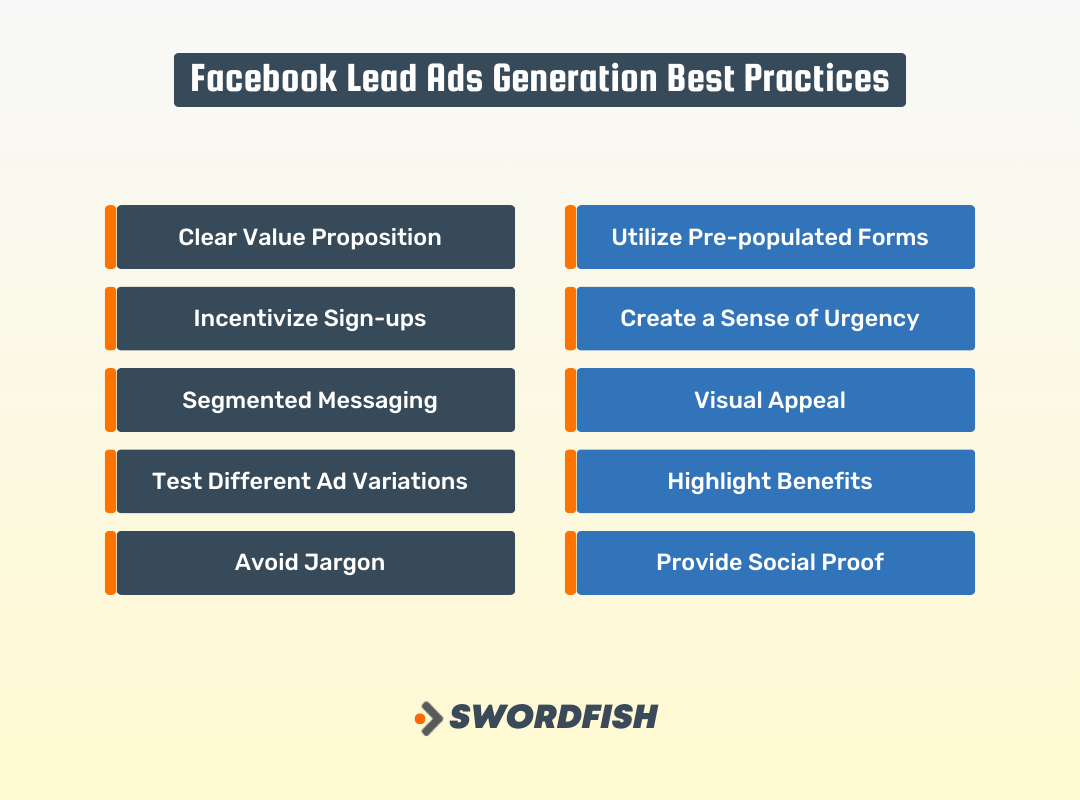
Facebook Lead Ads Generation Best Practices
A few practices worth building into every lead ad campaign:
-
Clear Value Proposition
State plainly what someone gains by signing up. Vague copy rarely converts.
-
Utilize Pre-populated Forms
Let Facebook’s pre-filled instant forms do the work of reducing friction — users shouldn’t have to type information they’ve already given the platform.
-
Incentivize Sign-ups
Discount codes, exclusive offers, and giveaways can meaningfully lift conversion rates.
-
Create a Sense of Urgency
Time-limited offers push people to act now instead of putting it off indefinitely.
-
Segmented Messaging
Tailor copy to the specific pain points or interests of each audience segment rather than using one message for everyone.
-
Visual Appeal
Strong visuals — images, video, or graphics aligned with your brand — are often what stops the scroll in the first place.
-
Test Different Ad Variations
A/B testing formats, headlines, copy, and visuals tells you what actually resonates instead of relying on assumptions.
-
Highlight Benefits
Whether it’s a discount, exclusive access, or useful content, make the payoff obvious.
-
Avoid Jargon
Plain language converts better than technical terminology, especially with a broad consumer audience.
-
Provide Social Proof
Testimonials, reviews, and user-generated content help build the trust that gets someone to act.
Successful Examples of Facebook Lead Ads That Worked
These examples worked because they communicated value clearly, offered a relevant incentive, and used Facebook’s lead ad format to make signing up nearly effortless — while targeting audience segments specific enough to matter.
Boux Avenue’s Discount Code Offer
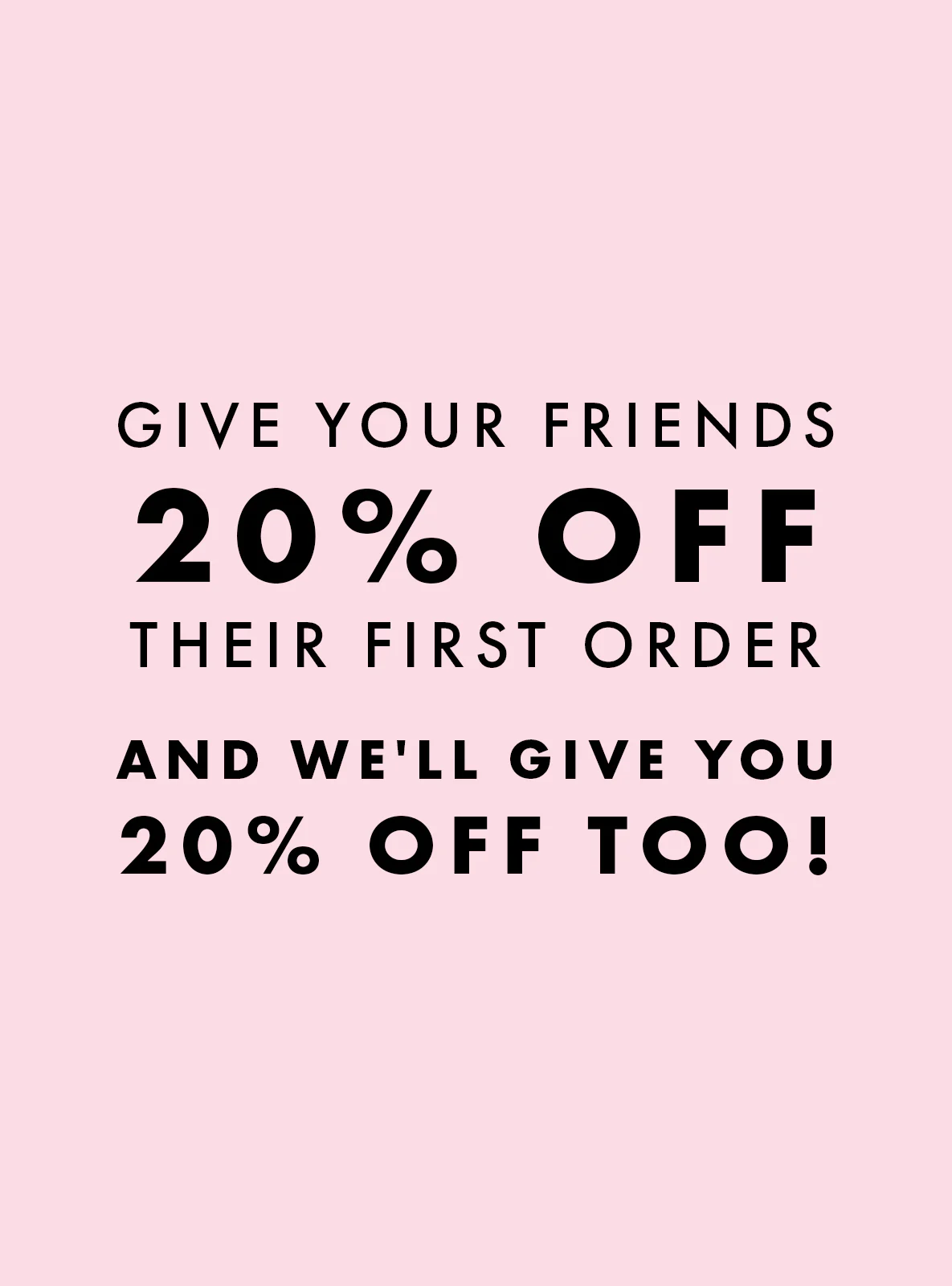
Boux Avenue, a garment retailer, offered 20% off a first order in exchange for a newsletter signup, pairing the immediate discount with an ongoing benefit.
Why it Worked:
- Clear Value Proposition: The ad clearly communicated the benefit of signing up (20% off) and receiving regular updates.
- Incentive for Action: Offering a discount code provided a strong incentive for users to take action.
- Simplicity and Convenience: The lead ad form was pre-populated, making it easy for users to sign up without leaving the platform.
Audi Denmark’s Car Test Drive Competition
Source: Audi Danmark
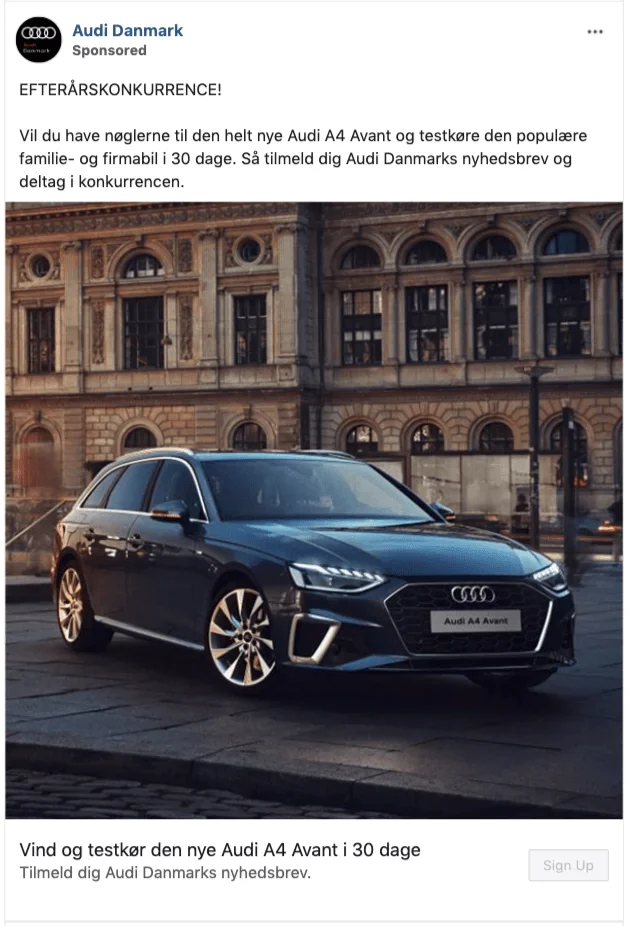
Audi Denmark ran a contest offering a 30-day test drive of a new car, with entry requiring a newsletter signup.
Why it Worked:
- Unique and Attractive Prize: Offering a 30-day test drive of a new car as a prize was highly appealing to Audi’s target audience.
- Relevance to Target Audience: The competition was targeted towards individuals interested in test driving cars, ensuring highly relevant leads.
- Clear Call-to-Action: The ad had a clear call-to-action prompting users to sign up for the newsletter and enter the competition.
Girlboss E-course Sign-up
Source: Girlboss
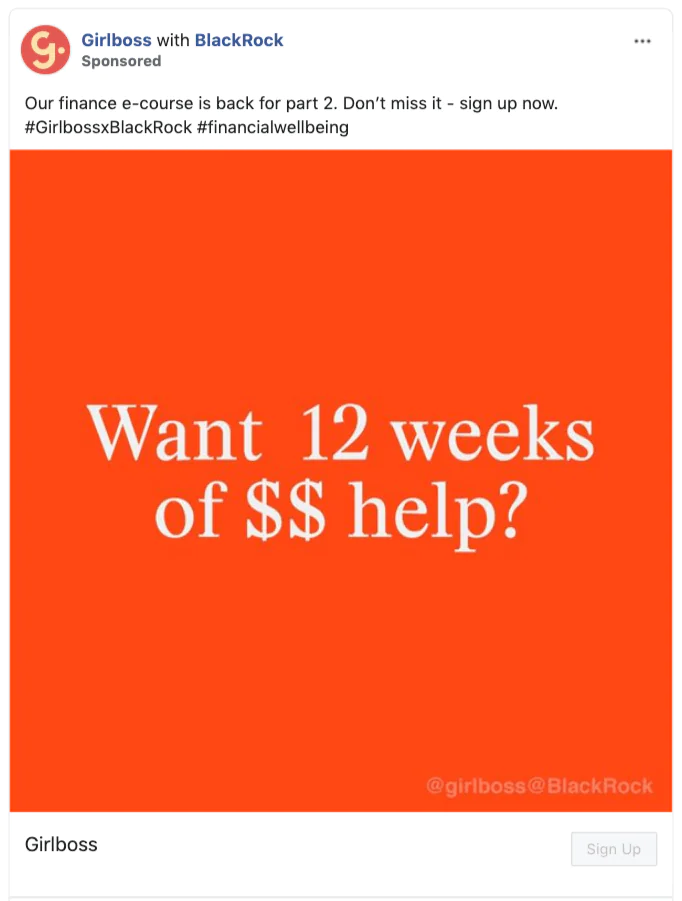
Girlboss partnered with a finance company on an e-course and used a lead ad to drive signups directly through Facebook’s instant form.
Why it Worked:
- Relevant and Valuable Content: Offering an e-course that aligns with their target audience’s interests provides high value.
- Engaging Visual and Question: The ad used an eye-catching visual and asked a question that resonated with their target audience, drawing attention.
- Simplified Sign-up Process: The lead ad made it easy for users to sign up without leaving the platform, reducing friction.
Airbnb’s Host Guarantee Program
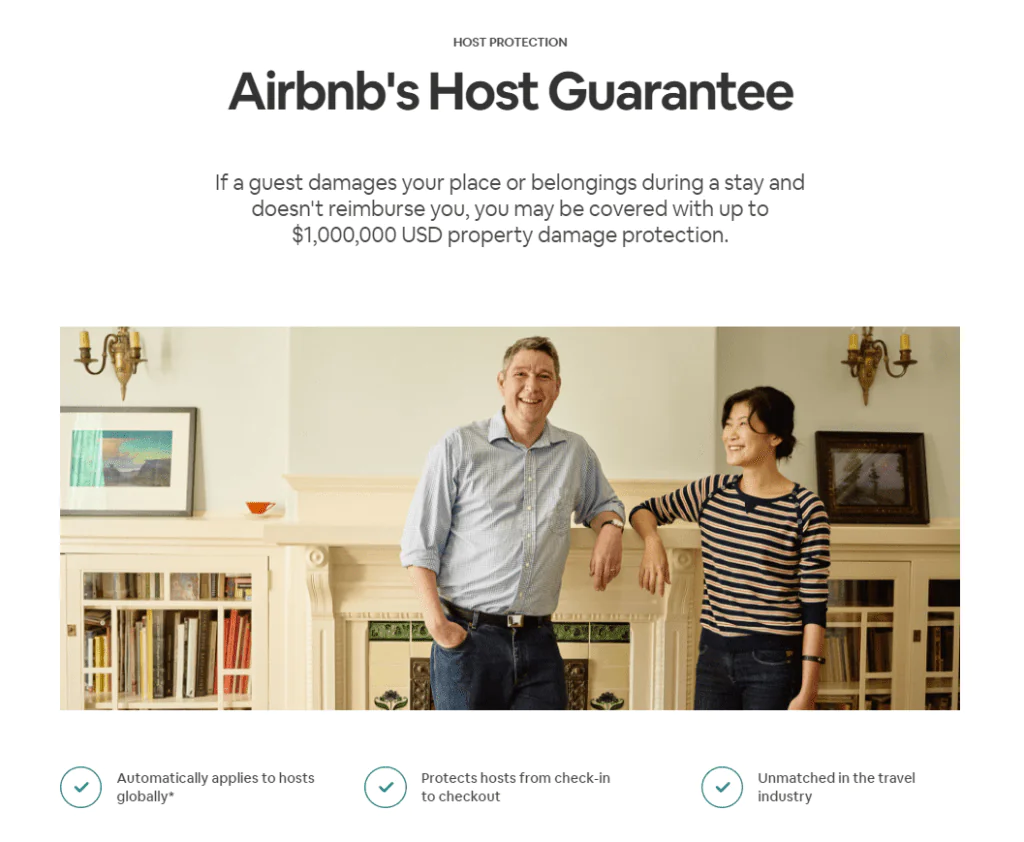
Source: Airbnb
Airbnb promoted its Host Guarantee Program, which protects hosts against property damage, with a clear call-to-action to learn more.
Why it Worked
- Clear Value Proposition: The ad effectively communicated the value of the Host Guarantee Program, providing peace of mind to potential hosts.
- Relevance to Target Audience: This lead ad targeted individuals interested in becoming Airbnb hosts, ensuring that the leads generated were highly relevant.
- Educational Content: The ad encouraged users to learn more about the program, which is an effective way to nurture leads through the sales funnel.
Shopify’s Free Trial Offer
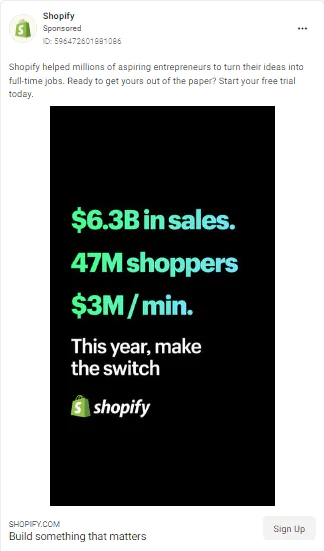
Source: Shopify
Shopify offered a free trial of its e-commerce platform, keeping the signup process simple and the value obvious.
Why it Worked:
- Valuable Incentive: Offering a free trial of their e-commerce platform provided a valuable incentive for potential users to take action.
- Simplified Sign-Up Process: The lead ad format allowed users to sign up directly on Facebook without the need for navigating to a separate website.
- Relevance to Target Audience: The ad targeted individuals interested in starting an online store, ensuring that the leads generated were likely to convert into users.
Conclusion
Getting the lead is only the first step. What determines whether it turns into revenue is how you follow up — delivering on what you promised, answering questions honestly, and staying present without becoming a nuisance.
Treat it as a relationship you’re building, not a transaction you’re closing. That approach earns trust, and trust is what eventually turns into conversions and referrals.
Above everything else, consistent and personalized follow-up is what separates lead generation that works from lead generation that just generates noise.
FAQs
Will other advertisers have access to my Lead Ad data?
No. Lead Ad data is provided exclusively to your Page administrators. Other advertisers running their own Lead Ads may collect similar information from the same users, but Facebook’s data policy governs how each advertiser’s submitted data is handled.
How is Lead Ad data handled by Facebook?
Lead data is confidential and managed under Facebook’s data policy. Businesses can download it in bulk within 90 days. After that window, message content is retained so both people and businesses can revisit conversations through the Pages Inbox or the Messenger API.
Who holds ownership of lead data provided in Messenger?
Data shared in Messenger falls under Facebook’s data policy. Advertisers can use that data according to their own privacy policy, as long as it complies with Facebook’s policies and applicable law.
How can I retrieve the leads data collected in Messenger?
You can download leads from Lead Ads through your Page or through a CRM partner integration. You can also continue conversations with leads via the Pages Inbox or a third-party messaging tool.
Sources retained from the original article: Meta earnings report.