
 View Products


Last updated: September 3, 2026
Finding a home or work address from just a name used to require a private investigator or a lot of luck. Now it’s a routine part of sales prospecting, recruiting, genealogy research, and even reconnecting with people you’ve lost touch with. The tools have changed, but the underlying skill — knowing where and how to look, and how to verify what you find — still matters.
This guide walks through why location data matters for outreach, the practical methods people use to find an address from a name, and how to do it without wasting time on stale or inaccurate results.
The Importance of Knowing The Location
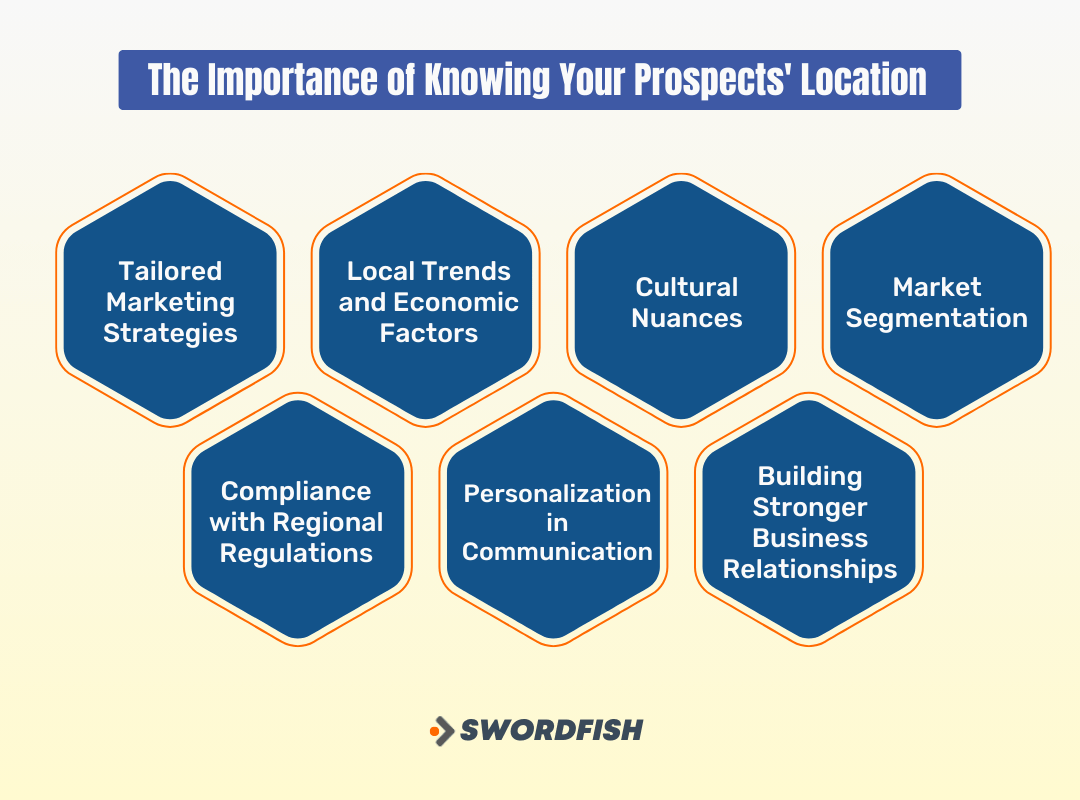
Knowing where your prospect lives isn’t just about geography. It shapes how and when you reach out, and whether your message lands. Here’s how location intelligence drives meaningful results:
Tailored Marketing Strategies
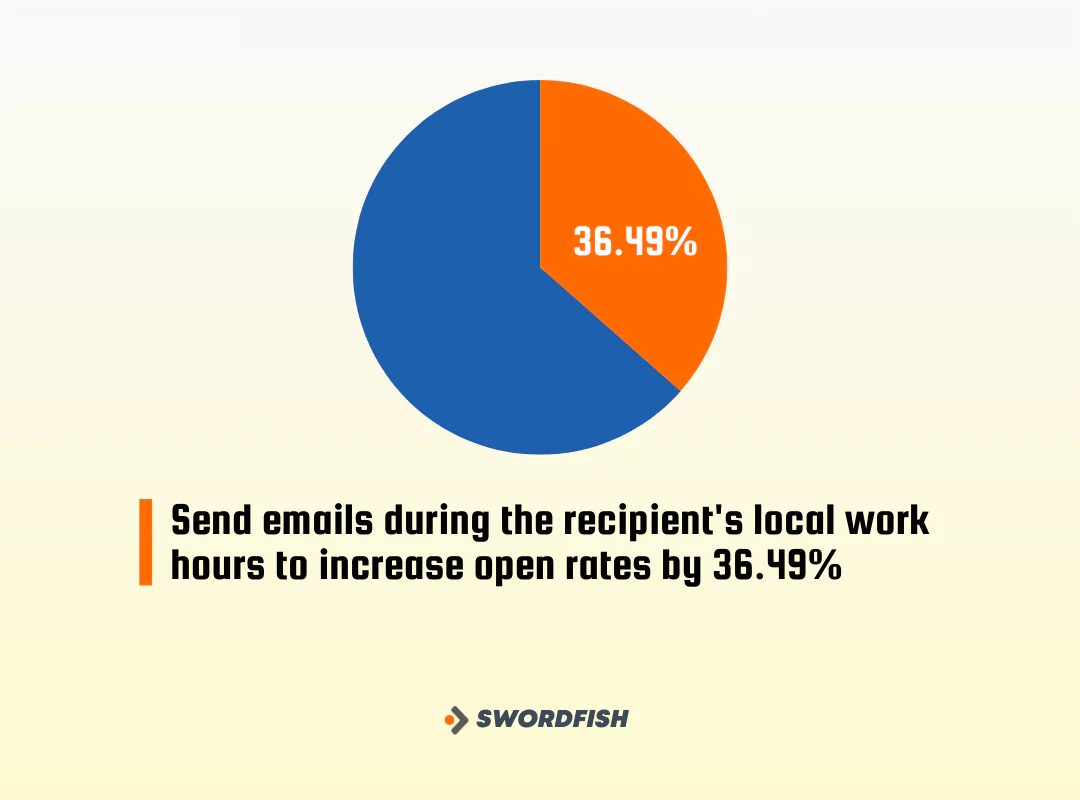
Understanding a prospect’s location lets a business time and customize outreach around local realities. Sending messages during a recipient’s local work hours, for instance, tends to outperform generic blast timing.
Local Trends and Economic Factors
Knowing the economic climate and prevailing trends in a prospect’s area allows for a more finely tuned sales approach. Tailoring a pitch to reflect local market conditions signals that a business is attentive and adaptable rather than running a one-size-fits-all script.
Paying attention to the specific needs of each customer can make an offer more attractive than generic alternatives. That attention to detail often changes how a potential customer perceives the value of what’s being sold.
Reconnecting with Personal Contacts
Being able to find an address from a name can be a useful way to rekindle old friendships or reconnect with family members. It bridges distance and helps renew relationships that faded over time.
Whether it’s sending a surprise letter, planning a reunion, or simply checking in, this capability plays a real role in maintaining personal connections.
Cultural Nuances
Recognizing and incorporating aspects of a prospect’s local culture when reaching out shows respect and awareness of their background.
A culturally informed approach strengthens engagement and helps build a relationship that goes beyond a simple transaction.
Market Segmentation
Geographical data allows for more precise market segmentation, which leads to better resource allocation and can reduce marketing costs.
Safety and Security
In certain situations, finding someone’s address matters for safety and security reasons.
If someone is missing or there are concerns about a person’s well-being, locating their address quickly can be important. Address information is also used in background checks or legal situations where confirming a person’s location is necessary.
This underscores why address lookups matter well beyond marketing — timely, accurate information can make a real difference.
Compliance with Regional Regulations
Following local marketing and privacy laws prevents legal exposure and builds trust and credibility with prospects by showing respect for their local rules.
Personalization in Communication
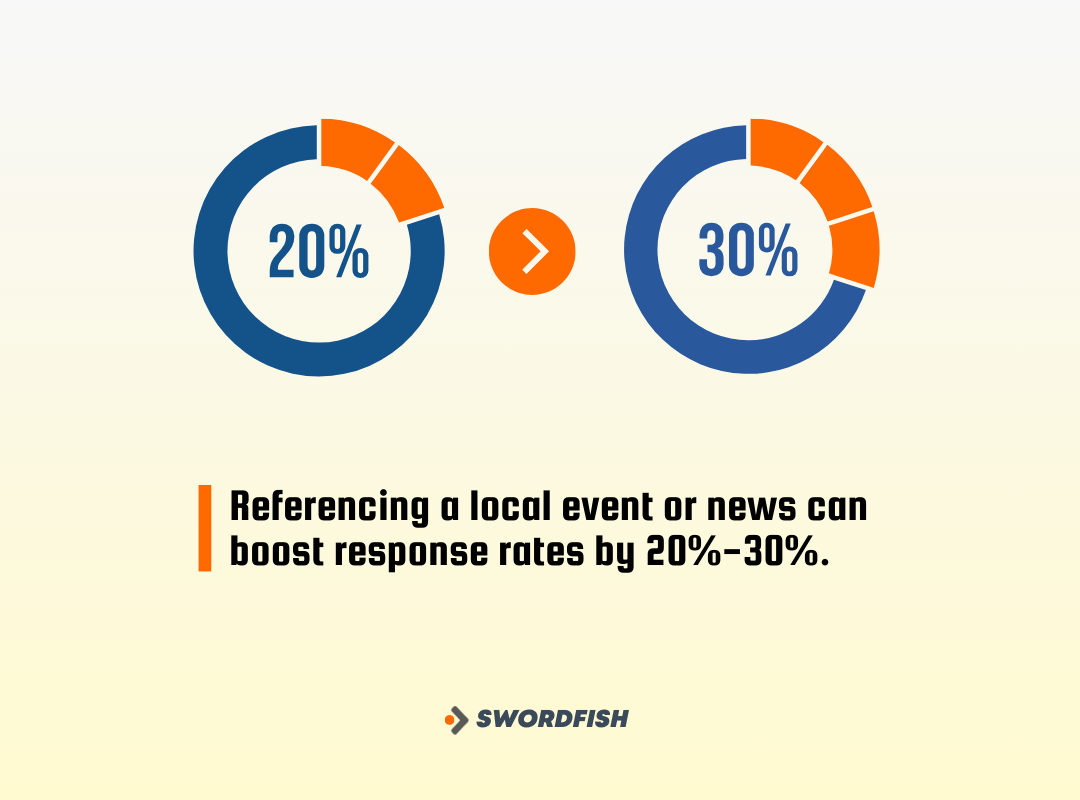
Referencing a local event or piece of news in outreach can meaningfully improve response rates, since it creates a connection beyond the purely digital.
Building Stronger Business Relationships
When prospects notice that a company has taken time to understand their locale, it can strengthen the business relationship and support long-term customer value.
Genealogical Research and Family History
Discovering addresses from names is also a valuable tool for genealogy and family history research. It lets people trace the geographical movements of their ancestors and build a deeper understanding of their family’s past.
This can uncover long-lost family stories, reveal migration patterns, and even connect distant relatives. For many people, this kind of research into their own heritage is both enlightening and deeply satisfying.
Overall, it helps people piece together their family’s history and understand their roots more clearly.
8 Ways to Find Address from Name to Re-Engage with Your Prospects
Reconnecting with prospects, old friends, family, or lapsed contacts often comes down to one piece of information: their current address. Here are strategic methods to find email address from name, so your re-engagement efforts land where they should:
Maximizing People’s Search Engine Potential
Platforms such as Swordfish, TruthFinder, Intelius, and Instant Checkmate go well beyond basic search. They aggregate information from public records and proprietary databases into a single lookup.
Entering a name into these services can surface more than a current address — sometimes exactly the detail that makes reconnecting with a B2B contact possible.
These platforms cross-reference multiple data layers to deliver more current and precise contact information, which is why they’re a common tool for marketers trying to re-engage cold leads.
For example, using a platform like Intelius, you enter the name “John Doe.” The search returns not only John’s current address but also his previous addresses, which can be useful if he’s changed jobs.
Note: Try out alternatives to intelius for more scope.
Community Message Boards and Forums
Online community boards and local forums can be surprisingly effective for finding addresses, especially in smaller communities or specific interest groups. Members often have historical knowledge or local insight and are usually willing to share it.
Suppose you’re trying to locate an old neighbor, Mr. Smith, from a small town you once lived in. Posting a query on a local community forum draws responses from long-time residents.
One of them remembers Mr. Smith and provides his new address in a nearby town, letting you reconnect.
Extracting Insights from Social Media
Social media platforms, particularly LinkedIn, aren’t just for networking — they’re a rich source of professional data.
A thorough search can surface a prospect’s location along with insight into their career path, current role, and employer, all of which is useful for crafting a re-engagement message that feels personal and timely.
On LinkedIn, for example, you find Sarah Smith’s profile. Along with her location, you notice her recent job change to a company that aligns with your service offering — a natural talking point for reconnecting.
Advanced Search Engine Techniques
Search engines are often the first stop in tracking someone down, but the real value comes from using advanced search techniques.
Using exact match searches — enclosing a prospect’s name in quotation marks — cuts through unrelated results and can surface an address faster.
This method often leads to personal or company websites, news articles, and other publications where an address might be listed.
Example: You search for “Michael Johnson” in quotation marks and add keywords related to his industry. This leads to a press release on a trade website listing his contact details, including a business address.
Using Public Library Resources
Public libraries remain an overlooked resource. They provide access to specialized databases, local archives, and historical records, including electoral rolls, which can be instrumental in finding addresses.
This method is especially useful for in-depth research or when digital methods come up short.
Example: Imagine you’re researching your family tree and need an ancestor’s address. Visiting your local library gives you access to historical electoral rolls and local history collections.
With a librarian’s help, you uncover your ancestor’s address from the 1940s — a crucial piece of the family history puzzle.
Looking into Public Records
Public records offer a wealth of data, though it often takes some digging to find it. Available through various government and public entities, these records include business registrations, patents, and real estate holdings.
They’re especially valuable when searching for addresses tied to business professionals, laying groundwork for outreach.
Example: By accessing public business registration records, you find the registered address of XYZ Corp, where your prospect, Lisa Chang, is a director — giving you a direct line to her professional location.
Exploring Alumni Networks
Alumni networks from universities and colleges aren’t just for reunions — they’re a solid resource for reconnecting. These networks often maintain up-to-date directories, including addresses, of former students.
This is particularly useful for finding old classmates, building professional connections, or tracking down subject-matter experts.
Suppose you want to reconnect with a college friend, Jane Doe. Accessing your university’s alumni network turns up her current address and contact details.
That gives you what you need to send a personalized message or event invitation, making the reconnection feel natural rather than random.
Networking with Purpose
Your existing professional network might be the most underused asset you have. Reaching out to mutual contacts or industry peers can often get you contact information directly.
This method relies on the strength of professional relationships and the willingness of your network to help.
Example: You reach out to a mutual connection on LinkedIn who knows your prospect, David Lee. That connection shares David’s current work email and office location, enabling a direct re-engagement.
How to Find Someone’s Address for Free with Reverse Address Lookup Sites
Finding someone’s address is often a legitimate personal or professional need. Here’s how to use reverse address lookup resources effectively, whether paid or free:
Use Paid Reverse Address Lookup Services
For more accurate results, consider premium services like BeenVerified. Paid tools typically offer higher accuracy, no artificial search limits, more comprehensive records, detailed data including previous residences and phone numbers, and customer support when a search comes up empty.
Free Address Lookup with Online Directories
Free online directories such as PeopleFinder, Spokeo, and Whitepages can turn up basic address information. Choose a directory, review the results carefully, and verify the accuracy of the data before acting on it.
Always respect privacy when using this information.
Free Address Lookup With Public Record Search
Government databases, such as property records or voter and property registration lists, can be searched directly.
These databases reflect information collected by local, regional, and national governments, though access and completeness vary by jurisdiction and public records laws.
Free Address Lookup With Social Media
Social media platforms can also work for free address lookups. Profiles on Facebook or LinkedIn often include location information.
Use social media to find potential friends or relatives of the person as an alternate path to confirming a location.
Free Address Lookup with Government Websites
Government websites in various countries offer free address lookup services. Use any site available to you and verify the information obtained against a second source.
Free Address Lookup with GPS or Maps Applications
Mapping applications like Google Maps, Apple Maps, or Waze can help confirm an address once you have a lead. Enter the address or the person’s name with the city and state, and review the results for accuracy.
Free Address Lookup with Real Estate Websites
Real estate websites like Zillow, Redfin, or Realtor.com can also be used for free address lookups. Search by address or name and city/state, then review the property details provided.
Free Address Lookup with Direct Contact
The most traditional method is directly contacting friends, relatives, or colleagues of the person. This approach requires a close relationship or a legitimate reason for requesting the address. Alternatively, search for specialized email lists or directories relevant to the profession. To reach real estate agents directly, for example, look for realtors’ email addresses and connect with them personally.
Use Swordfish AI to Find Address from Name
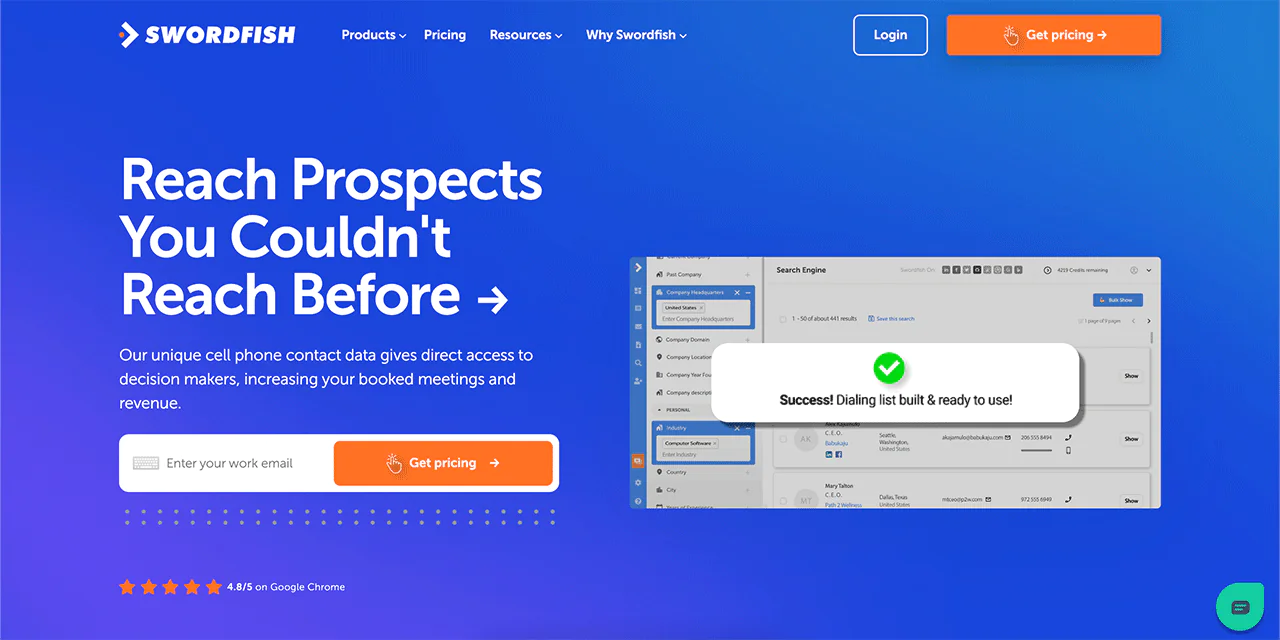
Swordfish AI is built for efficiently finding and reconnecting with contacts. Here’s a look at its key features:
Precision Platform
Swordfish AI focuses on detailed and accurate information, which matters when outreach depends on reaching the right individual rather than a similarly named stranger.
That precision improves the overall effectiveness of contact searches.
Speed of Operation
The platform’s ability to quickly surface verified addresses is a real advantage. In scenarios where timing matters, that speed lets users act on re-engagement opportunities before they close.
Ease of Integration
Swordfish AI is designed to integrate with a variety of popular platforms and CRM systems. That compatibility simplifies collecting and managing contact information as part of an existing workflow rather than a separate task.
Adherence to Compliance
With data privacy laws carrying more weight than ever, Swordfish AI is built with attention to compliance. Working with a resource that takes these regulations seriously matters for protecting your business and maintaining trust with your contacts.
Dedicated Customer Support
The platform is backed by customer support, so users have somewhere to turn when a search doesn’t go as expected. That support helps users get full value out of the platform’s features.
 Try Swordfish Ai
Conclusion
Being able to find an address from a name is a genuinely useful skill in an interconnected world. Whether the reason is personal, professional, or security-related, having the right tools and methods to locate someone using just their name saves time and effort.
Doing it well means drawing on online directories, social media, public records, and specialized search tools together rather than relying on any single source. Respecting privacy and legal boundaries throughout is not optional — it’s what keeps this kind of research legitimate, whether you’re reconnecting with old friends, verifying an identity, or conducting outreach.
As the tools improve, the process gets faster and more accessible. The gap between a name and an address keeps shrinking, but doing it responsibly still requires attention to ethics and privacy at every step.
FAQs
Is it legal to find someone’s address from name?
Generally, using publicly available information for business purposes, including re-engagement campaigns, is legal. However, you need to comply with applicable privacy laws and regulations such as GDPR or CCPA, depending on your location and the location of the people you’re contacting.
How accurate are the addresses found through these methods?
Accuracy varies significantly by source. Professional databases that are regularly refreshed tend to be more reliable, while public directories or networking sites can carry outdated information.
What should I do if I can’t find an address?
If an address proves elusive, try reaching out through email or social media to establish contact instead. Alternatively, use a service that specializes in finding business contact information.