
 View Products


Key takeaways
- An internal medicine contact list can be segmented by specialty and location to make outreach more targeted.
- The article describes contact fields such as name, email address, location, specialization, and phone number.
- Before using a list, ask how the data was sourced, verified, and updated.
- A provider’s claims about compliance do not remove the buyer’s responsibility to assess applicable rules.
- Relevant, well-curated contacts may be more useful than a larger list with less precise targeting.
Last updated: September 3, 2026

Internal medicine is one of the largest physician specialties in the country, which means a generic search rarely gets you to the right contact. Whether you’re a recruiter, a pharmaceutical rep, or a CME provider, finding the specific internist or subspecialist you need takes more than guesswork.
Swordfish AI offers targeted internal medicine contact lists intended to help make outreach more focused and efficient.
Below, we cover how Swordfish AI compiles this data, what to check before you buy a list, and how to put it to work once you have it.
About Swordfish Internal Medicine Email Lists: What’s in It for You?
Swordfish AI is a data platform built to make outreach and networking more efficient and targeted. For anyone working in or around internal medicine, that translates into a few practical advantages:

- Immediate Access: You get direct email addresses of professionals in internal medicine, simplifying your ability to connect with prospective partners, clients, or job opportunities directly.
- Efficiency: Searching for contacts one by one is time-consuming. Our list puts hundreds or even thousands of relevant contacts at your fingertips instantly.
- Reliability: Our commitment to data integrity means you’ll utilize a list with up-to-date and verified emails, so your outreach effort isn’t wasted on dead contacts.
- Expand Your Network: Broaden your professional network by connecting with fellow practitioners, joining groups, or finding mentors.
- Marketing and Outreach: If you have a product, service, or message relevant to the internal medicine community, a well-built email list is one of the more direct ways to reach it.
Types of Data Included in Internal Medicine Mailing Lists:
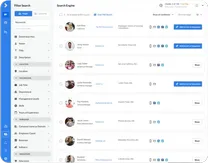
- Name of internal medicine professional
- Location
- Contact Numbers (Work, Cell, Mobile)
- Email Address
- Specialization
- Years of Experience
- Sole Proprietor Status
- Licensed States
- License Number
- Fax
- Address
 Try Swordfish Ai
Who’s Included in Our Internal Medicine Email List by Specialization?
Internal medicine is a broad field, and outreach may be more relevant when you can target a specific area. The directory lists categories such as general internal medicine, cardiology, gastroenterology, and oncology.
How Do We Compile and Verify Our Internal Medicine Mailing List?
Building a usable list isn’t a one-time scrape. It’s an ongoing process with several distinct steps:

Collecting Data
Swordfish AI says it gathers information from sources such as medical directories, professional associations, healthcare conferences, and public records. Before using a list, check how its data was sourced and whether that use is permitted.
Verification
Once we have initial data, we verify it using both automated tools and manual checks to confirm accuracy. This includes verifying email addresses, phone numbers, and current employment status.
Updating Information
Healthcare professionals may move, retire, or change specialties. Swordfish AI says it updates its database to reflect these changes; ask how often records are reviewed.
Categorization by Specialization
We categorize contacts by area of specialization. Whether you need cardiologists, endocrinologists, or another type of internal medicine specialist, you can filter for them directly.
Compliance Checks
Swordfish AI says it works to align its mailing list with applicable privacy laws and regulations. Buyers should independently assess their own legal obligations before using contact data.
Feedback Loop
We maintain a feedback mechanism so users can flag inaccuracies. That input feeds directly into our ongoing verification process.
Why Choose Swordfish AI’s Internal Medicine Email Database?
A few things distinguish our approach to building this database:

Vast Database
Swordfish AI says its data profiles span billions of records. Ask how many records are available for your target specialty and location, and how recently they were verified.
Cell Phone Verification
Swordfish AI says it uses a dedicated process to verify cell phone numbers. Ask what the verification covers and when it was last performed.
Proprietary Matching Algorithms
Our cell phone matching technology is built for precision targeting, whether you’re reaching a narrow group of internal medicine subspecialists or running broader outreach.
Law Compliance
Swordfish AI says it prioritizes compliance with relevant laws and regulations when managing its database. A provider’s processes do not replace your responsibility to assess the rules that apply to your outreach.
Up-to-date Information
Swordfish AI says it regularly updates its database because medical contact details can change. Ask the provider about its update schedule and how it handles inaccurate records.
Feedback-Driven Updates
User feedback shapes ongoing improvements to our verification process and data accuracy.
What Should You Consider When Getting an Email List of Internal Medicine?
Not every list is built the same way, and the differences matter once you’re actually running a campaign. Here’s what to check before you commit:

Precision and Timeliness
Confirm the list is refreshed frequently. Outdated contact details waste effort and can hurt how your brand is perceived.
Origin of the List
Ask how the data was compiled and whether the provider can explain its sourcing methods. Also check what responsibilities remain with you when using the data.
Legal Compliance
Check which privacy and email-marketing rules apply to your campaign, including GDPR or CAN-SPAM where relevant. Do not assume that buying a list establishes permission to contact its recipients.
Targeted Segmentation
Make sure the list supports segmentation by criteria like specialty within internal medicine, location, and experience level, so you can personalize outreach at scale.
Emphasis on Quality
A list’s value comes from relevance, not raw size. A smaller, well-curated list of the right professionals usually outperforms a larger, less specific one.
Validation Techniques
Ask how the provider verifies contact details, how often records are checked, and how it handles errors. Verification methods and results can vary.
Who Can Benefit from the Internal Medicine Email Address List?
An internal medicine contact list is useful to a range of organizations trying to reach this specialty. A few examples:

Pharmaceutical Companies
These companies can use the list to promote new drugs, clinical trials, and medical devices relevant to internal medicine practitioners, reaching a targeted audience with advancements relevant to their practice.
Medical Equipment Manufacturers
Manufacturers can inform internal medicine specialists about new devices and technology used to diagnose, monitor, and treat conditions more effectively.
Continuing Medical Education (CME) Providers
Organizations offering CME courses can promote educational opportunities that help internal medicine professionals stay current and maintain their certifications.
Healthcare Recruiters
Recruiters specializing in healthcare can use the list to identify potential candidates for open positions across hospitals, clinics, and other medical facilities.
Medical Publications
Journals and magazines focused on healthcare can use the list to expand readership among internal medicine professionals, including calls for papers or subscription promotions.
How Can You Make the Most of Internal Medicine Email Lists Effectively?
Owning a good list is only half the job. Getting results depends on how you use it:

Segment Your Audience
Divide your list based on criteria like specialization within internal medicine, geographic location, practice size, or interest areas. This supports more personalized communication and better engagement.
Craft Personalized Content
Use segmentation data to tailor content to each group’s needs. Personalization goes beyond a name; it means content that speaks to a recipient’s professional interests.
Provide Value
Make sure your emails offer genuine value, whether educational content, industry insights, updates on new technologies, or exclusive opportunities. That builds trust and positions your brand as a credible source.
Respect Privacy and Consent
Follow the email-marketing rules that apply to your campaign. Check whether you have an appropriate basis to contact each recipient, identify your organization clearly, and provide a clear way to unsubscribe or manage preferences where required.
Optimize for Mobile
Many professionals check email on their phones. A responsive, easily readable design improves the experience and the odds of engagement.
Use Clear and Compelling Calls-to-Action (CTAs)
Guide recipients toward a specific next step, whether registering for a webinar, downloading a resource, or visiting your site. Clear CTAs convert better than vague ones.
Conclusion
Internal medicine email lists are a practical tool for reaching a large and varied specialty efficiently. Their real value comes down to accuracy and how current the data is kept.
For businesses looking to engage internal medicine professionals, maintaining an updated, carefully segmented list matters more than raw volume.
Swordfish AI says it offers access to a verified, regularly updated internal medicine contact database. Before purchasing or using it, confirm what verification and update practices apply to the records you need.
Frequently Asked Questions
What is an internal medicine email list?
An internal medicine email list is a curated collection of email addresses belonging to professionals in the field of internal medicine, including general internists and specialists in areas like cardiology, gastroenterology, and oncology.
How can I measure the success of my email marketing campaigns to internal medicine professionals?
Use KPIs such as open rates, click-through rates, conversion rates, and unsubscribe rates. Analyzing these metrics helps you understand engagement and refine future campaigns.
What types of content are most effective for campaigns targeting internal medicine professionals?
Content that adds real value, such as industry research, educational materials, and technology advancements, tends to perform best. Personalizing content to match a recipient’s specialty and interests further increases engagement.