
 View Products


Last updated: September 3, 2026
TL;DR: Finding accurate dentist email addresses matters for healthcare marketers and B2B companies selling into dental practices. A verified dental clinics email list connects you directly with dental professionals across the US, cutting down on bounce-driven waste and improving campaign response. With segmentation by specialty, location, and practice size, you can reach orthodontists, periodontists, and general dentists without wasting outreach on the wrong contacts. Swordfish AI provides verified contact data built for this kind of targeted outreach.
What is a Dentists Email List?
A dentists email list (also called a dental clinics mailing list) is a database containing contact information for dental professionals and practices nationwide. This typically includes dentist email addresses, phone numbers, mailing addresses, specializations, years of experience, and licensing details.
For healthcare marketers, dental equipment suppliers, pharmaceutical companies, and B2B service providers, having access to a reliable dentist email database means you can bypass gatekeepers and reach decision-makers directly. Rather than cold calling front desk staff and hoping your message gets forwarded, you’re aiming at the people who actually make purchasing decisions for a practice.
The dental sector remains a large market for B2B outreach, and the workforce continues modest growth. The Bureau of Labor Statistics projects dentist employment to grow about 4% from 2024 to 2034, with roughly 4,500 openings a year driven mostly by retirements and replacement needs rather than pure job growth. But growth projections aside, success in outreach depends on data quality — which is where most companies run into trouble.
Why Accurate Dental Clinic Email Lists Matter
Outdated or inaccurate contact data undermines marketing campaigns before they start. Here’s what businesses face without verified dentist mailing lists:
Wasted Marketing Budget: Bad data quietly eats into budgets industry-wide. When dental practices close, relocate, or change email addresses, your campaigns bounce — along with the money spent building and sending them.
Poor Deliverability Rates: Email bounces damage your sender reputation with ISPs like Gmail and Outlook. Once your domain gets flagged, even legitimate emails start landing in spam folders, and the effect can ripple across your entire email program.
Missed Opportunities: The dental market moves fast. New practices open, existing ones expand, and dentists switch specialties or locations. Without regularly refreshed data, you’re marketing to yesterday’s landscape while competitors reach today’s opportunities.
Compliance Risks: Healthcare-adjacent data comes with regulatory exposure. HIPAA violations, GDPR non-compliance, and CAN-SPAM Act penalties can carry significant fines. Using unverified lists from questionable sources adds legal risk on top of wasted spend.
Segmentation compounds the value of clean data. When you pair accurate contact information with smart targeting by specialty and practice type, you’re not just reaching more dentists — you’re reaching the right ones with messages relevant to their day-to-day decisions.
What’s Included in Swordfish AI’s Dental Clinics Email List
Swordfish AI’s dental clinic mailing list provides contact data built for outreach campaigns. Here’s what’s typically included:
Contact Information
- Personal and Business Email Addresses: Both primary contact emails and alternate addresses where available
- Direct Dial Phone Numbers: Skip the receptionist and reach dentists directly
- Cell Phone Numbers: For urgent outreach or SMS campaigns
- Mailing Addresses: Physical practice locations for direct mail integration
- Fax Numbers: For practices that still use traditional fax communications
Professional Details
- Physician Name: Full name with proper credentials (DDS, DMD, etc.)
- Specialization: Specific dental focus (general dentistry, orthodontics, periodontics, endodontics, etc.)
- Years of Experience: Career length to target seasoned practitioners or recent graduates
- Licensed States: Where each dentist is authorized to practice
- License Numbers: For verification and compliance purposes
Practice Information
- Practice Name: Official business name of the dental clinic
- Practice Size: Solo practitioners vs. group practices vs. DSOs (Dental Support Organizations)
- Sole Proprietor Status: Ownership structure for targeting decision-makers
- Geographic Location: City, state, ZIP code for hyper-local targeting
This depth of information enables more sophisticated segmentation than a basic directory listing. Instead of sending generic messages to every dentist in a region, you can build a campaign for orthodontists in California with 10+ years in practice, or pediatric dentists in New York running solo practices.
Dentist Email List by Specialization
Not all dentists are the same — their needs, budgets, and purchasing priorities vary by specialty. Here’s who’s typically covered in a dentist email database and what tends to matter to them:
General Dentists: The backbone of dental care, handling preventive care, fillings, crowns, and routine procedures. They’re a common target for general dental supplies, patient management software, and marketing services.
Orthodontists: Specialists in teeth alignment and jaw correction. Relevant offers include clear aligners, braces systems, 3D imaging technology, and patient retention tools.
Periodontists: Focus on gum disease treatment and dental implants. They need specialized surgical instruments, bone graft materials, and implant systems.
Endodontists: Root canal specialists requiring microscopes, rotary endodontic systems, and specialized filling materials.
Oral Surgeons: Perform extractions, jaw surgery, and complex procedures. They’re in the market for surgical equipment, anesthesia supplies, and advanced imaging systems.
Pediatric Dentists: Specialize in children’s dental care. Relevant offers include child-friendly equipment, behavior management tools, and practice décor.
Prosthodontists: Experts in dental prosthetics, dentures, and cosmetic restoration. They need CAD/CAM systems, lab partnerships, and aesthetic materials.
Oral Pathologists: Diagnose oral diseases. A relevant audience for diagnostic tools and laboratory services.
Dental Hygienists: While not dentists, hygienists often influence purchasing decisions for preventive care products and patient education materials.
Segmentation by specialty keeps your message relevant. A periodontist has little use for orthodontic wire, but a new implant system is worth their attention.
How Swordfish AI Compiles and Verifies Dental Clinics Mailing Lists
Data quality separates effective campaigns from wasted budgets. Here’s the general verification approach:
1. Multi-Source Data Collection
Information is aggregated from a range of sources, including:
- American Dental Association (ADA) databases
- State dental licensing boards
- Healthcare directories (Healthgrades, Zocdoc, Vitals)
- Professional dental associations
- Trade show attendance records
- Dental conference participant lists
- Government and public records
- Website scraping with GDPR compliance
2. Real-Time Email Verification
Email addresses go through multi-step validation:
- Syntax Checking: Ensures proper email format
- Domain Verification: Confirms the email domain exists and accepts mail
- Mailbox Validation: Verifies the specific mailbox exists without sending emails
- Spam Trap Detection: Filters out honeypot addresses that damage sender reputation
- Disposable Email Detection: Removes temporary email services
3. Phone Number Validation
Phone connectivity is checked in real time:
- Live Line Detection: Confirms the number is active and answering
- Carrier Identification: Identifies landline vs. mobile
- Do Not Call Registry Cross-Reference: Flags numbers on DNC lists
4. Regular Updates and Maintenance
Dental practices change constantly, so ongoing maintenance includes:
- Updating the database on a regular cadence
- Monitoring practice closures and relocations
- Tracking specialty changes and new certifications
- Removing deceased practitioners
- Updating email addresses when practices migrate providers
5. User Feedback Integration
When clients report inaccuracies, the issue gets investigated and the database is corrected. That feedback loop is part of how data quality improves over time.
6. Compliance Auditing
Records go through compliance checks covering:
- HIPAA regulations for protected health information
- GDPR requirements for international contacts
- CAN-SPAM Act provisions for email marketing
- State-specific privacy laws
Why Choose Swordfish AI’s Dentist Email Database?
Accuracy and Deliverability Focus
Verified contact data with replacement support for bounced emails or disconnected numbers, rather than a static list you’re left to troubleshoot on your own.
National Coverage
Dental professional contacts spanning all 50 states, useful for running local campaigns or national outreach with the same underlying data source.
Regular Data Refresh
The database is updated on an ongoing basis, with critical changes reflected as they’re identified, so you’re not working from a stale export.
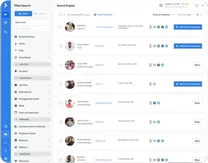
Advanced Segmentation Options
Filter by:
- Geographic location (state, city, ZIP code)
- Dental specialty
- Years in practice
- Practice size and ownership structure
- License status
- Patient volume estimates
User-Friendly Formats
Download your dentist mailing list in:
- CSV for easy import into CRM systems
- Excel for manual review and analysis
- TXT for developer-friendly integration
- API access for automated list building
Dedicated Customer Support
Support can help you:
- Select the right filters for your campaign
- Integrate list data with your marketing stack
- Troubleshoot any data quality issues
- Optimize targeting based on campaign results
What to Consider When Buying a Dental Clinics Mailing List
Not all dentist email lists are created equal. Ask these questions before purchasing:
1. How Often Is the Data Updated?
Dental practices change rapidly. Lists updated quarterly or monthly are reasonable — anything older is already going stale. Ask for documentation of update frequency.
2. What’s the Verification Process?
Providers should be able to explain exactly how they verify emails and phone numbers. Vague answers like “we check our data regularly” are a red flag. Look for documented, multi-step verification.
3. What’s the Data Source?
Ethical providers collect data from public sources, professional directories, and opt-in channels. Be cautious of lists sourced from unconsented scraping or bought from brokers with unclear provenance.
4. Is the List GDPR and HIPAA Compliant?
Healthcare-adjacent data carries regulatory weight. Your provider should offer compliance documentation and explain how they handle international contacts, especially EU residents.
5. Do Records Include Consent Status?
For email marketing, you need permission-based contacts or a legitimate interest justification. Cold emailing without any basis risks violating CAN-SPAM in the US and GDPR in Europe.
6. Can You Segment the List?
Generic “all dentists” lists waste money. You need segmentation by specialty, location, practice size, and other factors relevant to your offering.
7. What’s the Replacement Policy?
Reputable providers replace bounced emails and disconnected numbers. A “no refunds, no replacements” policy is a signal of low-quality data.
8. Can You Test a Sample First?
Request a sample of 50-100 contacts before buying a full list, and test it for accuracy rather than taking a provider’s claims at face value.
Who Benefits from Using a Dentist Email Address List?
Dental Equipment Manufacturers and Suppliers
Companies selling dental chairs, X-ray machines, sterilization equipment, hand instruments, or consumables like gloves and masks need direct access to practice decision-makers. A dental clinic mailing list puts product demos and offers directly in front of dentists who control purchasing budgets.
Pharmaceutical Companies
Manufacturers of dental medications, fluoride treatments, local anesthetics, and prescription products can target dentists by specialty, since periodontists need different medications than general dentists.
Dental Laboratory Services
Labs offering crowns, bridges, dentures, and implant prosthetics can market directly to dentists who outsource these services, targeting by practice size to find high-volume clients.
Practice Management Software Providers
Companies offering scheduling systems, patient communication platforms, billing software, and EHR solutions need to reach practice owners and office managers, often filtering for solo practitioners and small group practices most open to new technology.
Dental Insurance Companies
Insurance providers can use dentist contact lists to recruit in-network providers, promote new coverage plans, and maintain provider relationships.
Continuing Education Providers
Organizations offering CE courses, webinars, and certification programs need to reach dentists seeking credits to maintain their licenses, segmented by years in practice and specialty.
Marketing Agencies Specializing in Healthcare
Agencies offering SEO, social media management, patient acquisition, and reputation management services can pitch dental practices struggling with visibility and patient flow.
Staffing and Recruitment Agencies
Agencies placing dental hygienists, dental assistants, and front office staff can reach practices with hiring needs, targeting by practice size and growth indicators.
Financial Services Providers
Companies offering practice loans, equipment financing, merchant services, and practice acquisition financing can target dentists at various career stages, from new graduates to retiring practitioners.
Real Estate Professionals
Commercial real estate agents helping dentists find or sell practice locations benefit from direct access to dentists considering expansion or relocation.
How to Use Your Dentist Mailing List Effectively
Having accurate data is just the starting point. Here’s how to get more out of it:
1. Segment Ruthlessly
Don’t email your entire list with generic messages. Build segments like:
- New practices (opened within 12 months) for startup equipment packages
- Established practices (10+ years) for upgrade and replacement equipment
- High-volume practices for bulk supply contracts
- Specialty-specific offers that address unique pain points
2. Personalize Beyond “Dear [First Name]”
Real personalization references:
- The dentist’s specialty and how your product solves specialty-specific problems
- Local market conditions (e.g., “Serving patients in [City]”)
- Practice size and structure
- Years in practice (newer dentists need different solutions than veterans)
3. Provide Educational Value First
Dentists are busy professionals who ignore obvious sales pitches. Lead with value:
- Industry trends and statistics
- Case studies from similar practices
- How-to guides and best practices
- Free tools, calculators, or assessments
Build trust before asking for the sale.
4. Multi-Channel Approach
Email is powerful, but combine it with:
- LinkedIn outreach: Connect professionally and share content
- Direct mail: Stand out in a digital-first world with a well-designed mail piece
- Phone follow-up: For high-value prospects, personal calls convert better
- SMS campaigns: For time-sensitive offers (with proper consent)
5. Test and Optimize Continuously
A/B test:
- Subject lines (curiosity vs. benefit-driven vs. question-based)
- Email length (short and punchy vs. detailed and comprehensive)
- CTA placement and wording
- Send times (Tuesday-Thursday mornings typically perform best)
- Personalization levels
Track open rates, click-through rates, and conversion rates to refine your approach.
6. Timing Matters
Understand the dental buying cycle:
- Budget planning happens in Q4 for many practices
- New equipment purchases often coincide with fiscal year starts
- Tax season influences major purchase decisions
- Avoid sending sales emails during major holidays or dental conferences when inboxes overflow
7. Build Long-Term Relationships
One-off campaigns rarely work. Plan nurture sequences:
- Welcome series: Introduce your company and establish credibility
- Education series: Share valuable content over weeks or months
- Product showcase series: Highlight different features or use cases
- Customer success stories: Show social proof from similar practices
- Re-engagement campaigns: Win back inactive subscribers
8. Respect Inbox and Comply with Laws
Nothing kills a campaign faster than being flagged as spam:
- Always include a clear unsubscribe option
- Honor opt-out requests immediately
- Don’t use misleading subject lines
- Include your physical business address
- Identify your email as an advertisement when required
Common Mistakes to Avoid When Using Dental Mailing Lists
1. Buying the Cheapest List
Low prices often mean low quality. Saving a small amount on a cheap list costs far more when your campaigns fail to deliver. Invest in verified, regularly updated data.
2. Ignoring Data Hygiene
Even the best lists degrade over time. Run your list through email verification tools periodically. Remove hard bounces immediately and monitor soft bounces.
3. Blasting Generic Messages
“Dear Dentist” emails read as mass marketing and get deleted. Personalize based on specialty, location, and practice characteristics.
4. Neglecting Mobile Optimization
A majority of emails are now opened on mobile devices. If your emails don’t render properly on smartphones, you lose a large share of your audience before they even read the message.
5. Sending Too Frequently
Bombarding dentists with daily emails drives unsubscribes. Find the right cadence — typically 2-4 emails per month for cold prospects, weekly for engaged subscribers.
6. Forgetting to Track Results
You can’t improve what you don’t measure. Use UTM parameters, track conversions, and analyze which segments, messages, and offers perform best.
7. Failing to Follow Up
Most B2B sales require multiple touchpoints. Don’t give up after one email. Plan several touch points over a few months for cold prospects.
Dental Industry Context for Smarter Marketing
A few workforce and market data points are useful for shaping targeting and timing decisions. The Bureau of Labor Statistics projects dentist employment to grow about 4% from 2024 to 2034, with roughly 4,500 job openings a year, driven mainly by workers retiring or leaving the field rather than new demand alone. Equipment and technology purchases tend to follow predictable cycles tied to practice age, fiscal year planning, and tax timing — factors worth building into your outreach calendar rather than treating every dentist as a cold, undifferentiated contact.
Free vs. Paid Dentist Email Lists: What’s the Difference?
Free Dentist Email Lists
Pros:
- Zero upfront cost
- Good for small-scale testing
- Readily available from directories
Cons:
- Extremely limited data (usually just names and practice addresses)
- No email verification
- Missing phone numbers and detailed information
- Outdated information (directories update slowly)
- No segmentation options
- No customer support
- Shared by thousands of marketers (everyone else is emailing the same contacts)
Bottom line: Free lists work for preliminary research or building a small local list manually. They’re not viable for serious marketing campaigns.
Paid Dentist Email Lists
Pros:
- Verified email addresses and phone numbers
- Regular updates and data freshness
- Comprehensive contact information
- Advanced segmentation options
- Customer support and list customization
- Replacement guarantees for bad data
- Compliance documentation
Cons:
- Upfront cost per contact
- Requires vetting providers for quality
Bottom line: For any serious B2B marketing effort, paid lists from reputable providers tend to deliver far better returns than the time and money spent chasing free data.
How to Build Your Own Dentist Email List (DIY Approach)
If you prefer building your list internally, here’s how:
1. Web Scraping Dental Directories
Tools like Phantom Buster, Import.io, or custom scripts can extract contact data from:
- State dental association websites
- Healthcare directories (Healthgrades, Vitals, Zocdoc)
- Google Maps business listings
- Dental practice websites
Important: Respect robots.txt files and website terms of service. Scraping may violate GDPR and other privacy laws if done improperly.
2. LinkedIn Prospecting
Use LinkedIn Sales Navigator to:
- Search for dentists by specialty and location
- Export profile data (within LinkedIn’s terms)
- Connect and build relationships
- Request email addresses through messaging
LinkedIn connections often convert better than cold emails because you’ve established some rapport first.
3. Trade Show and Conference Attendance
Dental conferences like the ADA Annual Meeting, Chicago Dental Society Midwinter Meeting, and specialty conferences offer:
- Attendee lists (sometimes provided to exhibitors)
- Badge scanning opportunities
- Direct networking with decision-makers
The downside? Conferences are expensive and time-consuming.
4. Content Marketing and Lead Magnets
Create valuable content (ebooks, whitepapers, webinars, tools) that dentists want. Promote through:
- Google Ads targeting dental keywords
- LinkedIn Sponsored Content
- Facebook ads to dental practice owners
- Guest posting on dental industry blogs
Exchange the content for email addresses. These self-opted contacts often convert better than purchased lists.
5. Partnership and Co-Marketing
Partner with complementary businesses serving dentists. For example:
- Dental software companies
- Dental continuing education providers
- Dental industry consultants
Cross-promote to each other’s lists for mutual benefit.
DIY Reality Check: Building a high-quality list of 10,000+ dentists internally can take many months of dedicated effort. For most companies, buying a verified list and focusing internal resources on campaign strategy delivers better ROI.
Email Marketing Best Practices for Dentists
Dentists are busy professionals with overflowing inboxes. Stand out with these tactics:
Subject Line Strategies
What works:
- “Dr. [Last Name], reduce chair time by 30% with [Product]”
- “Your patients are asking about [Trending Treatment]”
- “How [Similar Practice] increased case acceptance by 40%”
- “[City] dentists: New regulation affects you”
What doesn’t work:
- “Special offer inside!!!”
- Generic greetings without personalization
- ALL CAPS or excessive punctuation
- Misleading claims
Email Body Structure
- Attention-grabbing opening: Reference a pain point or opportunity
- Quick credibility: Mention clients, results, or credentials
- One clear value proposition: Don’t overwhelm with multiple offers
- Social proof: Case study snippet or testimonial
- Clear call-to-action: One primary CTA button
- P.S. section: Reiterate urgency or add bonus offer
Optimal Send Times
General patterns worth testing:
- Best days: Tuesday, Wednesday, Thursday
- Best times: 8-10 AM (before patient appointments) or 6-8 PM (after hours)
- Worst times: Monday mornings (catch-up mode), Friday afternoons (weekend mode), weekends
Test with your specific audience, but these guidelines provide a starting point.
Legal Compliance: HIPAA, GDPR, CAN-SPAM
Healthcare-adjacent marketing has legal landmines. Stay compliant:
HIPAA Compliance
What HIPAA covers: Protected Health Information (PHI) about patients — not dentist contact information itself.
Your obligations:
- Don’t share patient data or treatment information
- If working with patient lists for recall campaigns, ensure proper safeguards
- Dentist contact info (from public sources) isn’t PHI
GDPR Compliance
What GDPR covers: Personal data of EU residents, including business contact information.
Your obligations:
- Don’t market to dentists in the EU without consent or legitimate interest
- Provide clear privacy policies and opt-out options
- Honor data deletion requests within 30 days
- Document your legal basis for processing
Swordfish AI note: Our lists exclude EU-based individuals for GDPR compliance.
CAN-SPAM Act Compliance
Key requirements:
- Don’t use deceptive subject lines
- Identify the message as an ad
- Include your valid physical postal address
- Tell recipients how to opt out
- Honor opt-outs within 10 business days
Penalties can run into the tens of thousands of dollars per violation, so this isn’t a section to treat casually.
CCPA Compliance (California)
Your obligations:
- Disclose what data you collect and how you use it
- Allow California residents to opt out of data sales
- Don’t discriminate against users who exercise privacy rights
Swordfish AI note: We’re fully CCPA compliant and registered as a data broker.
Integrating Your Dentist Email List with Marketing Tools
Maximize efficiency by connecting your list with existing tools:
CRM Integration
Import your dentist contact list into:
- Salesforce: Use data import wizard, map fields correctly
- HubSpot: Import contacts and enrich with company data
- Pipedrive: Create custom fields for dental specialty and practice size
- Zoho CRM: Automate lead scoring based on dentist characteristics
Proper CRM integration enables:
- Automated follow-up sequences
- Sales team coordination
- Activity tracking and reporting
- Lead scoring and prioritization
Email Marketing Platforms
Upload your list to:
- Mailchimp: Create segments, design campaigns, track performance
- Constant Contact: Use healthcare-compliant templates
- SendGrid: For high-volume transactional emails
- ActiveCampaign: Advanced automation and personalization
Marketing Automation
Connect with platforms like:
- Marketo: For enterprise-level lead nurturing
- Pardot: B2B-focused marketing automation
- Eloqua: Complex, multi-touch campaigns
Data Enrichment
Enhance your list with additional data:
- Clearbit: Add firmographic data about practices
- ZoomInfo: Append additional contact methods
- LinkedIn Sales Navigator: Add social profiles
How Companies Typically Use Dentist Email Lists
Equipment Supplier Scenario
A dental equipment manufacturer struggling to reach dentists directly — with sales reps spending hours cold calling front desk staff who screened calls — can instead target general dentists in practices roughly 5-15 years old, a common equipment replacement window.
Typical campaign approach:
- Send an educational email series about equipment ROI and financing options
- Follow up with direct mail brochures to engaged recipients
- Have sales reps call only dentists who clicked equipment spec sheets
Key insight: Combining email with phone follow-up for engaged prospects tends to improve conversion rates more than either channel alone.
Software Provider Scenario
A cloud-based dental practice management software company targeting solo practitioners and small practices (2-5 dentists), who typically lack enterprise IT resources, might run a trial-based campaign:
- Offer a free trial via email
- Send automated onboarding emails during the trial
- Provide live webinar training
- Follow up with personalized calls from the customer success team
Key insight: Targeting by practice size tends to improve product-market fit — solo practitioners often convert at meaningfully higher rates than larger practices for tools built with them in mind.
Get Started with Swordfish AI’s Dentist Email List Today
Stop wasting time and budget on outdated, unverified dental contact data. Swordfish AI delivers the coverage and support you need to run campaigns that actually reach decision-makers.
Whether you’re selling dental equipment, marketing practice management software, recruiting dental professionals, or offering any B2B service to dental practices, a verified dentist email list gives you the foundation for outreach that works.
Start your free trial today and see how Swordfish AI supports healthcare marketers with contact intelligence.
Start Free Trial • Request Demo • View Pricing
Conclusion
A quality dentist email list is a strategic asset, not just a marketing tool — it opens a direct line into a large, purchasing-heavy sector. With accurate contact data on dental professionals nationwide, your outreach shifts from spray-and-pray to precision-targeted engagement.
The difference between success and failure comes down to data quality. Outdated lists kill campaigns, damage sender reputation, and waste budget. Verified, regularly updated lists from Swordfish AI aim to get your messages to the right inboxes, at the right time, with the right offers.
Whether you’re running your first dental outreach campaign or optimizing an existing program, combining accurate contact data with smart segmentation, personalized messaging, and multi-channel follow-up is what drives measurable ROI. Start with a free trial, test the data quality with a sample, and see how a verified list changes your outreach.
Ready to improve your dental marketing campaigns? Get your verified dentist email list from Swordfish AI today.
About the Author
Ben Argeband is the Founder and CEO of Swordfish.ai and Heartbeat.ai. With deep expertise in data and SaaS, he has built two successful platforms trusted by over 50,000 sales and recruitment professionals. Ben’s mission is to help teams find direct contact information for hard-to-reach professionals and decision-makers, providing the shortest route to their next win. Connect with Ben on LinkedIn.
Frequently Asked Questions About Dental Clinics Email List
Q: How much does a dentist email list cost?
A: Pricing varies by provider and list size, typically priced per verified contact. Swordfish AI offers competitive pricing with volume discounts.
Q: Can I customize my dentist mailing list?
A: Yes. Swordfish AI offers a range of segmentation filters including specialty, location, practice size, years in practice, and more, so you can build a custom list around your target audience.
Q: How often is the data updated?
A: The database is updated on a regular basis, with critical changes reflected as they’re identified, to keep contact information current.
Q: Is it legal to email dentists from a purchased list?
A: Yes, when done correctly. Business-to-business email marketing is generally permissible under CAN-SPAM as long as you:
- Don’t use deceptive subject lines
- Include a clear unsubscribe option
- Honor opt-out requests promptly
- Include your physical business address
Q: What’s the difference between a dentist email list and a dental clinic list?
A: A dentist email list focuses on individual practitioners, while a dental clinic list includes practice-level information. Swordfish AI provides both individual dentist contacts and clinic/practice details.
Q: Can I get a sample before buying?
A: Yes. Contact the team to request a sample of contacts to verify data quality before committing to a full purchase.
Q: Do you offer unlimited email lists?
A: Swordfish AI offers various plans including unlimited access options for qualifying use cases.
Q: What’s your replacement policy for bad data?
A: Swordfish AI offers replacement credits for bounced emails or disconnected phone numbers verified within 30 days of purchase.
Q: Can I use the list for cold calling?
A: Yes. Lists include verified phone numbers. However, check the National Do Not Call Registry and respect state-specific telemarketing laws.
Q: How do I integrate the list with my CRM?
A: Lists are provided in CSV, Excel, and TXT formats compatible with all major CRM systems. Support can assist with integration questions.