
 View Products


Last updated: September 3, 2026

Building an email list from scratch, without a big budget or an existing website, is one of the most common hurdles for small teams and solo marketers. The tools below range from pure email finders to full-featured lead databases, and each one has a free tier worth testing before you commit to a paid plan.
This guide walks through ten providers that let you build a free email list, what each one actually does well, and where the limits of their free plans show up. Use it to shortlist a tool rather than to pick blindly.
What is an Email List?
An email list is a collection of email addresses gathered from people who have opted in to receive communications, whether that’s a newsletter, a promotional offer, an announcement, or other content from a business or individual.
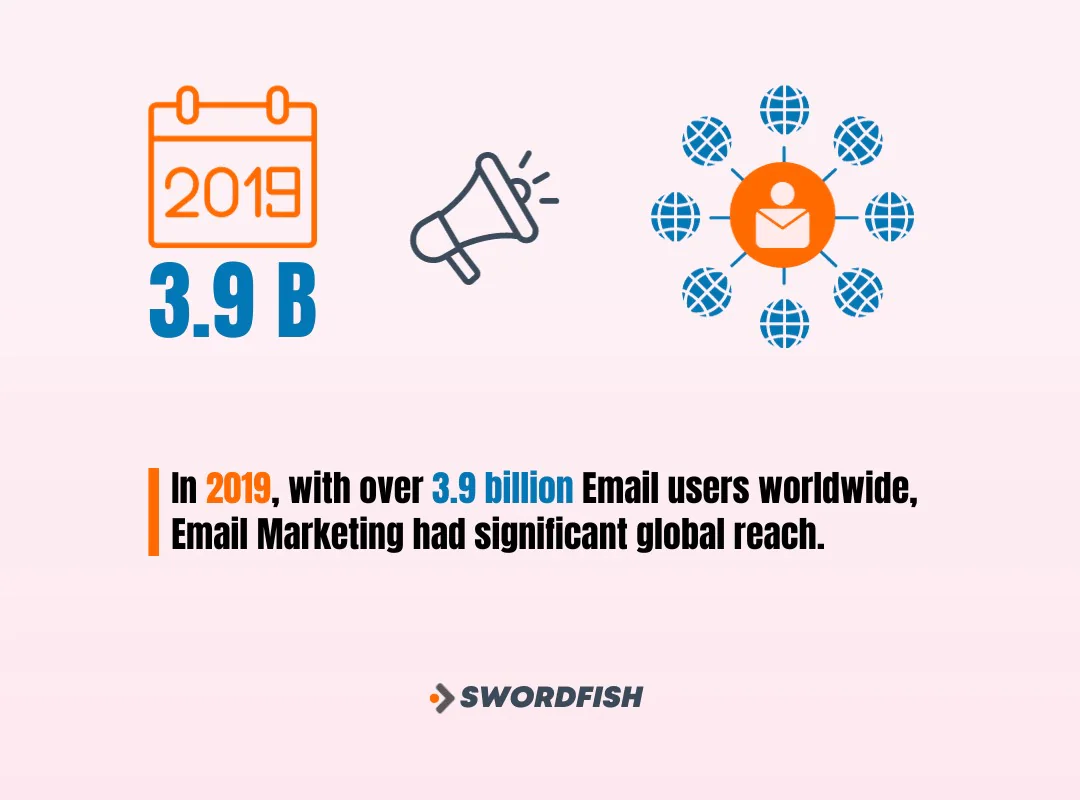
Email remains one of the largest communication channels in the world, and for marketers that scale matters: a bigger addressable audience means more room to test messaging and segment by interest or behavior.
For businesses, an email list is more than a spreadsheet of addresses. It’s a direct line to prospects and customers that doesn’t depend on a platform’s algorithm deciding whether your content gets seen.
That direct access is exactly why a well-maintained list still outperforms most other channels for driving repeat engagement and conversions, especially when attention is split across so many apps and feeds.
Why Should You Create an Email List?
A free email list isn’t just a shortcut around ad spend. It’s an asset you own and control, unlike a social following that a platform can restrict at any time.
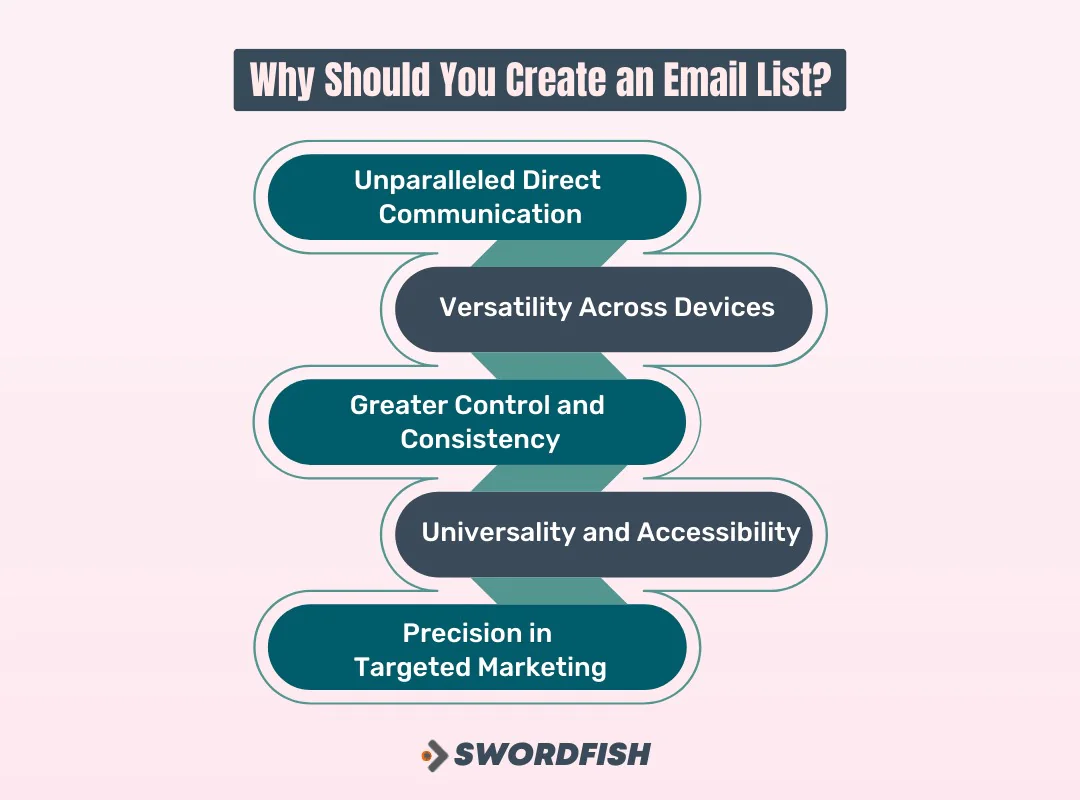
Unparalleled Direct Communication
Email lands directly in a recipient’s inbox rather than competing for visibility in a crowded feed.
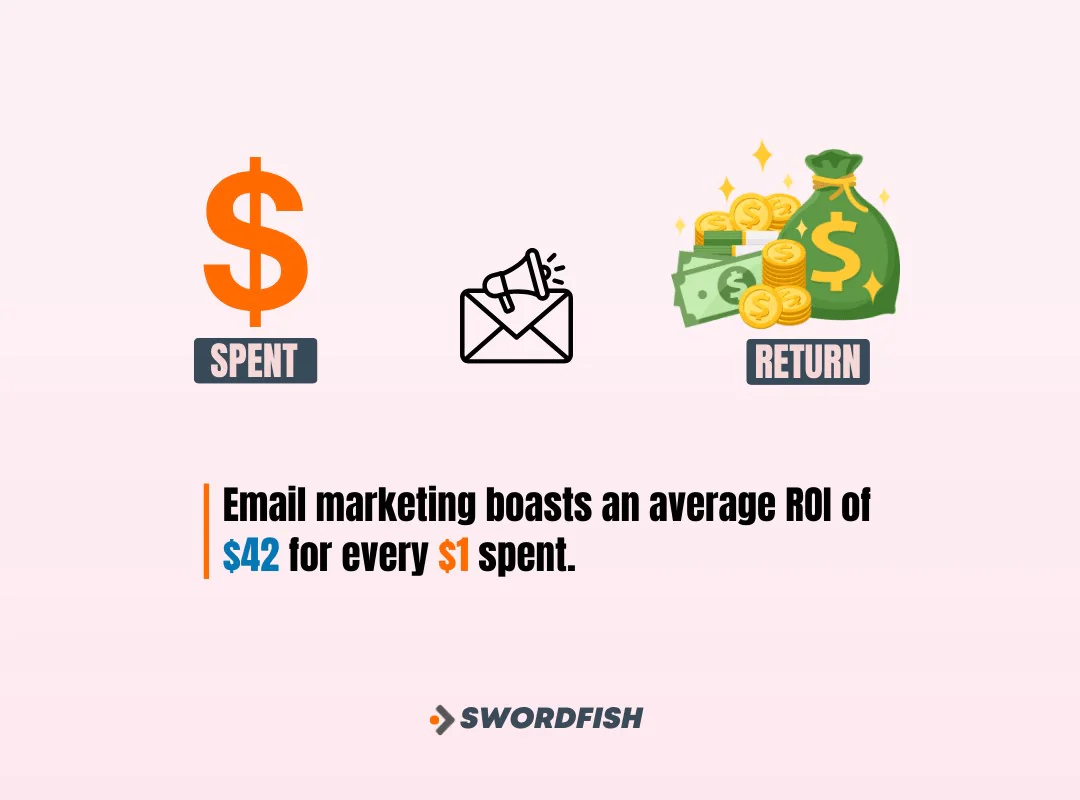
Return-on-investment figures for email marketing vary by year and source. Campaign Monitor once put the figure at $42 for every $1 spent, and more recent industry benchmarks from Litmus tend to cite a somewhat lower but still strong figure. Either way, email consistently ranks among the highest-ROI marketing channels available.
Versatility Across Devices
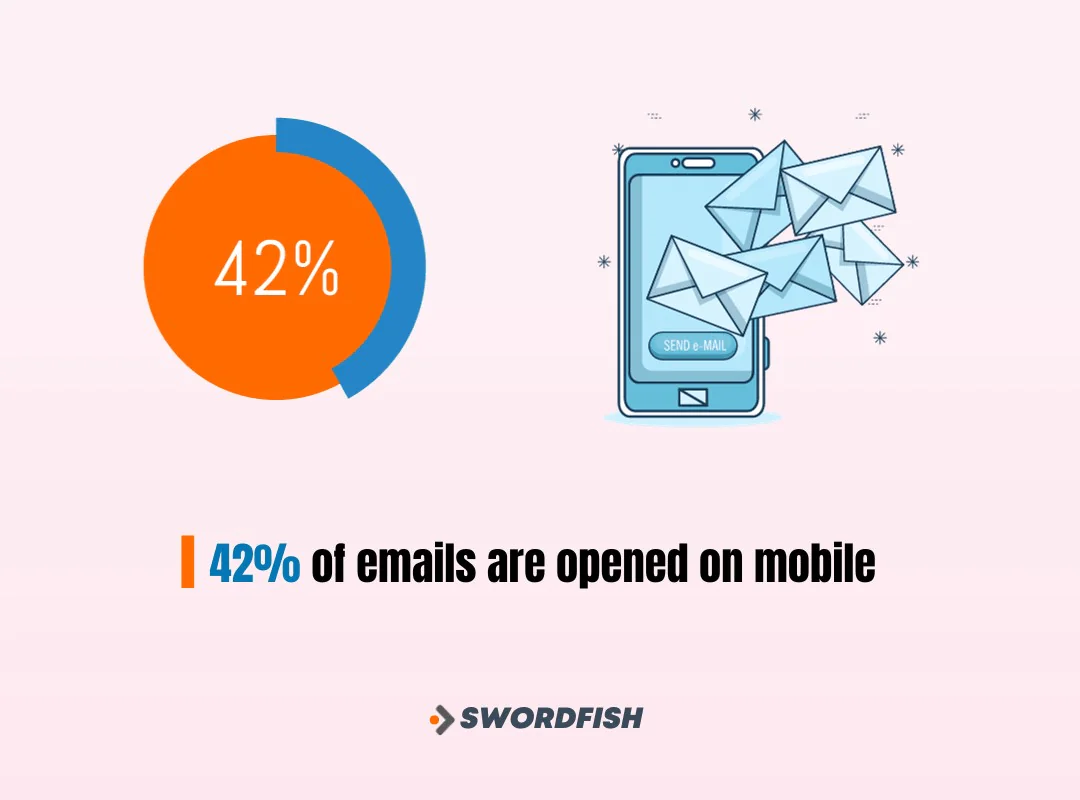
People check email across desktops, tablets, and phones throughout the day. A study by Litmus found that a large share of emails are opened on mobile devices, which is a reminder that any list-building strategy needs to account for mobile-friendly formatting.
Greater Control and Consistency
Social platforms change their algorithms often, and that directly affects how many followers actually see a given post. An email list sidesteps that problem entirely: if someone opts in, your message reaches their inbox without a third party deciding whether it’s worth showing.
Universality and Accessibility
Email is used by billions of people worldwide, according to a report by Statista, which makes it one of the few communication formats that works across nearly every demographic and region.
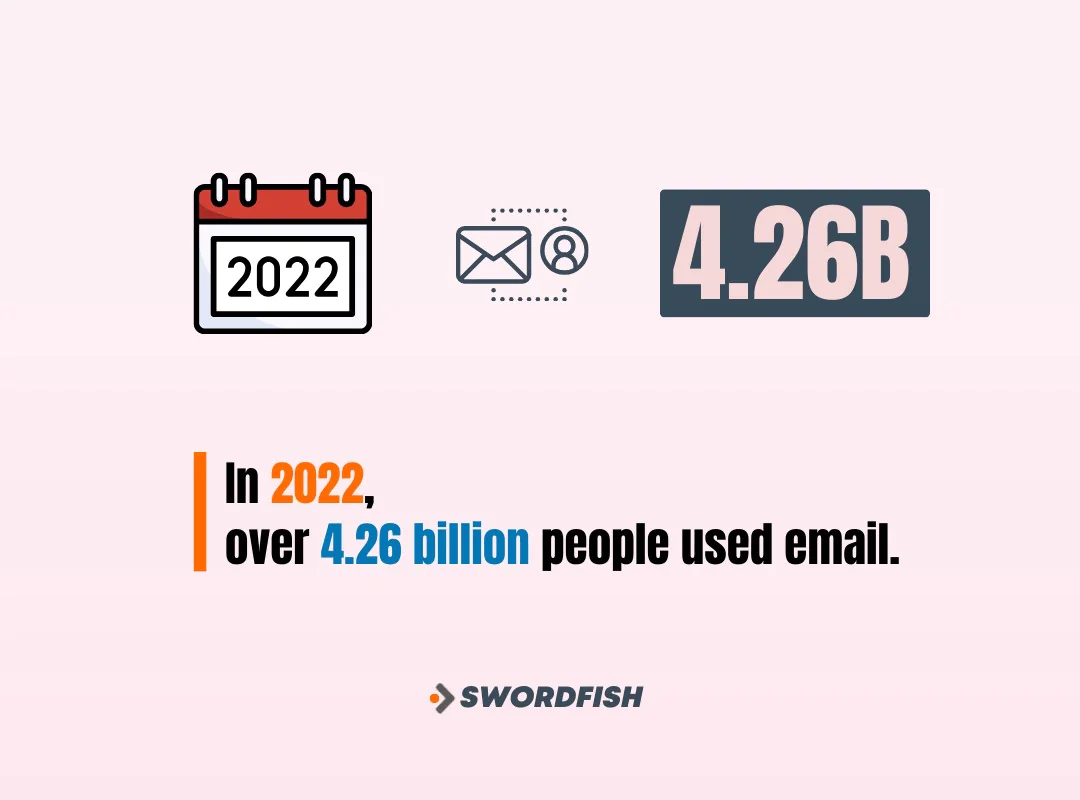
That reach means a well-built list can support outreach into new markets without needing a separate channel strategy for each one.
Precision in Targeted Marketing
A well-curated list beats a large, generic one every time. Sending the right message to the right person drives more engagement than blasting the same offer to everyone.
Segmentation, paired with a free email list generator, lets businesses split their audience into groups by role, industry, or behavior, which usually translates into better open rates and more efficient spend.
Top 10 Platforms to Build a Free Email List
Here’s a closer look at ten platforms worth testing, along with what to expect from each free tier before you decide whether to upgrade.
1. Swordfish AI
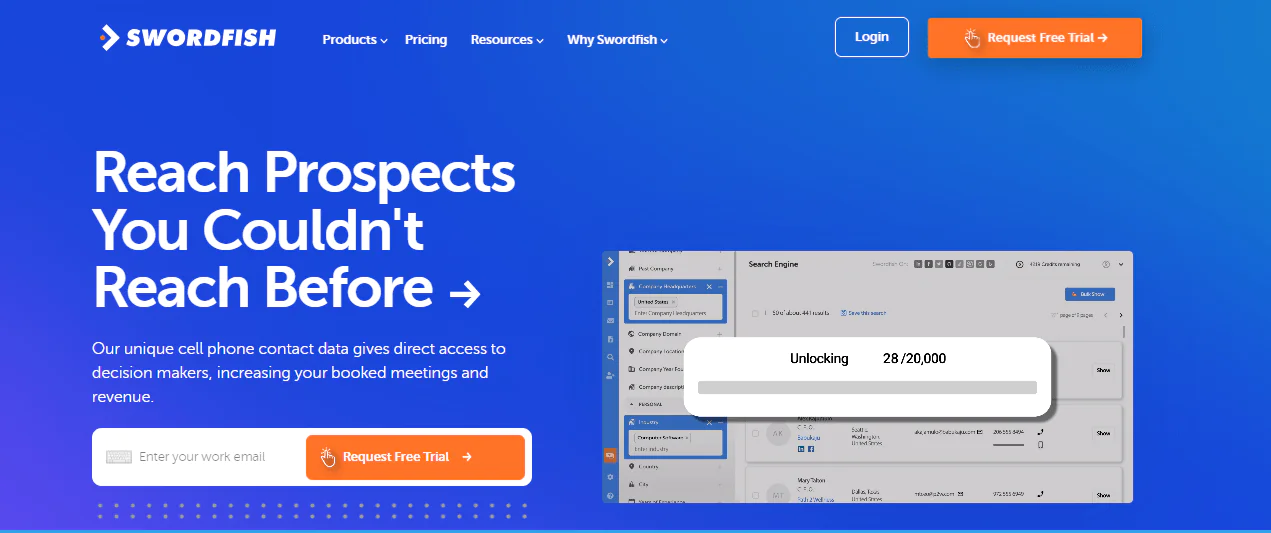
Swordfish AI aggregates contact data from multiple providers into a single searchable database, aiming to give users access to a large pool of verified profiles rather than relying on one data source alone.
The platform leans on real-time validation so leads aren’t just plentiful but also checked for accuracy at the point of search. New accounts can access $500 worth of free data during the trial period, which is enough to test the platform on a real campaign before paying for anything.
If you work in a data-sensitive field like healthcare, verified contact data matters even more, since outdated or unverified provider emails and phone numbers waste outreach time and can trigger compliance headaches. Start building a high-quality free email list with Swordfish AI today.
 Try Swordfish Ai
2. UpLead
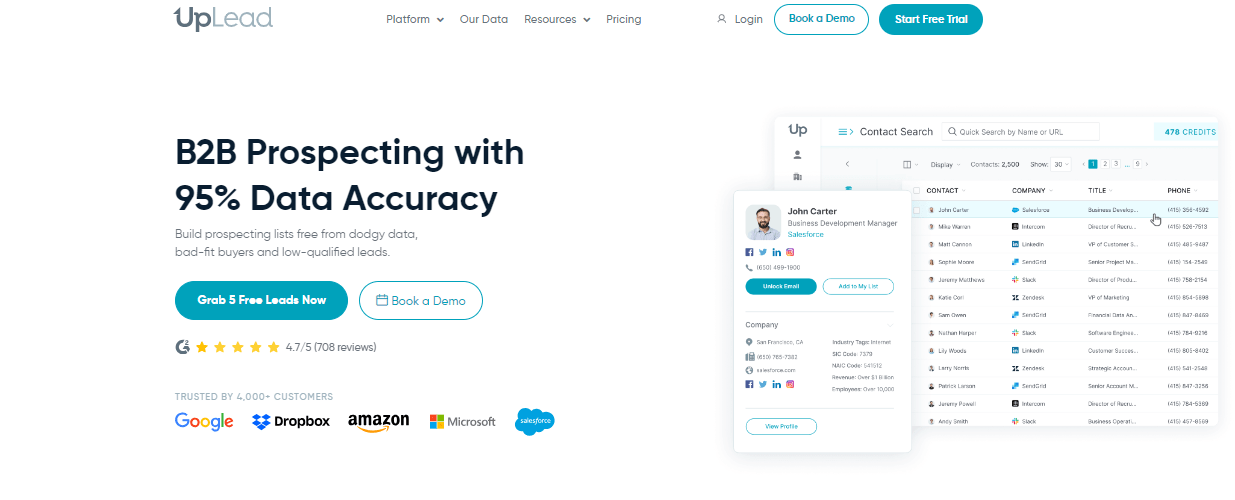
UpLead positions itself as a B2B lead generation tool with a large contact repository and a stated focus on data accuracy, backed by real-time email verification at the point of export.
The interface is straightforward enough that lead discovery and validation don’t require a steep learning curve, which matters if you’re the only person managing outreach.
Read More About: Similar platforms to UpLead
3. Hunter
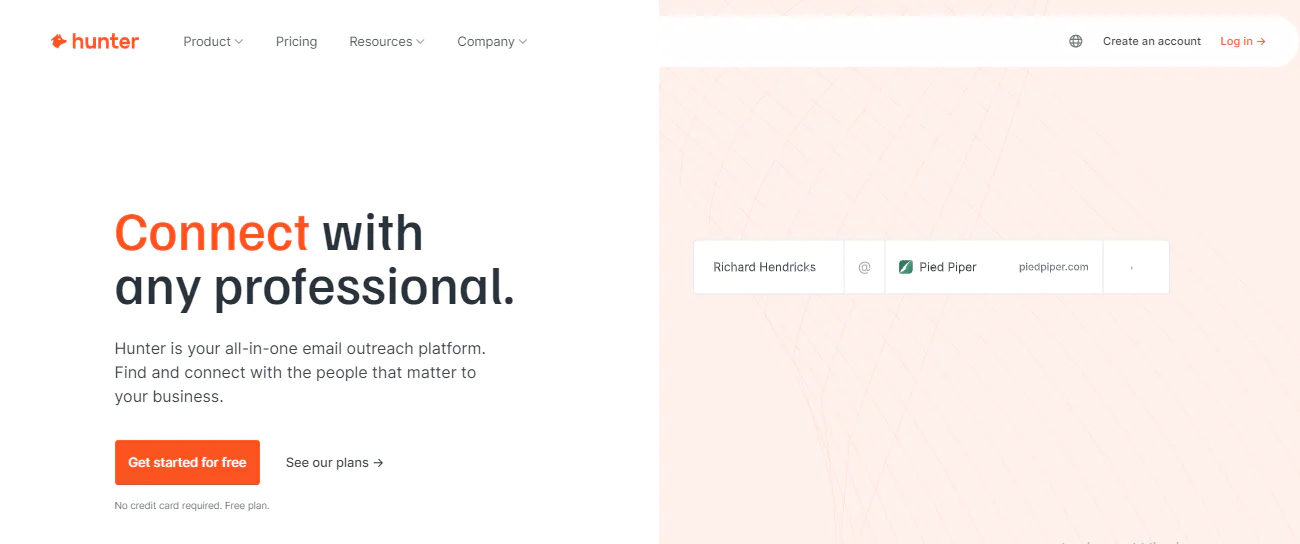
Hunter pairs email discovery with verification tools built around business-focused searches, so it’s useful when you’re targeting specific companies rather than casting a wide net.
The free tier includes a limited number of monthly searches and verifications, which is enough for testing but tight for anything beyond a small campaign.
Hunter also surfaces common email patterns for a given domain, which helps when you’re trying to guess a likely address format before verifying it.
4. Spokeo
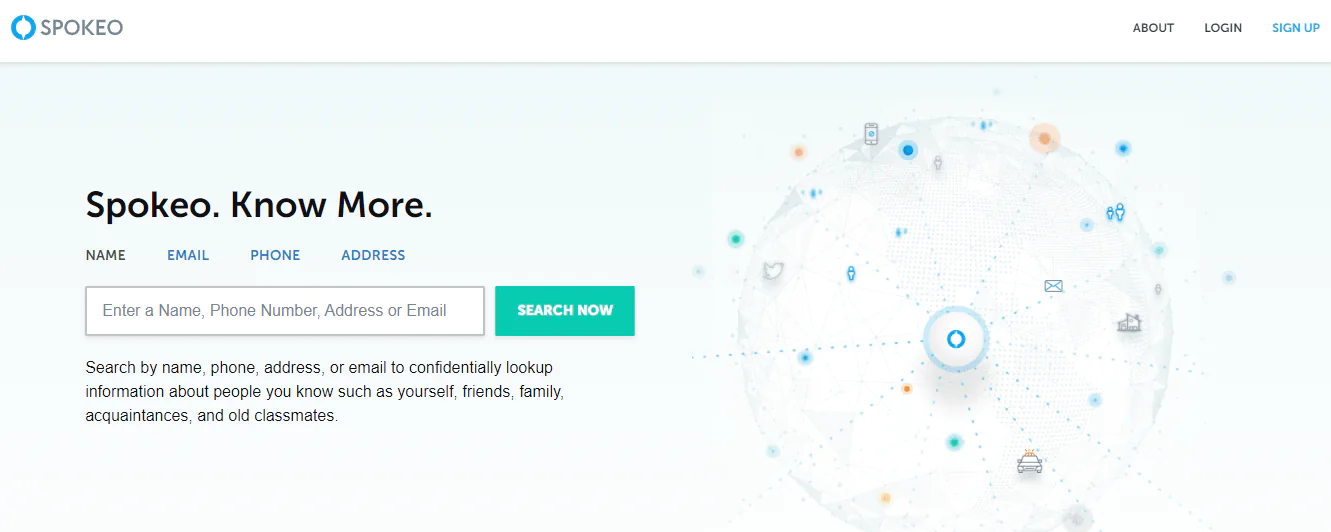
Spokeo is less of a pure email finder and more of a broader people-search tool, pulling in names, addresses, and other identifying details alongside contact data.
That breadth makes it useful for verifying who you’re actually reaching out to, not just whether an email address is valid.
The basic search is free, though deeper features like background checks sit behind a paid plan.
Read More About: Spokeo’s pricing tiers
5. Lusha
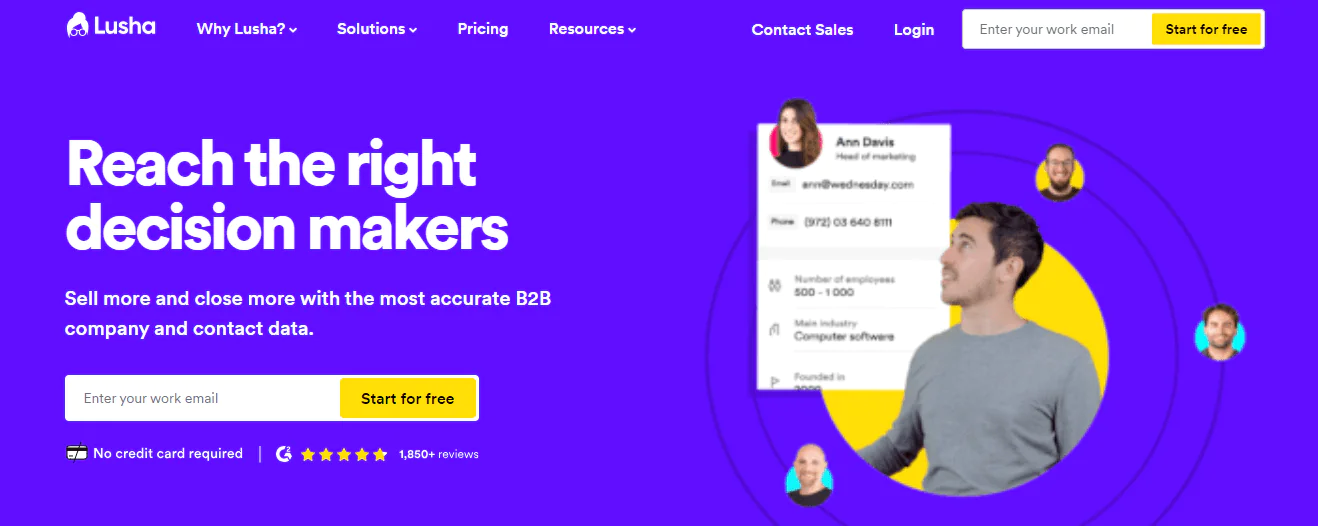
Lusha’s strength is integration. It connects with Salesforce and LinkedIn so you can pull contact details without leaving the tools you already use for prospecting.
The free plan includes a small number of monthly credits, enough to test the extension before deciding whether it fits your workflow.
Read More About: Lusha replacement solutions
6. Seamless.AI
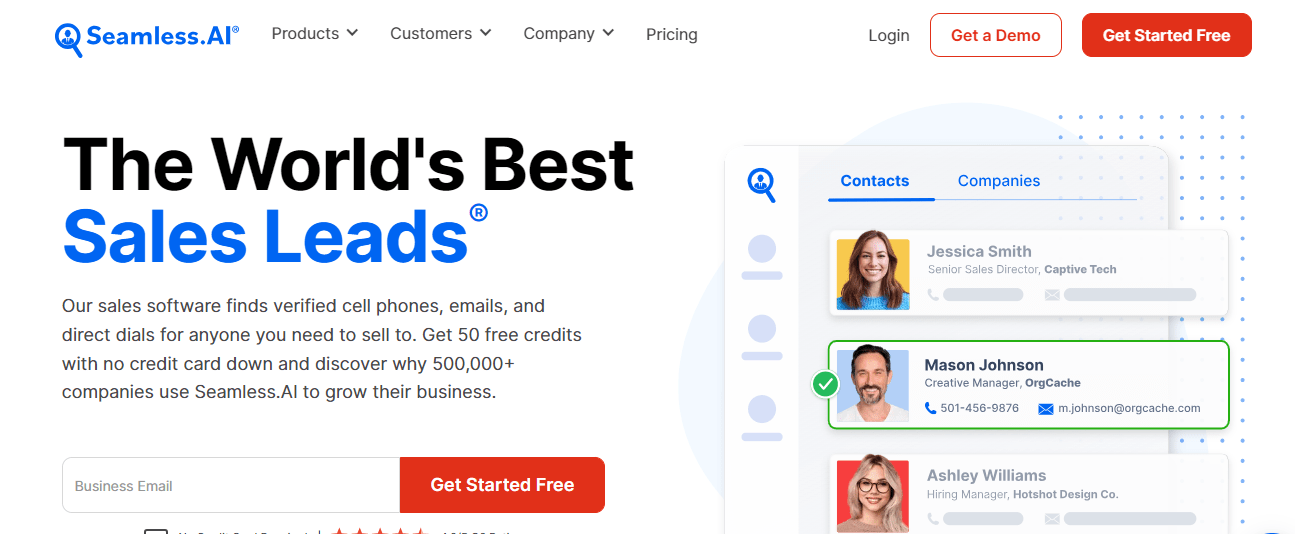
Seamless.AI uses an automated search process to gather professional contact information from across the web, aiming to keep results current rather than static.
The platform is built to be approachable for people new to lead generation, so the learning curve is lower than with some enterprise-grade tools.
A free trial is available if you want to test the platform before committing. For businesses comparing options, Seamless AI competitors offers a look at similar tools worth weighing against it.
7. LeadIQ
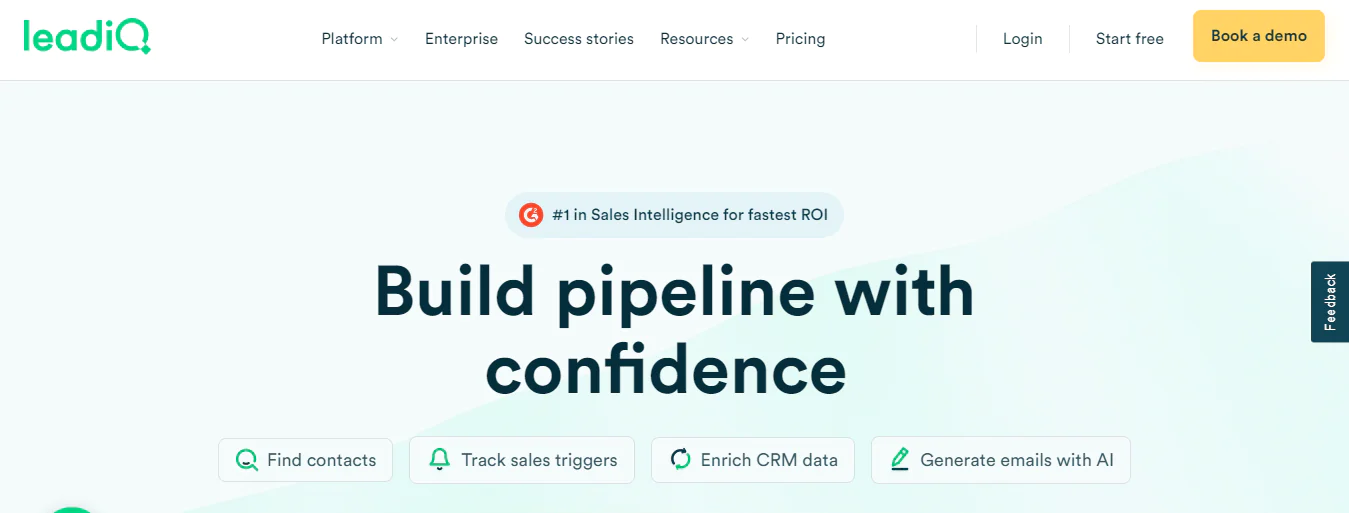
LeadIQ maintains a large database of verified email addresses and layers on visual analytics that show lead behavior and engagement patterns over time, not just static contact details.
A 30-day free trial gives enough runway to test the platform against a real prospecting workflow before deciding whether to subscribe.
8. GetEmail.io

GetEmail.io uses machine learning to locate a professional’s email address from a name and company, prioritizing speed over the broader contact-enrichment features some competitors offer.
It’s a good fit for businesses doing outreach across multiple countries, since the tool isn’t limited to a single region’s data.
9. Voila Norbert

Voila Norbert keeps its scope narrow: email verification and search, done well, without a lot of extra features to wade through.
The interface makes it easy to clean an existing list, improve deliverability, and find new contacts in the same workflow.
It also surfaces common email pattern data for a domain, which is a useful cross-check before sending to an unverified address.
Read More: Best Website to Find Phone Number
10. Snov.io
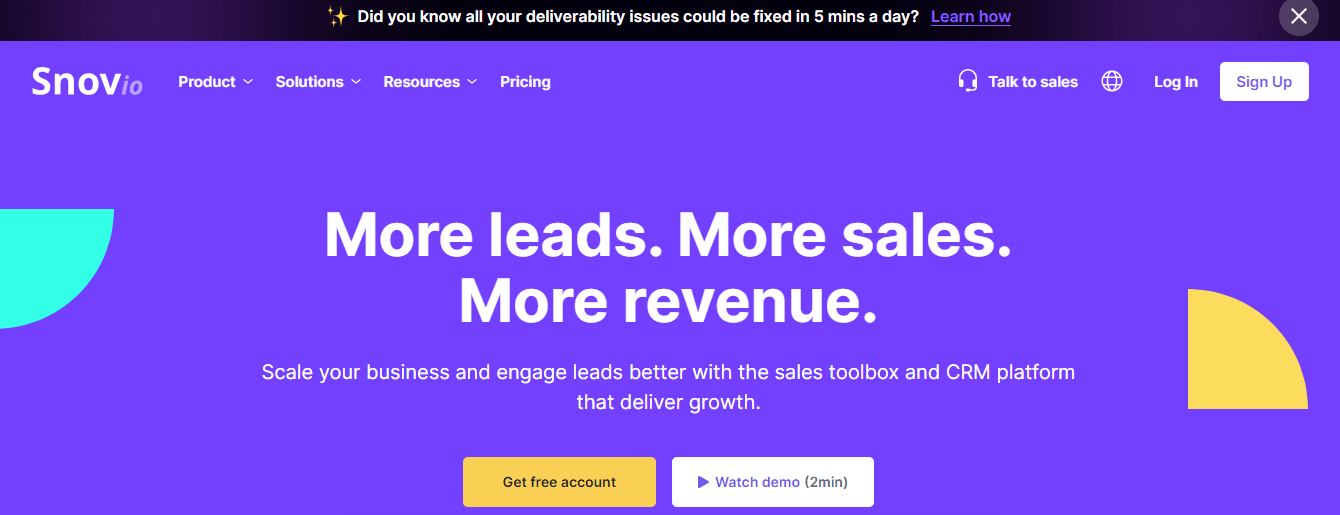
Snov.io covers more ground than a typical email finder, bundling email discovery with drip campaign tools so outreach and follow-up live in the same platform.
Its Chrome extension integrates with LinkedIn directly, which turns ordinary browsing into a lead-capture step without switching tabs.
Read More: Similar Tools to Snovio
Final Words
A free email list is a genuinely cost-effective way to start reaching potential customers, but the free tier of any tool is a starting point, not a finished strategy.
The real value shows up in how the list is used: consistent, relevant communication builds trust, while sloppy or unsolicited outreach burns it. That’s true whether you’re marketing consumer products or reaching healthcare professionals, where inaccurate contact data can waste time and create compliance risk.
Whichever provider you choose, prioritize accuracy and relevance over raw list size. A smaller, verified list will consistently outperform a larger, stale one.
FAQs
Are free email lists legal?
The legality depends on the list’s acquisition and usage. In many places, unsolicited emails are illegal. Make sure any list you use complies with regulations like CAN-SPAM or GDPR and that recipients have given consent.
How do I ensure the quality of a free email list?
Check the list’s source. Always make sure it is reputable and verify email addresses. Regularly clean your list. And try to remove inactive or unengaged addresses.
Can I integrate a free email list with my existing marketing tools?
Most email marketing platforms allow list integration. Before importing, ensure the list format is compatible and you’re not violating your provider’s terms. This way, you can use a free email list with your existing tools.
Check Latest Posts
Sources retained from the original article: Radicati Group report.