
 View Products


Last updated: September 3, 2026
You’ve probably heard the claim that human attention spans have shrunk to eight seconds, shorter than a goldfish. That figure traces back to a widely cited 2015 report, but the underlying data was never a real scientific measurement, and researchers have since debunked it. What is true, and useful for cold email strategy, is that inbox attention is short and highly selective. Recipients decide in a glance whether a subject line is worth a click, especially in healthcare, where clinicians and administrators are managing packed schedules and high email volume.
Cold emails remain a common way to reach healthcare providers, practice administrators, and decision-makers, but standing out in a crowded inbox takes more than a clever line. A subject line that reads as generic or salesy gets deleted, or worse, reported as spam. The good news is that certain patterns of subject line, grounded in relevance and specificity, consistently perform better than others, regardless of industry.
Below is a practical framework for writing subject lines that get opened, along with 50 example lines organized by use case, and a breakdown of what triggers spam filters so your outreach actually reaches the inbox.
Key Considerations for Creating Effective Cold Email Subject Lines
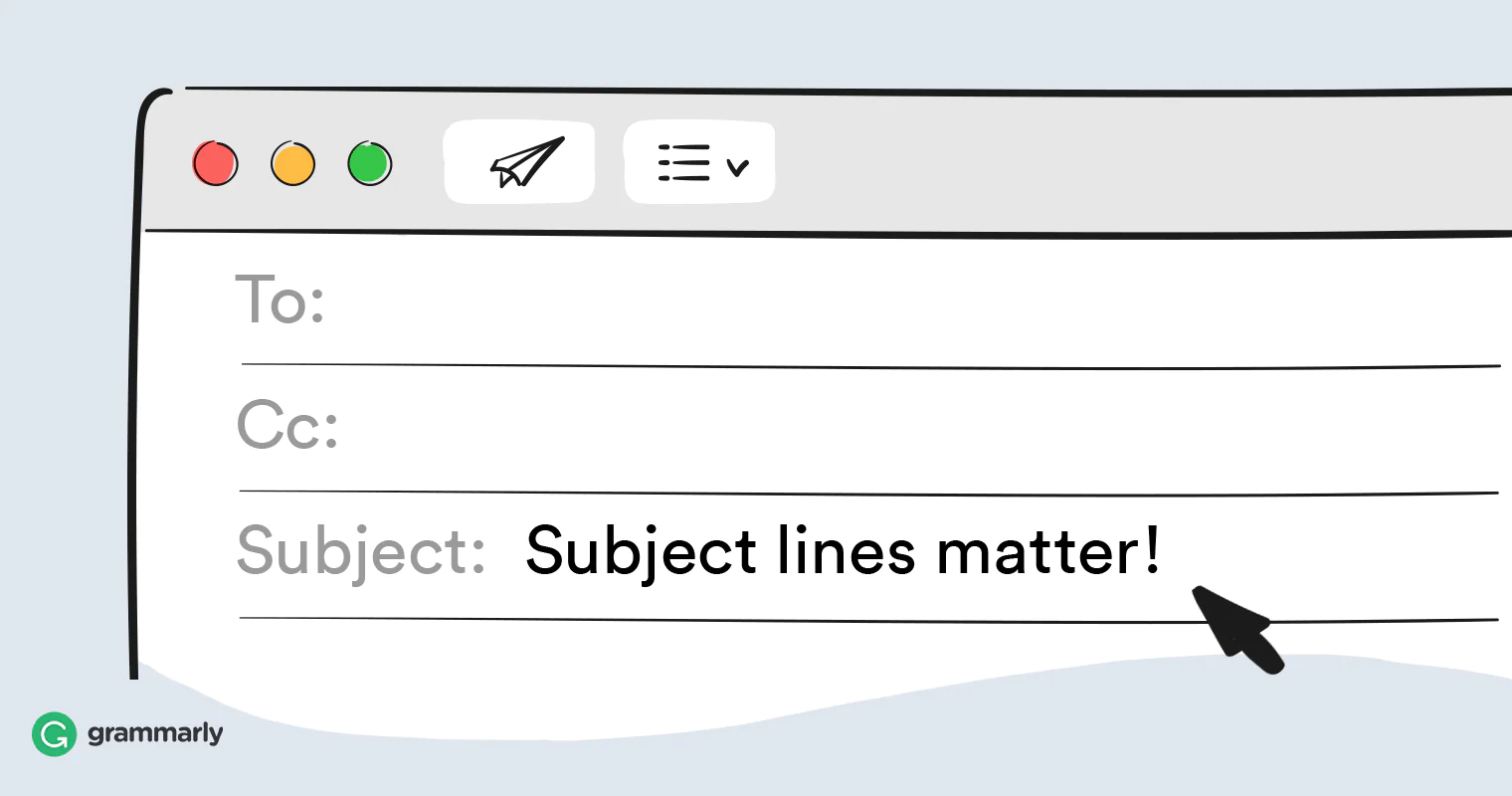
A strong cold email subject line blends specificity with a working knowledge of who the reader is and what they care about. Before sending, run your subject line through a few questions.
Do I know my audience well?
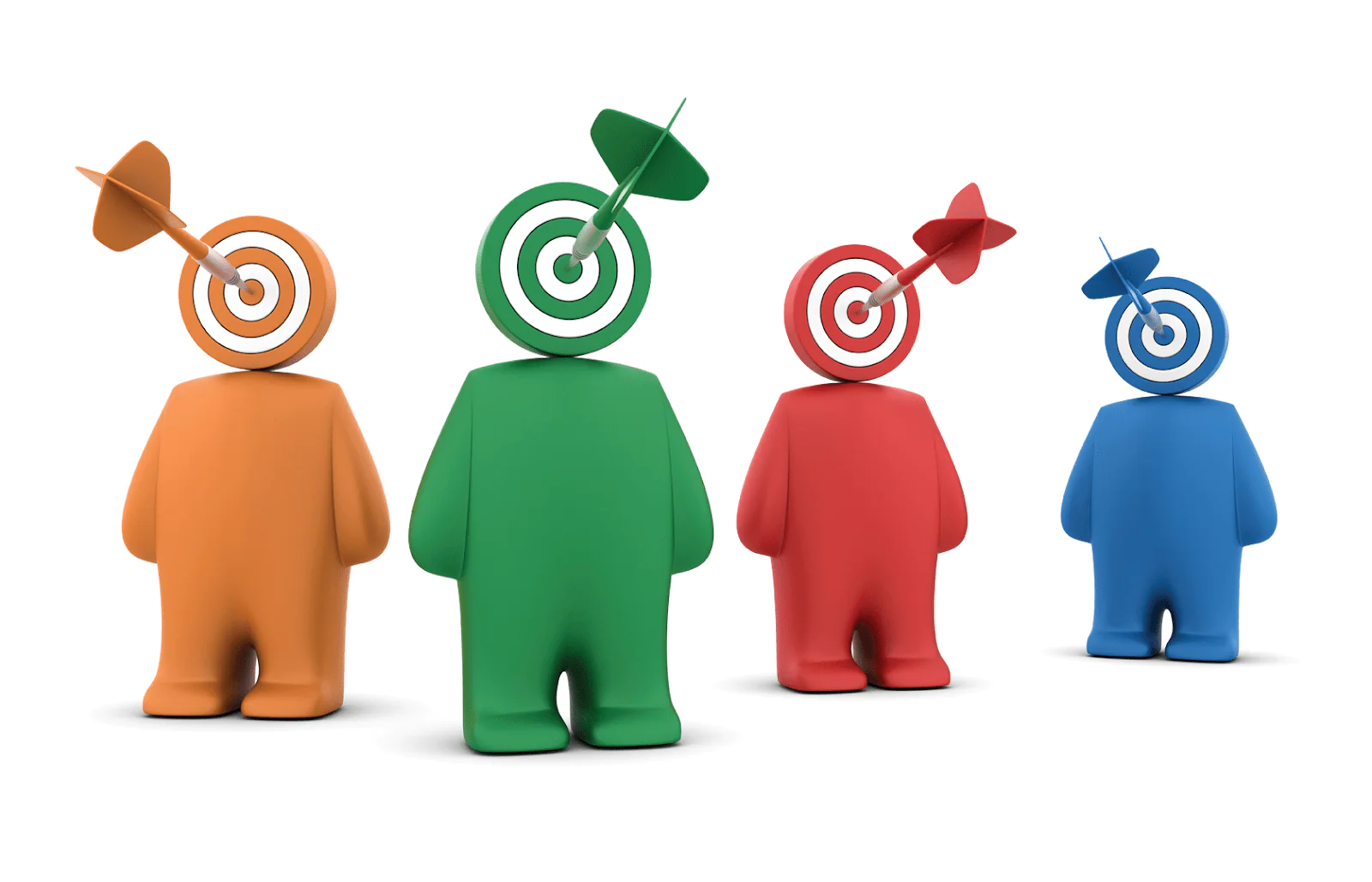
Have you researched enough to know your target audience’s priorities? No two cold emails, or their subject lines, should read the same way. Personalization requires knowing something concrete about the prospect, not just a name field pulled from a spreadsheet.
If you don’t know their specific interests, you should at least know their name, role, location, a mutual connection, or another detail relevant to them. That context makes it easier to spark curiosity, even if the subject line runs a little longer than usual.
Skip this step and the message is far more likely to get ignored, deleted, or filtered into spam.
Is the content relevant right now?
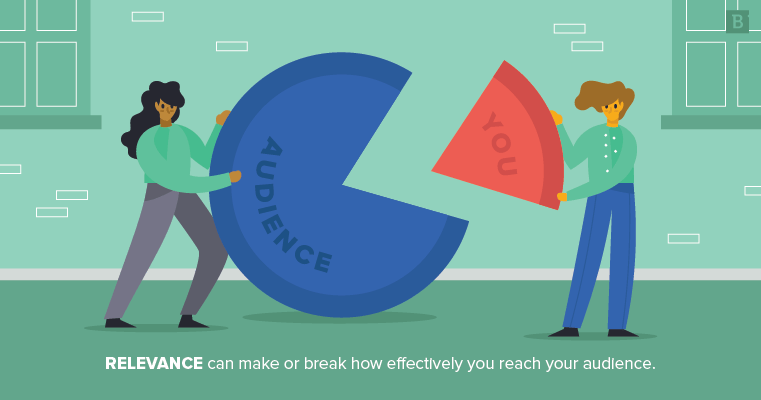
A well-written, personalized email with a strong offer still fails if the timing is off. Every sales or marketing team should understand its audience well enough to know when an outreach message will actually land.
Consider two buyers: one shopping for earbuds who receives an email about a new phone launch, and one shopping for a phone who receives an email about earbuds. The first is likely to be ignored. The second has a real chance of converting because the timing lines up with intent.
The same logic applies to B2B outreach, including healthcare sales. If a practice or health system isn’t currently evaluating new vendors or tools, that email is better held for a later, more relevant moment.
Is the message clear?
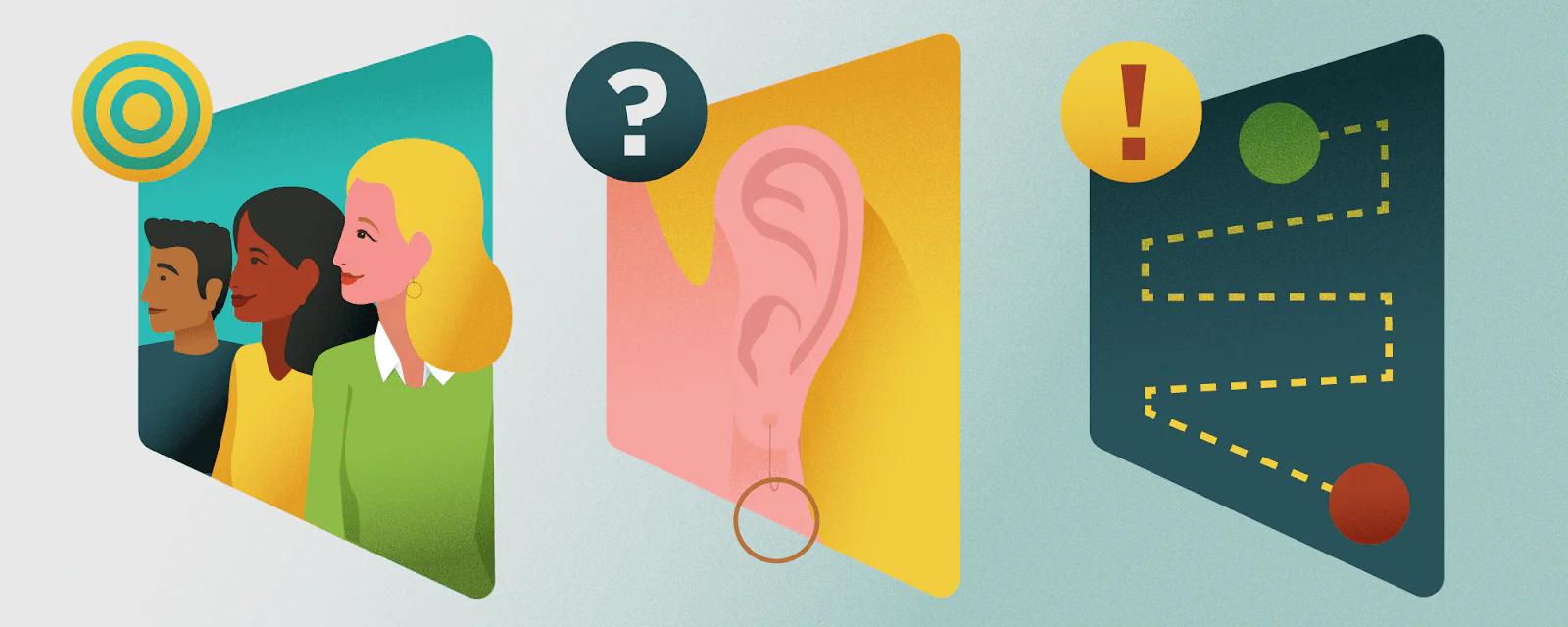
A subject line should be catchy enough to earn a click, but it shouldn’t give away or misrepresent the whole message. The email body then needs to deliver on that promise with a clear point, offer, or request. Avoid vague teasers that don’t match the content, and don’t oversell what you’re offering.
Keep the language plain and accessible. The subject line should connect logically to the email itself, and the value to the reader should be obvious within the first few words.
Can I create a sense of urgency?
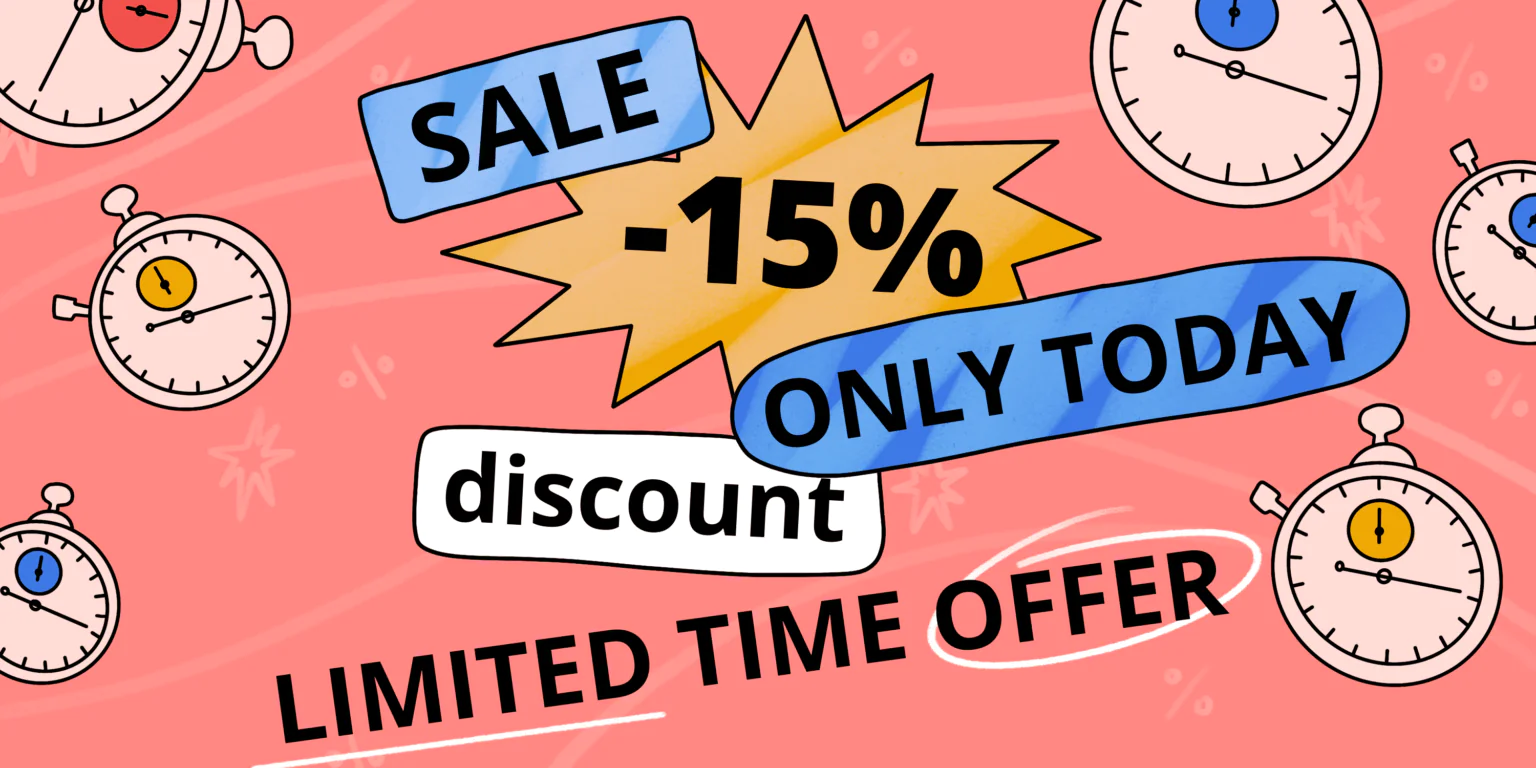
A note of urgency or scarcity, such as a limited-time offer or limited availability, can push a reader to act instead of setting the email aside. Words like “exclusive,” “limited,” or “today only” work when they’re accurate and not overused.
If a recipient notices your message but doesn’t act right away, the odds of them returning to it later are low. New emails keep arriving, and yours will likely end up buried.
Is this engaging enough for smaller screens?

Mobile traffic makes up a substantial share of all webpage traffic, and email is no exception. Most phone inboxes truncate subject lines, so the opening words carry the most weight.
If your subject line is long, the reader won’t see enough of it to get curious. Test subject lines across devices before sending at scale. A range of roughly six to eight words tends to display reasonably well, though even that can get cut off on smaller screens.
Front-load the most engaging words, and use emojis sparingly, if at all. In clinical or healthcare-facing outreach, a more restrained tone typically reads as more credible.
Types of Cold Email Subject Lines with 50 Examples
With the fundamentals covered, here are subject line examples organized by the stage of outreach they’re meant for. Treat these as starting templates rather than fill-in-the-blank scripts. Every business and audience is different, and the examples that convert best are the ones adapted to a real prospect’s situation.
Opening Cold Email Subject Lines
- Hi [prospect’s name], [question about a goal/interest/need]?
- Your [name] success story begins here…
- We need your help for [goal]
- Struggling with [pain point]? You’re not alone.
- Is [a restaurant in the prospect’s city] your favorite place to eat?
- How about a cup of coffee?
- Happy Wednesday!
- [Mutual contact’s name] loves this idea, and you might too!
- Who doesn’t love shopping?
- Check out now and claim 20% off.
This is why research matters before that first send. Even a small detail about the prospect makes the difference between a subject line that reads as personal and one that reads as mass-produced.
Cold Email Follow-up Subject Lines
- Will we see you at the [event]?
- Forgot to complete the payment?
- Reminder to [sign up for a demo/ trial].
- Enjoyed shopping with us last time? Here’s another coupon for you!
- Did you know we also have [a new feature]?
- What would it be if we gave you a magic wand to change one [feature]?
- Free tickets for the next [event name] inside.
- Resume your search for [product/ service they’ve been looking for].
- Wait! We’ve got more tips for you.
- You will love what we have next for you!
Follow-ups give you room to be more casual. Reference the earlier conversation directly, use a familiar tone, and keep the subject line tied to what was actually discussed rather than starting a new pitch from scratch.
Cold email Subject Lines After no Response
- Reviving our conversation about [topic].
- This is your last chance to grab [offer]!
- Pick up where you left off.
- “Re:”
- Leaving so soon? We’ve got more offers for you!
- Tell me I’m assuming wrong.
- Remember our previous conversation about [topic]?
- What are you waiting for?
- Your competitors are ranking higher; here’s why.
- Have you tried our new [feature]?
These lines work when a prospect has gone quiet, since they’re designed to reopen a conversation rather than start a new pitch. Write the email itself carefully so the prospect understands your intent clearly.
The “Re:” subject line tends to get opened because it mimics an ongoing thread, but it also carries the highest risk of feeling like a trick if the email doesn’t deliver something genuinely relevant.
Meeting Request Subject Lines
- Your time, Our expertise!
- Let’s connect on [date] by [time].
- Should we save a slot for you too?
- Attention! Do you have 10 minutes?
- Is a meeting too much to ask for?
- Meeting Invitation: It’s urgent!
- Let’s have a discussion this Friday.
- Do not attend this meeting if you want to …
- Let’s discuss [topic] over a call.
- Confirm our appointment on [date].
Meeting requests don’t have to sound the same every time. A mix of formal and casual invites tends to perform better than a rigid template, since people respond well when a message feels like it was written for them specifically.
B2B Cold Email Subject Lines
- Your [industry name] success partner awaits!
- Partnership opportunity for [Company’s name].
- Our profits can grow by 60% in just 6 months.
- Stay ahead of your competitors with [SaaS name].
- Here’s how to engage with leads.
- Google, Microsoft, and Amazon do this to stay in the game.
- You need to automate [prospect’s automation requirement].
- Go through this [case study] to learn how to improve your KPIs.
- Disappointed with [pain point]? [Another company’s name] had the same problem.
- By the end of this year, you’ll have 2x leads.
B2B buyers vary widely in how they process a pitch, from data-driven and analytical to more relationship-focused and cautious. Understanding which type you’re emailing, and adjusting tone accordingly, matters more than finding one universally winning phrase. For healthcare-focused outreach specifically, this often means leading with clinical or operational relevance rather than generic sales language.
Before you send any of these, it’s worth understanding what actually triggers spam filters, since even a strong subject line won’t help if the message never reaches the inbox.
What are Spam Filters and How to Avoid Them
Spam filtering is a service built into most email providers that flags unsolicited or suspicious messages before the recipient ever sees them. A handful of factors commonly trigger this:
- Low sender score
- Usage of specific words, phrases
- Bulk sending
- Malicious links
- Too many spam reports
Email providers use a heuristic approach, running each message against a set of rules before deciding whether it’s safe to deliver.
What must you do to avoid them?
Since the subject line is scanned first, a few habits go a long way toward keeping your emails out of spam.
- Avoid trigger or sales-heavy words like “free money,” “fantastic deal,” or “Congratulations.”
- Skip generic greetings like “Hello dear” or “My friend.” Use the recipient’s actual name whenever possible.
- Don’t use all caps or excessive punctuation, like multiple exclamation points.
- Avoid unusual fonts or special characters.
- Don’t send bulk emails frequently or message people with no clear relevance to your offer.
These habits reduce the odds of getting flagged, but they only go so far if your contact data is outdated or inaccurate to begin with. Sending to the wrong email address, or one that bounces, damages sender reputation just as much as sloppy copy does. This is where accurate, verified contact information becomes part of deliverability, not just an operational detail.
By leveraging Swordfish AI, you can cut down on the manual guesswork that leads to bounced emails and outdated contact records. Swordfish is a contact-finder platform built to help sales and marketing teams gather current information about prospects, including healthcare providers, and build outreach lists that are less likely to trigger spam flags in the first place.
Swordfish AI: The Ultimate Contact-Finder Tool
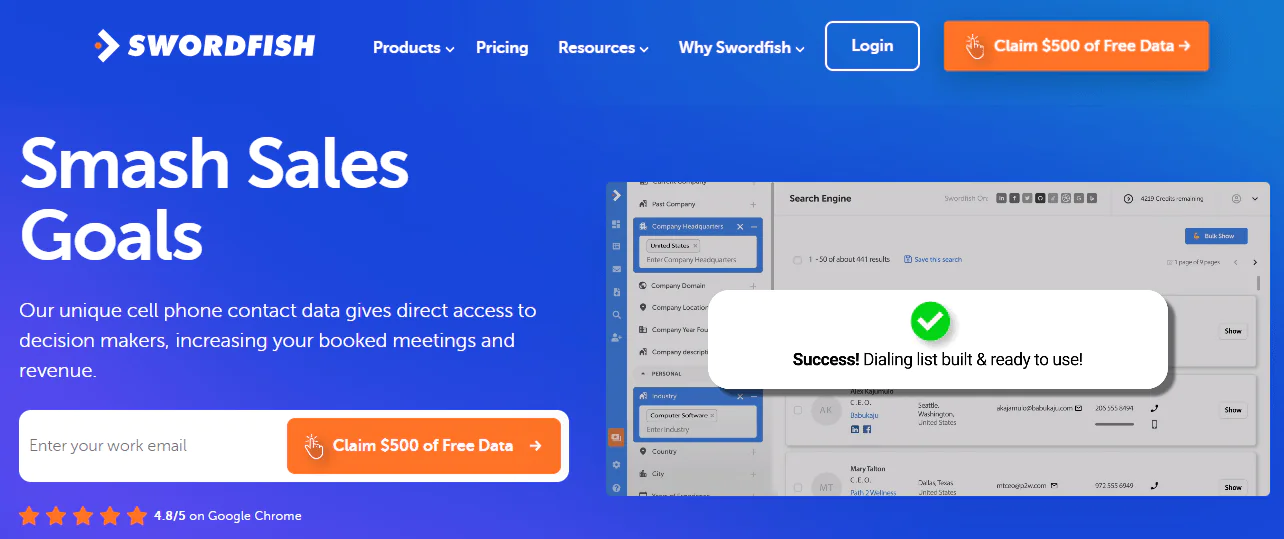
Swordfish AI is a contact-finder platform that pulls contact data from more than 150 data providers, including Hoovers, Dun & Bradstreet, Experian, and a number of independent sources, aiming to keep prospect contact information current and accurate.
Swordfish maintains a database of over 3.5 billion verified profiles, covering contact details and email addresses. Teams can use it to find leads in bulk, enrich CRM records, run reverse searches, and more.
Swordfish also incorporates buyer intent data from Bombora, which helps companies identify where a prospect stands in their buying journey.
The platform reports over 95% accuracy for email data and over 80% accuracy for cell phone data, and it checks all U.S. emails for real-time deliverability before returning results.
Swordfish Features
A quick look at what sets Swordfish apart:
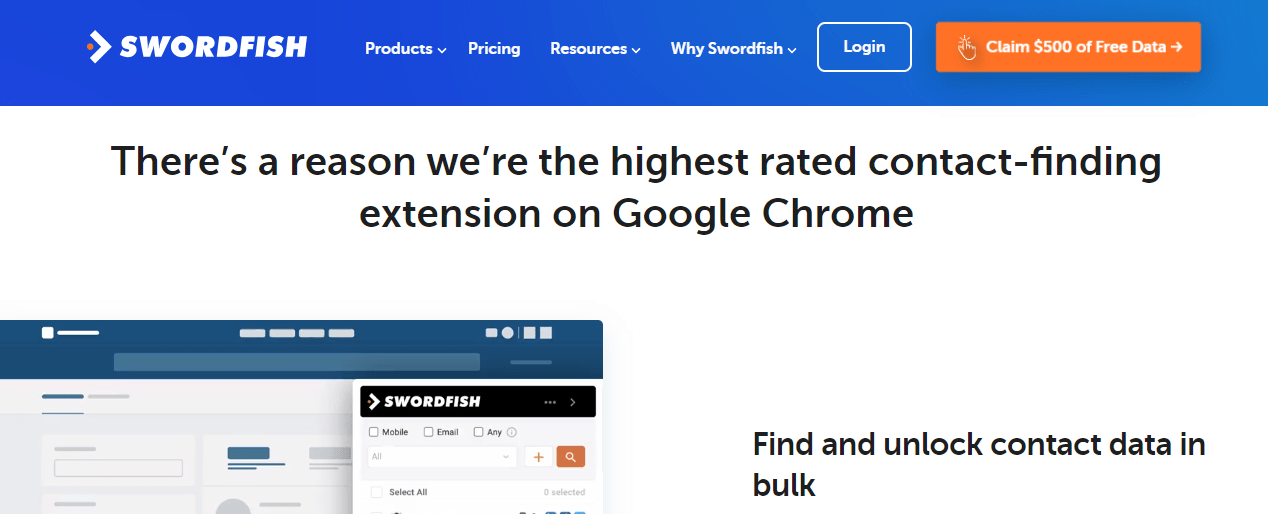
- Swordfish has the highest-rated Chrome extension on Google for finding prospects online. It verifies contact data across sources like LinkedIn, Twitter, Facebook, Dribble, GitHub, StackOverflow, Google, and Bing.
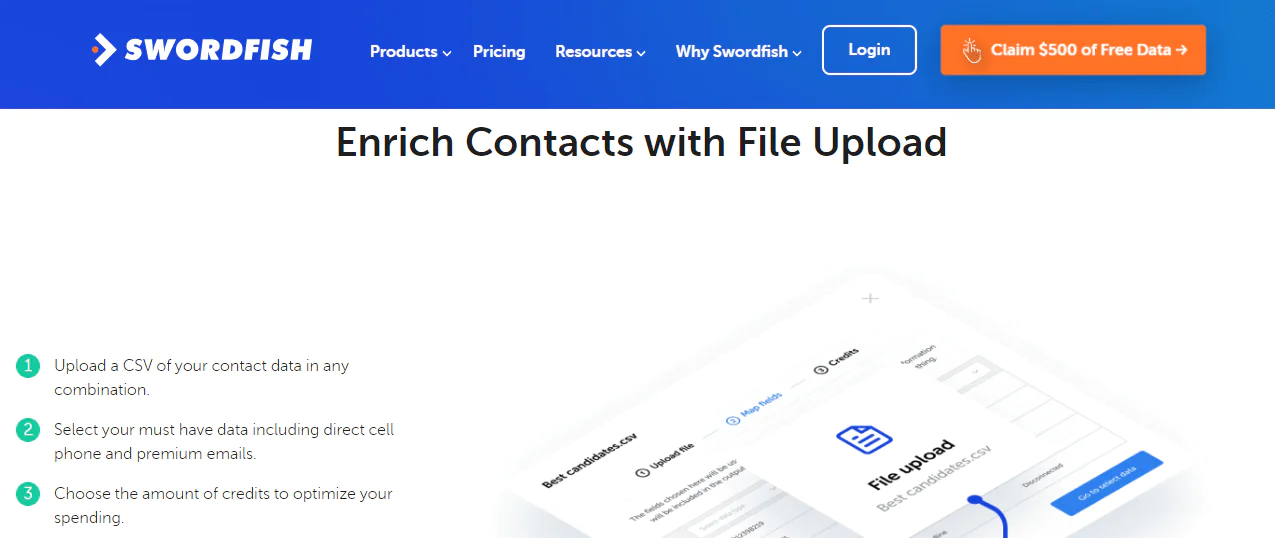
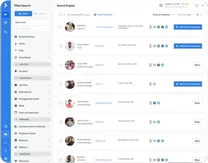
- Swordfish’s prospector helps fuel a sales pipeline in bulk, letting you build dialing or email lists in seconds using advanced filters and suppression rules for more accurate lead generation.
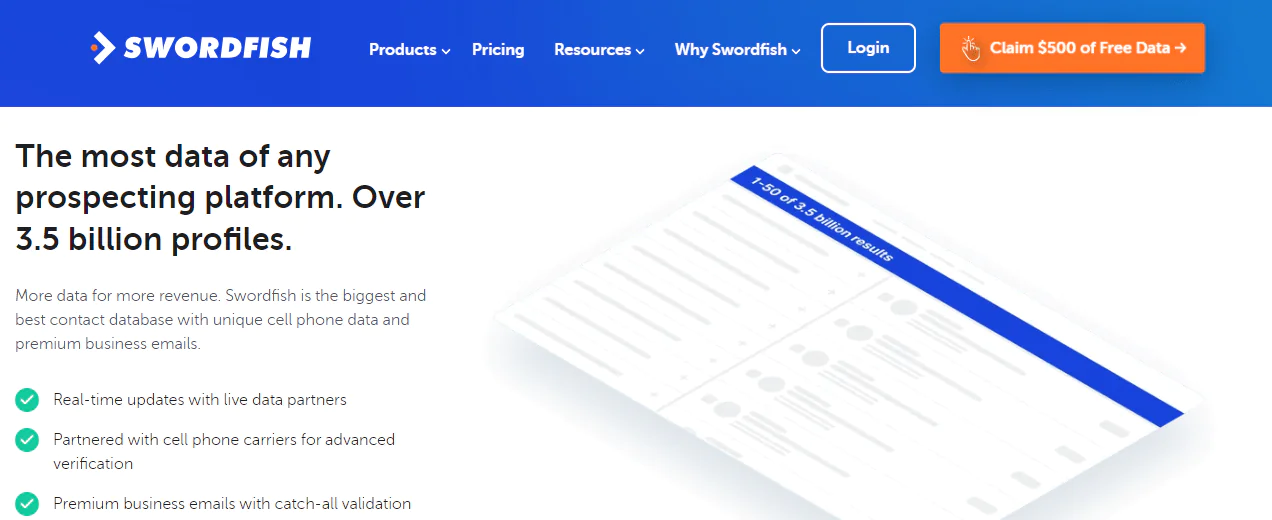
- Upload a CSV of existing contact data to fill in missing details and export it in the same format. File Upload helps complete gaps in a CRM or ATS.
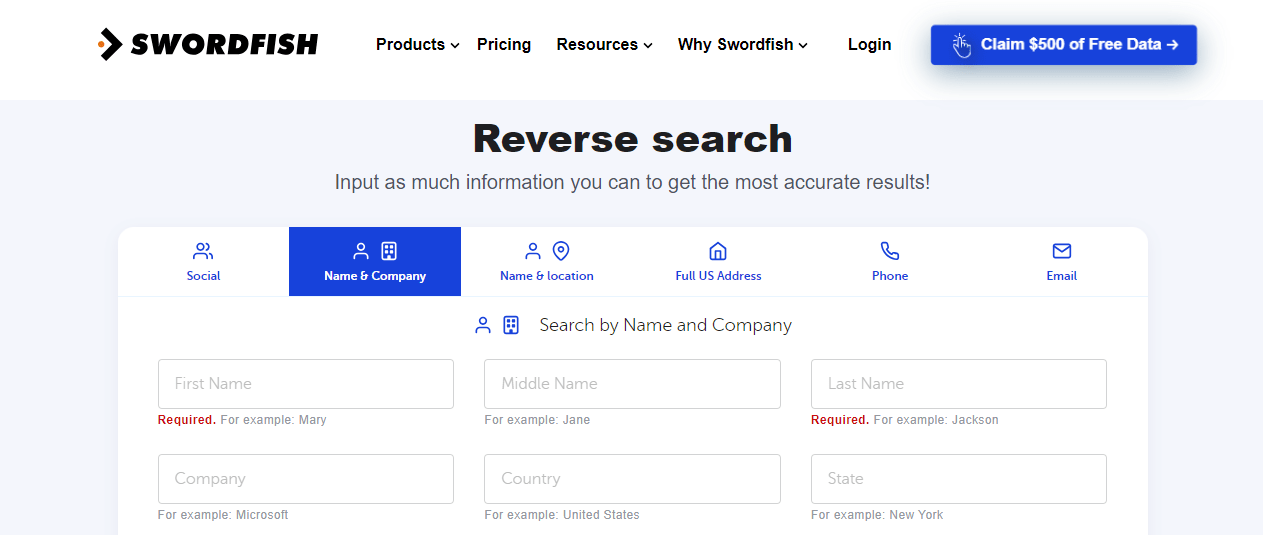
- Reverse Search anyone by name, company, job title, location, and more.
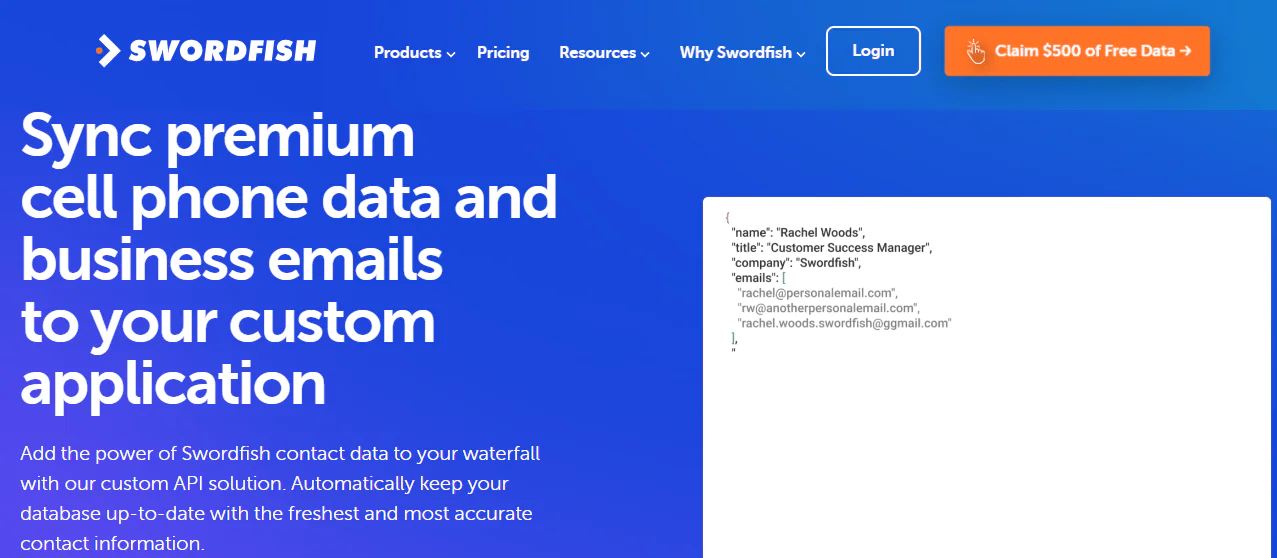
- Swordfish lets you sync premium cell phone data and business emails into a custom application through its API.
With accurate contact records in place, personalization becomes easier, and personalization is one of the most reliable ways to avoid spam filters and low open rates in the first place.
Conclusion
Cold email subject lines don’t require guesswork once you have a repeatable process: research the prospect, keep the message clear, and stay away from language that reads as spammy.
Good contact data does a lot of the heavy lifting here. Swordfish AI is built to support that step, pairing its prospector tools with deliverability checks before contact information ever reaches your outreach list.
Reliable contact data plus a well-trained team gives your outreach a real shot at avoiding spam filters and landing in front of the right person. Sign up here to claim data worth $500 for free and see how it affects your click rates. Let us know if you have specific goals in mind, we’re glad to help you work toward them.
Check Latest Blogs
- Best Website to Find Phone Number
- Snov.io Transparent Pricing
- Twitter Email Finder
- Instagram Email Finder
- Free Email Finder
Sources retained from the original article: WIRED article.