
 View Products


Last updated: September 3, 2026
Email remains one of the most reliable ways to reach healthcare decision-makers, clinical administrators, and other B2B buyers who don’t have time for cold calls. But volume alone doesn’t win replies. The difference between an email that gets ignored and one that gets a response usually comes down to structure: a specific subject line, a relevant opening, and one clear ask.
Below are 12 cold email templates you can adapt for lead generation and sales outreach, along with the reasoning behind why each one works and where it tends to fall short. These frameworks apply broadly to B2B sales, including outreach to practice managers, medical group executives, and other healthcare buyers who respond well to direct, relevant messaging.
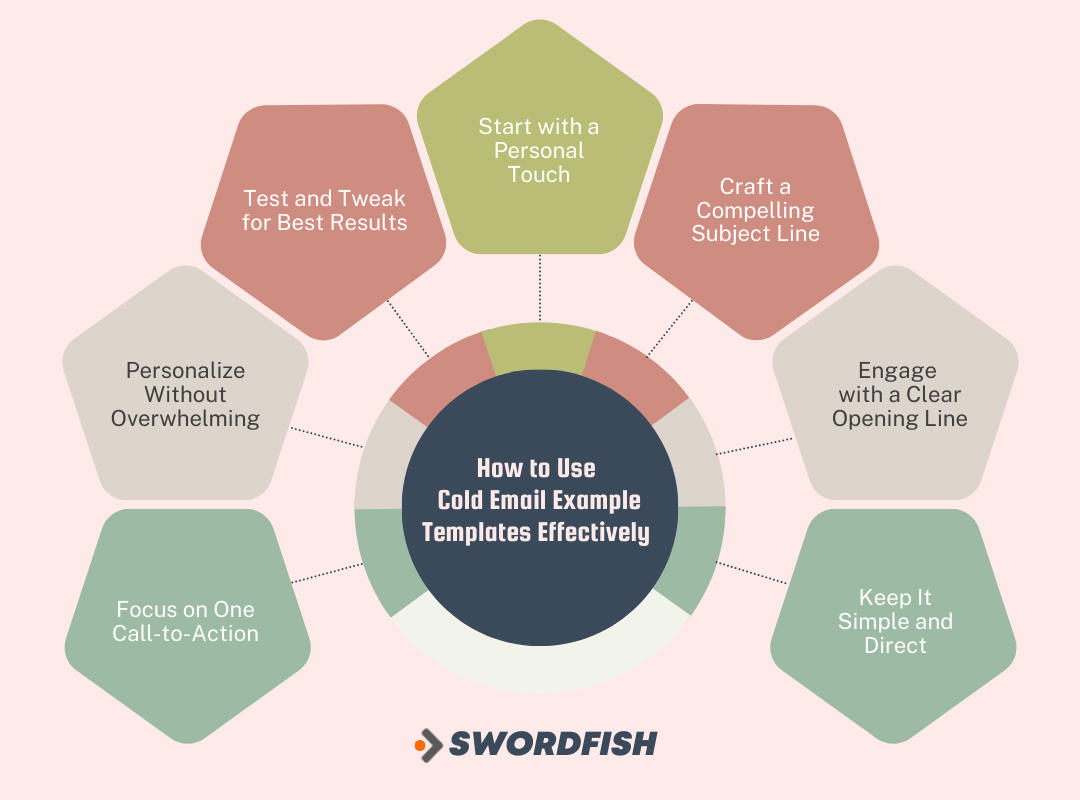
How to Use Cold Email Example Templates Effectively
Templates give you a starting structure, not a script. Before you copy one into your outreach tool, it helps to understand why each piece exists and where recipients tend to lose patience.
Start with a Personal Touch
Personalize each email for the recipient. Mention their name, their organization, or something specific and recent about their work. This small effort signals that the message wasn’t blasted to a thousand inboxes at once.
Craft a Compelling Subject Line
Your subject line is the first thing recipients see, and it decides whether the email gets opened at all. Skip generic lines and reference something specific, like a shared connection, a recent event, or a problem the recipient is likely dealing with.
Engage with a Clear Opening Line
The opening sentence should follow through on whatever the subject line promised. Make it about the recipient, not about you. Name a problem they might have and hint at how your solution addresses it before you ask for anything.
Keep It Simple and Direct
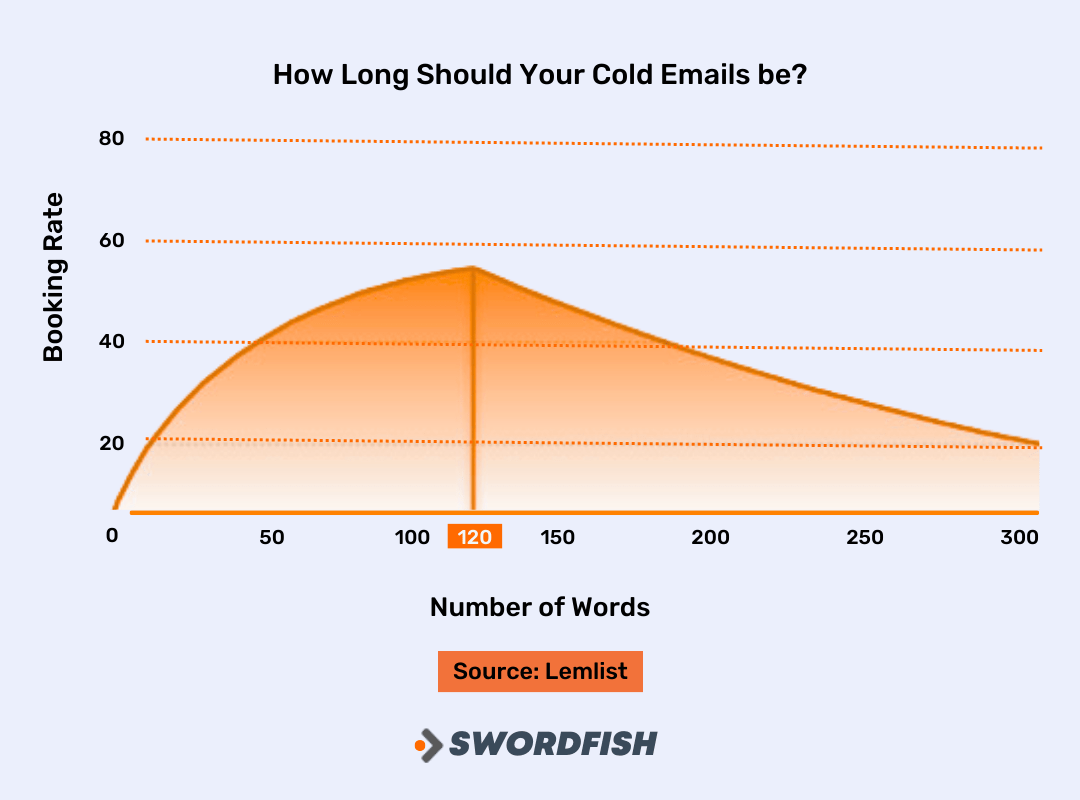
Write the body in plain language and keep it short. Explain the benefit clearly and skip the jargon. Most guidance on cold email length points to a similar range: 120 words or thereabouts tends to outperform longer emails, though shorter messages in the 50-to-100-word range are increasingly common as inboxes get more crowded.
Focus on One Call-to-Action
Give the recipient exactly one thing to do, whether that’s booking a call, replying with interest, or clicking a link. Offering multiple options usually results in the recipient doing nothing at all.
Personalize Without Overwhelming
You don’t need an hour of research per prospect. A quick scan of a LinkedIn profile, a company announcement, or a recent hire can give you enough to make the email feel specific rather than templated.
Test and Tweak for Best Results
No template performs the same across every list. Track open and reply rates by segment, and adjust subject lines, length, and CTA phrasing based on what your specific audience responds to.
12 Best Cold Email Templates to Generate More Leads
Templates matter because they give you a repeatable structure instead of starting from a blank page every time. They also make it easier to train a team on consistent messaging while still leaving room to personalize for each recipient.
Use these as starting points rather than finished copy. Swap in specifics about the recipient’s role, organization, or situation before you send anything.
1. Personalized Event Acknowledgement
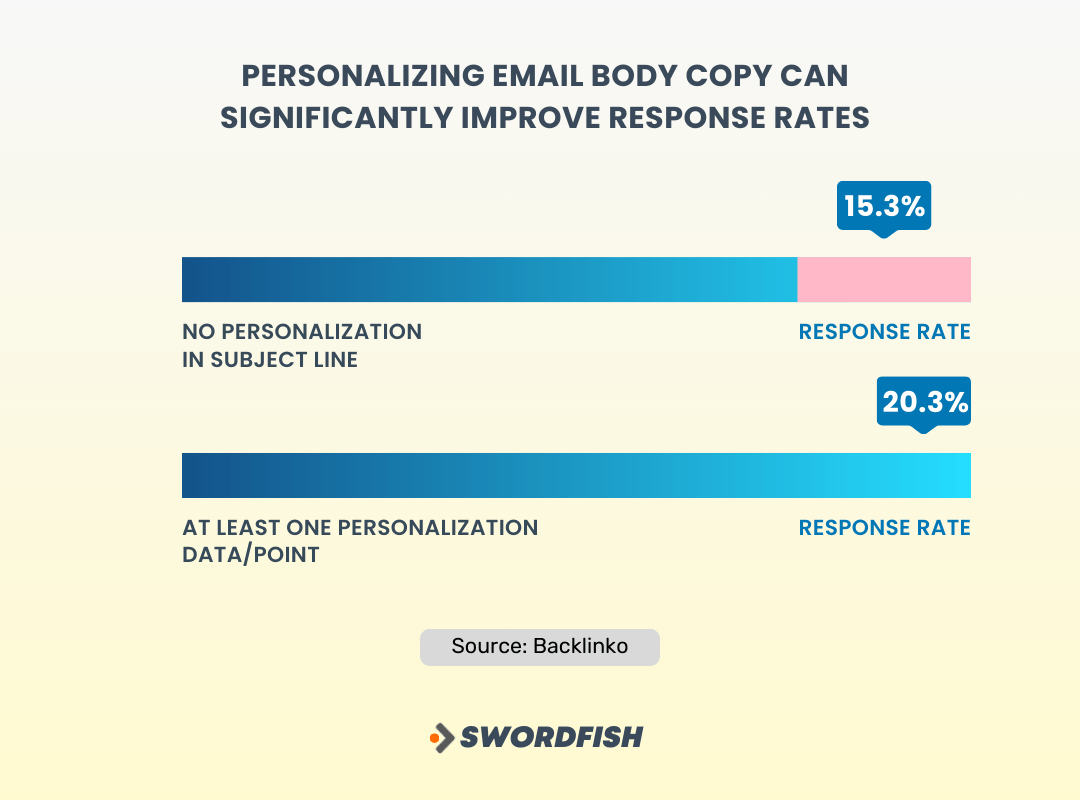
This approach means referencing a recent, real event tied to the recipient: a promotion, an award, a new certification, or a publication. It’s a small detail, but it makes the email feel less like a mass send and more like a message meant for that specific person.
Example Template
Subject: Congratulations on Your Recent Achievement!
Hi [Recipient’s Name],
I hope this message finds you well. I wanted to take a moment to extend my heartfelt congratulations on your recent [mention the specific achievement, e.g., award, promotion, milestone]. It’s truly impressive and a testament to your hard work and dedication.
I came across the news and couldn’t help but reach out to someone who is making such significant strides in [mention relevant field or industry]. Your accomplishments are inspiring, and I’m eager to learn more about how you’re driving success.
If you have a moment to spare, I’d love to connect and hear more about your journey. Perhaps we could schedule a brief call next week? Please let me know a time that works for you, or feel free to share your availability.
Once again, congratulations on this fantastic achievement, [Recipient’s Name]. I look forward to the possibility of connecting soon.
Warm regards,
[Your Name]
[Your Position]
[Your Company]
Takeaway
This template works because it leads with genuine recognition rather than a pitch. The call-to-action stays soft, a conversation rather than a demo request, which fits the tone of a congratulatory message. Verify the detail before sending; getting someone’s achievement wrong undoes the goodwill instantly.
2. Attention-Interest-Desire-Action (AIDA)
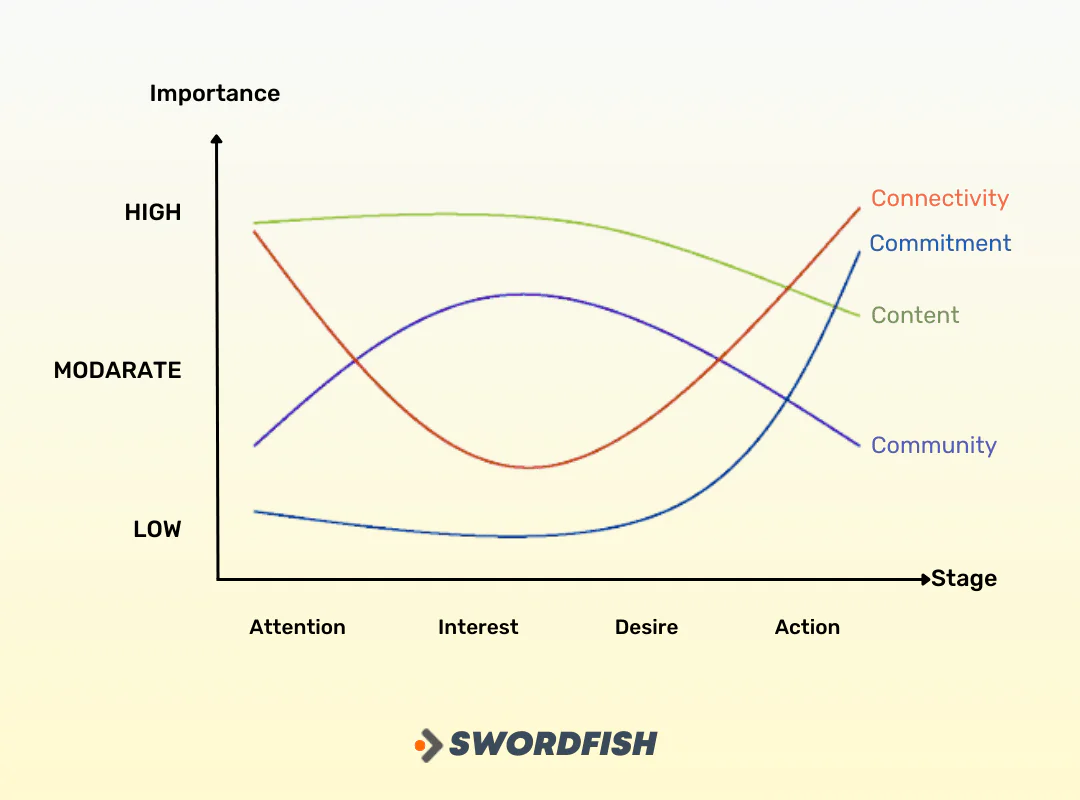
AIDA is a long-standing copywriting structure that maps cleanly onto a cold email:
- Attention: Grab the recipient’s attention with an engaging opening line or subject.
- Interest: Generate interest by explaining why your message is relevant and valuable to them.
- Desire: Build desire by highlighting the benefits and value of your offer.
- Action: Encourage the recipient to take a specific action, such as replying to the email, scheduling a call, or visiting a website.
Example Template
Subject: Transform Your [Specific Challenge] with [Your Solution]
Hi [Recipient’s Name],
Are you struggling with [specific challenge]? We understand how [challenge] can be frustrating and time-consuming.
Our [Your Solution] is designed to make your life easier. With features like [highlight key features or benefits], you’ll be able to [specific outcomes or benefits].
Imagine [describe positive outcome], all with just a few clicks. It’s that simple!
Ready to take the first step towards a more streamlined and efficient [process/operation]? Reply to this email or click [link to a landing page] to learn more.
Looking forward to helping you [achieve specific benefits],
[Your Name]
[Your Position]
[Your Company]
Takeaway
This email follows the AIDA structure step by step: it opens on a pain point, introduces the fix, paints the outcome, then asks for a specific action. The formula works well when the pain point is accurate. If the recipient doesn’t actually recognize the problem you named, the rest of the email loses its footing.
3. Direct Value Proposition
A direct value proposition skips the buildup and states the benefit right away. It works when your offer is easy to understand at a glance and you have a credible result to back it up.
Example Template
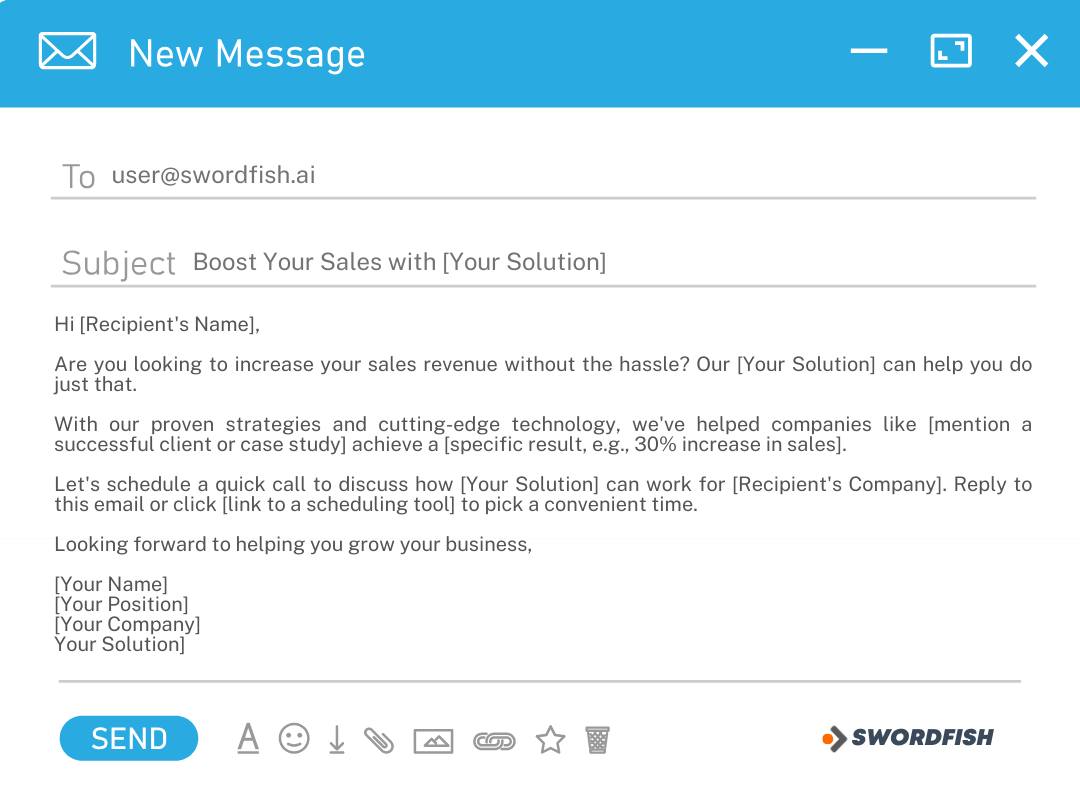
Subject: Boost Your Sales with [Your Solution]
Hi [Recipient’s Name],
Are you looking to increase your sales revenue without the hassle? Our [Your Solution] can help you do just that.
With our proven strategies and cutting-edge technology, we’ve helped companies like [mention a successful client or case study] achieve a [specific result, e.g., 30% increase in sales].
Let’s schedule a quick call to discuss how [Your Solution] can work for [Recipient’s Company]. Reply to this email or click [link to a scheduling tool] to pick a convenient time.
Looking forward to helping you grow your business,
[Your Name]
[Your Position]
[Your Company]
Takeaway
The value proposition here is stated plainly in the first two lines, then backed by a specific result. Only cite a client outcome you can actually substantiate; a vague or invented statistic reads as noise and damages trust faster than a generic email would.
4. Three-Sentence Introduction
This format forces brevity: who you are, what you offer, and why it matters, all in three sentences before the ask. It works best when the recipient is busy and unlikely to read past the first few lines anyway.
Example Template:
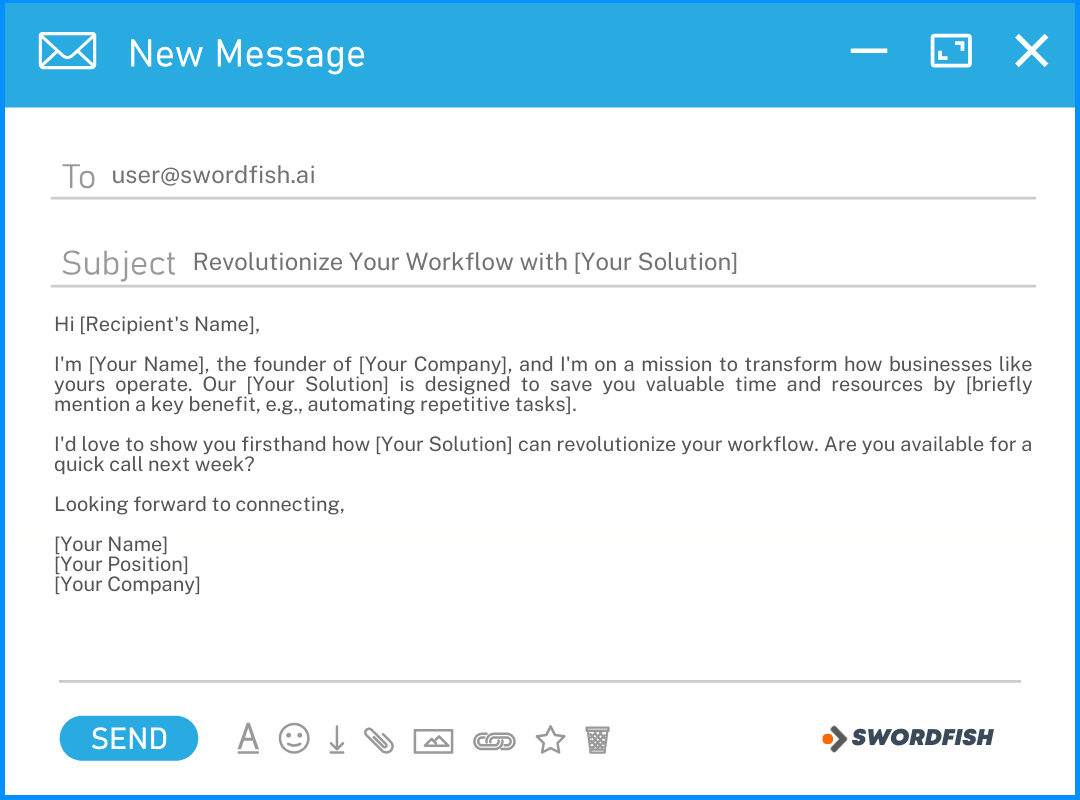
Subject: Revolutionize Your Workflow with [Your Solution]
Hi [Recipient’s Name],
I’m [Your Name], the founder of [Your Company], and I’m on a mission to transform how businesses like yours operate. Our [Your Solution] is designed to save you valuable time and resources by [briefly mention a key benefit, e.g., automating repetitive tasks].
I’d love to show you firsthand how [Your Solution] can revolutionize your workflow. Are you available for a quick call next week?
Looking forward to connecting,
[Your Name]
[Your Position]
[Your Company]
Takeaway
The strength of this template is its economy: no wasted lines before the ask. It works especially well with recipients who are senior enough to prefer directness over a warm-up.
5. Request for Introduction
A request for introduction asks the recipient to connect you with someone else in their network rather than pitching them directly. It’s useful when you’ve identified the right target but don’t yet have a direct line to them.
Example Template
Subject: Introduction to [Desired Contact’s Name] at [Their Company]
Hi [Recipient’s Name],
I hope this message finds you well. I’m writing to you because I’ve been following the impressive work of [Desired Contact’s Name] at [Their Company], and I’m eager to connect with them. I noticed that you’re connected with them on LinkedIn, and I was wondering if you might be open to introducing us.
I believe there could be valuable opportunities for collaboration between our companies, and I’d greatly appreciate the chance to explore this further with [Desired Contact’s Name]. If you’re comfortable with it, I can provide a brief introduction message for your consideration.
Thank you for considering my request, [Recipient’s Name]. I look forward to hearing from you.
Warm regards,
[Your Name]
[Your Position]
[Your Company]
Takeaway
This works because it’s low-pressure for the recipient. Make it easy for them to say yes by offering to draft the intro message yourself, as shown here, so all they have to do is forward it.
6. Before-After-Bridge (BAB) Technique
BAB is a storytelling structure that walks the recipient through a problem, a better future state, and your product as the bridge between the two. It works well when the pain point is something the recipient has clearly experienced firsthand.
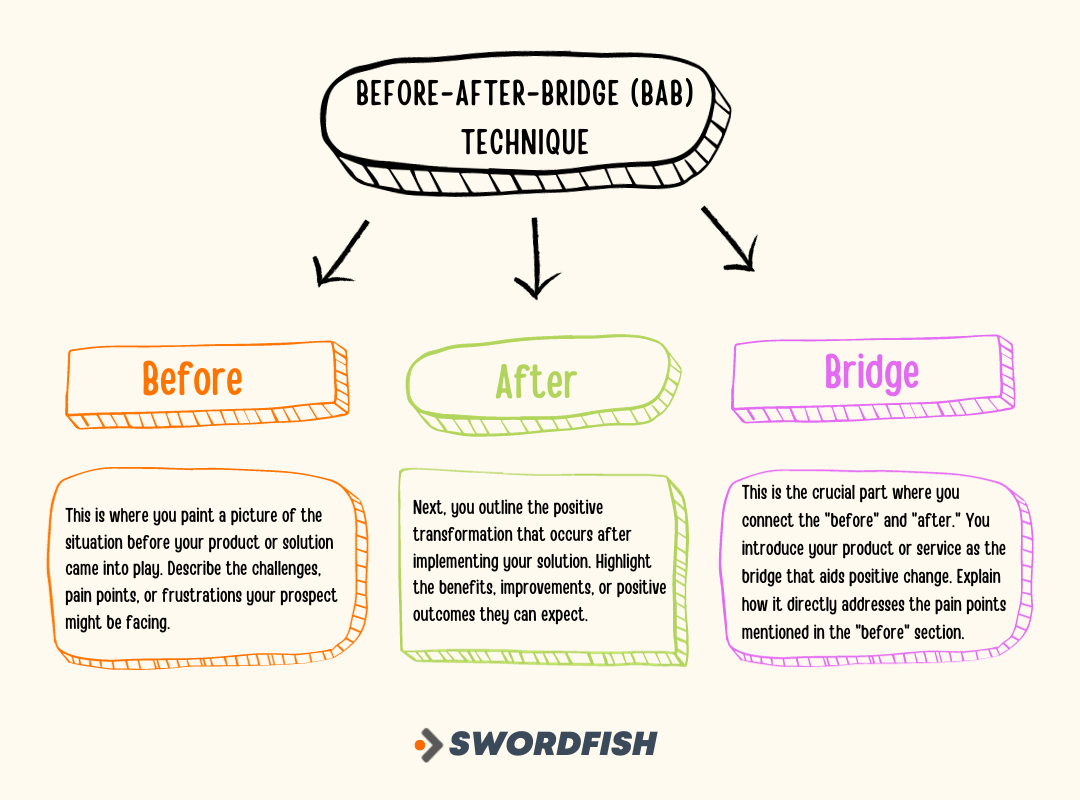
- Before: This is where you paint a picture of the situation before your product or solution came into play. Describe the challenges, pain points, or frustrations your prospect might be facing.
- After: Next, you outline the positive transformation that occurs after implementing your solution. Highlight the benefits, improvements, or positive outcomes they can expect.
- Bridge: This is the crucial part where you connect the “before” and “after.” You introduce your product or service as the bridge that aids positive change. Explain how it directly addresses the pain points mentioned in the “before” section.
Example Template
Subject: Streamline Your Workflow with [Your Solution]
Hi [Prospect’s Name],
Before discovering [Your Solution], many [industry/role-specific pain points] were causing headaches for professionals like you. The struggle to [specific challenge] and [additional pain point] likely took up valuable time and energy.
Imagine a scenario where these hurdles are a thing of the past. With [Your Solution], you can experience a seamless workflow, eliminating [mentioned challenges]. This means more time for high-impact tasks and less frustration in your day-to-day operations.
Our [product/service] acts as the bridge between your current challenges and the optimized workflow you deserve. It’s designed to [highlight key features/benefits] tailored to professionals in your industry.
I’d be happy to provide more information or schedule a quick call to discuss how [Your Solution] can make a meaningful difference for you. Just let me know a time that works for you, or feel free to book a slot in my calendar [include calendar link].
Looking forward to potentially revolutionizing your workflow!
Best regards,
[Your Name]
[Your Position]
[Your Company]
Takeaway
The BAB structure gives the recipient a before-and-after they can picture concretely, then hands them the bridge. It falls flat if the “before” state is generic; the more specific the pain point, the more it resonates.
7. Mention Competitor’s Product
Referencing a competitor’s product the recipient likely already uses can be an effective attention-grabber, provided you have a genuine, specific differentiator to offer instead of a vague claim of being “better.”
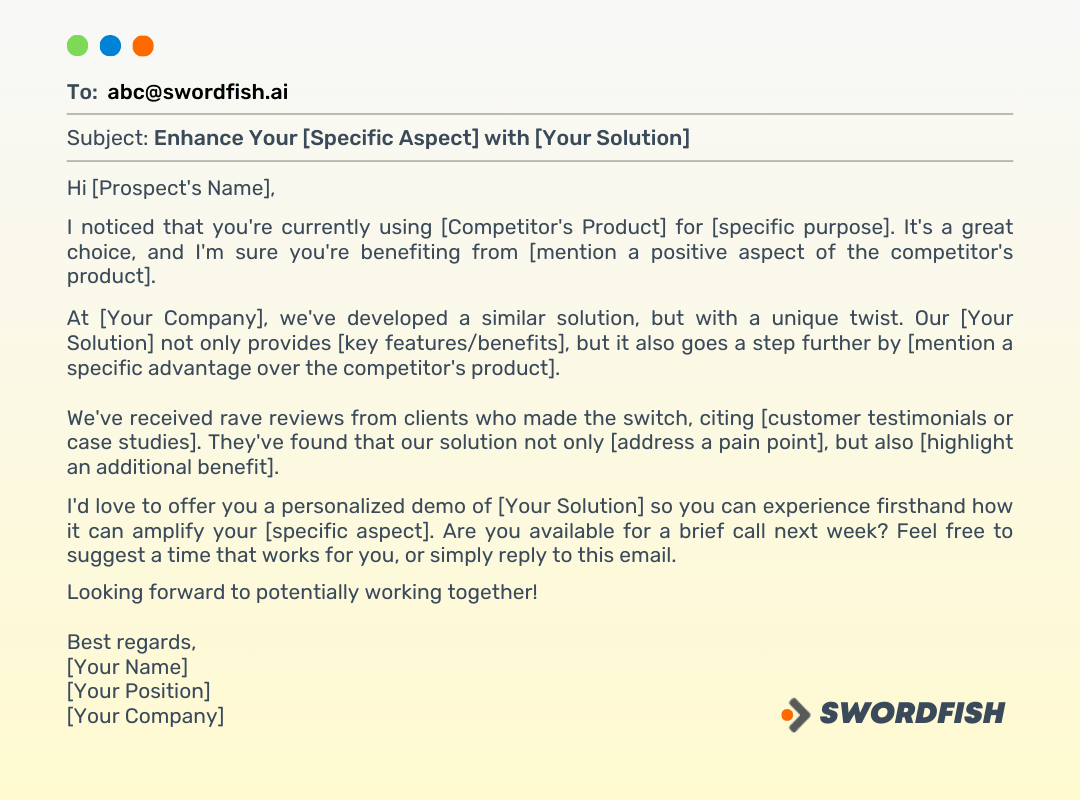
The approach acknowledges that the recipient is likely already using a competing product, then highlights what your offering does differently or better. It works best when you can point to a concrete gap the competitor doesn’t address.
Example Template
Subject: Enhance Your [Specific Aspect] with [Your Solution]
Hi [Prospect’s Name],
I noticed that you’re currently using [Competitor’s Product] for [specific purpose]. It’s a great choice, and I’m sure you’re benefiting from [mention a positive aspect of the competitor’s product].
At [Your Company], we’ve developed a similar solution, but with a unique twist. Our [Your Solution] not only provides [key features/benefits], but it also goes a step further by [mentioning a specific advantage over the competitor’s product].
We’ve received rave reviews from clients who made the switch, citing [customer testimonials or case studies]. They’ve found that our solution not only [address a pain point], but also [highlight an additional benefit].
I’d love to offer you a personalized demo of [Your Solution] so you can experience firsthand how it can amplify your [specific aspect]. Are you available for a brief call next week? Feel free to suggest a time that works for you, or simply reply to this email.
Looking forward to potentially working together!
Best regards,
[Your Name]
[Your Position]
[Your Company]
Takeaway
Acknowledging the recipient’s existing choice first, rather than dismissing it, keeps the tone respectful. Back up the pitch with a real, verifiable example if you can; unsupported claims of superiority tend to backfire with technical or clinical buyers who will ask follow-up questions.
8. Problem-Agitate-Solution (PAS)
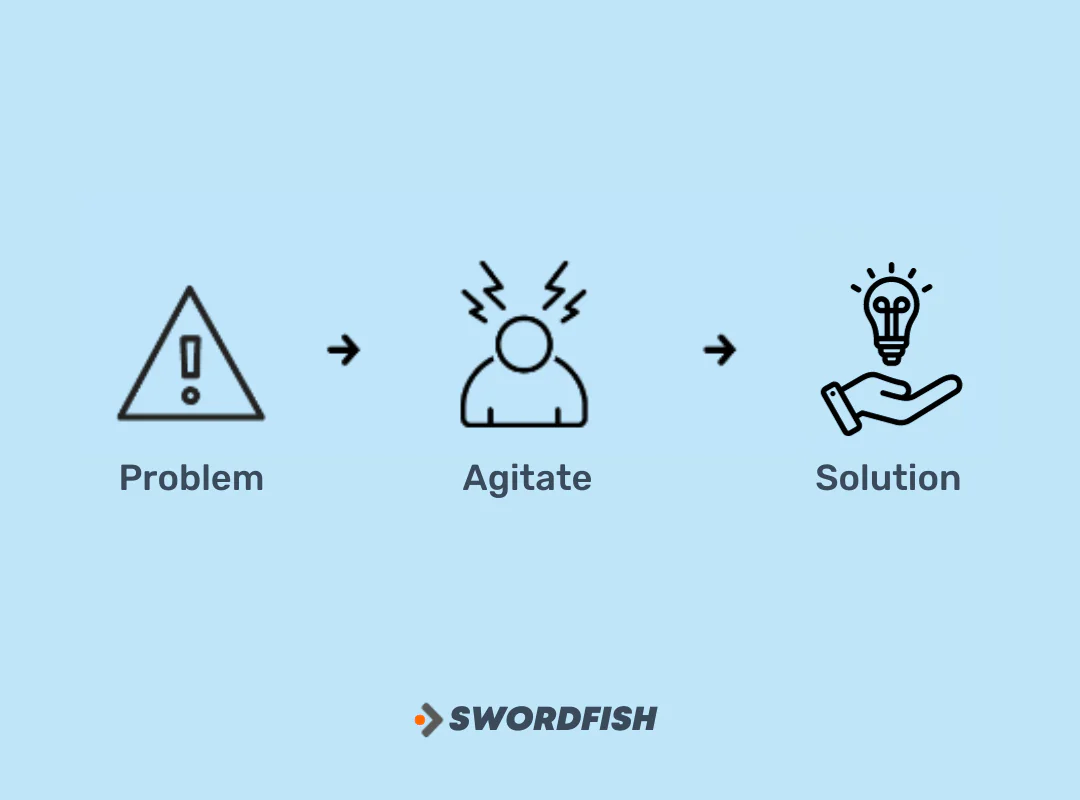
PAS names a problem, spells out its consequences, and then offers the fix. It’s one of the more direct persuasion structures and works well for recipients who are already aware of the problem but haven’t prioritized solving it.
Example Template
Subject: Streamline Your [Specific Process] with [Your Solution]
Hi [Prospect’s Name],
Are you tired of [specific problem or pain point related to the recipient’s industry or role]? We understand how frustrating it can be to [agitate the issue]. It not only hinders productivity, but it also [mention additional negative consequences].
At [Your Company], we’ve developed a solution that’s tailored to address precisely this challenge. Our [Your Solution] is designed to [mention key benefits that directly counter the identified problem]. By implementing [Your Solution], you’ll experience a significant improvement in [specific outcomes or results].
We’ve had the privilege of helping [mention successful clients or case studies] overcome similar hurdles and achieve remarkable results. They’ve found that [specific testimonials or statistics illustrating the impact of Your Solution].
I’d love to schedule a time for a personalized demo of [Your Solution] so you can witness firsthand how it can revolutionize your [specific process]. Are you available for a brief call next week? Feel free to suggest a time that works for you, or simply reply to this email.
Looking forward to the possibility of working together!
Warm regards,
[Your Name]
[Your Position]
[Your Company]
Takeaway
PAS works when the “agitate” step is grounded in a real consequence the recipient recognizes, not exaggerated pain that feels manipulative. Keep the agitation brief; one or two sentences is usually enough before moving to the solution.
9. Clarifying the Right Contact
Sometimes you’re not sure who the right decision-maker is inside an organization. This template asks the recipient directly, either confirming they’re the right person or asking them to point you elsewhere.
Example Template
Subject: Inquiry About the Right Contact at [Company Name]
Hi [Prospect’s Name],
I hope this email finds you well. My name is [Your Name], and I’m reaching out to [Your Company]. I’ve been conducting some research on [Company Name] and am interested in discussing how our [Product/Service] could potentially benefit your organization.
However, I want to ensure I’m connecting with the right person who handles [specific area related to your product/service]. If I’m mistaken and you’re not the appropriate contact, could you kindly direct me to the person in charge of [specific area]?
I greatly appreciate your assistance, and I apologize for any inconvenience caused by this inquiry. Your guidance will be invaluable in helping us connect with the right individual.
Thank you for your time, [Prospect’s Name]. I look forward to potentially connecting with you or the designated contact person.
Warm regards,
[Your Name]
[Your Position]
[Your Company]
Takeaway
This works because it’s honest about the uncertainty rather than pretending you already know who to talk to. It also doubles as a soft introduction if the recipient does turn out to be the right contact. In organizations with layered decision-making, such as hospital systems or multi-site medical groups, this approach can save several rounds of misdirected outreach.
10. Praise-Picture-Push (PPP)
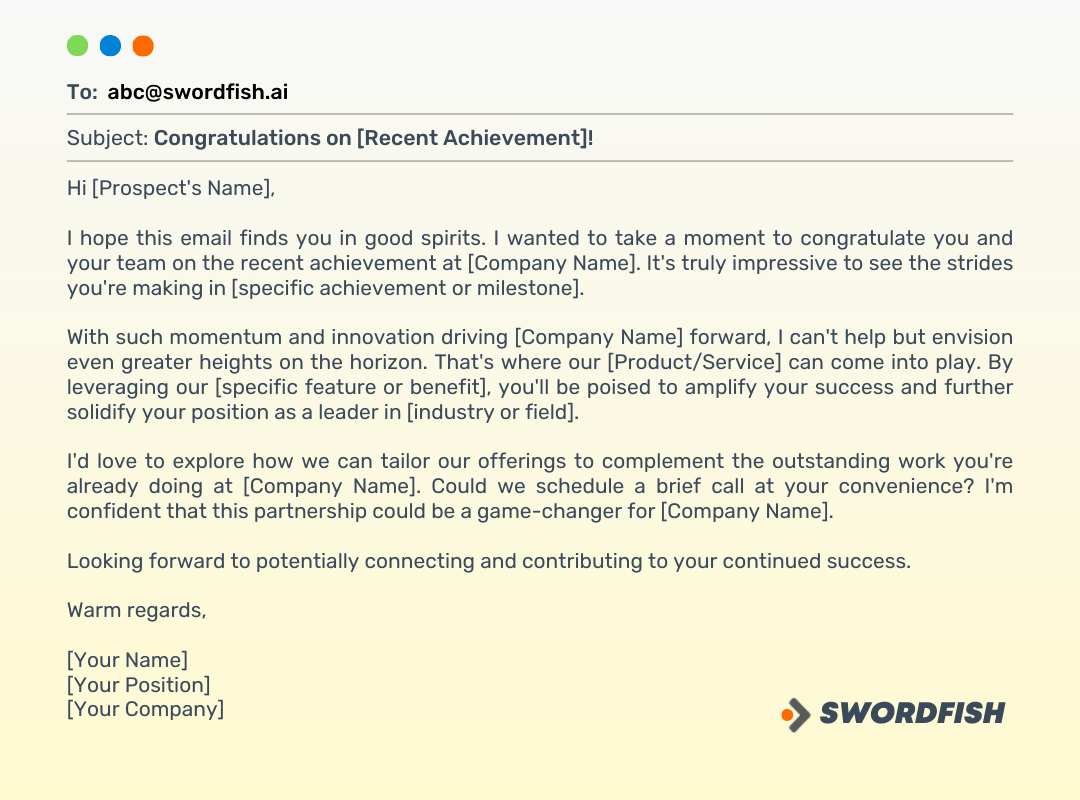
The Praise-Picture-Push (PPP) technique is a cold email for b2b strategy that opens with genuine recognition, then paints a picture of what’s possible, then asks for a specific next step.
Example Template
Subject: Congratulations on [Recent Achievement]!
Hi [Prospect’s Name],
I hope this email finds you in good spirits. I wanted to take a moment to congratulate you and your team on the recent achievement at [Company Name]. It’s truly impressive to see the strides you’re making in [specific achievement or milestone].
With such momentum and innovation driving [Company Name] forward, I can’t help but envision even greater heights on the horizon. That’s where our [Product/Service] can come into play. By leveraging our [specific feature or benefit], you’ll be poised to amplify your success and further solidify your position as a leader in [industry or field].
I’d love to explore how we can tailor our offerings to complement the outstanding work you’re already doing at [Company Name]. Could we schedule a brief call at your convenience? I’m confident that this partnership could be a game-changer for [Company Name].
Looking forward to potentially connecting and contributing to your continued success.
Warm regards,
[Your Name]
[Your Position]
[Your Company]
Takeaway
PPP works because praise comes first and feels unconditional, before any ask is made. The picture step should describe a plausible next milestone, not an exaggerated promise, and the push should stay narrow: one call, one clear reason for it.
11. Website Interaction Follow-up
This template follows up with someone who has already engaged with your website, whether that’s visiting a specific page or downloading a resource. It works because the recipient already has some context for who you are.
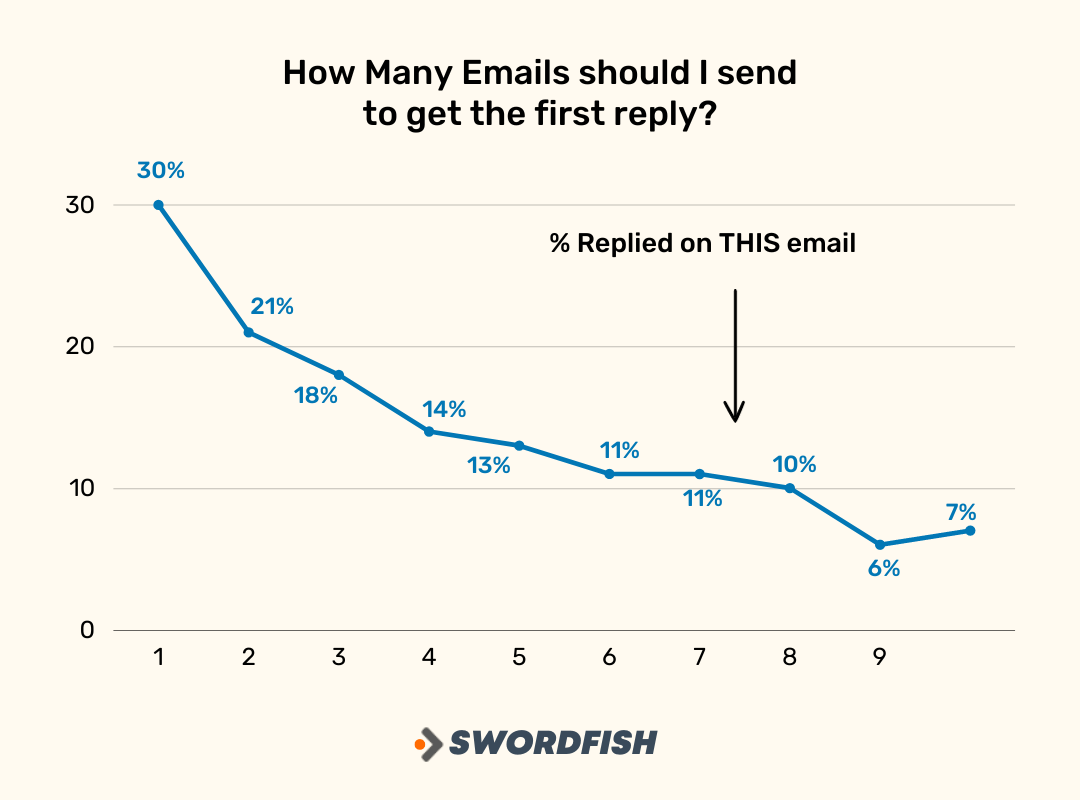
Persistence pays off in outreach generally. Research from Yesware found that a second follow-up email can pick up replies even after a first email goes unanswered, and a later follow-up can still land a response. The lesson holds even as overall reply rates have tightened industry-wide: a well-timed follow-up often does more work than a longer initial email.
Example Template
Subject: [Specific Page/Content] – Further Insights
Hi [Prospect’s Name],
I hope this email finds you well. I noticed that you recently visited our [specific page/content] on our website. I wanted to take a moment to thank you for showing interest in [topic/product/service].
Since you’ve expressed interest in [topic], I thought you might find additional resources valuable. I’ve included a couple of articles below that delve deeper into [related topic]. Feel free to explore them at your convenience:
[Link to Resource 1]
[Link to Resource 2]
If you have any questions or would like further information, please don’t hesitate to reach out. I’d be more than happy to provide any assistance you may need.
Thank you again for your interest, and I look forward to the possibility of connecting further.
Warm regards,
[Your Name]
[Your Position]
[Your Company]
Takeaway
This works because it’s earned attention, the recipient already showed interest, so the follow-up isn’t cold in the strictest sense. Keep the added resources tightly relevant to whatever they originally viewed; unrelated content undoes the personalization.
12. Share Relevant Resource
Sharing a genuinely useful resource, such as an article, report, or guide, establishes credibility before you ask for anything. It works best when the resource is something you’d recommend even if the recipient never becomes a customer.
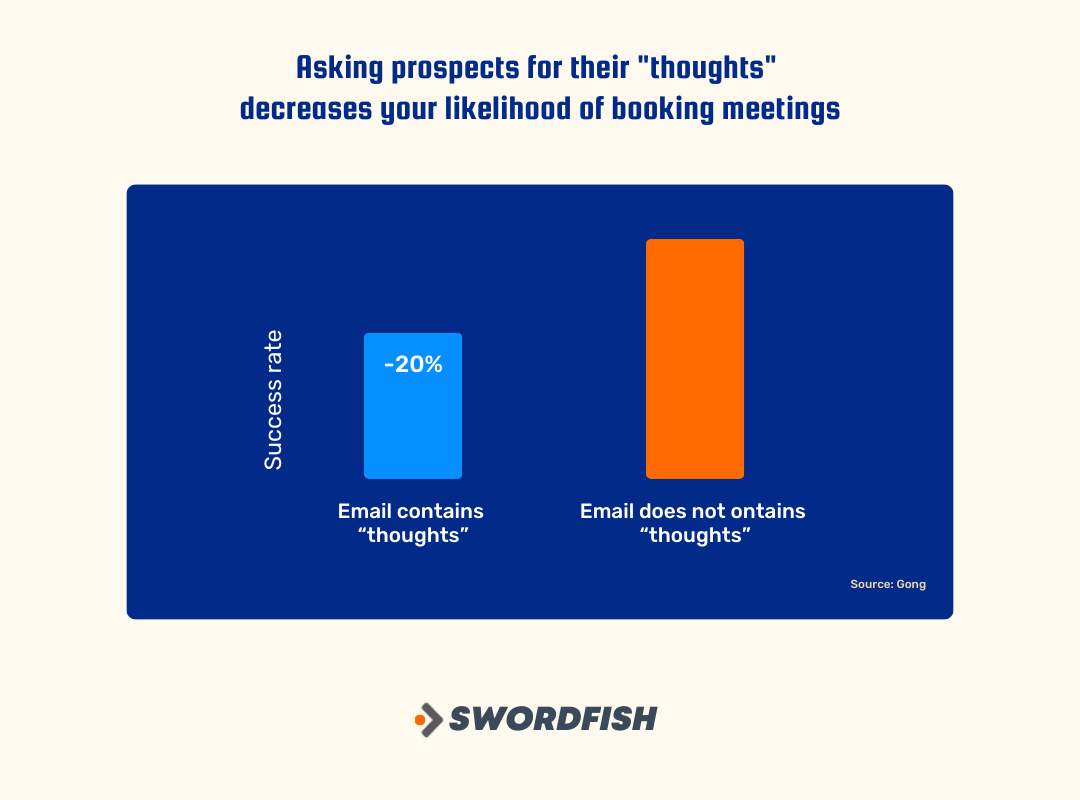
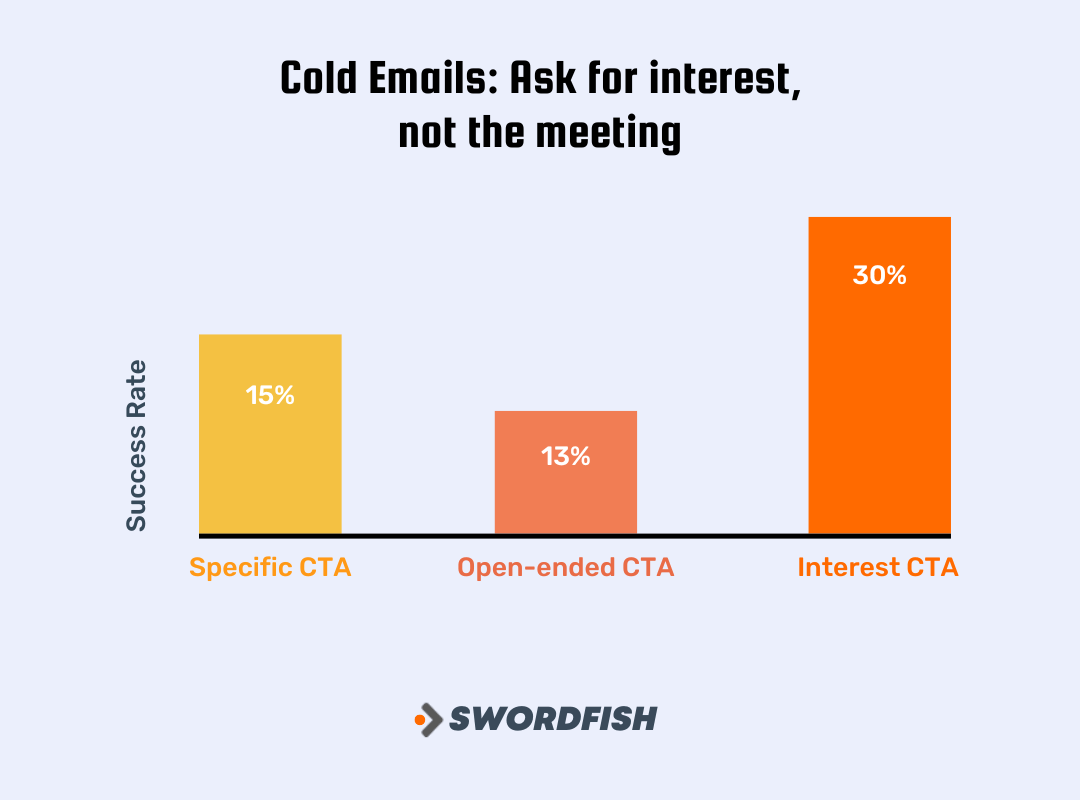
A study by Gong, a revenue intelligence platform, found that “interest CTAs” have a 30% success rate, double that of other CTAs. Conversely, asking for “thoughts” decreases conversion chances by 20%.
Example Template
Subject: Valuable Resource for [Specific Topic]
Hi [Prospect’s Name],
I hope this message finds you well. I wanted to share a resource that I believe could be extremely valuable to you and your team, especially in the context of [specific topic or pain point].
I recently came across this insightful article titled “[Title of Resource]” written by [Author/Source]. It provides in-depth insights and practical strategies for [relevant topics]. I found it particularly relevant given your industry expertise in [mention industry or field].
Here’s the link to the article: [Insert Link]
I trust you’ll find it as beneficial as I did. If you have any thoughts or questions after reading it, I’d be eager to hear your perspective.Wishing you a productive day ahead!
Warm regards,
[Your Name]
[Your Position]
[Your Company]
Takeaway
This approach flips the usual dynamic: instead of asking the recipient for their time, you’re giving them something first. Choose a CTA that invites interest rather than a vague request for feedback, in line with the CTA phrasing findings above.
Best Practices for Cold Email Outreach
These templates work best inside a broader set of habits. A few practical guidelines cut across all 12 formats above.
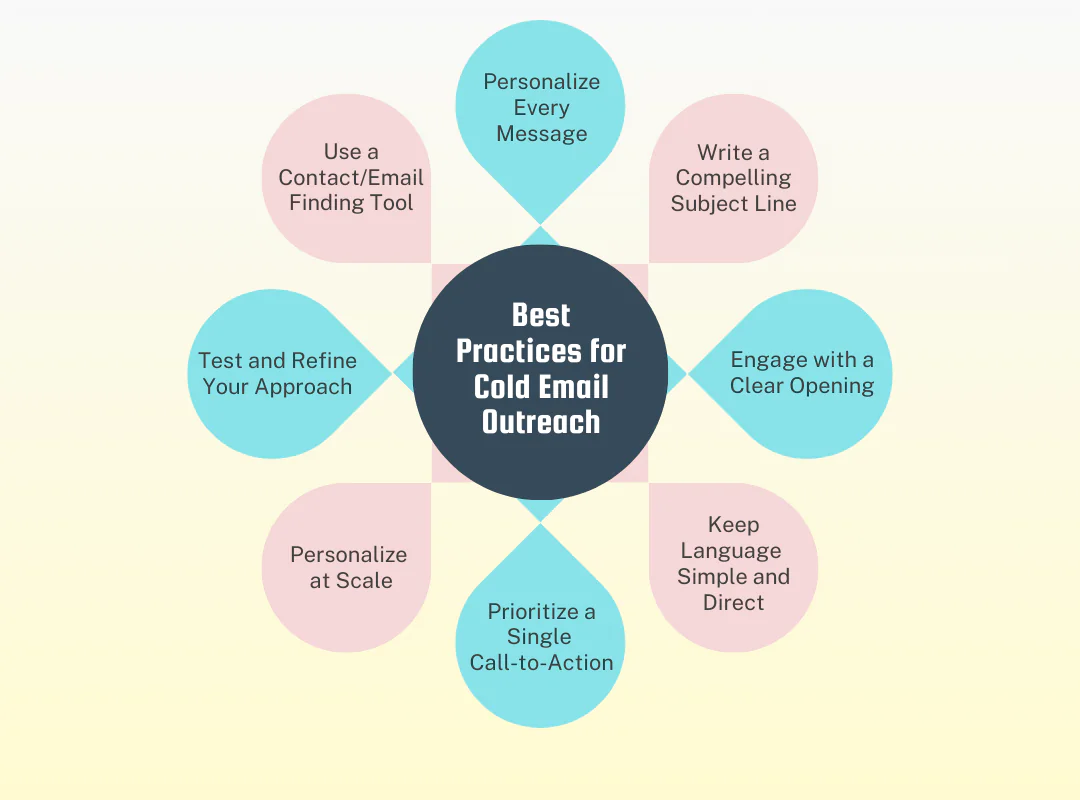
Personalize Every Message
Make each email feel tailored, not templated. Include the recipient’s name, organization, or a recent, verifiable detail about their work.
Write a Compelling Subject Line
Aim for something specific and relevant rather than generic. Most outreach messages go unanswered, and Backlinko suggests that only a small share, around 8.5%, get a reply at all, which makes the subject line’s job, getting the email opened in the first place, especially important. Length matters too: several recent studies point to subject lines in a moderate range, roughly 30 to 50 characters, outperforming both very short and very long alternatives, though results vary by list and industry.
Engage with a Clear Opening
The opening line should build on the subject line’s promise and speak directly to the recipient’s situation or pain point.
Keep Language Simple and Direct
Avoid jargon and dense phrasing. Clear, plain language reads faster and translates better across roles, especially with clinical or administrative recipients who may not share your industry’s shorthand.
Prioritize a Single Call-to-Action
One clear ask per email. Multiple options create friction and reduce the odds of any response at all.
Personalize at Scale
You can personalize efficiently without spending hours per contact. A few minutes reviewing a recipient’s profile or recent activity is usually enough for a meaningful reference.
Test and Refine Your Approach
Track reply rates by segment and template, not just opens. Overall cold email reply rates have tightened industry-wide in recent years, which makes list quality and targeting more important than volume.
How Swordfish Can Help You With Cold Emailing?
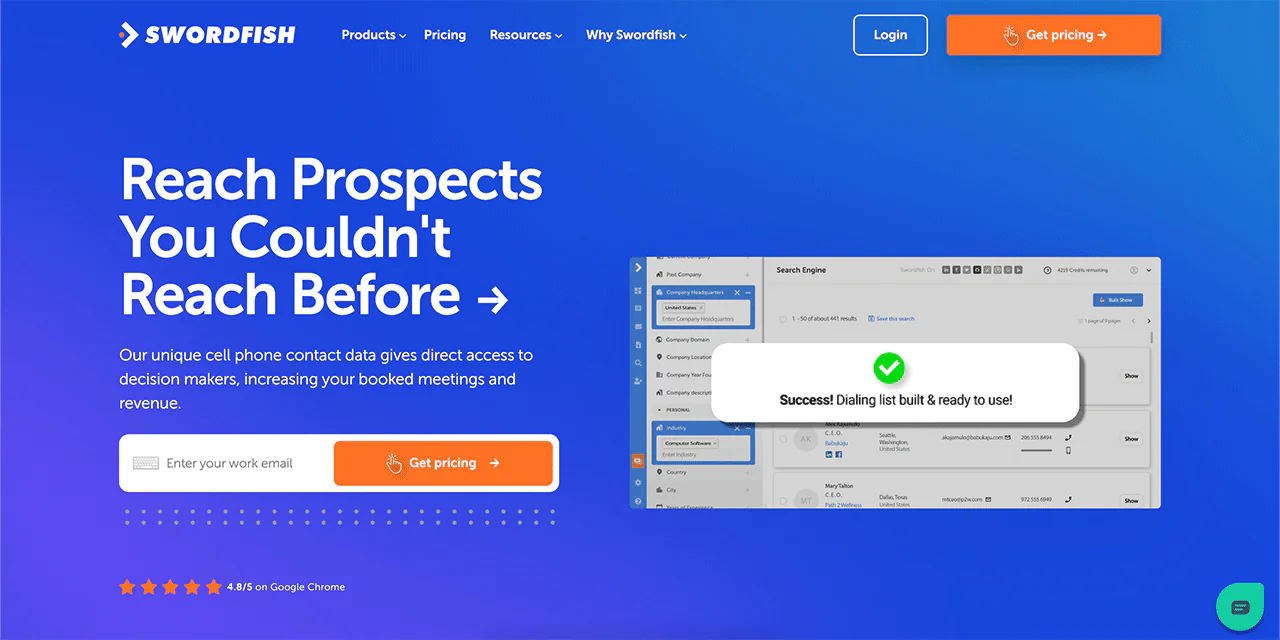
A well-written template only works if it reaches the right inbox. That means starting with accurate contact data, especially in healthcare, where practice managers, clinicians, and administrators change roles and organizations often.
Before you launch a cold email campaign, make sure you have the right B2B lead generation and sales prospecting tool in hand. It should help you find precise contact details like email addresses, direct dial phone numbers, and mobile numbers for the decision-makers you’re targeting.
Swordfish’s prospector helps you fuel your sales pipeline in bulk. You can also create email lists in seconds with advanced filters and suppression for accurate lead generation.
Consider giving Swordfish AI a try. It offers B2B and B2C contact information, including executive, managerial, and key decision-maker email addresses and cell phone numbers. Get started with Swordfish AI today!
 Try Swordfish Ai
Conclusion
Well-crafted cold email templates give your outreach a solid foundation, but the template is only the starting point. Personalize each one, keep the ask singular, and match the tone to the recipient’s role and situation.
Combine that structure with the fundamentals: a specific subject line, a focused body, and a genuine reason for reaching out. Compliance matters just as much as copywriting. Make sure your outreach honors opt-out requests, avoids misleading subject lines, and follows applicable regulations like the CAN-SPAM Act, along with any industry-specific privacy considerations relevant to your recipients.
With the right templates and accurate contact data, persistence pays off. Don’t let a quiet first attempt discourage a well-timed follow-up.
FAQs
How do I ensure my cold emails comply with privacy regulations like GDPR?
Obtain explicit consent or have a legitimate interest in contacting individuals. Include an opt-out option, provide transparent information about data usage, and ensure secure data handling practices.
Should I include attachments in my cold emails?
Generally, avoid attachments in cold emails, since they can trigger spam filters. Provide links to relevant resources or web pages instead.
How often should I follow up on a cold email if I don’t receive a response?
A common practice is to send two to three follow-up emails spaced a few days apart. Be persistent but not aggressive, and use each follow-up to add value or address a specific concern rather than simply repeating the first message.