
 View Products


Last updated: September 3, 2026

Most cold calls end the same way: a quick hang-up. There is a 2% chance of conversion, and the vast majority of calls never make it past the first few seconds.
That gap between effort and result usually comes down to a handful of avoidable mistakes: a shaky opener, a script that sounds like a script, or a pitch that misses what the prospect actually cares about. For teams selling into healthcare—where the person answering the phone might be a busy office manager, a practice administrator, or a physician between patients—those mistakes are even more costly because the window to earn attention is shorter.
This collection of cold calling examples is built to help you sidestep the common pitfalls and have a more useful conversation, whether you’re prospecting healthcare practices or any other B2B audience. Below, you’ll find scenario-based scripts, the reasoning behind each one, and practical notes on adapting them.
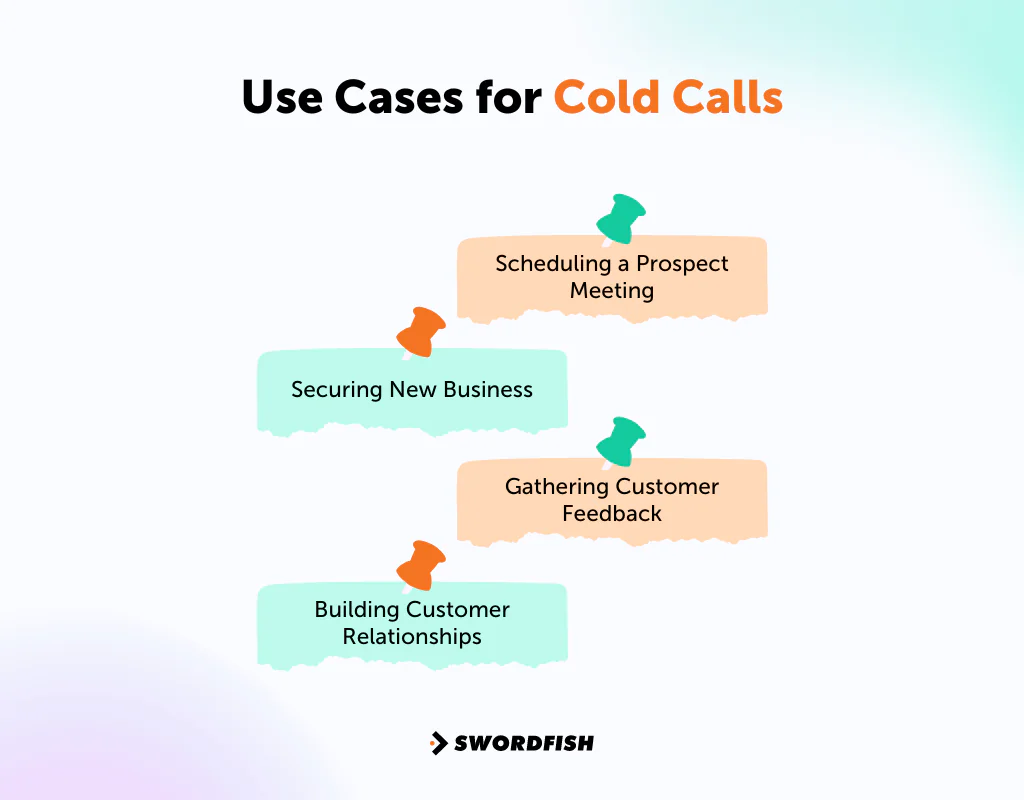
Use Cases for Cold Calls
The average salesperson picks up and makes 52 calls per day, and roughly a third of that volume is dedicated to selling. So what is cold calling, exactly?
Cold calling is when someone from a company calls a person they haven’t spoken with before, with the goal of introducing a product or service and gauging interest. It’s a low-commitment way to open a conversation and test whether there’s a real fit.
92% of all customer interactions take place on the phone, which is part of why cold calling remains a core sales and marketing tactic despite its low hit rate. The phone still gets you a real-time, human reaction that email and social outreach can’t replicate.
Scheduling a Prospect Meeting
This is a friendly introduction over the phone aimed at arranging a time for a face-to-face or virtual meeting—essentially asking, “Can we set aside 15 minutes to talk about how this could help you?”
Securing New Business
This is a direct outreach to a potential customer to offer something they might need. It’s the sales equivalent of knocking on a door and asking if they’re interested in hearing more.
Gathering Customer Feedback
Here you’re calling existing customers to hear how things are going and where the product or service could improve. It’s less about selling and more about listening.
Building Customer Relationships
This is a check-in call with current customers to maintain the relationship and surface any needs before they become a problem or a churn risk.
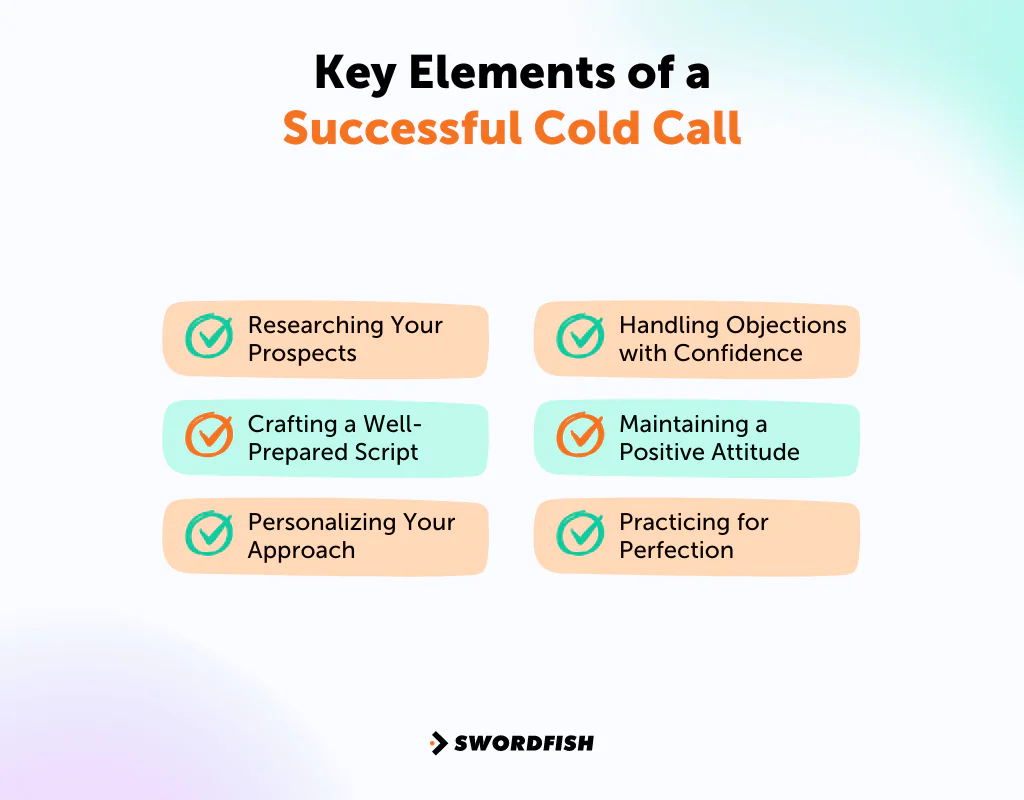
Key Elements of a Successful Cold Call
Cold calling requires a strategic approach to engage prospects effectively, something you’ll pick up from the sales call script examples below.
A notable 75% of prospects across industries said an unexpected cold call motivated them to attend an event or arrange a meeting.
Separately, RAIN Group found that roughly 70% of buyers are open to receiving cold calls from unfamiliar providers, while about 80% are receptive to calls from providers they’ve previously engaged with.
Before you pick up the phone, here are the elements worth mastering:
- Researching Your Prospects: Learn something real about the person or organization before calling. In healthcare outreach, that might mean knowing the practice’s specialty, size, or recent changes in staff—details that show you did your homework instead of dialing from a generic list.
- Crafting a Well-Prepared Script: With effective inside sales strategies, having a clear plan for what you’ll say keeps the call on track without sounding robotic.
- Personalizing Your Approach: Reference something specific to the prospect’s situation so the call feels like a conversation, not a broadcast.
- Handling Objections with Confidence: Anticipate pushback—budget, timing, “we already have a vendor”—and have a calm, honest response ready.
- Maintaining a Positive Attitude: Tone carries as much weight as content, especially in the first ten seconds.
- Practicing for Perfection: Rehearsing builds the muscle memory that lets you sound natural instead of scripted.
Cold Calling Examples for Various Scenarios: Best Examples
Cold calling is an essential skill for sales professionals. Here are 11 scenario-based examples to help you make impactful calls and close deals effectively.
Initiating the Conversation: A Strong Foundation for Cold Calls
This scenario is about making a strong initial connection. It’s the first impression you make, so clarity and brevity matter more than a long pitch.
The goal is to grab the prospect’s attention, introduce yourself and your company, and establish a value proposition that piques interest.
Example Script:
“Hi John! I’m Sarah with Bright Solutions. I work with marketing teams like yours to streamline their campaign strategies and boost ROI. How’s your day going?”
Sarah introduces herself and her company, states the value proposition immediately, and then opens the conversation naturally by asking about the prospect’s day.
Navigating Gatekeepers: Strategies for Success
Gatekeepers filter incoming calls to make sure only relevant ones reach decision-makers. In healthcare settings, this is often a front-desk staffer or office manager protecting a physician’s time, so respect for their role matters as much as your pitch.
The goal is to politely and persuasively get past the gatekeeper to reach the intended contact.
Example Script
“Hi, I’m Sarah with Bright Solutions. I’m trying to reach Mr. Smith regarding a potential collaboration opportunity. I understand you’re responsible for managing Mr. Smith’s calls, and I greatly appreciate your assistance.
We specialize in marketing solutions, and I believe what we offer could significantly benefit Mr. Smith’s current initiatives. Would it be possible for you to connect me with Mr. Smith or provide his direct line?”
Sarah introduces herself, states her purpose, and acknowledges the gatekeeper’s role before making a specific request. Gatekeepers are more likely to help when they feel respected and understand why the call matters.
Identifying the Decision-Maker: Targeting the Right Contact
This scenario focuses on finding the person with actual purchasing authority. In healthcare accounts, decision-making can be split across a practice administrator, an office manager, and a physician-owner, so it’s worth confirming who owns the decision before pitching hard.
The goal is to gather information about the decision-making structure and identify the right contact.
Example Script
“Hi, I’m Alex with TechPro. I’m trying to connect with the person in charge of IT infrastructure. Could you help me with that? Could you let me know who handles IT infrastructure or technology solutions at your company? If you’re not sure, is there someone else you think I could speak with who might have this information?”
Alex introduces himself, states the area of interest, and asks directly for the responsible contact, with a fallback question if the gatekeeper doesn’t know.
Course Correction: Guiding the Conversation to the Right Person
Here you’ve reached someone who isn’t the right contact. The goal is to acknowledge the mismatch, ask for the correct person, and keep the tone light.
Example Script
“I’m sorry, John, I think I’ve got the wrong person on the line. I’m trying to reach someone who handles IT infrastructure. Who does that at your company?”
This script acknowledges the mix-up, states the area of interest, and asks for redirection—short, polite, and to the point.
Sealing the Deal: Script for Closed-Won Opportunities
You’ve closed a deal, and now the goal is to nurture the relationship, check on satisfaction, and explore referrals.
Example Script
“Hi John! It’s Jane with XYZ Company. How’s everything going for you with our product/service? That’s great! It looks like you’ve been making good use of it. Do you know anyone else in your field that could use our product/service? I’d be happy to get them a demo or offer you a referral bonus.”
This script strengthens the relationship first, then introduces the idea of referrals in a way that feels like a natural extension of the conversation rather than a hard ask.
Leveraging Mutual Connections: Building Rapport
When you share a mutual connection with a prospect, use it to build instant credibility and warm up the call.
Example Script
“Hi John, this is Jane with XYZ Company. I’ve been working with Mary to get our product up and running, and as we were talking about others who might enjoy this, she mentioned you specifically. She said you’ve been doing some really interesting work in your field. That’s so great. Well, I’d love to show you why Mary chose us over the competitors to generate results. What day this week is good for a quick product demonstration?”
Naming a known contact establishes trust quickly, and the script transitions smoothly into a concrete next step—a demo.
Engaging Voicemails: Making Every Message Count
Voicemail is often where cold calls actually land, so the message needs to spark enough curiosity to earn a callback.
Example Script:
“Hi John, this is Jane with XYZ Company. I wanted to share some exciting news with you. Our clients saw a 30% increase in productivity last quarter using our solution. I’d love to discuss how we could achieve similar results for your team. Please give me a call back at [your phone number].”
Leading with a concrete result and closing with a clear callback request gives the prospect a reason and a way to respond.
Setting the Stage: Effective Opening Lines
Once you’ve reached the prospect, the opening line sets the tone for everything that follows.
Example Script:
“Hello, Mr. Smith! Thank you for taking my call. I’m John with ABC Solutions. We specialize in streamlining operations for manufacturing companies. I wanted to connect with you today to discuss how our solutions could benefit your production process. Can you tell me a bit about how your current production process is working for you?”
Stating who you are and why you’re calling upfront, then handing the floor to the prospect with an open-ended question, keeps the call collaborative rather than one-sided.
Real Estate Elevator Pitch: Engaging Prospective Clients
As a real estate agent, you need a concise way to introduce yourself and your value. Use sales pitches that convert.
Example Script
“Hi, I’m Sarah, a real estate agent at Dream Homes Realty. I primarily focus on helping first-time homebuyers navigate the increasingly complex housing market. Have you noticed how tough it’s become for them lately?
My goal is to guide first-time homebuyers in finding their ideal home at a fair price, ensuring a smooth and enjoyable homeownership experience.
If you happen to know someone who’s thinking about purchasing their first home, I’d be delighted to have a chat with them. Can you think of anyone who might need assistance?”
This script names a specific niche, states the value clearly, and closes with a referral-focused question.
First Impressions Matter: Introducing Yourself Effectively
You’ve identified a prospect and need to make a cold call that establishes credibility from the first sentence.
Timing can matter too: some research points to a 46% surge in cold call success on Wednesdays compared to Mondays, so it’s worth testing different days against your own call logs rather than assuming one schedule works everywhere.
The goal is to make a strong first impression and highlight relevant experience. Here’s one of the best cold calling scripts for real estate.
Example Script
“Hello, this is John Smith from Prime Properties. I’ve been a proud resident of Central City alongside my spouse and children since 2009. With a 15-year career in real estate, I’ve navigated various market fluctuations and assisted over 200 small businesses in finding ideal commercial spaces. I’m committed to advocating for business owners seeking a space they can genuinely call their own.”
Specific tenure and track record details do more to establish credibility than general claims of expertise.
Overcoming Obstacles: Responding to Common Concerns
Here you’ve hit an objection mid-call. The goal is to address it honestly without getting defensive, and keep the conversation moving.
Example Script
Prospect: “I’m concerned about the cost.”
Agent: “I appreciate your concern about the cost. What you’ve raised is a valid concern. However, what’s interesting is that many clients initially have similar thoughts. Once they see the value and the return on investment, the cost becomes less of a concern. To address this, we could consider different packages tailored to your budget. Feel free to ask any more questions you may have. I’m here to help.”
Acknowledging the concern before reframing it keeps the prospect feeling heard rather than talked over.
Cold Calling with Swordfish AI: Elevate Your Prospecting Game
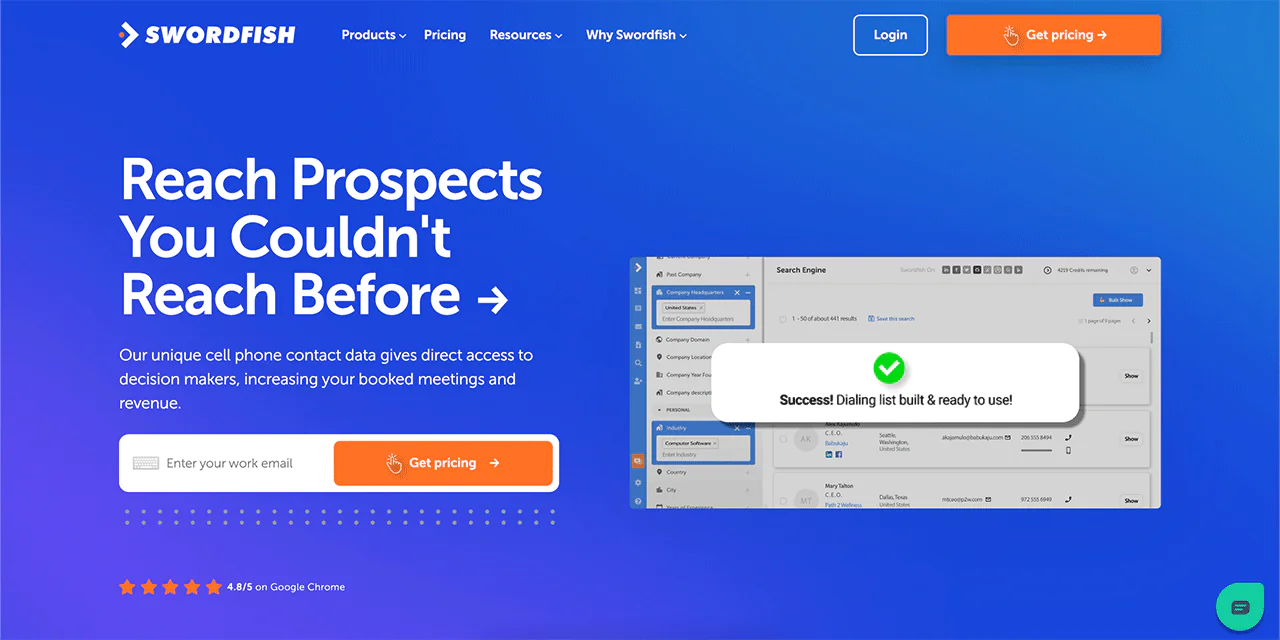
None of these scripts matter if you’re calling the wrong number or a disconnected line. That’s where having accurate, current contact data changes the math on cold calling—especially in healthcare, where staff turnover and practice changes can make contact lists go stale fast.
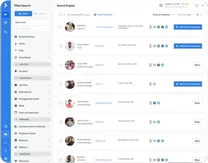
Swordfish Ai is built to help with exactly that. It offers an extensive contact database and locates and verifies contacts in real time with its prospector, aiming for accuracy on both phone and email records.
Bulk search and syncing with your existing tools can cut down the manual work of list-building. Filtering for the right decision-makers and exporting curated lists helps keep outreach focused rather than scattershot.
 Try Swordfish Ai
Conclusion
Mastering cold calling comes down to providing real value to the person on the other end of the line. These 11 examples are a starting point, not a rulebook—customize them to fit your business, your audience, and your own voice on the phone.
Do that consistently and you’ll spend less time getting hung up on and more time having conversations that actually go somewhere. Treat each script here as a template to adapt, not a line to memorize word for word.
FAQs
Should I use a script for cold calls?
A script as a guideline helps, but it’s important to sound natural rather than rehearsed. Adapt it to the prospect’s specific needs and concerns as the call unfolds.
How can I stay motivated and positive during cold calling sessions?
Break your calling sessions into manageable blocks, note small wins along the way, and treat each call as a chance to sharpen your approach rather than a pass/fail test.
What are some alternatives to traditional cold calling?
Alternatives include warm calling leads who’ve already shown interest, social selling on platforms where prospects are active, and email outreach campaigns.
Is it important to track and analyze cold call metrics?
Yes. Tracking call-to-conversion rate, call duration, and common objection types gives you a clearer picture of what’s working and where the script or targeting needs adjusting.