
 View Products


Last updated: September 3, 2026
B2B lead generation software has become a line-item budget priority rather than an optional add-on. The market is valued at $11.23 billion in 2025 and projected to reach $29.51 billion by 2034, growing at an 11.33% CAGR, according to Market Research Future. With most B2B marketers prioritizing lead generation and a large share committing more than half their budget to it, picking the right stack matters more than it did even a couple of years ago.
Key Takeaways:
- Multi-channel campaigns tend to cost meaningfully less per lead than single-channel approaches
- Quality leads, not lead volume, remain the top challenge for most B2B marketers
- AI-powered tools can lift lead generation and conversion rates noticeably when applied to targeting and personalization
- Average B2B lead costs vary widely by industry, so benchmark against your own vertical rather than an industry-wide average
This guide covers 15 b2b lead generation tools spanning free and paid options, from prospecting platforms to email automation and CRM integrations, so you can build a lead generation stack suited to your team’s size and goals in 2025.
The State of B2B Lead Generation in 2025
B2B lead generation has changed shape over the past few years. Tactics that worked well even 24 months ago feel dated in a more competitive landscape. Multi-channel campaigns generally achieve a lower average cost per lead than single-channel outreach, yet a large share of businesses still report struggling to generate enough leads.
The bigger issue for most teams isn’t volume, it’s quality. Companies are moving away from broad, unfocused outreach toward precision targeting, account-based marketing, and AI-assisted personalization as part of their b2b lead generation strategy.
Why B2B Lead Generation Tools Matter More Than Ever
Modern b2b lead generation software works as a competitive advantage multiplier. Teams using AI-driven targeting have reported meaningful increases in lead generation and conversion, per a recent case study on AI-driven lead targeting. These tools don’t just surface names, they qualify prospects, nurture them, and help guide increasingly complex B2B buying committees toward a decision.
The stakes are also higher in certain sectors. B2B technology purchases, for example, are known for long sales cycles and low overall lead conversion rates, which is a reminder that every tool in your stack has to earn its place.
How We Selected the Best B2B Lead Generation Tools
Our selection process focused on tools that deliver measurable results across five key criteria:
- Data Accuracy & Coverage: Real-time verification, comprehensive B2B databases, and GDPR/CCPA compliance
- Integration Capabilities: Seamless CRM connections and workflow automation
- User Experience: Intuitive interfaces that don’t require extensive training
- ROI Potential: Clear pricing models with demonstrable lead quality improvements
- Scalability: Tools that grow with your business from startup to enterprise
We prioritized tools that address the biggest pain points teams report: lead qualification, multi-channel outreach, and proving marketing ROI.
The 15 Best B2B Lead Generation Tools for 2025
1. Swordfish.ai – Contact Finding & Enrichment Platform
Best For: Teams needing accurate personal emails, cell phones, and direct dials
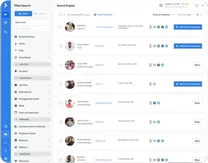
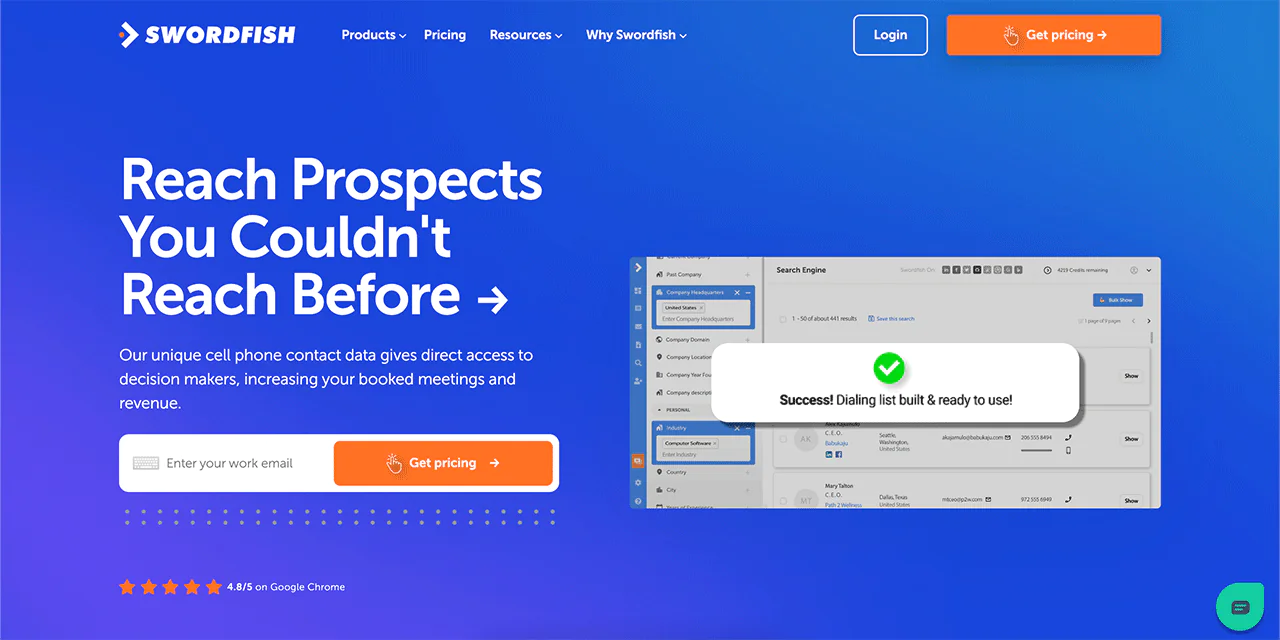
Swordfish.ai stands out in the crowded contact-finding space with its focus on both business and personal contact data. With over 200 live data partners and real-time verification, it has become a go-to option for recruiters, sales teams, and investigators who need reliable contact information, including in sectors like healthcare where reaching providers directly matters.
Key Features of This lead gen software:
- Real-time email and phone validation
- 200+ live data partners for comprehensive coverage
- Chrome extension, file upload, and API access
- Reverse lookup capabilities
- GDPR and CCPA compliant
Pricing:
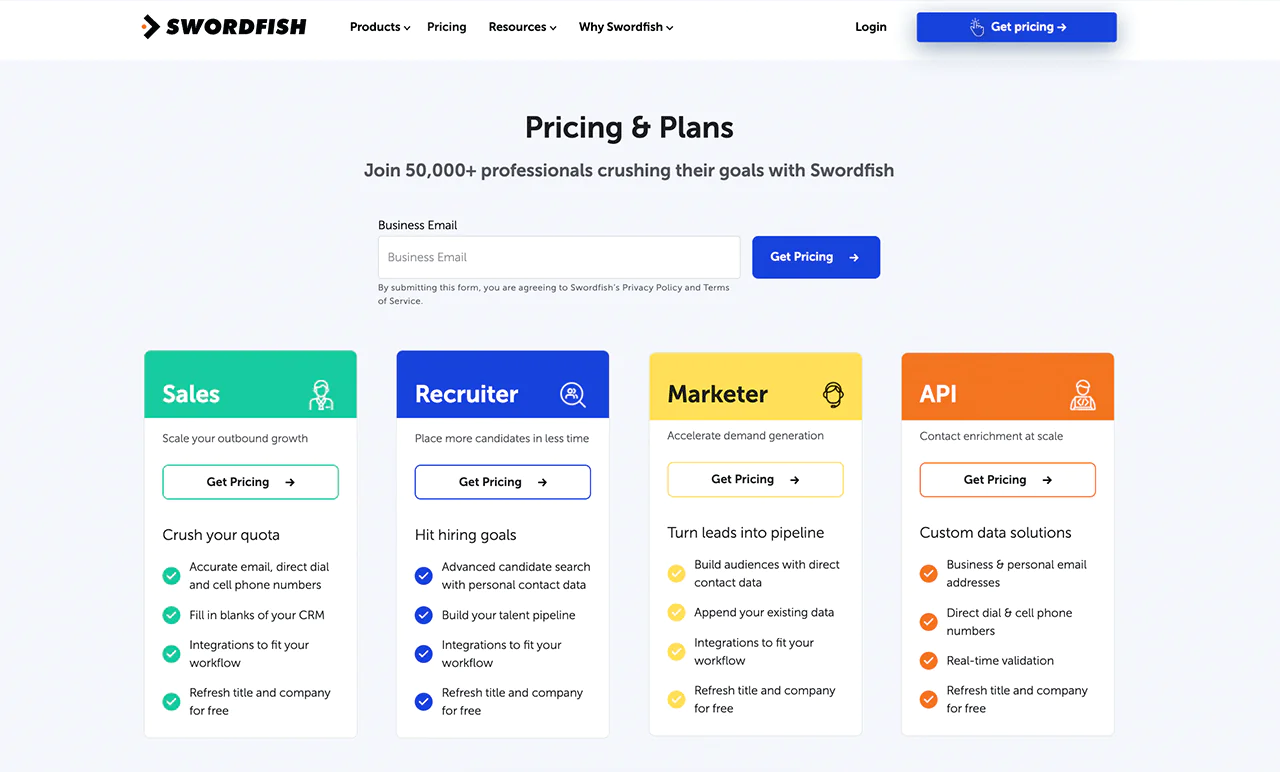
- Free trial: 10 credits
- Unlimited Solo: $99/month (most popular)
- Unlimited Teams: $299-$599/month based on team size
Why It Made Our List: Swordfish.ai addresses a gap most contact tools struggle with: accurate personal contact data backed by real-time verification. For B2B teams targeting hard-to-reach decision makers, that accuracy difference matters.
2. HubSpot – One of the Best B2B Lead Generation Tool for 2025

Best For: Companies wanting integrated marketing, sales, and CRM functionality
HubSpot is a widely used tool for B2B lead generation and CRM, offering automation features for businesses of all sizes. It helped popularize inbound marketing and remains a strong pick for teams building lead generation engines from scratch. Its free CRM combined with marketing automation makes it accessible for startups while still scaling to enterprise needs.
Key Features of lead generation software:
- Comprehensive CRM with unlimited free contacts
- Email marketing automation and sequences
- Landing page and form builders
- Social media management and monitoring
- Advanced analytics and attribution reporting
Pricing:
- Free: Basic CRM and marketing tools
- Starter: $45/month for 1,000 contacts
- Professional: $1,600/month for advanced features
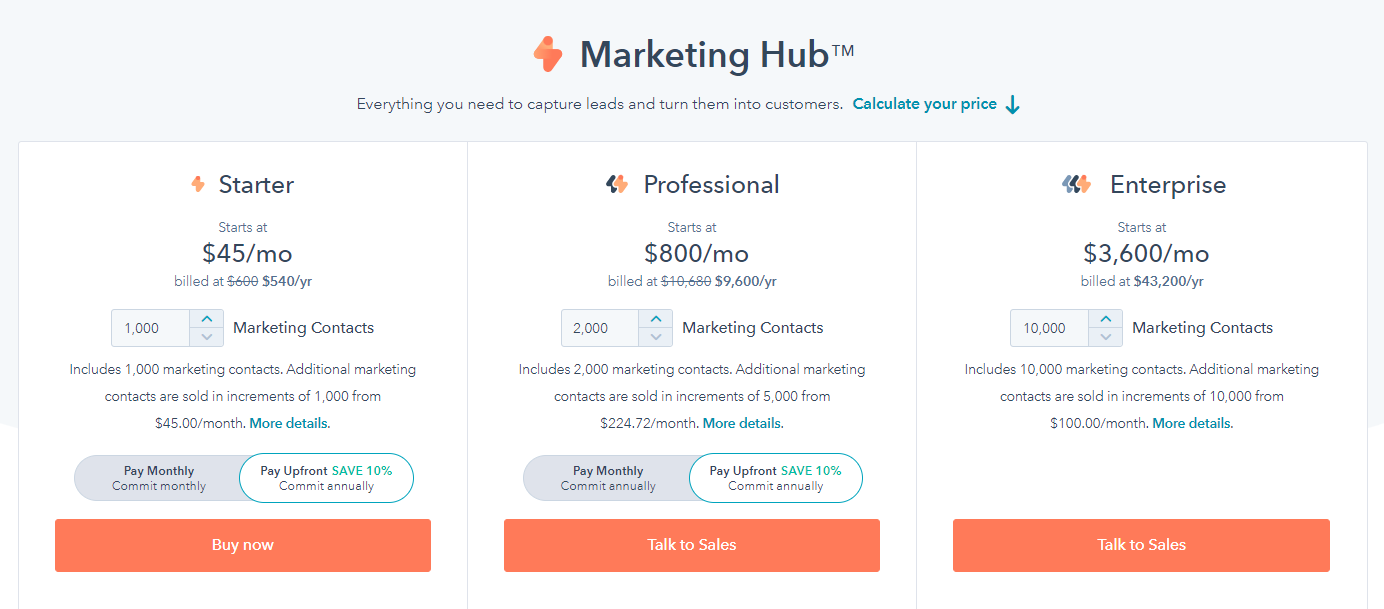
Strengths: Exceptional integration between marketing and sales, an extensive free tier, and comprehensive training resources.
3. ZoomInfo – B2B Database & Sales Intelligence
Best For: Enterprise sales teams needing comprehensive company and contact intelligence
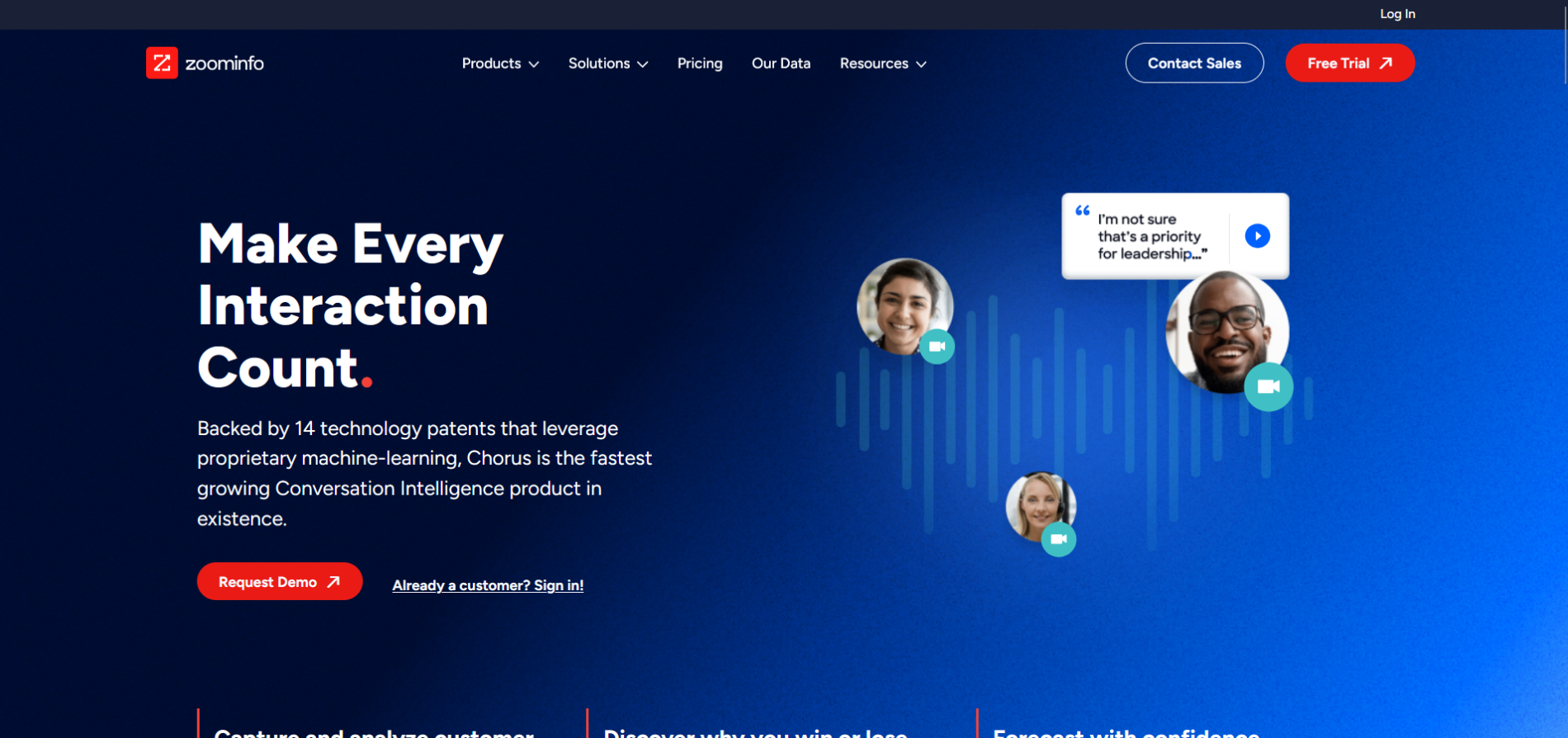
ZoomInfo dominates the B2B data space with its massive database and intent data capabilities. Because pricing and minimum commitments tend to favor larger budgets, many smaller teams look at zoominfo alternatives that offer comparable coverage at a lower entry point.
Key Features of sales intelligence tools:
- 100+ million company profiles and 400+ million contacts
- Intent data showing buying signals
- Organizational charts and job change alerts
- Email and phone contact data
- Advanced search and filtering
Pricing: Custom enterprise pricing (typically $15,000+ annually)
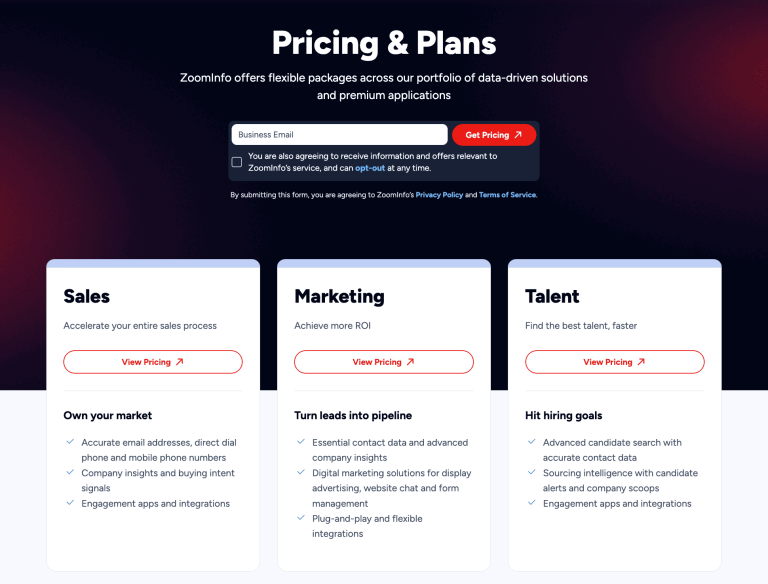
Best Use Case: Large sales organizations with dedicated SDR teams and enterprise deal sizes that justify the investment.
4. LinkedIn Sales Navigator – Social Selling Platform
Best For: B2B professionals leveraging LinkedIn’s professional network
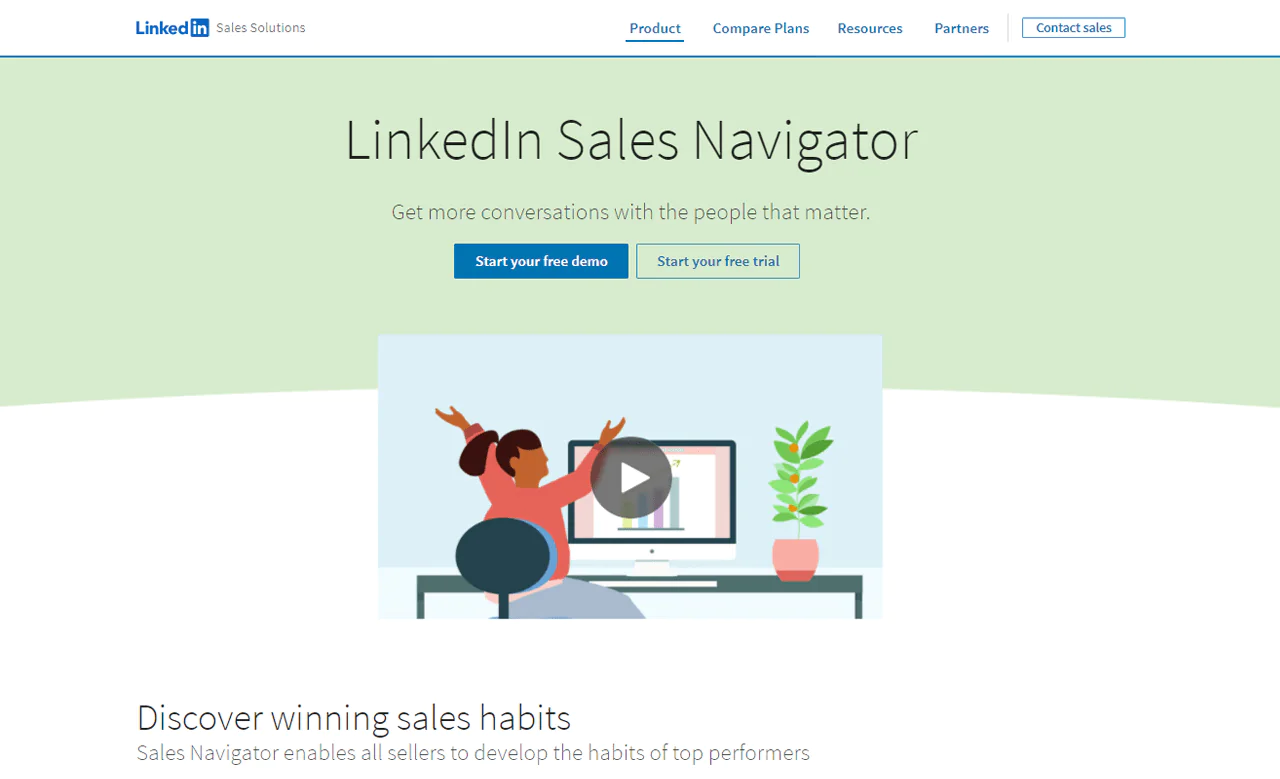
A large majority of B2B social-media-sourced leads originate on LinkedIn, and most B2B marketers rely on the platform for lead generation in some form. Sales Navigator turns LinkedIn from a networking site into a working prospecting engine.
Key Features of lead gen software:
- Advanced search with 40+ filters
- Lead and account recommendations
- InMail messaging to prospects outside your network
- Real-time insights on prospects and accounts
- CRM integration capabilities
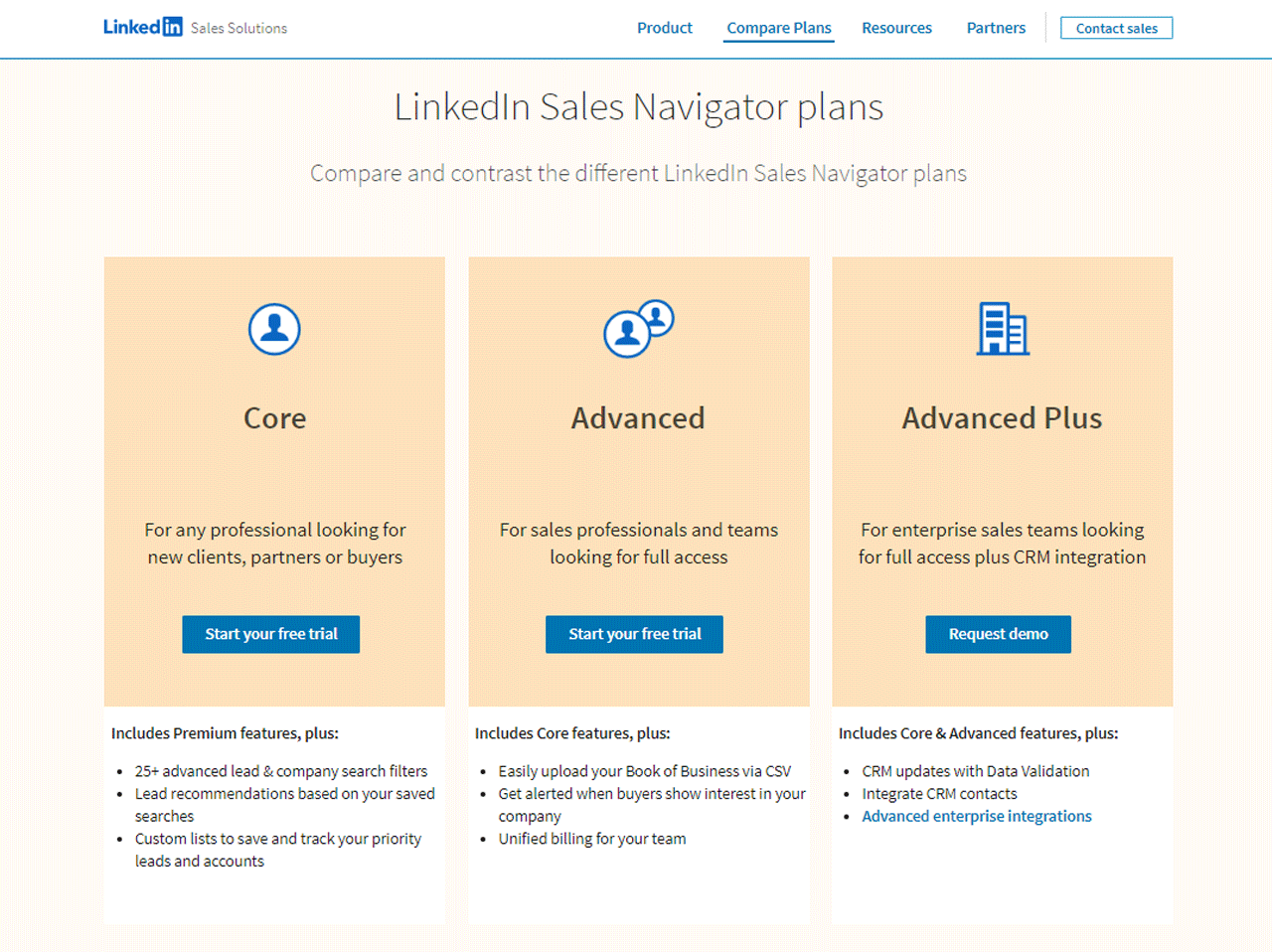
Pricing:
- Core: $79.99/month per user
- Advanced: $134.99/month per user
- Advanced Plus: $169.99/month per user
Why It Works: LinkedIn’s professional context makes cold outreach feel less intrusive and more relationship-oriented than a cold call or unsolicited email.
5. Apollo.io – Free & Paid B2B Lead Generation Tool
Best For: Teams wanting prospecting, engagement, and analytics in one platform
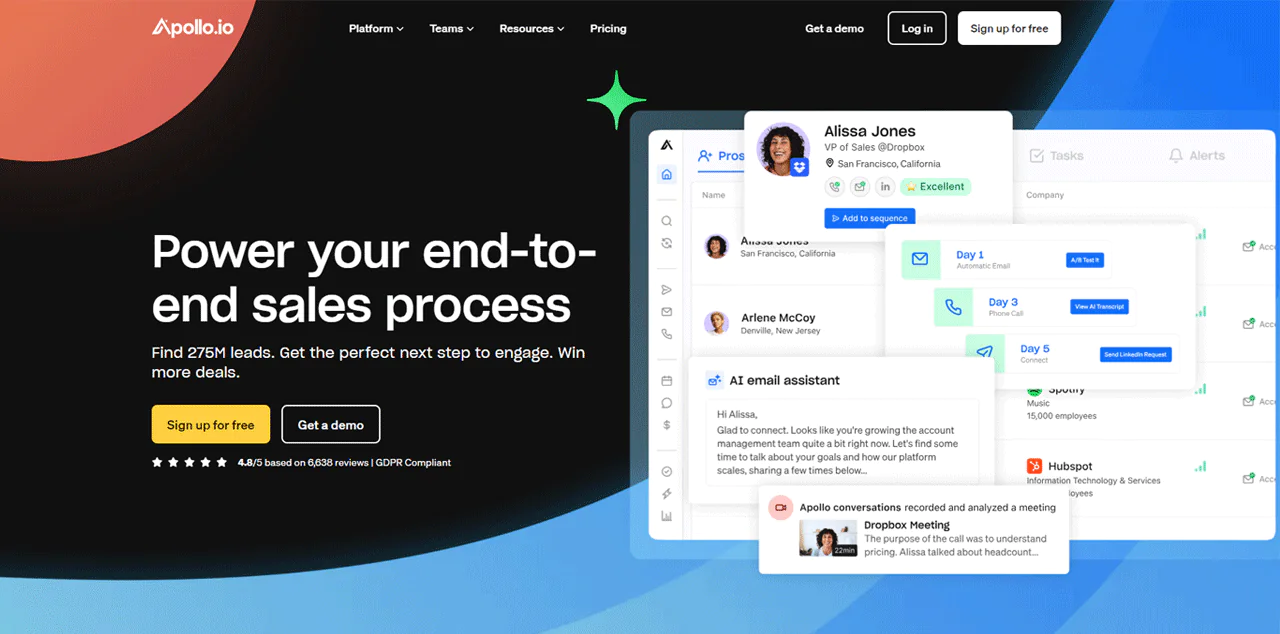
Apollo.io combines a large B2B database with multi-channel outreach and detailed analytics. It works well for teams that want to manage most of their outbound process inside one tool rather than stitching several together.
Key Features of This B2B Lead Generation Tool:
- 275+ million contacts and 73+ million companies
- Email sequences and phone dialer
- Conversation intelligence and call recording
- Advanced analytics and reporting
- Chrome extension for prospecting
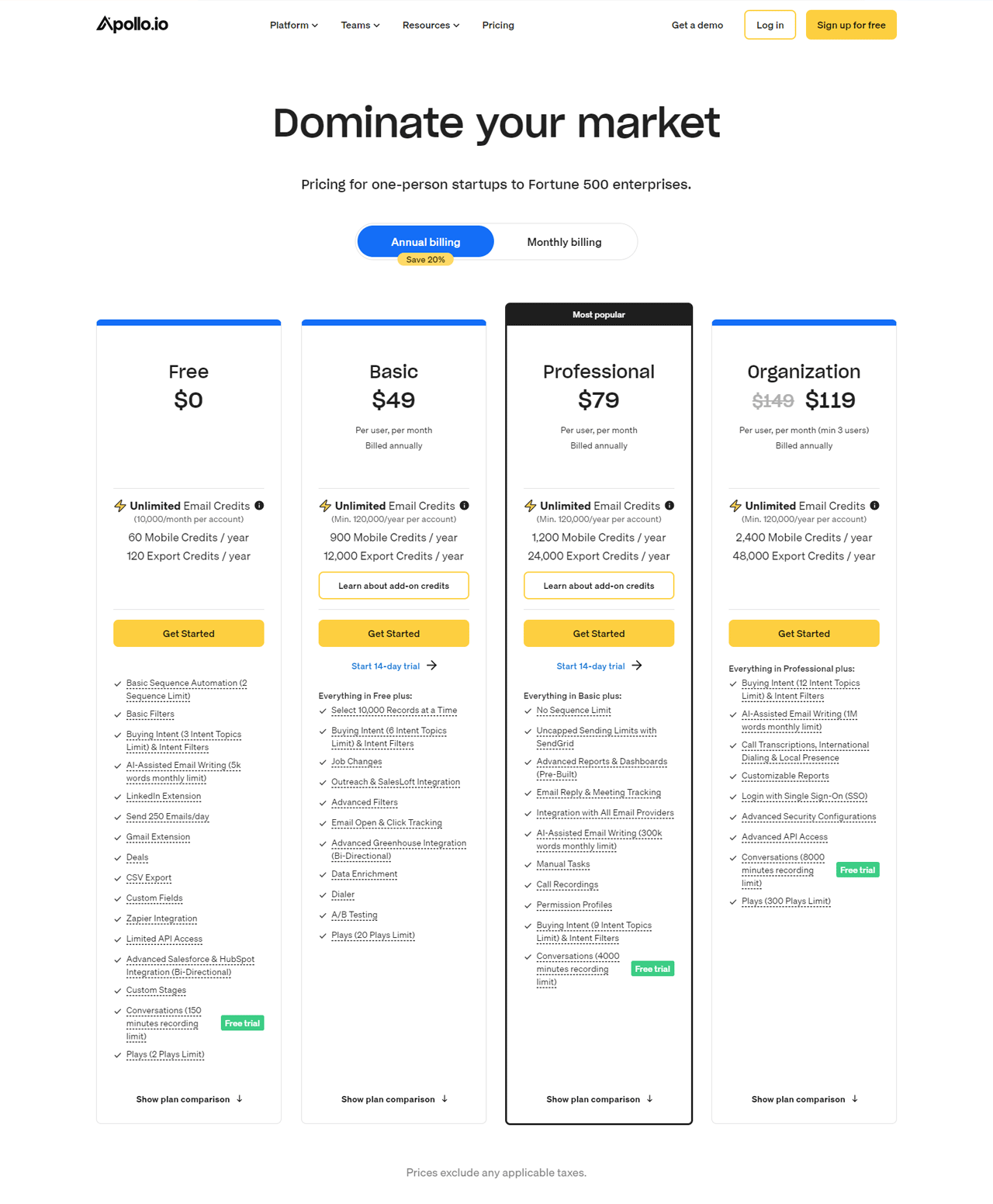
Pricing:
- Free: 50 credits per month
- Basic: $49/month per user
- Professional: $79/month per user
Standout Feature: The combination of data quality and engagement tooling makes it a workable one-stop solution for many sales teams.
6. Leadfeeder – Website Visitor Identification
Best For: Identifying anonymous website visitors for follow-up
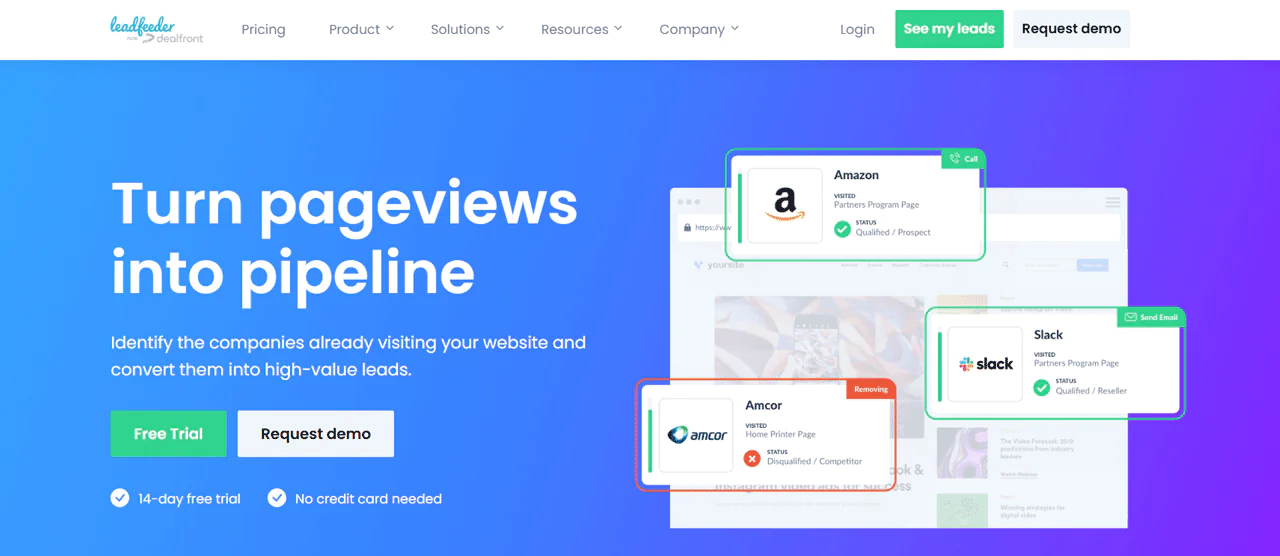
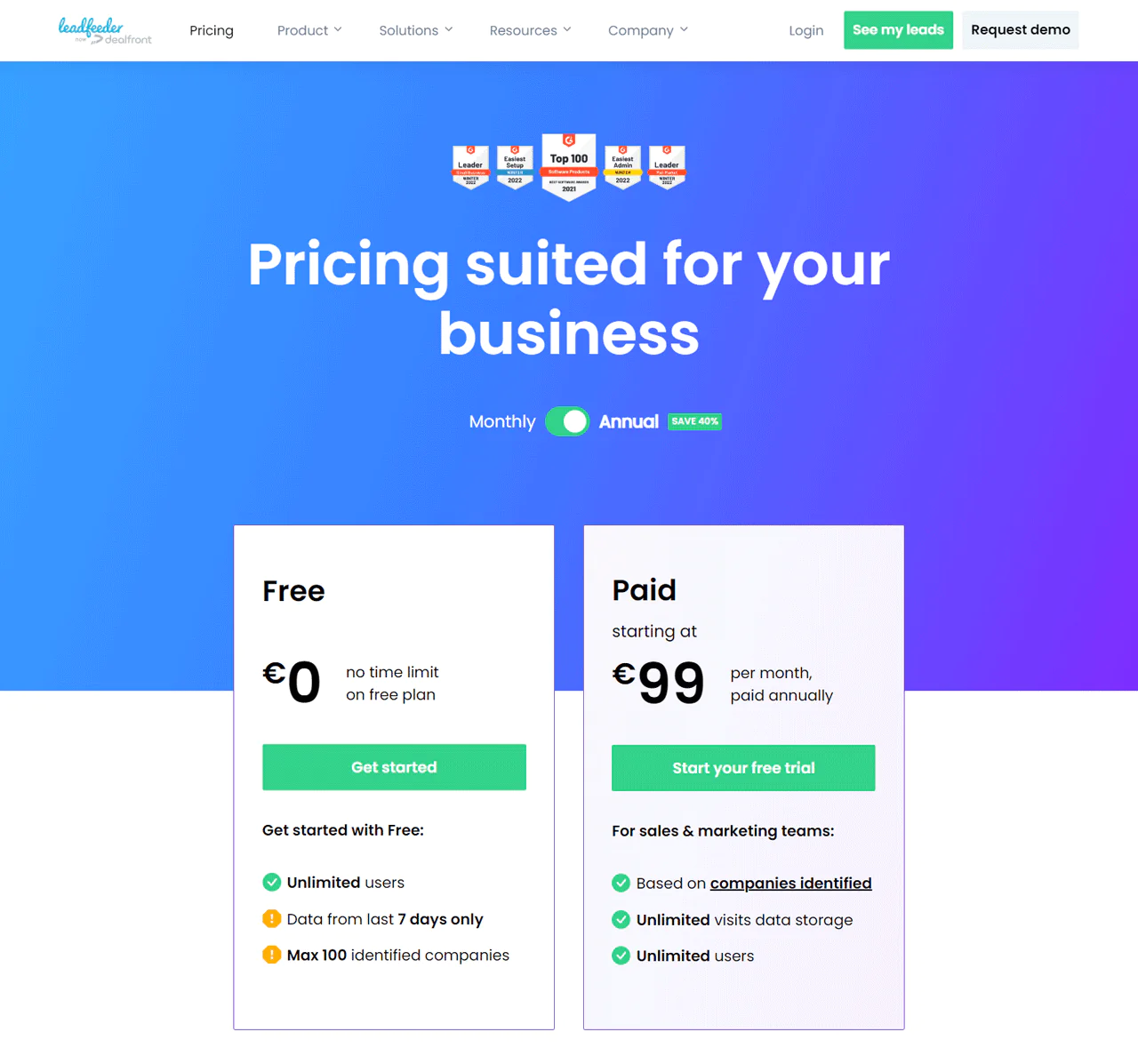
Leadfeeder (now part of Dealfront) reveals which companies visit your website, surfacing warm leads that would otherwise go unnoticed. For inbound-heavy companies, this turns anonymous traffic into a workable prospect list.
Key Features:
- Identifies companies visiting your website
- Shows pages visited and engagement patterns
- Integrates with Google Analytics
- Lead scoring and qualification
- CRM integration for automated follow-up
Pricing:
- Free: Up to 100 companies per month
- Premium: Starting at €79/month
Game-Changer: Turns website analytics into active lead generation by flagging interested prospects before they ever fill out a form.
7. Outreach – Sales Engagement Platform
Best For: High-volume outbound sales teams needing sophisticated automation
Outreach helped establish the sales engagement platform category and remains a top choice for teams running complex, multi-touch outbound campaigns at scale.
Key Features:
- Multi-channel sequences (email, phone, social, SMS)
- AI-powered send time optimization
- Conversation intelligence and call analytics
- Advanced reporting and coaching tools
- Extensive CRM integrations
Pricing: Custom enterprise pricing (typically $100+ per user/month)
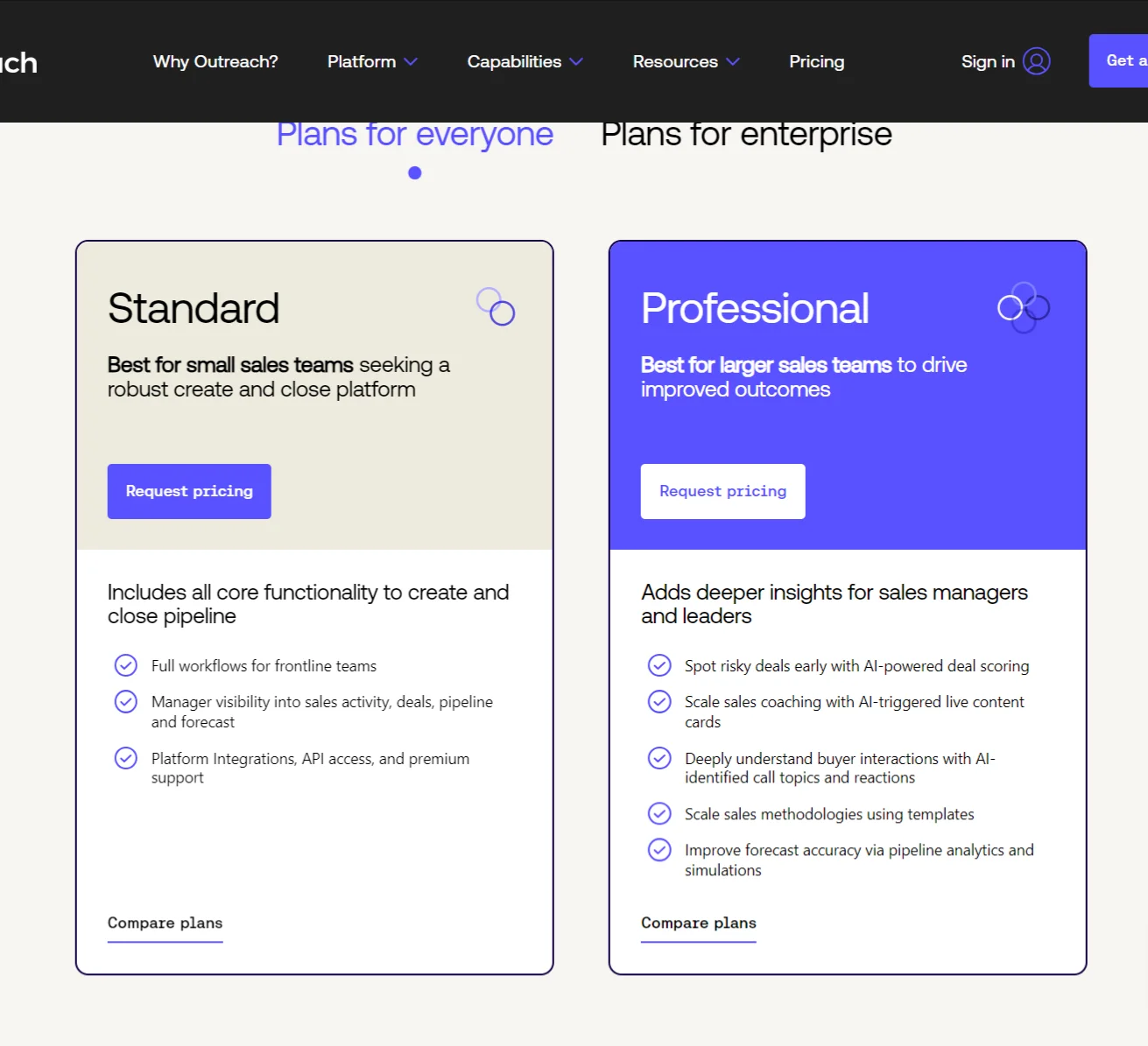
Enterprise Focus: Best suited for larger sales organizations with dedicated SDR/BDR teams and layered sales processes.
8. UpLead – B2B Contact Database & Verification
Best For: Accurate B2B contact data with real-time verification
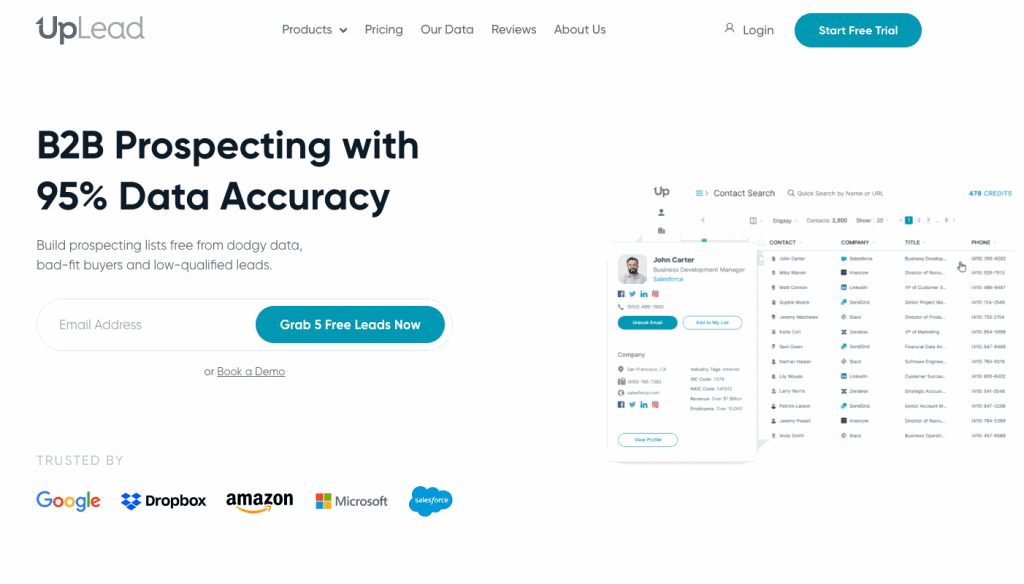
UpLead differentiates itself with rigorous data verification processes, aiming to improve email deliverability and connect rates compared with less rigorous providers.
Key Features:
- Real-time email verification (95%+ accuracy claimed)
- 54+ million companies and 135+ million contacts
- Advanced search filters and boolean search
- Chrome extension and CRM integrations
- Technographic and firmographic data
Pricing:
- Essentials: $99/month for 200 credits
- Plus: $199/month for 500 credits
- Professional: Custom pricing
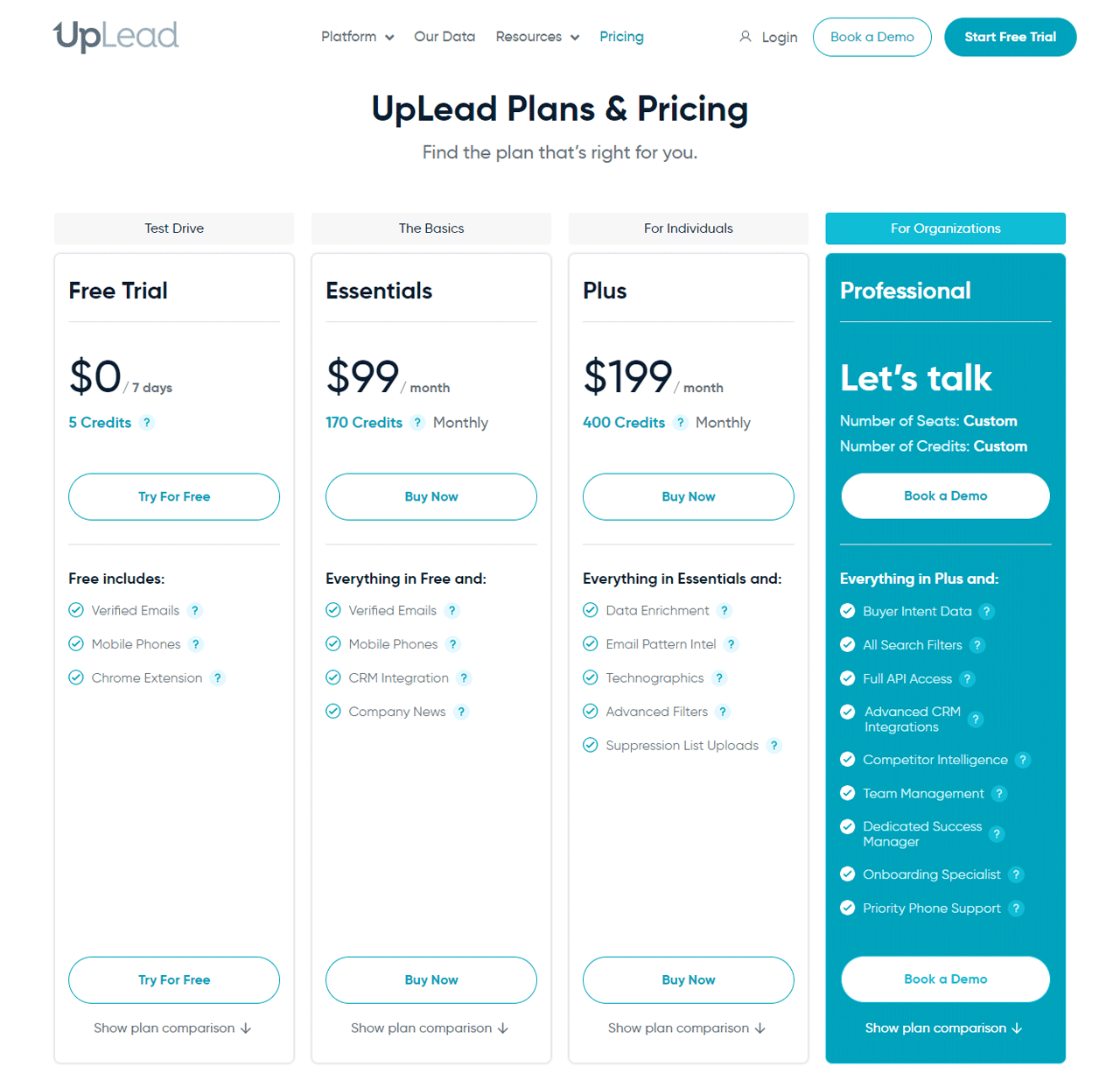
Value Proposition: Higher upfront cost, justified for teams that need higher data accuracy and deliverability.
9. Mailchimp – Email Marketing Automation

Best For: Small to medium businesses building email marketing funnels
While best known for email marketing, Mailchimp has grown into a fuller marketing platform with useful lead generation capabilities, particularly for SMBs.
Key Features:
- Email marketing automation and sequences
- Landing pages and signup forms
- Social media advertising management
- Customer journey mapping
- E-commerce integrations
Pricing:
- Free: Up to 500 contacts
- Essentials: $13/month for 500 contacts
- Standard: $20/month with advanced features
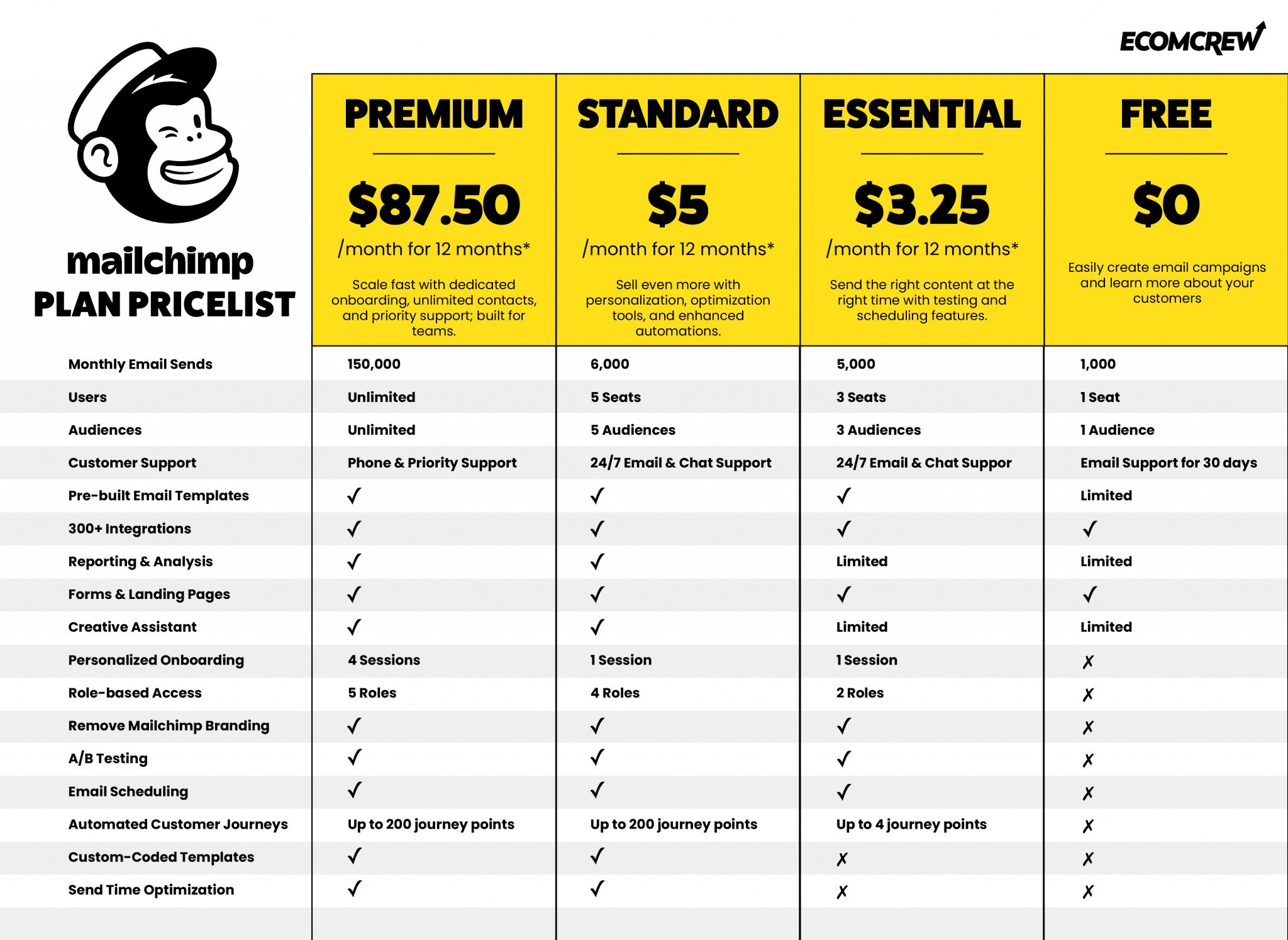
Sweet Spot: A good fit for businesses getting serious about email marketing without needing enterprise-level complexity.
10. Salesforce Sales Cloud – Enterprise CRM & Automation

Best For: Large organizations needing comprehensive sales process management
Salesforce remains a CRM benchmark, with lead generation and management capabilities that scale to the largest enterprise needs.
Key Features:
- Comprehensive lead and opportunity management
- Advanced workflow automation
- AI-powered insights with Einstein
- Extensive AppExchange ecosystem
- Customizable dashboards and reporting
Pricing:
- Essentials: $25/month per user
- Professional: $80/month per user
- Enterprise: $165/month per user
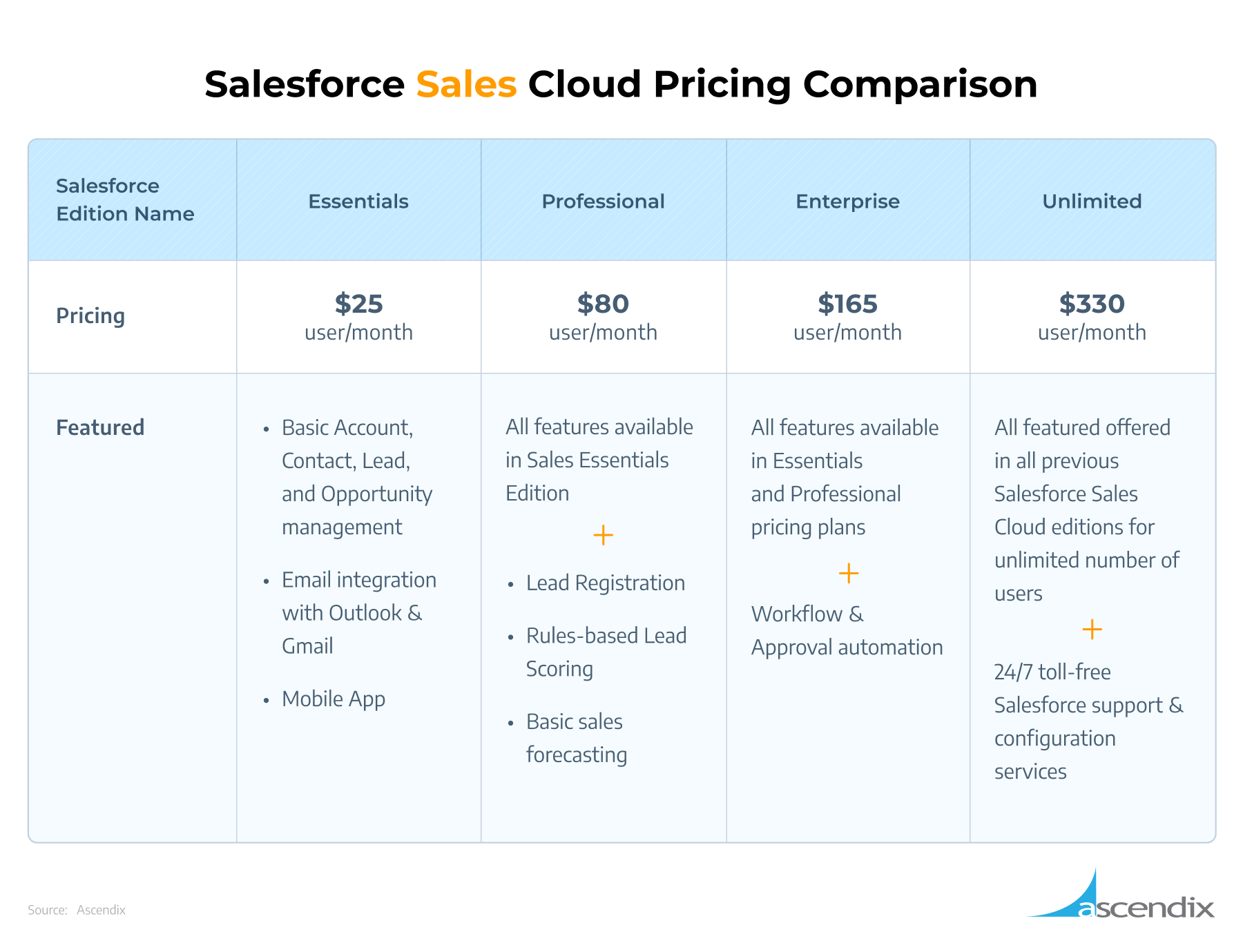
Enterprise Strength: Deep customization and scalability for complex sales organizations.
11. OptinMonster – Conversion Optimization Platform
Best For: Converting website traffic into leads through forms and pop-ups
OptinMonster focuses on capturing leads from existing website traffic through purpose-built forms, pop-ups, and other conversion tools.
Key Features:
- Drag-and-drop campaign builder
- Exit-intent technology to capture abandoning visitors
- A/B testing for optimization
- Advanced targeting and personalization
- Integration with email marketing platforms
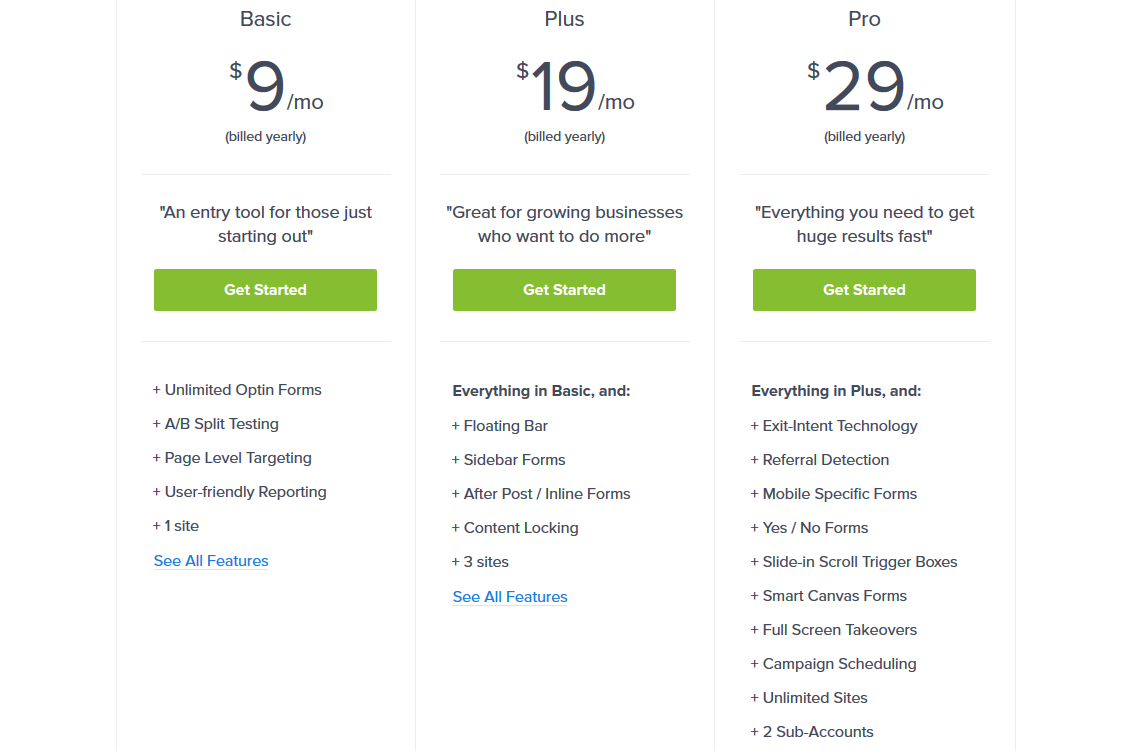
Pricing:
- Basic: $9/month
- Plus: $19/month
- Pro: $29/month
Focus Area: Maximizing lead capture from traffic you’re already generating rather than paying to acquire more.
12. Pipedrive – Visual CRM for Lead Management
Best For: Small to medium sales teams wanting intuitive pipeline management
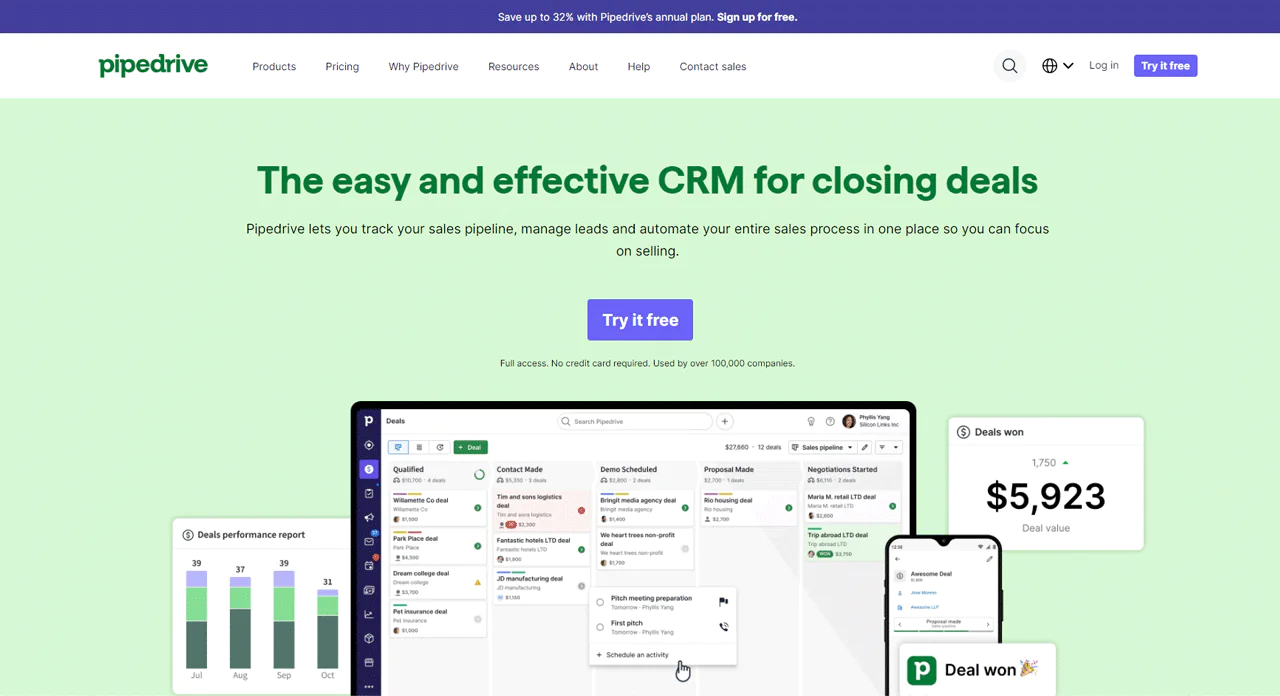
Pipedrive’s visual pipeline approach makes lead management approachable for sales teams at any experience level, backed by solid automation.
Key Features:
- Visual pipeline management
- Email integration and tracking
- Activity automation and reminders
- Mobile app for on-the-go management
- Reporting and forecasting tools
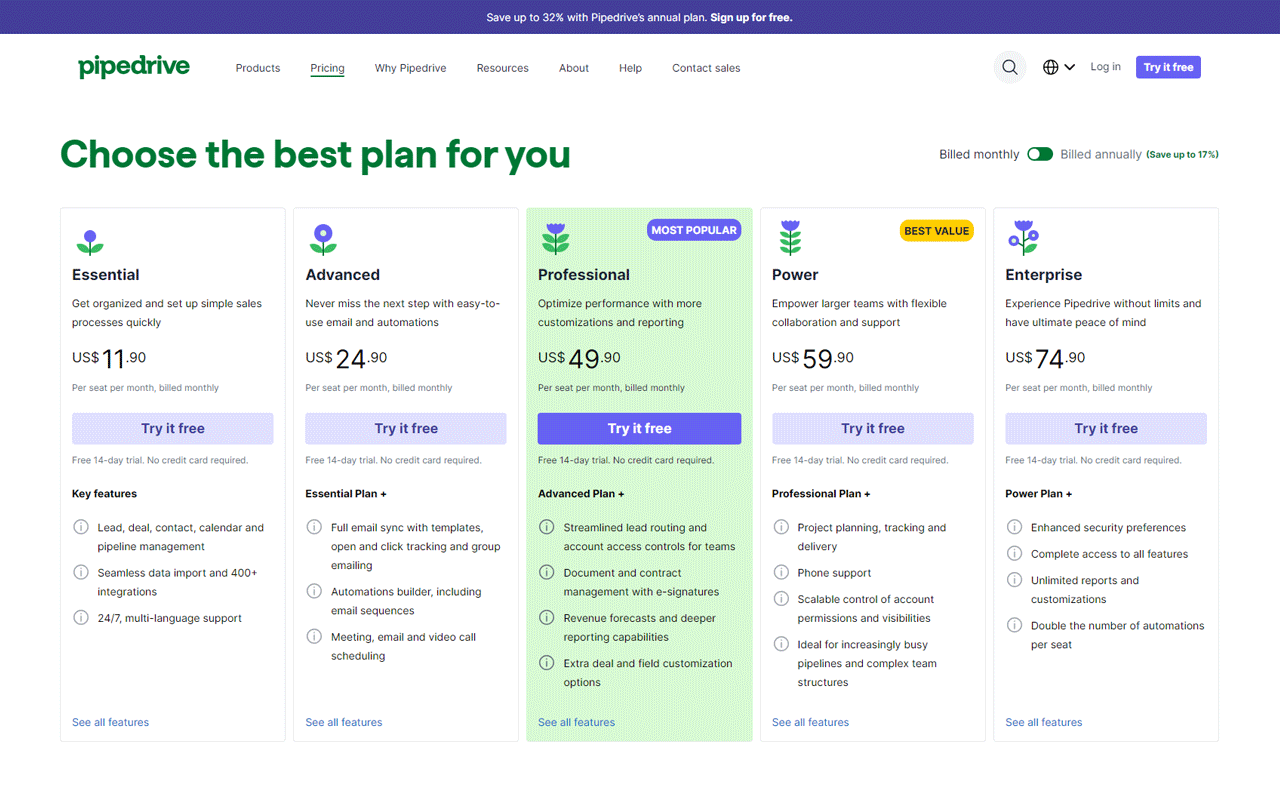
Pricing:
- Essential: $21.90/month per user
- Advanced: $37.90/month per user
- Professional: $59.90/month per user
Simplicity Advantage: Easier to roll out than complex enterprise CRMs while still covering the essentials.
13. Intercom – Conversational Marketing Platform
Best For: Engaging website visitors through chat and qualifying leads in real-time
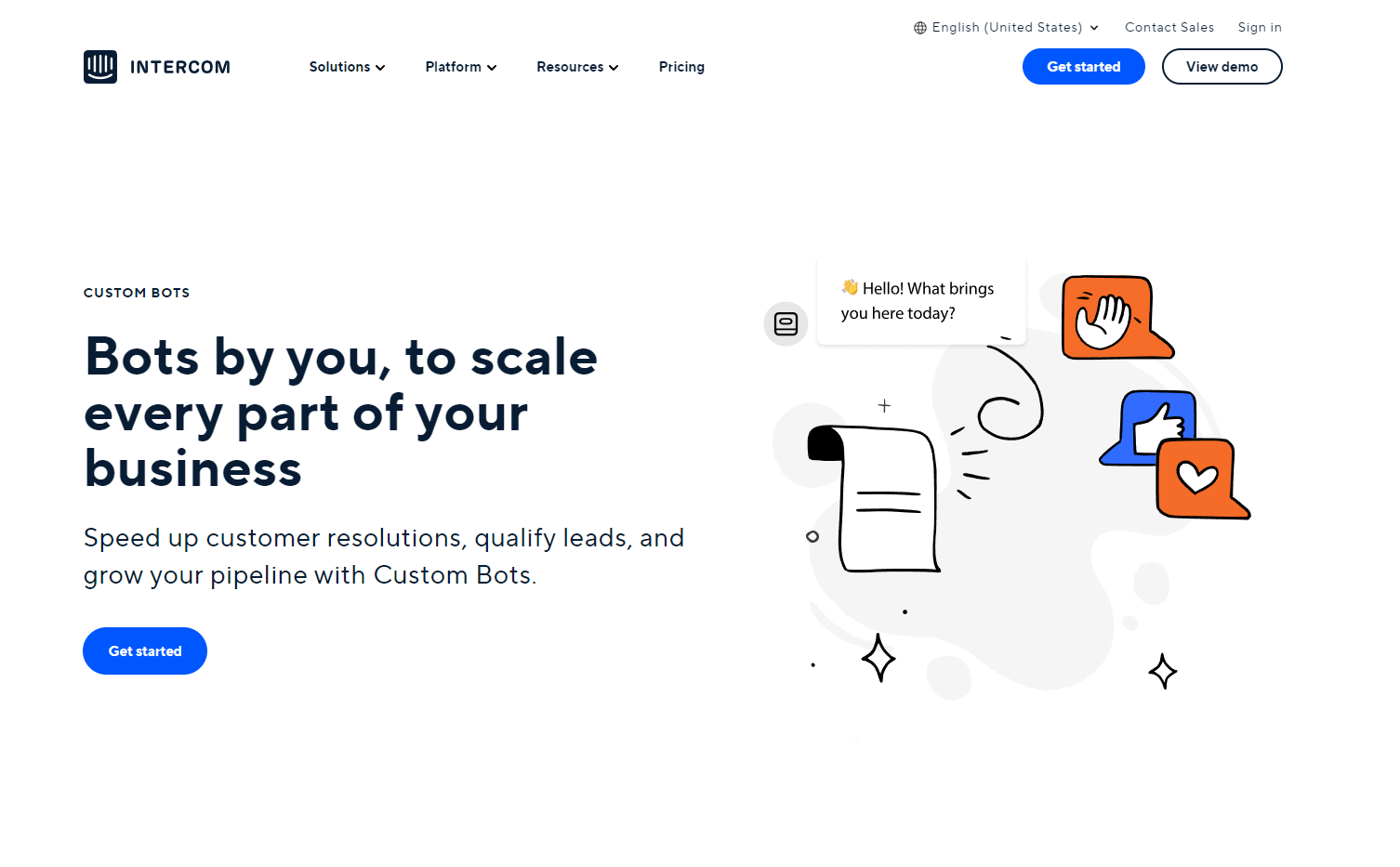
Intercom turns website chat from a support tool into a lead generation engine with AI-driven chatbots and qualification flows.
Key Features:
- AI-powered chatbots for lead qualification
- Live chat with team collaboration
- Customer messaging and support
- Lead routing and assignment
- Integration with CRM and marketing tools
Pricing:
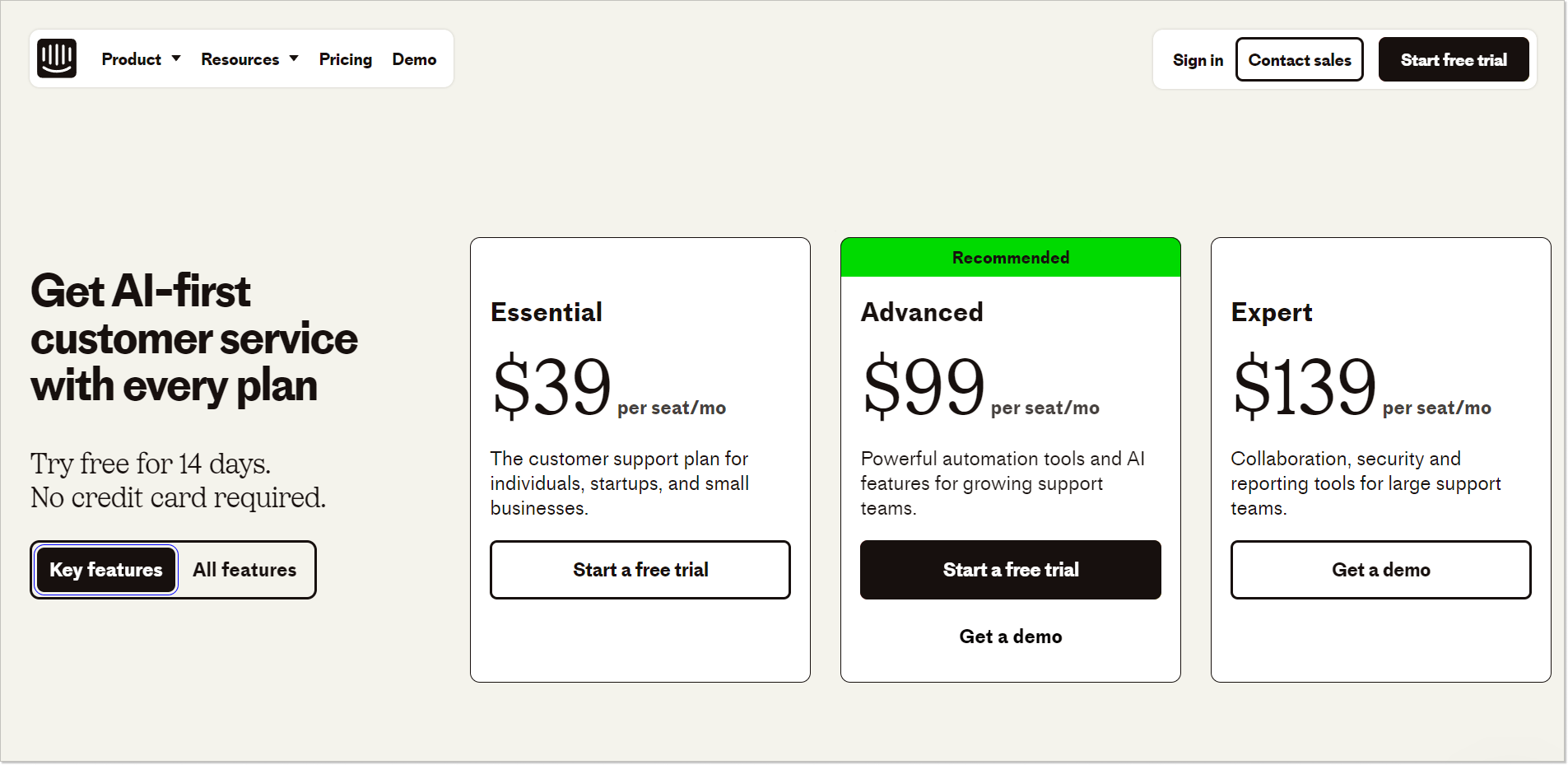
- Starter: $39/month
- Pro: $99/month
- Premium: $139/month
Conversion Focus: Particularly useful for SaaS and service businesses whose products need explaining before a lead will convert.
14. Hunter.io – Email Finding & Verification

Best For: Finding and verifying professional email addresses
Hunter.io focuses tightly on finding professional email addresses, which makes it a useful add-on inside a broader outbound toolkit rather than a full replacement for one.
Key Features:
- Email finder for any domain or person
- Email verification for deliverability
- Bulk email finding and verification
- Chrome extension for prospecting
- API for integration with other tools
Pricing:
Check Hunter.io pricing plans from Free to Growth and find the right option for your needs.
- Free: 25 searches per month
- Starter: $34/month for 500 searches
- Growth: $104/month for 5,000 searches

Specialized Focus: A strong pick for the specific task of finding professional email addresses.
15. Cognism – Sales Intelligence & Contact Data

Best For: European businesses and teams needing GDPR-compliant B2B data
Cognism provides B2B contact data with a strong compliance focus, which matters for businesses operating in Europe or under strict data governance requirements.
Key Features:
- GDPR and CCPA compliant database
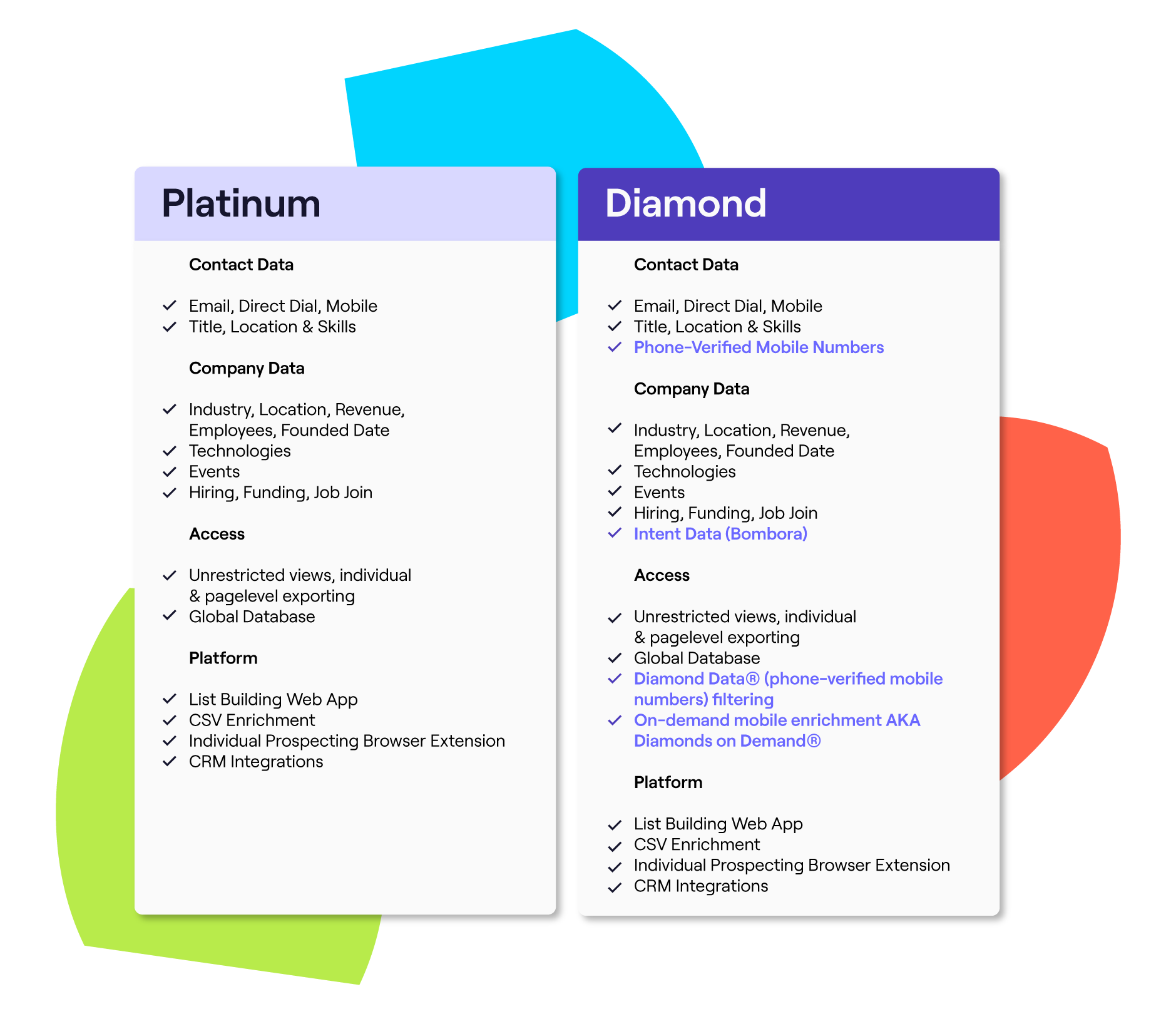
- Phone-verified mobile numbers
- Intent data and buyer insights
- Chrome extension and CRM integration
- Sales intelligence and prospecting tools
Pricing: Custom enterprise pricing
Compliance Strength: Solid data governance makes it a reasonable option for regulated industries and European operations.
Free vs. Paid B2B Lead Generation Tools in 2025
Freemium plans dominate b2b lead generation software, but knowing where free tiers stop and paid value starts is important for budgeting properly.
Top Free B2B Lead Generation Tools:
- Swordfish.ai: Best for teams needing accurate personal emails, cell phones, and direct dials
- HubSpot CRM: Unlimited contacts, basic email marketing, and landing pages
- Mailchimp: Up to 500 contacts with basic automation
- Hunter.io: 25 email searches monthly
- Leadfeeder: 100 company identifications monthly
- Apollo.io: 50 credits monthly for prospecting
When to Upgrade to Paid Plans:
- Volume Limitations: Free plans cap contacts, searches, or emails
- Advanced Features: Automation, scoring, and analytics require paid tiers
- Integration Needs: Advanced CRM connections are often premium-only
- Support Requirements: Priority support typically comes with paid plans
Pro Tip: Start with free versions to test fit, then upgrade whichever tools show clear ROI in your specific use case.
How to Choose the Right B2B Lead Generation Software?
Selecting the right b2b lead generation tools means aligning your specific business needs with what each tool actually does well. Here’s a practical decision framework:
1. Define Your Lead Generation Goals
- Volume vs. Quality: Are you looking to scale outreach volume or improve lead quality?
- Inbound vs. Outbound: Will you focus on converting existing traffic or proactive prospecting?
- Team Size: Do you need individual contributor tools or enterprise collaboration features?
- Industry Focus: Do you require specialized databases or compliance features?
2. Assess Your Current Tech Stack
- CRM Integration: Does your existing CRM integrate seamlessly?
- Data Flow: Can leads flow automatically between tools?
- User Adoption: Will your team actually use complex new tools?
- Budget Constraints: What’s your realistic monthly/annual software budget?
3. Start with Your Biggest Pain Point
- Low-Quality Leads: Focus on data providers with verification (Swordfish.ai, UpLead)
- Poor Email Deliverability: Prioritize verification tools (Hunter.io, Apollo.io)
- Manual Processes: Look for automation platforms (HubSpot, Outreach)
- Unknown Website Visitors: Consider visitor identification (Leadfeeder)
4. Plan for Scale
Choose tools that can grow with your business. A $50/month solution that requires replacement in six months often ends up costing more than a $200/month platform you can keep using for years.
Best Practices for 2025
The best b2b lead generation tools are only as effective as the strategy behind them. A few practices are consistently driving results in 2025:
Multi-Channel Approach
Single-channel lead generation campaigns tend to run more expensive per lead than multi-channel alternatives. Teams that get results usually coordinate email, LinkedIn, phone, and content touches rather than leaning on one channel.
Implementation: Use platforms like Outreach or Apollo.io to orchestrate multi-touch sequences across channels, keeping messaging consistent while varying the medium.
AI-Powered Personalization
Teams that apply AI to targeting and outreach have reported real gains in lead generation and conversion rates. AI enables a level of personalization at scale that wasn’t practical to do manually.
Practical Application: Tools like Cognism and ZoomInfo surface intent data that can trigger personalized outreach when prospects show buying signals.
Intent Data Integration
Modern buyers do extensive research before ever engaging with sales. Intent data helps reveal who’s actively evaluating solutions like yours.
Strategy: Combine intent signals from tools like ZoomInfo with engagement data from your website and content to prioritize the warmest leads first.
Account-Based Marketing (ABM) Focus
ABM flips the traditional funnel: instead of casting a wide net, you focus on specific companies and decision-makers. This concentrates effort on the accounts most likely to convert.
Tool Alignment: Platforms like Cognism and LinkedIn Sales Navigator work well for account-based prospecting thanks to detailed company insights and org charts.
Measuring B2B Lead Generation Tool ROI
Proving lead generation ROI is getting harder for many teams, and connecting marketing performance to actual business outcomes remains a persistent challenge across B2B marketing.
Key Metrics to Track:
- Cost Per Lead (CPL): Track across channels to identify the most efficient sources
- Lead Quality Score: Measure lead progression through the sales funnel
- Customer Acquisition Cost (CAC): Full-funnel cost from first touch to closed deal
- Lead Response Time: Speed of sales follow-up impacts conversion significantly
- Attribution Accuracy: Multi-touch attribution reveals true channel effectiveness
Tool-Specific ROI Measurements:
- Data Providers: Measure email deliverability improvement and connect rate increases
- CRM Platforms: Track pipeline velocity improvements and forecasting accuracy
- Automation Tools: Calculate time savings and increased outreach volume
- Analytics Platforms: Monitor lead score accuracy and conversion rate improvements.
The Common B2B contact data tool Mistakes to Avoid
Even the best b2b lead generation software can’t overcome strategic mistakes. Here are the biggest pitfalls we see:
1. Prioritizing Quantity Over Quality
The Problem: Outbound leads generated through tactics like cold calls, emails, and direct mail tend to close at low single-digit rates on average.
The Solution: Focus on lead scoring, qualification, and targeting to improve quality metrics rather than just volume.
2. Ignoring Lead Nurturing
The Reality: Despite how important lead nurturing is, a large share of surveyed B2B businesses admit they don’t have a defined nurturing process in place.
The Fix: Implement automated nurture sequences that provide value while moving prospects toward a purchase decision.
3. Poor Sales and Marketing Alignment
Common Issue: Marketing generates leads that sales considers unqualified, creating friction and wasted effort.
Resolution: Establish clear lead definition criteria and lead scoring systems that both teams agree on upfront.
4. Insufficient Data Hygiene
The Cost: Poor data quality wastes sales time and gradually reduces email deliverability.
Best Practice: Use real-time verification tools and keep a regular data-cleaning cadence rather than treating it as a one-time fix.
Future Trends in B2B Lead Generation Software
Understanding where the industry is heading helps inform tool selection and longer-term strategy:
AI and Machine Learning Integration
Expect deeper AI integration across lead generation tools, from predictive lead scoring to automated content personalization.
Privacy-First Lead Generation
Privacy regulations continue tightening worldwide, which is reshaping lead generation tactics. Tools that emphasize compliance and first-party data are gaining an edge.
Video and Interactive Content
B2B buyers increasingly prefer video and interactive experiences over traditional static content.
Real-Time Engagement Tools
Live chat, chatbots, and real-time notifications are becoming standard for capturing and qualifying leads immediately rather than waiting on a form-fill.
Getting Started: Your 90-Day of Lead generation platform Implementation Plan
Day 1 to Day 30: Foundation Building
- Audit current lead generation processes and tools
- Select and implement core CRM platform
- Begin data hygiene and contact database cleanup
- Establish lead scoring criteria with sales team alignment
Days 31-60: Tool Integration and Testing
- Add specialized tools based on biggest pain points identified
- Set up automation workflows and nurture sequences
- Train team on new tools and processes
- Begin A/B testing different approaches
Days 61-90: Optimization and Scaling
- Analyze performance data and optimize based on results
- Scale successful campaigns and pause underperforming efforts
- Document best practices and create playbooks
- Plan for advanced features and additional tool integration.
The Final Thoughts: Building Your Sales intelligence platform Stack
The B2B lead generation landscape in 2025 rewards teams that pair the right tools with a clear strategy. With the market projected to grow from roughly $11.23 billion in 2025 to $29.51 billion by 2034, businesses that invest in solid lead generation infrastructure now put themselves ahead of competitors who wait.
Key Takeaways:
- Start with clear goals and a current-state assessment
- Choose tools that integrate well with your existing systems
- Focus on lead quality metrics, not just volume
- Implement multi-channel approaches for maximum effectiveness
- Plan for scale and changing business needs
The tools in this guide represent solid options for 2025, from comprehensive platforms like HubSpot and Salesforce to specialized solutions like Swordfish.ai for contact data and Leadfeeder for visitor identification.
Ready to transform your lead generation software? Start with a free trial of Swordfish.ai to see what accurate, real-time contact data does for your pipeline. Your sales team will notice the difference in lead quality, and it should show up in your conversion numbers too.
Try Swordfish free and see the difference quality contact data makes in your lead generation efforts.
Frequently Asked Questions
Which platform is best for B2B lead generation?
LinkedIn is widely considered a top platform for B2B lead generation because it allows precise targeting of decision-makers and professionals.
Which is the best tool for lead generation?
Swordfish AI is one of the strongest tools for lead generation, particularly for teams that need accurate contact data, email automation, and lead tracking in one system.
What is the best way to generate B2B leads?
The best way to generate B2B leads is by combining LinkedIn outreach, content marketing, cold emails, social selling, and email campaigns with reliable lead generation software.
Which campaign type is best for B2B lead generation?
Optimizing content for organic search tends to drive a high volume of sales-qualified leads, making search marketing one of the more effective long-term B2B lead generation tactics, since most buying journeys now start with an online search.