
 View Products


Last updated: September 3, 2026
Healthcare-focused B2B companies compete for the same buyers: hospital administrators, practice managers, IT directors, and clinical decision-makers who have little patience for generic pitches. Sales and marketing teams have to guide these prospects through a sales funnel efficiently, because if your outreach doesn’t clearly address a pain point, a competitor’s will.
Buyers in this space also move on a different clock than typical B2B software buyers. Budget cycles, compliance reviews, and clinical sign-off slow things down, so a lead generation process built for a generic SaaS company often misses the mark for healthcare.
Building a deliberate lead generation process helps you gather qualified leads, keep the ones you already have engaged, and convert more of them into paying customers without wasting your team’s time chasing the wrong contacts.
What are Leads?

A lead is anyone who shows interest in your company’s product or service by initiating contact with you, rather than the other way around.
Filling out a form, registering for a webinar, or requesting a free trial are all signals that a prospect wants to learn more before buying, which sets leads apart from cold-call prospects who haven’t engaged yet.
Not every lead sits at the same point in your funnel. Here’s how they’re typically categorized:
- Information Qualified Lead (IQL) – Prospects who responded to a call-to-action but still need more information before they’ll consider a purchase.
- Marketing Qualified Lead (MQL) – Prospects who have engaged with your marketing content but aren’t ready for a sales conversation yet.
Contacts who attend a webinar, fill out a form, or request an offer typically fall into this category.
- Sales Qualified Lead (SQL) – Bottom-of-funnel prospects who have shown clear buying intent. They’re close to converting, but you can still lose them to a competitor if you move too slowly.
- Product Qualified Lead (PQL) – Prospects who tried a free trial or limited version of your product and want to upgrade.
- Service Qualified Lead – Prospects who expressed interest to your service or support team, who can then hand them off to sales.
- Sales-Ready Lead – Also called an accepted lead, this is a bottom-of-funnel prospect ready to be walked toward a closed deal.
What is Lead Generation?
Lead generation is the practice of filling your funnel with people who’ve shown genuine interest in your company, then nurturing them toward a purchase decision.
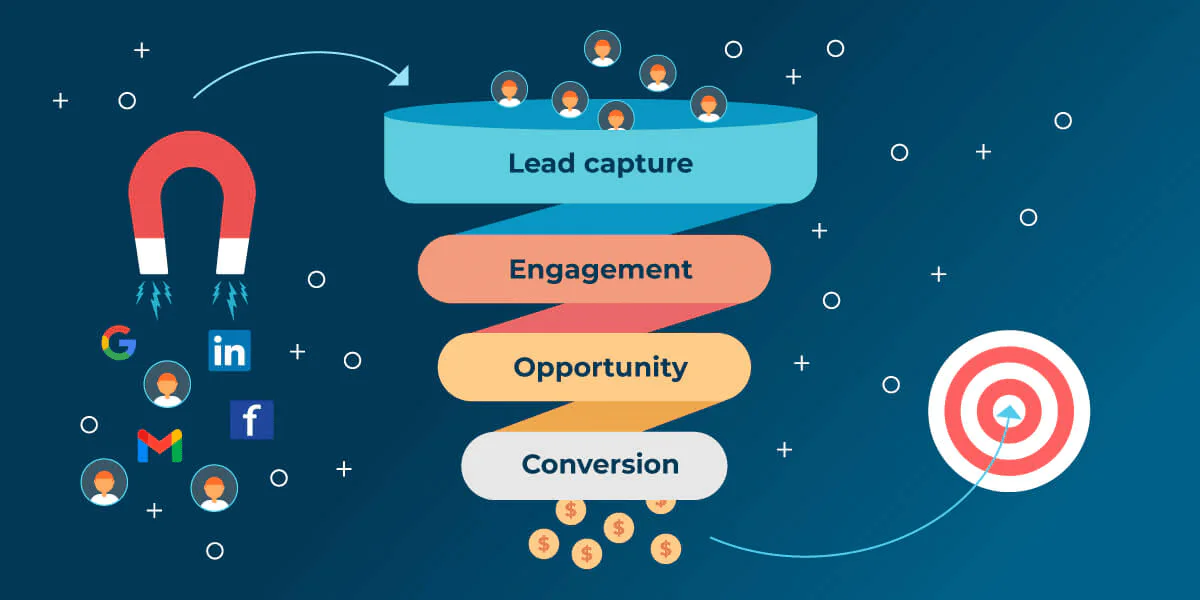
Good lead generation targets content to prospects who match your ideal customer profile (ICP), building enough trust that they eventually choose to buy from you. It’s a core piece of inbound marketing.
Common channels include blogs, SEO, email marketing, paid ads and retargeting, social media, and product trials.
Lead Generation Strategies That Actually Work
Before getting into how to structure the process itself, here are the strategies most companies rely on to gather and nurture leads:
Search Engine Optimization (SEO)
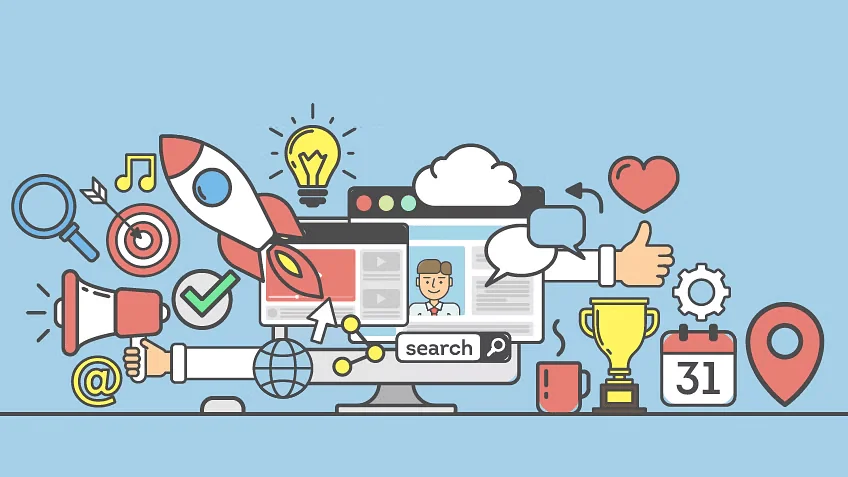
Keyword research underpins one of the highest-ROI lead generation strategies because you’re not paying per click the way you would with paid ads.
Search engines like Google and Bing are usually the first stop for a prospect researching a solution, which makes ranking well for the right terms valuable.
The goal of keyword research is straightforward: rank for the terms your prospects actually search, so you show up when they’re looking rather than trying to interrupt them elsewhere.
Social Media Marketing
Your prospects spend time on social platforms too, which makes it another channel for both organic engagement and targeted advertising.
- Facebook lead generation used to rely on outbound links in posts and bios before Facebook Ads changed the algorithm to favor paid content, forcing businesses to adjust their approach.
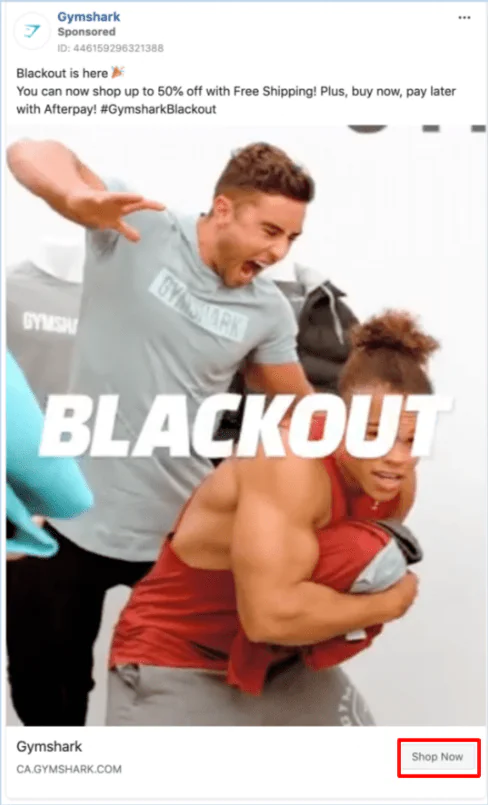
- Twitter Lead Gen Cards let users submit their name, email, and username directly from a tweet, adding them to your funnel with minimal friction.
- LinkedIn’s large base of business professionals makes it a natural fit for B2B prospecting, and its Lead Gen Forms auto-fill a user’s information when they click a CTA.
Content Marketing
Content marketing draws leads to your site through material that’s genuinely useful to them, whether that’s blog posts, newsletters, webinars, or podcasts.
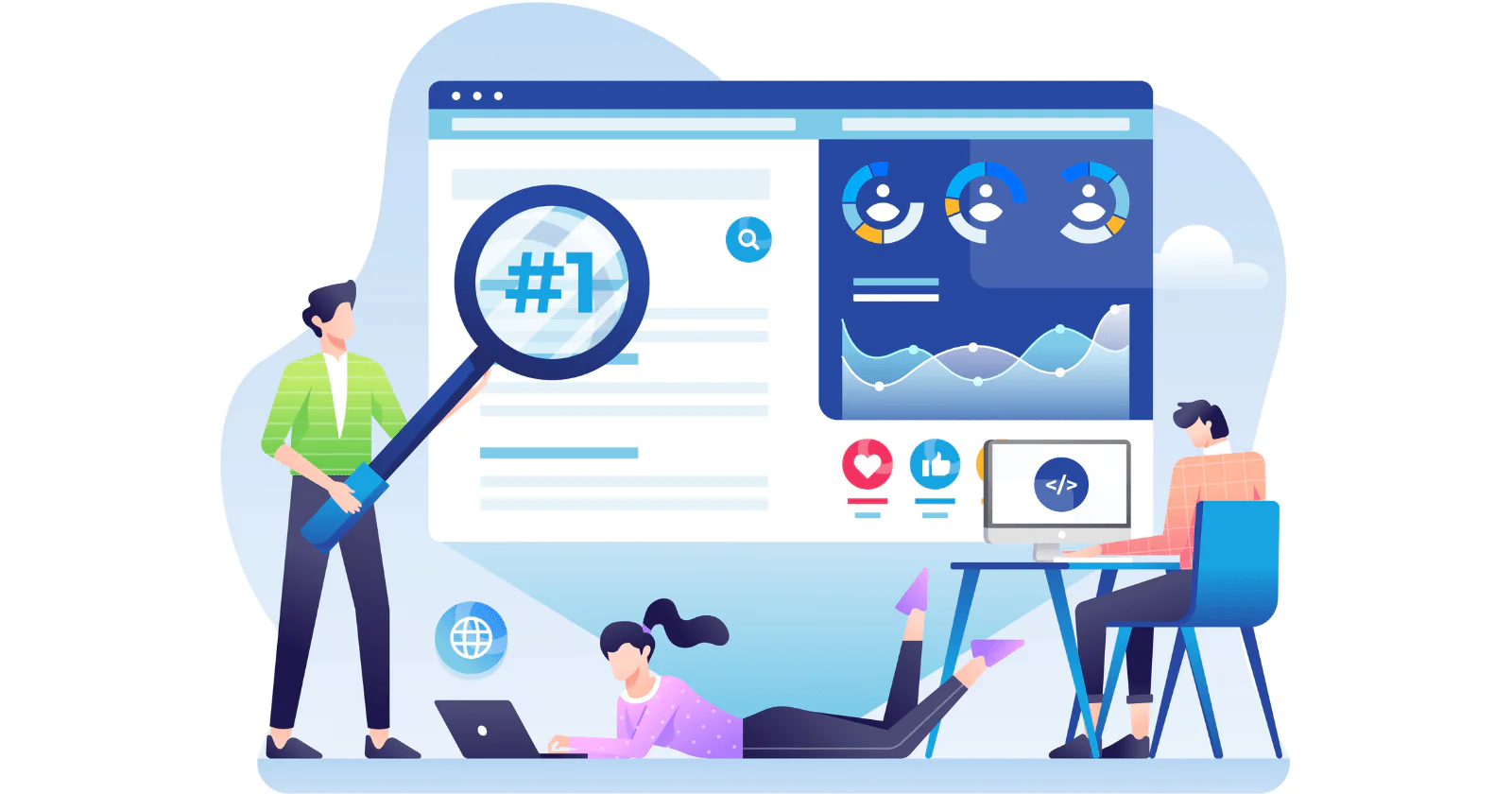
Content built around solid content modeling can introduce new products, explain technical details, or answer the questions a prospect needs answered before they’ll commit.
Relevant content also supports SEO and builds trust, since your leads are relying on you to give them accurate information before they buy.
Pay-Per-Click (PPC) Ads
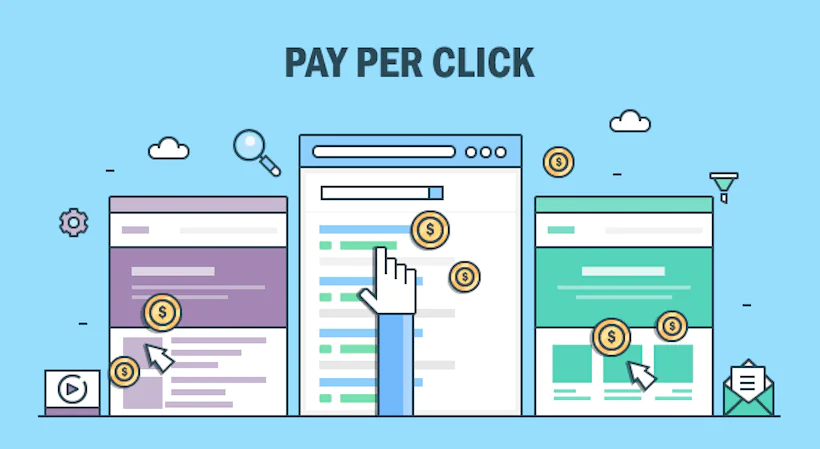
PPC ads put your listing at the top of search results for a price. Unlike SEO, you pay per click, which makes it a key lever in an outbound marketing strategy.
They’re useful for putting your product in front of specific prospects fast, especially when you need visibility on a landing page quickly.
Product Offers and Free Trials
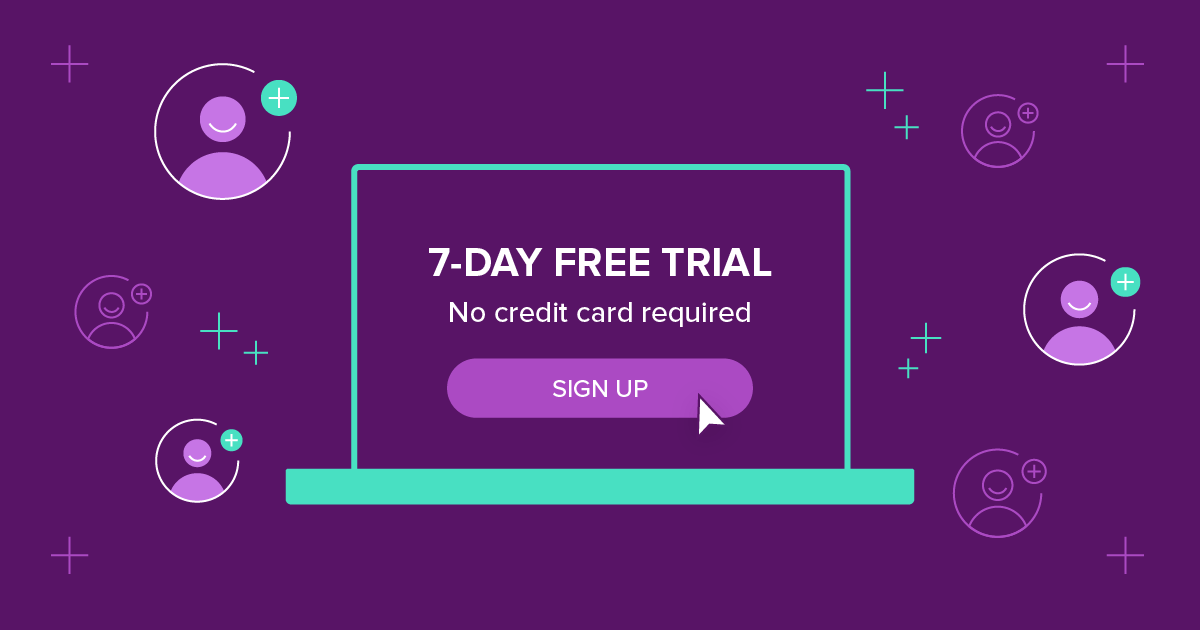
Offers and free trials let prospects try before they buy, which builds a more informed opinion than a sales pitch alone can.
Showing prospects exactly what they’ll get and how to use it is a reliable way to convert trial users into paying customers once they’ve had a good experience.
Retargeting Campaigns
Most visitors won’t convert on their first visit, even when your solution fits their need.
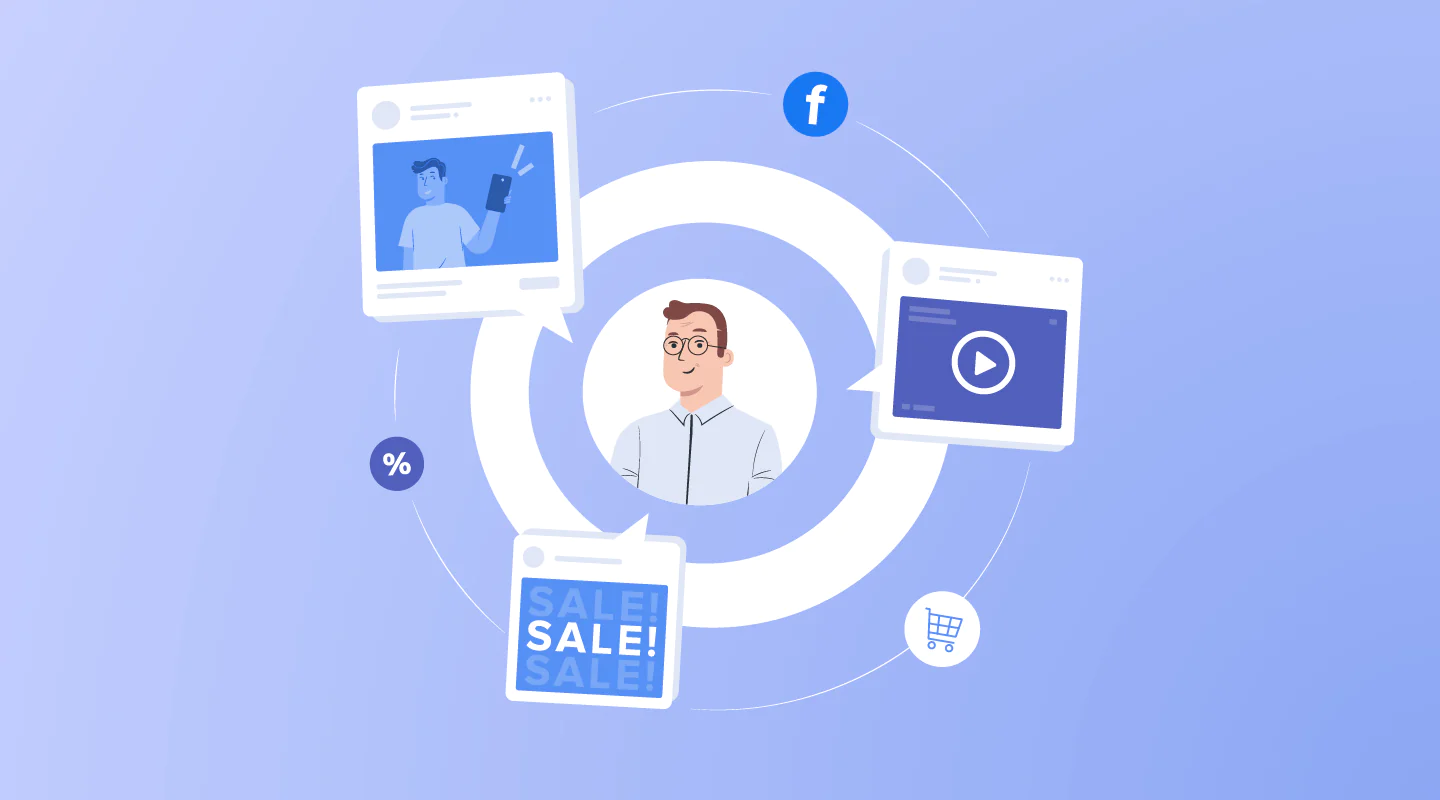
Retargeting campaigns bring your brand back into view through ads and content on social media, email, and other platforms, giving prospects another chance to come back.
What An Optimal Lead Generation Process Looks Like
With the strategies covered, here’s how to structure a lead generation process that actually moves prospects through your funnel:
Research the Market and Define Buyer Persona
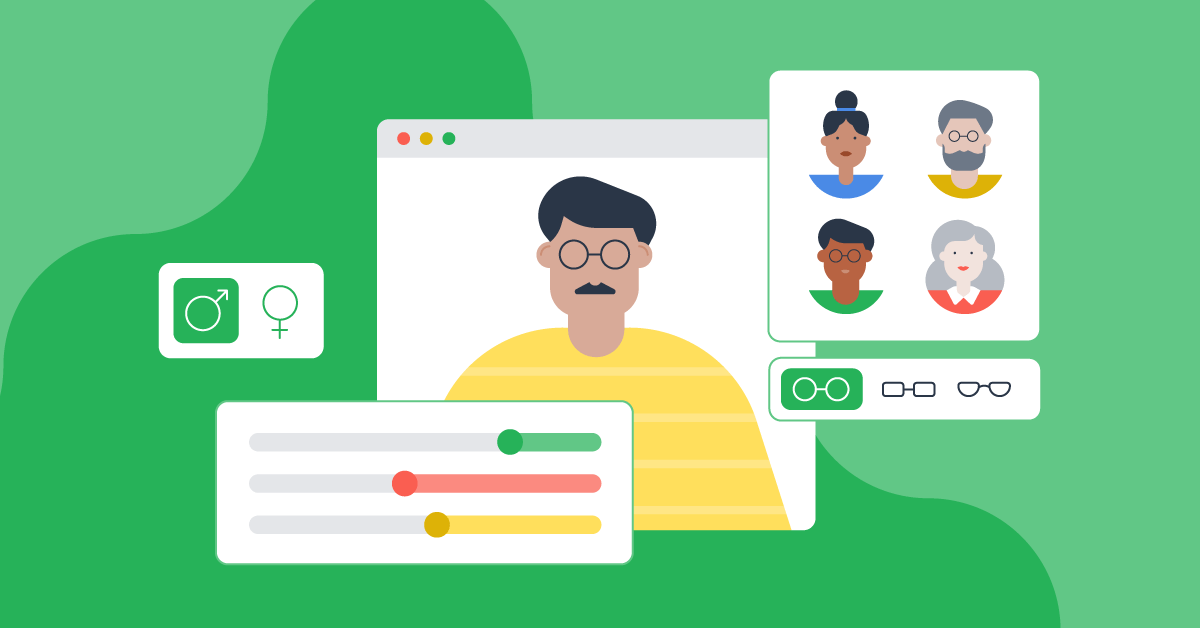
Start by identifying who you’re actually trying to reach. A clear ICP or buyer persona shapes every decision that follows, from which channels you use to what your messaging says. For companies selling into healthcare organizations, this usually means defining personas by role (clinical vs. administrative), care setting, and organization size, since a hospital IT director and a solo practice owner respond to very different messaging.
Once you have a persona defined, you can build out your contact database using people finder tools like Swordfish AI. From there, keep a regular reporting cadence to track how new leads flow in and where they get stuck.
Form Consistent Messaging in Content
Your messaging shows up everywhere: emails, landing pages, social posts. It needs to stay clear and consistent about what the next step is.
Content should reflect what’s on your website and match the product you’re actually selling. Inconsistent messaging across funnel stages is one of the fastest ways to lose leads before they convert.
Pre-Targeting Ads
Not every lead is ready to move through your funnel the day they enter it.

Pre-targeting ads raise awareness of your brand before you reach out directly, so a cold outreach feels less cold and less likely to get ignored or wasted on a call that goes nowhere.
Optimizing Landing Pages
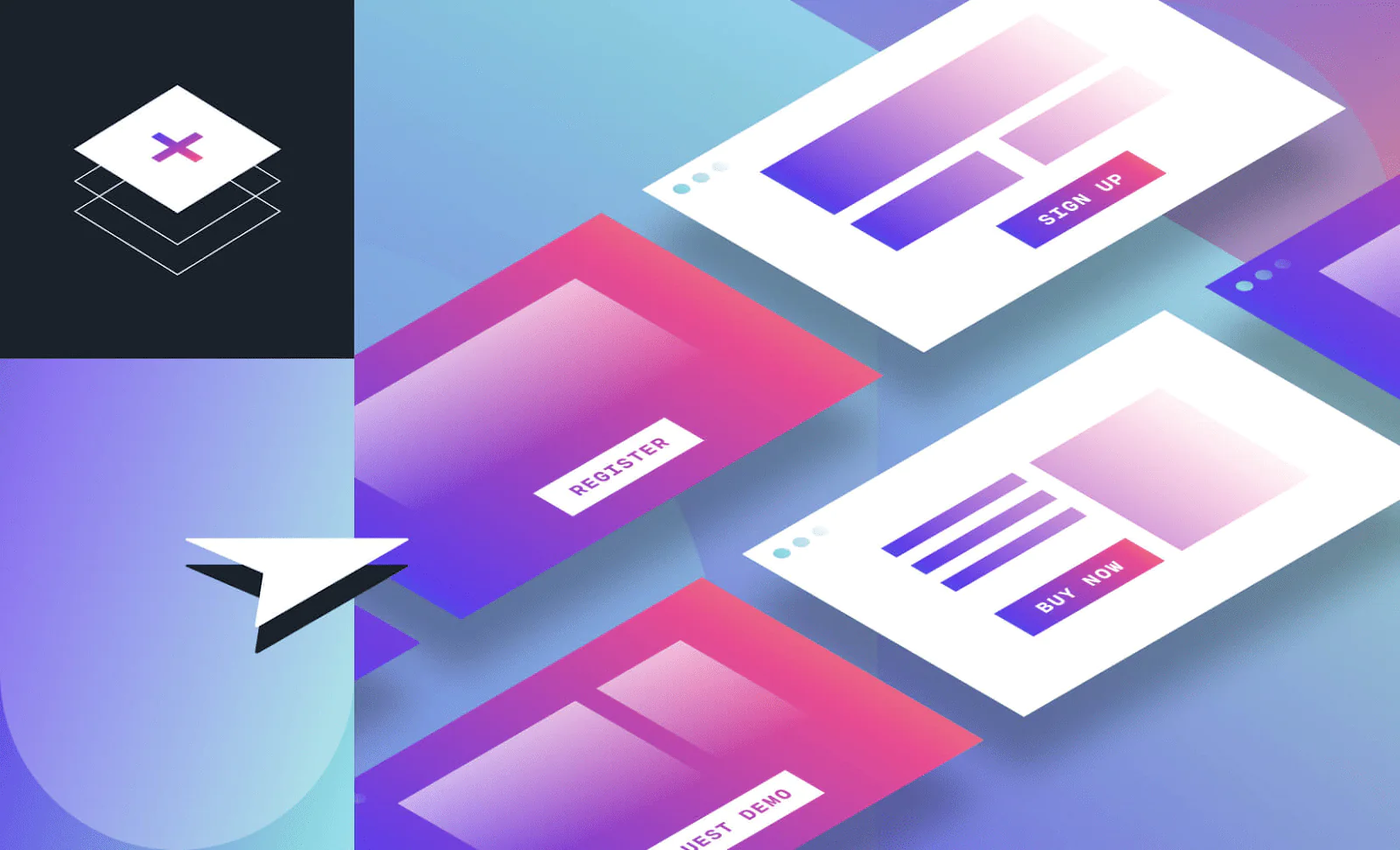
Dedicated landing pages give leads more detail and a clear path to continue their journey with your brand rather than bouncing off a generic homepage.

Landing pages need their own CTA rather than sending traffic to your homepage, which is cluttered with information that isn’t relevant to that specific lead.
Sending the right leads to the right landing page matters more than volume. A clear headline and CTA improve retention and cut down on bounces.
Nurturing Existing Leads

New leads aren’t the only ones that matter. Leads that have gone quiet after sitting in your funnel need re-engagement campaigns to pull them back toward a decision.
Lead Scoring
Lead scoring helps your team focus on the leads most likely to close instead of spreading attention evenly across everyone in the pipeline. Scores are typically built from lead behavior, the information they’ve provided, and how engaged they are.
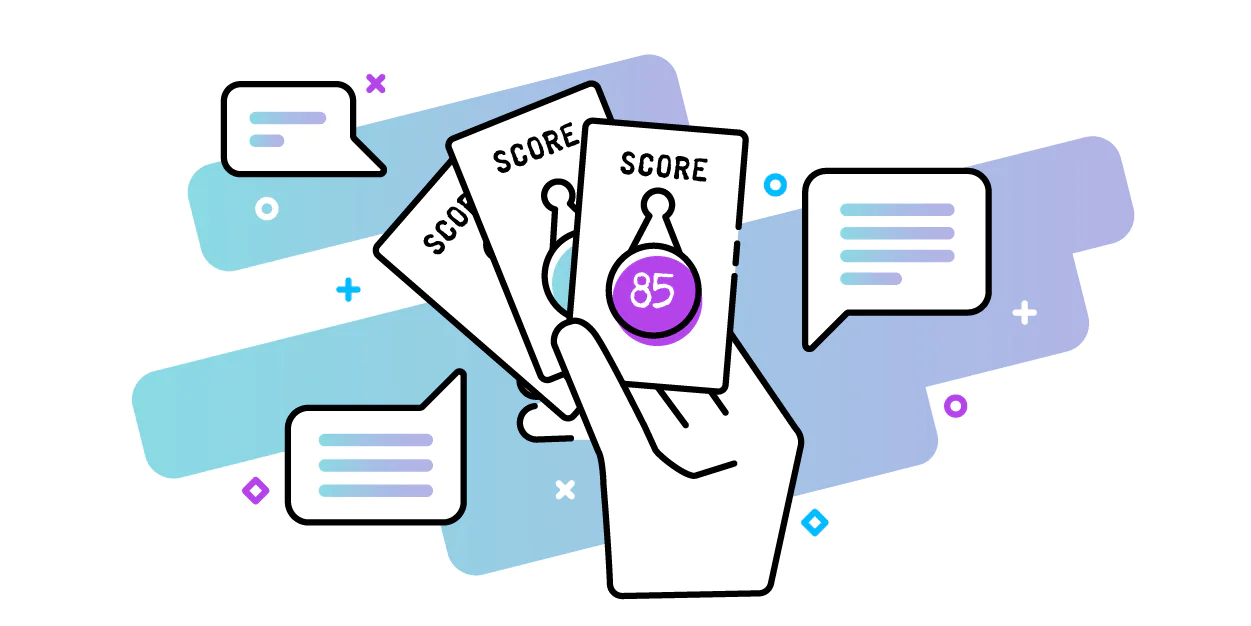
Scoring places leads somewhere on a scale between “interested” and “ready to buy,” which tells you which channel and content to use to move them forward. In healthcare sales, buying committees are often larger and slower than typical B2B deals, so scoring models that work well for software companies can overvalue early interest and miss the signals that actually predict a close, like compliance documentation requests or peer case study downloads.
Email and Call Outreaches
Cold outreach is one of the most important stages in the process, and cold calling and cold emailing usually work together. Sales reps use CRM software to track email performance, including click-through rates.
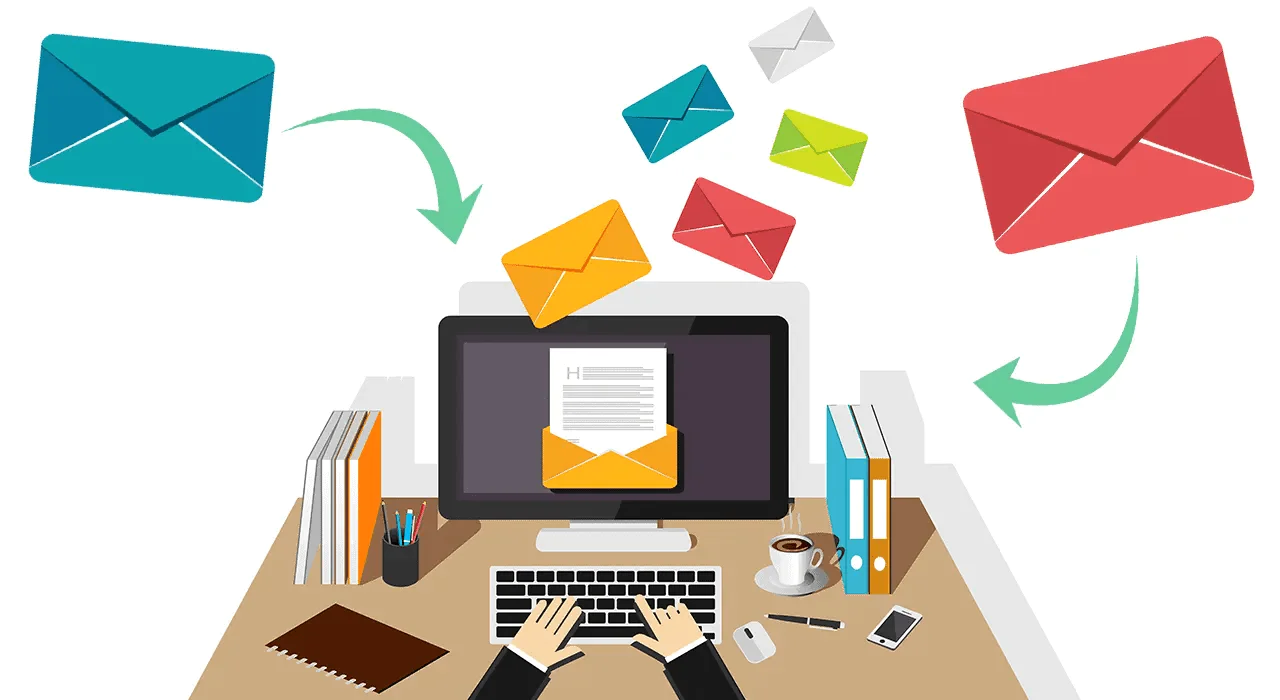
Engagement data from cold emails gives reps a shortlist of prospects worth calling. Ideally, reps call the most engaged leads first, qualify them, and set an appointment.
From there, qualified leads continue down the funnel. This approach works broadly, but keep in mind some prospects only want to hear from you by email. Track your outreach results so you know what’s actually working.
Outreach is essential, but it also puts pressure on sales and marketing teams to find accurate contact information, which takes time away from actually qualifying and closing leads. When you’re targeting healthcare providers specifically, this gets harder: role turnover is high, direct lines are often unlisted, and general practice or hospital switchboard numbers rarely reach the right decision-maker. Business associate agreements and other compliance requirements can also factor into how you handle any contact data you collect, so it’s worth confirming your data sources and processes align with your legal team’s expectations before scaling outreach.
Trust Swordfish AI to remove the hassle of manually searching for contacts and prospective customers with our automation and database enrichment features.
Swordfish AI: Find Prospects Faster for Effective Lead Generation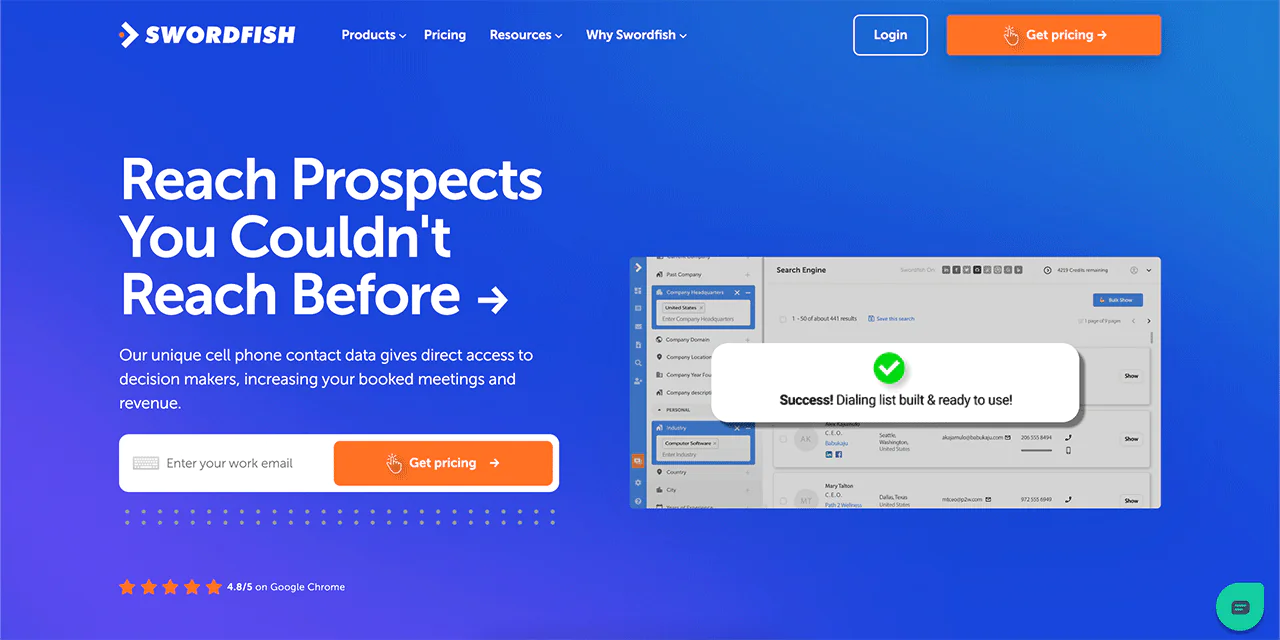
Swordfish AI is a prospect finder tool built to automate the search for verified contacts that match your ICP, which helps B2B teams build a stronger lead generation process without manual list-building.
Swordfish AI works with 200+ data sources to maintain verified contact information across more than 3.1 billion profiles, covering names, residential addresses, email addresses, and social profiles, so you can reach leads earlier in their journey and move them toward a decision faster.
Features
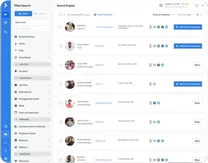
- Swordfish AI’s Chrome Extension lets you skip manual searching on platforms like LinkedIn, Facebook, and Twitter by automatically curating prospect lists you can add to projects in bulk.
- Reverse Search surfaces verified, publicly available contact details for key decision-makers once you input a single credential. The remaining missing fields fill in automatically.
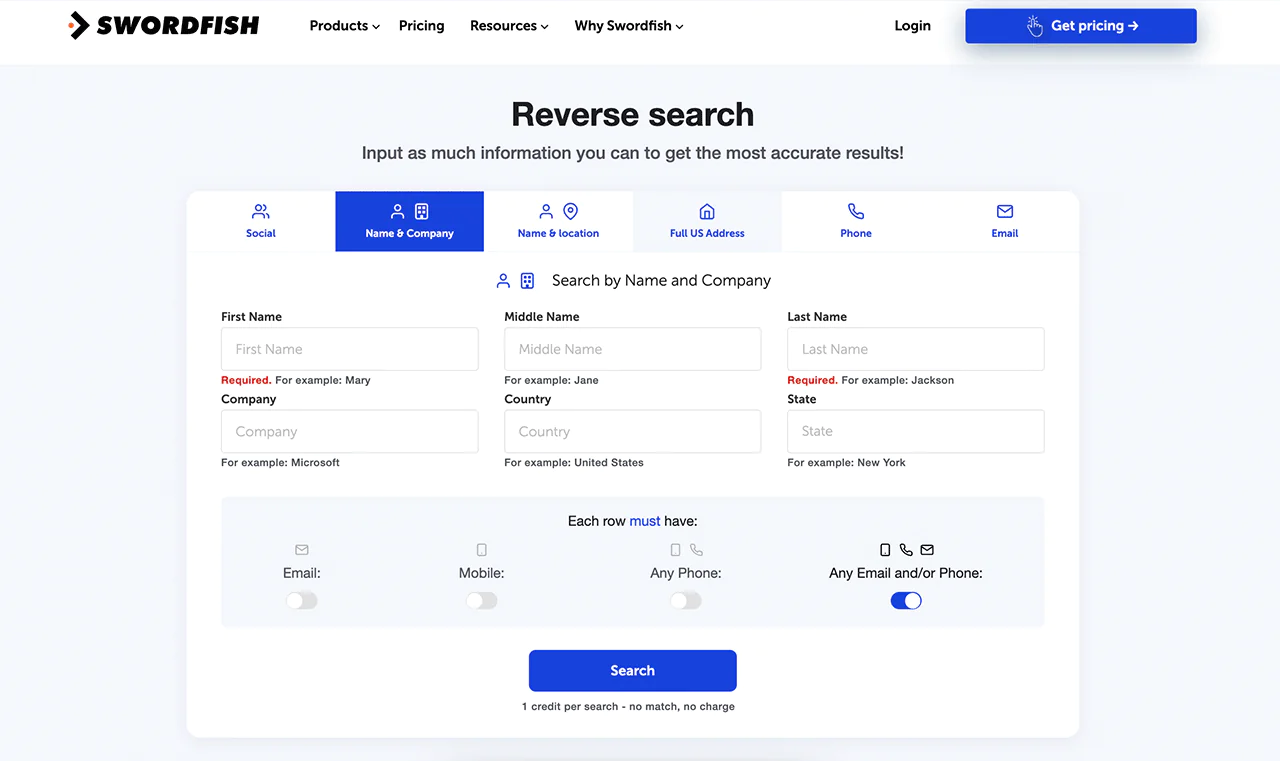
Swordfish AI lets you flag certain contact fields as “must-have,” and you’re only charged for the must-have data actually delivered. No matches, no charge.
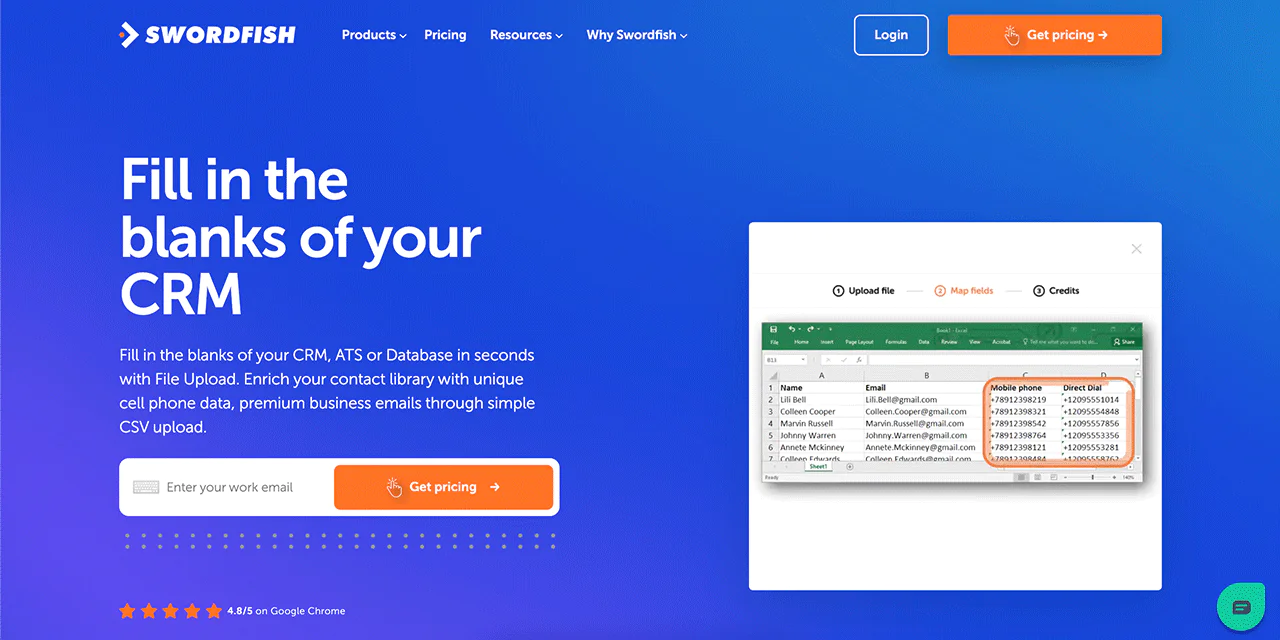
- File Upload appends missing data to your CRM, ATS, or other databases, filling in names, job titles, locations, phone numbers, mobile numbers, and business emails after you upload an Excel or CSV file.
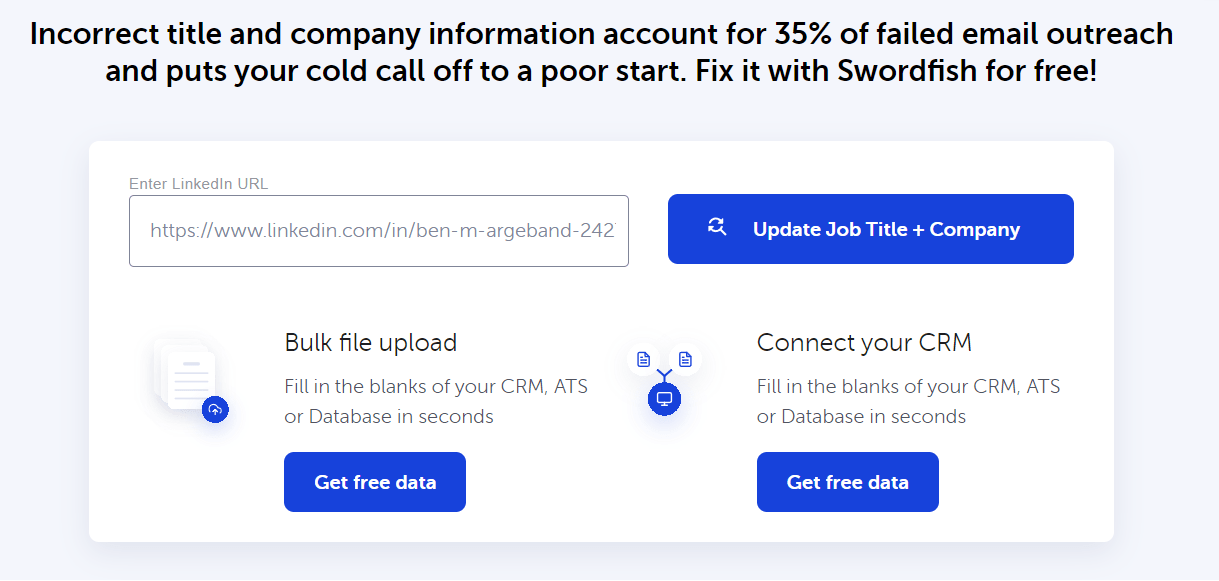
- Refresh Job Title + Company updates job title and company information for a contact based on their LinkedIn URL, so your team isn’t wasting calls on outdated or inactive contacts.
Pricing
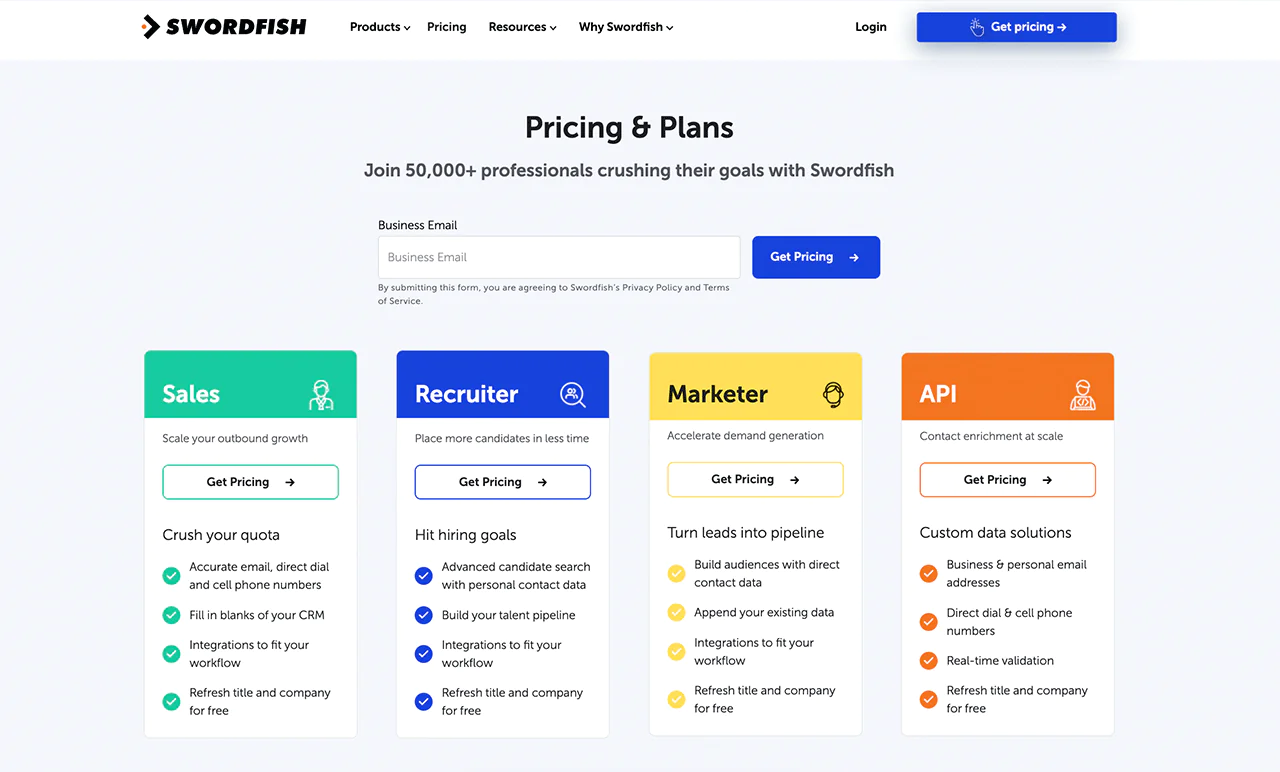
Swordfish AI offers pricing plans tailored to your team’s data needs, and the platform integrates with your existing CRM/ATS and workflows.
Sales and marketing teams spend less time hunting for the right contact information and more time actually talking to leads who are ready to move forward.
Contact us to try our features risk-free with a free trial, or talk to us about what you need so we can help you build a lead generation process backed by verified contact data.
Conclusion
A well-built lead generation process helps you grow revenue and brand presence at the same time. There’s no shortage of strategies to pull from, but the process itself is what determines whether those strategies actually convert.
Plan out exactly what message you want each type of prospect to see and what action you want them to take next. Consistency and timing matter more than volume.
Swordfish AI can simplify your cold outreach by giving you contact information across billions of profiles worldwide, so you spend less time hunting for contacts and more time reaching leads earlier in their journey.
Contact us to try our features or talk about your data needs so we can help you put together the lead generation process that fits your goals.