
 View Products


Key takeaways
- Accountant leads are prospective clients or business opportunities that accounting firms and independent practitioners may pursue.
- Networking, referrals, useful online content, directories, and targeted advertising are among the approaches discussed for finding prospects.
- Define the kinds of clients your firm serves before choosing lead sources or outreach channels.
- Personalize follow-ups by addressing a prospect’s needs and explaining a clear next step.
- Keep directory listings and contact records current, and check the accuracy of prospect information before outreach.
- Review applicable privacy, advertising, and professional requirements when using contact data, testimonials, or referral incentives.
Last updated: September 3, 2026

Accountants and auditors held roughly 1.6 million jobs in the United States as of 2024, and demand for skilled professionals shows no sign of slowing. Yet finding the right accountant, one who actually fits your organization’s needs, remains a persistent challenge for firms and clients alike.
For accounting firms seeking clients, the challenge is reaching the right businesses in a competitive market. Specialized services and varied client needs can make it harder to match a firm’s expertise with a suitable prospect.
If you’re trying to grow an accounting client base, a mix of outreach tactics and lead generation tools can help. Below are practical approaches for attracting prospective clients who fit your services.
What are Accountant Leads?
Accountant leads refer to potential clients or business opportunities targeted by accounting firms or professionals seeking to expand their client base. These leads are key for building relationships and increasing revenue within the accounting industry.
The U.S. accounting workforce has held steady at a large scale for years, with roughly 1.4 million professionals reported in recent counts. That scale reflects the sector’s continued importance to the broader economy, even as growth has leveled off in certain segments.
On average, each accounting firm employs about 6.5 individuals, which points to a market dominated by modestly sized firms serving a wide range of client needs rather than a handful of giants.
The mix of small and mid-sized firms points to a broad market for new client relationships. For firms and independent practitioners, a deliberate lead generation strategy can help identify and reach suitable prospects.
Who Needs Accountant Leads?
Accountant leads are important for accounting firms, freelance accountants, financial consultants, tax preparers, and auditors looking to expand their clientele and grow their businesses.

Here’s a closer look at who relies most heavily on a steady stream of accountant leads:
Accounting Firms
Accounting firms use leads to identify prospective clients, explore new sectors, and grow their client base. Any lead source should be evaluated for relevance and fit with the firm’s services.
Freelance Accountants
Freelancers need a reliable way to find prospective clients. A well-targeted database can help them connect with businesses seeking services such as bookkeeping or financial analysis.
Financial Consultants
Financial consultants may use business contact databases to reach organizations that need tailored financial advice. Targeted outreach can help them focus on niche markets and explain how their services meet specific needs.
Tax Preparation Services
During tax season, tax preparation services can use relevant lead sources to find individuals and businesses seeking tax filing assistance. The service provider is responsible for giving appropriate advice and preparing accurate returns.
Auditing Services
Auditors may use business directories or other prospecting resources to identify companies that could need financial statement audits. They should assess each prospect’s needs and applicable requirements before offering services.
How to Get The Best Accountant Leads
Swordfish AI can help you generate top accountant leads by offering access to a vast database and real-time data verification. You can also use targeted online directories, engage on social media, and implement effective referral programs to expand your network and attract the best leads.
Lead generation usually involves more than one tactic. Here are seven approaches to consider:
- Using Swordfish AI
- Networking and Industry Events
- Digital Marketing
- Social Media Strategies
- Referral Programs
- Optimizing Online Directories
- Implementing Paid Online Advertisements

1. Using Swordfish AI: Your Go-to Accountant Lead Generation Tool

Swordfish AI makes the process of finding new accountant leads more efficient. With a database of over 3.5 billion data points, it offers verified contact details for effective accountant marketing.
Swordfish AI says it uses real-time verification to help keep contact data current. Verify contact details before outreach, since records can become outdated.
Swordfish AI describes its matching tools as a way to find business contacts relevant to your services. Review each prospect to determine whether they are a good fit.
The tool provides access to phone numbers and email addresses, which may help reduce reliance on outdated contact details. Confirm that the information is accurate and appropriate to use before contacting a prospect.
Features of Swordfish AI for Accountant Leads
Swordfish AI offers tools intended to help accountants find and connect with prospective clients.
Here’s how each feature can help:
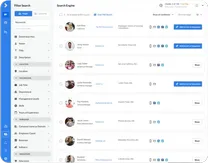
Prospect Search

The Prospect Search makes it easy to find accountant leads. You can filter by industry, company size, and geographic area, quickly identifying contacts that match your business goals. This targeted approach helps you focus on leads more likely to need accounting services, optimizing your marketing efforts.
Reverse Lookup

The Reverse Lookup feature comes in handy when you only have partial information about a lead. It fills in the missing details, making it easier to discover more leads in specific regions or industries. It’s a good fit for widening your reach and finding more precise opportunities within the accounting sector.
API Access

Integrating Swordfish AI’s contact data with your existing sales tools via API keeps your outreach process sharp and focused, since you’re pulling from a continuously updated source rather than static lists.
Bombora Intent Data

This functionality uses Bombora Intent Data to pinpoint businesses actively researching accounting services. Knowing who’s currently in the market helps you time outreach for when it’s most likely to land.
Chrome Extension

The Swordfish AI Chrome Extension pulls verified contact information directly from web browsing, including platforms like GitHub, LinkedIn, Facebook, and more. It’s particularly useful for surfacing leads on social platforms without leaving the page you’re on.
File Upload

The File Upload feature lets you manage contact information in bulk, keeping your lead lists current with minimal manual work. It fits into existing CRM and ATS workflows, so your data stays accurate and accessible for your sales team.
 Try Swordfish Ai
2. Networking and Industry Events
Networking and attending industry events can help accounting firms meet potential clients and professional contacts. Here are ways to make these opportunities more productive:
Attend Accounting Conferences and Trade Shows
Accounting conferences and trade shows offer opportunities to meet potential clients and other industry professionals.
A booth or panel discussion can introduce your services to business owners and finance managers who may be looking for accounting support.
A well-planned presence at an accounting expo can support a firm’s lead generation efforts.
Join Professional Accounting Associations
Professional accounting associations can provide regular networking opportunities. Their meetings and events may help you connect with potential clients and colleagues.
Active participation can also strengthen your professional relationships and help establish your credibility within the accounting community.
Capitalize on Interactive Opportunities
Use every interaction at these events to your advantage. Engage in discussions during breaks, ask questions during sessions, and connect with others at social gatherings.
Be ready to succinctly explain what makes your accounting services different, and always have your contact information on hand.
Follow Up After Events
The work doesn’t end when the event does. Following up with new contacts is what turns a brief introduction into an actual business relationship.
A personalized email thanking them for their time, with specifics on how your services address their needs, tends to land better than a generic template.
Forge Cross-Promotional Partnerships
Establish partnerships with businesses offering complementary services, such as financial consulting firms or tax advisory practices.
These collaborations can introduce your firm to new prospects through cross-promotion. Their value depends on the fit between the partners and the resources each contributes.
Host Educational Workshops and Seminars
Running workshops or seminars on topics like tax law changes, financial compliance, or strategic financial planning positions you as an authority in the field.
These events attract business owners and finance managers who want to improve their operations, giving you a natural opening to introduce your services.
3. Digital Marketing
A useful online presence can help accounting firms attract prospective clients through digital marketing.
As more businesses and individuals turn to the internet to find accounting solutions, here’s how to capture their attention effectively:
Search Engine Optimization (SEO)
Optimizing your website for search engines is worth the effort. Incorporating keywords related to accountant services, such as “accountant services in [Your City],” improves your visibility in search results.
An SEO-friendly website can attract visitors who are actively searching online for accounting help.
Content Development to Demonstrate Expertise
Content marketing is an effective way to establish authority in the accounting sector. Publishing informative articles, blog posts, and guides on topics like “Best Practices for Financial Reporting” positions you as an expert.
Helpful, accurate content can draw visitors to your site and build trust in your firm’s expertise.
Social Media Engagement
Social media platforms are critical for connecting with potential leads. LinkedIn works well for B2B connections, letting you join accounting groups and share expertise directly with peers and prospects.
Facebook and Twitter can help you share updates, promote content, and engage with your audience. Case studies or client stories, shared with permission, can illustrate the services you provide.
Email Marketing
Email marketing provides a direct way to engage clients who’ve already shown interest in your services. Personalized emails aimed at your audience’s specific interests tend to outperform generic blasts.
Incorporate case studies, testimonials, or useful resources into your emails. Regular newsletters featuring industry news, accounting tips, or new services help keep your practice top of mind.
4. Social Media Strategies
Social media can help accounting firms build visibility and engage with prospective clients. Here are ways to use it:
LinkedIn for Professional Connections
LinkedIn can help you connect with prospective clients and professional contacts. Build a profile that clearly describes your services and, where appropriate, your relevant experience.
Participate in accounting and finance-related groups, share your thoughts on industry issues, and offer solutions that establish you as a knowledgeable authority in accounting.
Facebook and Twitter for Casual Engagement
Facebook and Twitter offer more relaxed environments for connecting with potential clients. Post updates about your services, share industry news, and provide tips useful to business owners and financial managers.
Sharing client successes, with permission, can help illustrate your work. Responding to comments and messages also gives you a way to build relationships with prospective clients.
Instagram for Visual Storytelling
Instagram is well suited for sharing the visual side of your work. Post images and videos from firm activities, team event snapshots, and infographics that explain complex financial concepts simply.
This approach personalizes your brand and demonstrates the impact of your services, making your firm relatable and memorable to potential leads.
Creating Shareable Content
Create content that addresses your audience’s needs and interests. Posts about accounting regulations, tax considerations, or financial planning can be useful to followers.
When people share useful content, it can extend your reach and help more prospective clients discover your firm’s expertise.
Staying Active and Engaged
Keep an active presence on your social channels and respond quickly to inquiries and comments.
Attentive, timely responses can help demonstrate that your firm is dependable to businesses evaluating accounting providers.
5. Referral Programs
Referral programs can help an accounting firm reach prospective clients through recommendations from satisfied clients.
Here’s a guide to crafting a referral program that delivers real results:
Establish a User-Friendly Referral Program
Create a simple, transparent referral program that clients can easily understand and join.
You might offer an incentive, such as a discount or service upgrade, when a referred prospect becomes a client. Check applicable professional rules and requirements before offering referral rewards.
Clearly Communicate Your Referral Program
Explain the referral program clearly to clients, such as when completing a project, in follow-up emails, or through your social channels.
Include how they can use your accountant email list to refer others directly. The clearer the benefits, the more likely clients are to participate.
Provide Compelling Rewards
If permitted, consider rewards that are relevant to your clients, such as discounts on future services or gift cards.
Make the program’s terms clear, including what qualifies as a referral and when any reward is provided.
Monitor and Appreciate Referrals
Track referrals and their outcomes so you can understand which sources are bringing in prospective clients.
Recognize each referring client with a personalized thank you note or small gift, which fosters ongoing loyalty and a continuous flow of referrals.
Keep Your Network Informed About Program Successes
Share program updates with clients when useful, while protecting the privacy of clients and prospects. Any testimonials or project examples should be used with permission.
Clear updates can remind clients about the program and explain how they can make a referral.
6. Optimizing Online Directories
Online directories can help prospective clients find your accounting firm. These steps can help you maintain useful listings:
Choose Relevant Directories
Start by selecting accounting-specific directories, or those featuring business services sections.
A listing in a relevant professional or business directory can help put your firm in front of people searching for accounting services.
Keep Listings Updated
Keep your directory listings current. Make sure contact details, services offered, and any promotional material stay up to date.
Set regular reminders to check and refresh your listings, particularly after any significant change to your services or business information, so potential clients always see accurate data.
Encourage Client Reviews
Positive reviews in these directories can meaningfully boost your firm’s credibility. Encourage happy clients to leave feedback by sending a follow-up email after the engagement, with a direct link to your directory page.
Prospective clients may use reviews to assess a firm’s reputation and the experiences of its clients.
Engage Actively with Your Listings
Keep an eye on your listings and respond to comments or questions where appropriate. A timely, professional response can help prospective clients get the information they need.
A clear response to a prospective client’s question can help them assess whether your firm may be a good fit.
7. Implementing Paid Online Advertisements
Paid online advertising can help accounting firms reach potential clients. Targeting ads to relevant audiences and search queries can make campaigns more focused.
Choosing the Right Advertising Platforms
First, figure out where your potential clients are most likely to be online. For accounting services, that often means financial blogs, accounting software review sites, and professional platforms like LinkedIn.
Google Ads can also work well for capturing people searching for specific accounting help through targeted queries.
Designing Targeted Ad Campaigns
The success of your paid ads depends on how well they match the searcher’s intent. Build campaigns that speak directly to the questions people have when looking for accounting assistance.
Keywords such as "certified public accountants" or "small business accounting services" may help reach people searching for the services your firm offers.
Monitoring and Adjusting Your Campaigns
Actively managing your advertising efforts matters. Regularly check how your ads are performing and adjust as needed. If an ad isn’t meeting expectations, tweak the messaging or try a different platform to better reach your audience and protect your budget.
Employing Retargeting Strategies
Retargeting can meaningfully optimize your B2b conversion rates by focusing on people who visited your website but didn’t take action.
Retargeting ads can remind past website visitors about your services. Their effectiveness varies, so monitor campaign results and follow applicable advertising and privacy requirements.
Highlighting Your Unique Value Propositions
Make sure your ads accurately explain what distinguishes your accounting services, such as relevant experience or a focus on client education.
Effective ads clearly describe the services you offer and give viewers a reason to learn more.
Conclusion
Generating accounting leads takes a balanced approach. Use social media to build visibility, improve your website’s search presence, and choose paid placements carefully. Track results so you can adjust your efforts and budget.
Personalized follow-ups can help address each lead’s specific situation. Explain how your services may meet their needs and make the next step clear.
Swordfish AI is one option for prospecting. Its listed features include the Prospector Tool, API access, and Bombora Intent Data; assess whether they fit your needs and verify contact information before outreach.
FAQS
How do I choose the right accountant leads?
To select the best accountant leads, consider factors such as the potential client’s industry, the size of their business, their specific accounting needs, and budget constraints.
What are the best practices for following up with accountant leads?
Effective follow-up with accountant leads involves prompt responses to inquiries, clear and professional communication, and providing detailed information on how your services can address their specific needs. Customize your follow-up messages to each lead’s unique situation and clearly suggest the next steps they should consider.
How can I increase the conversion rate of my accountant leads?
To boost the conversion rate of your accountant leads, thoroughly understand their unique needs and offer solutions that go beyond their expectations. Demonstrating your expertise and consistently providing excellent service are key.