
 View Products


Last updated: September 3, 2026
Sales prospecting is the process of identifying and cultivating potential customers, clients, or buyers for your products or services. For teams selling into healthcare organizations, that means finding the right physicians, administrators, or practice managers before a competitor does, and reaching them through channels that actually get answered.
The goal is to move prospects through the sales flywheel, nurturing them until they become paying, revenue-generating customers.
Applied consistently, these sales prospecting best practices help you focus your outreach, build real relationships with prospects, and convert more leads into customers.
Below, we walk through what sales prospecting is, why it matters, the best practices worth adopting, and the tools sales teams use to find and reach prospects.
What is Sales Prospecting?
Sales prospecting is the process of identifying and cultivating potential customers, clients, or buyers for what you sell. It’s typically the first stage of the sales cycle, done before a deal ever reaches negotiation.
The goal is to guide these prospects through the sales flywheel until they become paying customers.
This work is usually split between sales development or business development representatives, who source and qualify leads, and account executives, who take qualified opportunities to close.
Prospectors identify new opportunities using market research, lead generation tools, referrals, and networking. In healthcare-focused sales, that often means cross-referencing NPI registries, practice directories, or verified contact databases to confirm you’re reaching an active provider rather than an outdated listing.
Prospecting rewards adaptability. Understanding your target market means tracking industry trends, identifying who actually makes purchasing decisions at a practice or health system, and staying current on regulatory or operational changes that affect buying behavior.
Technology plays a growing role here. Lead generation and data enrichment software can shorten the time it takes to build a list, verify contact details, and track outreach progress.
None of that replaces the basics, though: understanding a prospect’s specific pain points and crafting a message that speaks to them directly, rather than a generic pitch.
Importance of Sales Prospecting
Here’s why consistent prospecting matters for a sales organization.
Expanding your customer base:
Prospecting surfaces potential customers who may not yet know your product exists. Proactively searching for new prospects opens up markets you’d otherwise miss.
Maximizing revenue potential:
Consistent prospecting builds a fuller pipeline. The more qualified opportunities you’re nurturing at any given time, the better your odds of hitting revenue targets.
Targeted approach:
Good prospecting means directing effort toward the prospects most likely to convert. Understanding their needs and pain points lets you tailor messaging instead of sending the same pitch to everyone.
Building strong relationships:
Prospecting isn’t only lead generation. Personalized, valuable interactions build trust early, which matters in industries like healthcare where credibility and compliance sensitivity shape buying decisions.
Staying ahead in the competition:
Reaching a decision-maker before a competitor does gives you a real edge, particularly in specialties or regions where the buyer pool is small and word travels fast.
Qualifying leads:
Prospecting lets you rank leads by fit, interest, and buying power, so your team spends time on opportunities most likely to close rather than chasing every inbound inquiry equally.
Generating referrals:
Satisfied customers are a reliable source of new business. A provider who trusts your product is often willing to introduce you to colleagues, which tends to convert faster than cold outreach.
What are Sales Prospecting Best Practices?
The following practices consistently show up in effective prospecting programs.
Define your target audience:
Build an ideal customer profile based on specialty, practice size, geography, and pain points. Detailed buyer personas keep your outreach focused instead of scattershot.
Conduct thorough research:
Before reaching out, learn what you can about the prospect’s organization, their industry pressures, and their likely objections. A CRM helps you track this over time, and data enrichment tools can fill in verified contact details you’d otherwise spend hours chasing manually.
Utilize technology:
Automation handles the repetitive parts of prospecting, tracking leads, scheduling follow-ups, flagging stale contact records, so reps can spend more time on conversations that actually move deals forward.
Craft personalized messages:
Skip the generic template. Reference a specific pain point or trend relevant to the prospect, and make it clear you’ve done homework on their situation before you ask for their time.
Multichannel outreach:
Combine phone, email, social, and in-person or event touchpoints. Providers and practice staff vary widely in which channel they actually respond to, so relying on just one narrows your odds unnecessarily.
Persistence with respect:
Busy prospects often need several touchpoints before responding. Space out follow-ups at reasonable intervals and keep the tone professional. Persistence works; pestering doesn’t.
Establish credibility:
Publish or share content that demonstrates real expertise, blog posts, case studies, webinars, so prospects see you as a resource before they see you as a vendor.
Leverage referrals:
Ask satisfied customers directly for introductions. A referral carries built-in trust that cold outreach can’t match, which typically shortens the sales cycle.
Collaborate with marketing:
Coordinate messaging and campaigns with your marketing team so prospects see a consistent story across channels, rather than conflicting messages from different parts of the company.
Continuous learning and adaptation:
Prospecting tactics that worked last year may underperform today. Track what’s working, drop what isn’t, and stay current on new tools and regulatory considerations, particularly around data privacy, that affect how you can contact healthcare prospects.
Put together, these practices help you focus effort, build real relationships, and convert more leads into customers.
Next, a look at tools that can support this work directly, saving time and improving the odds that outreach actually lands.
Top 5 Tools to Find Prospects
Here are five tools commonly used for sales prospecting, along with what each one does well.
Swordfish.AI
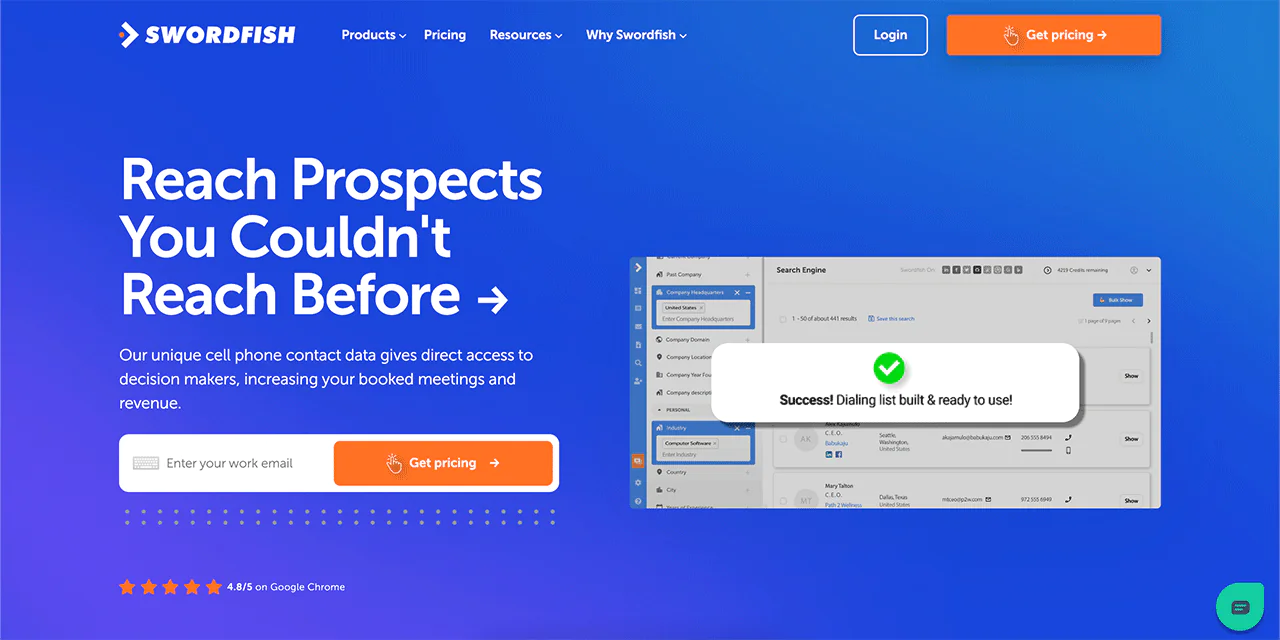
Swordfish.AI is a sales prospecting tool built around finding and verifying direct contact information, including mobile numbers and personal emails, for hard-to-reach prospects.
Its data-driven enrichment features help sales teams prioritize outreach and tailor messaging based on the information it surfaces.
For teams targeting healthcare providers specifically, the ability to find verified, direct contact details matters more than it does in many other verticals, since generic office lines and shared inboxes rarely reach a decision-maker.
Pricing:
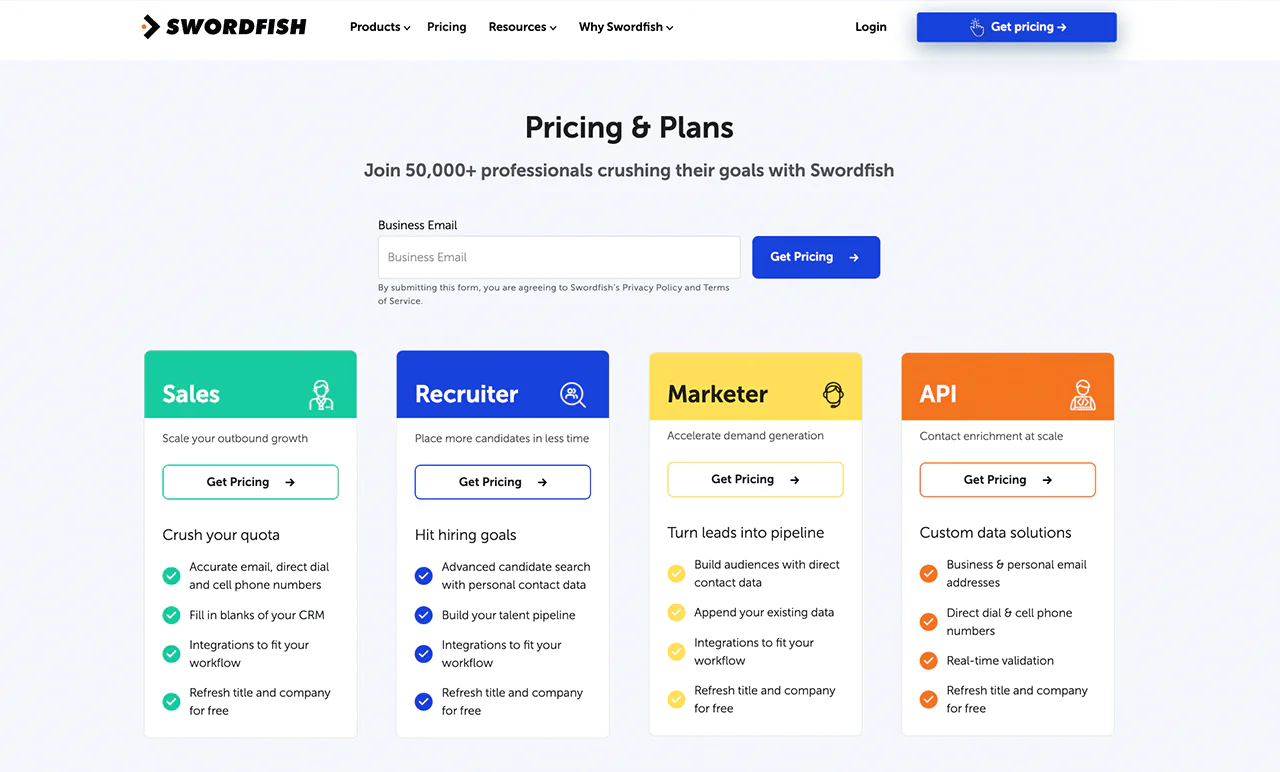
Swordfish AI offers a custom-sized free trial suited to the organization’s needs. The Swordfish AI pricing page contains information on different plans, including custom enterprise solutions.
Crunchbase
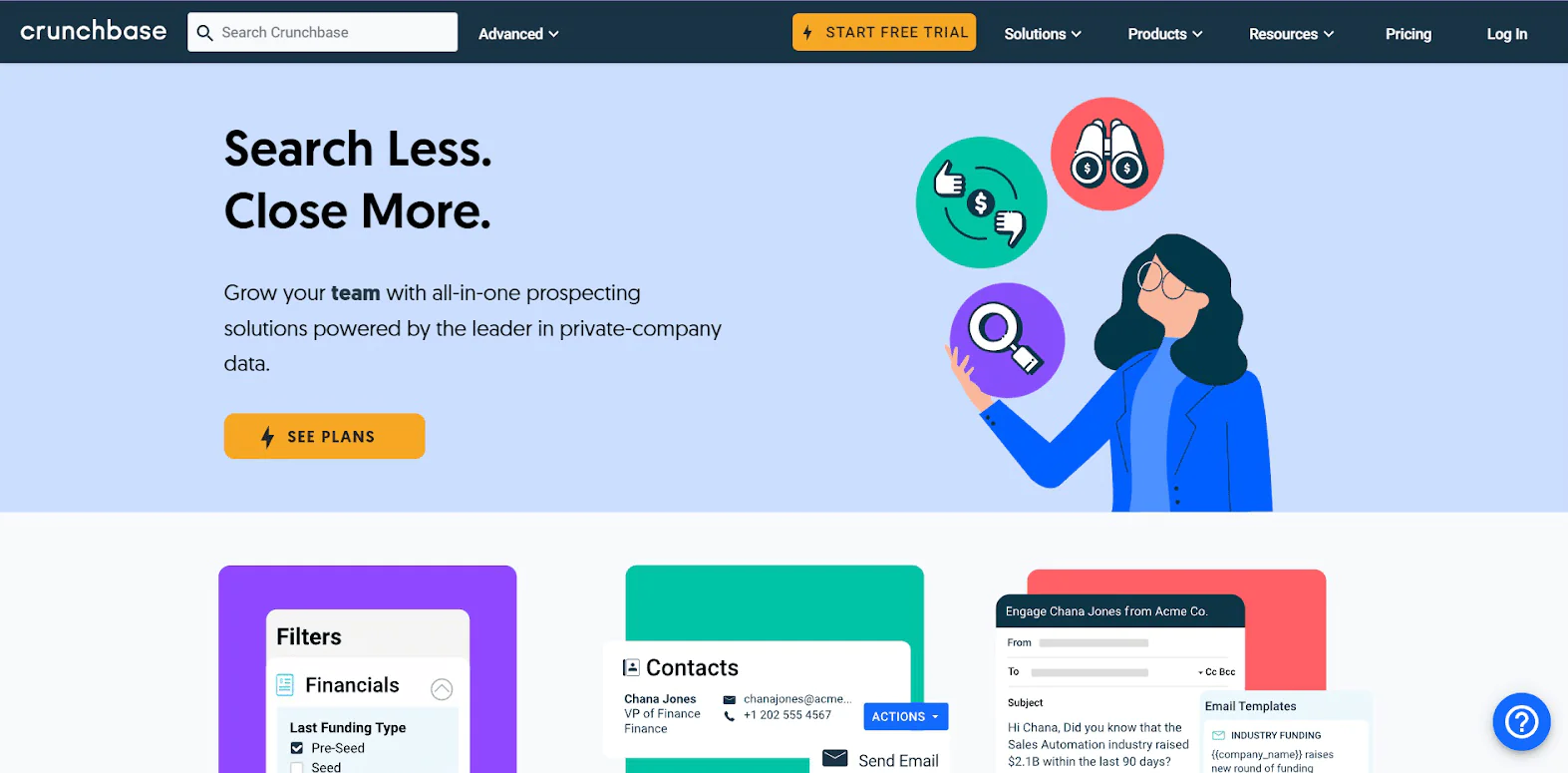
Crunchbase is widely used for accelerating deal research. It offers firmographic and funding data alongside contact details for decision-makers, which helps users identify and evaluate companies in a target market.
The platform also surfaces suggested accounts and buying-signal alerts to speed up pipeline development.
Its appeal is largely in consolidation, letting reps do research and list-building in one place instead of juggling several tools.
Pricing:
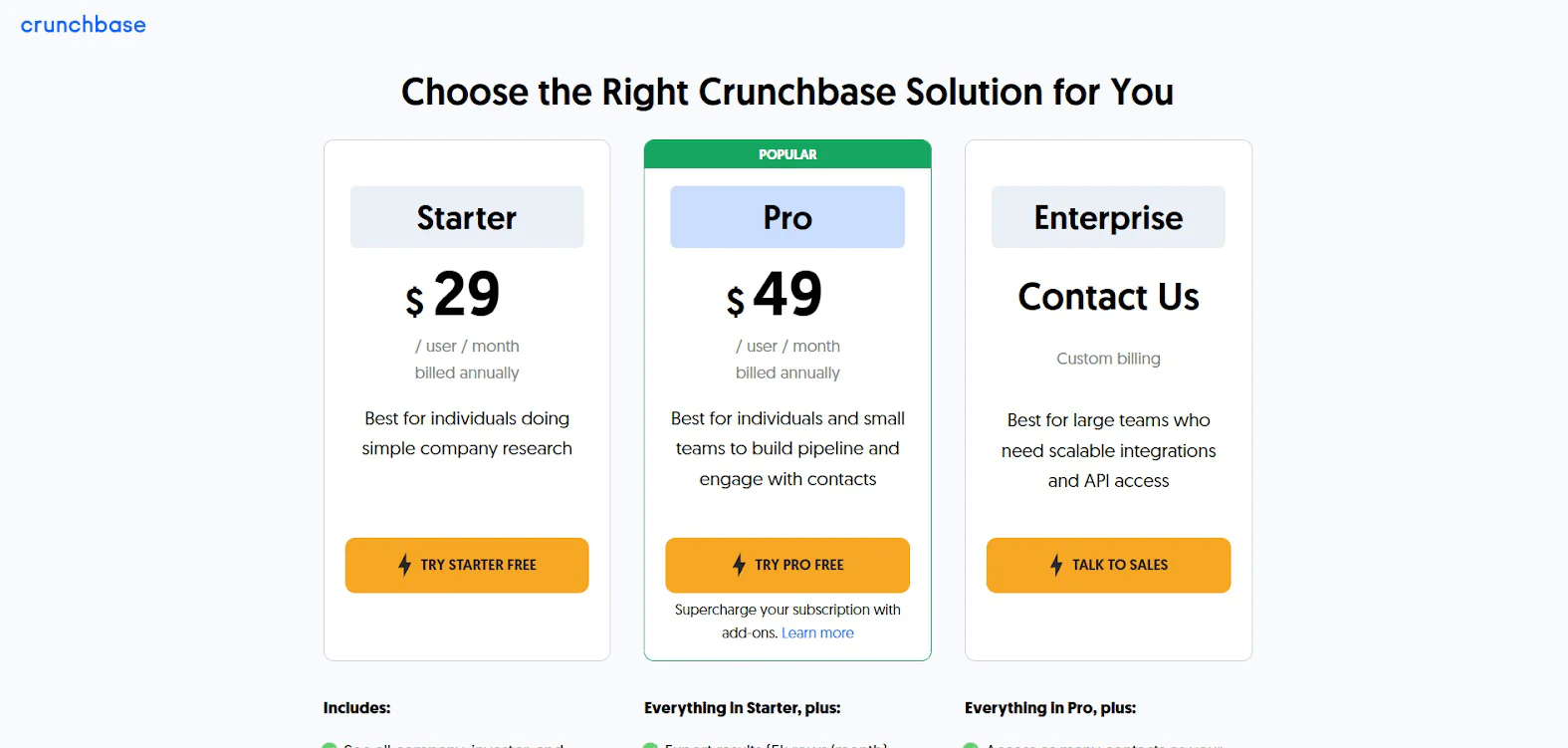
Crunchbase offers three pricing plans.
- Starter Plan – $29 per month for each user
- Pro Plan – $49 per month for each user
- Enterprise Plan –Customized plan
Gong.IO
Gong.io is a conversation intelligence platform rather than a pure prospecting tool. It records, transcribes, and analyzes sales calls and demos using AI.
That analysis helps reps and managers see what’s working in live conversations, which messaging lands and which doesn’t, so outreach and follow-up calls improve over time.
The value here is less about finding new prospects and more about sharpening how your team talks to the prospects they already have.
Pricing:
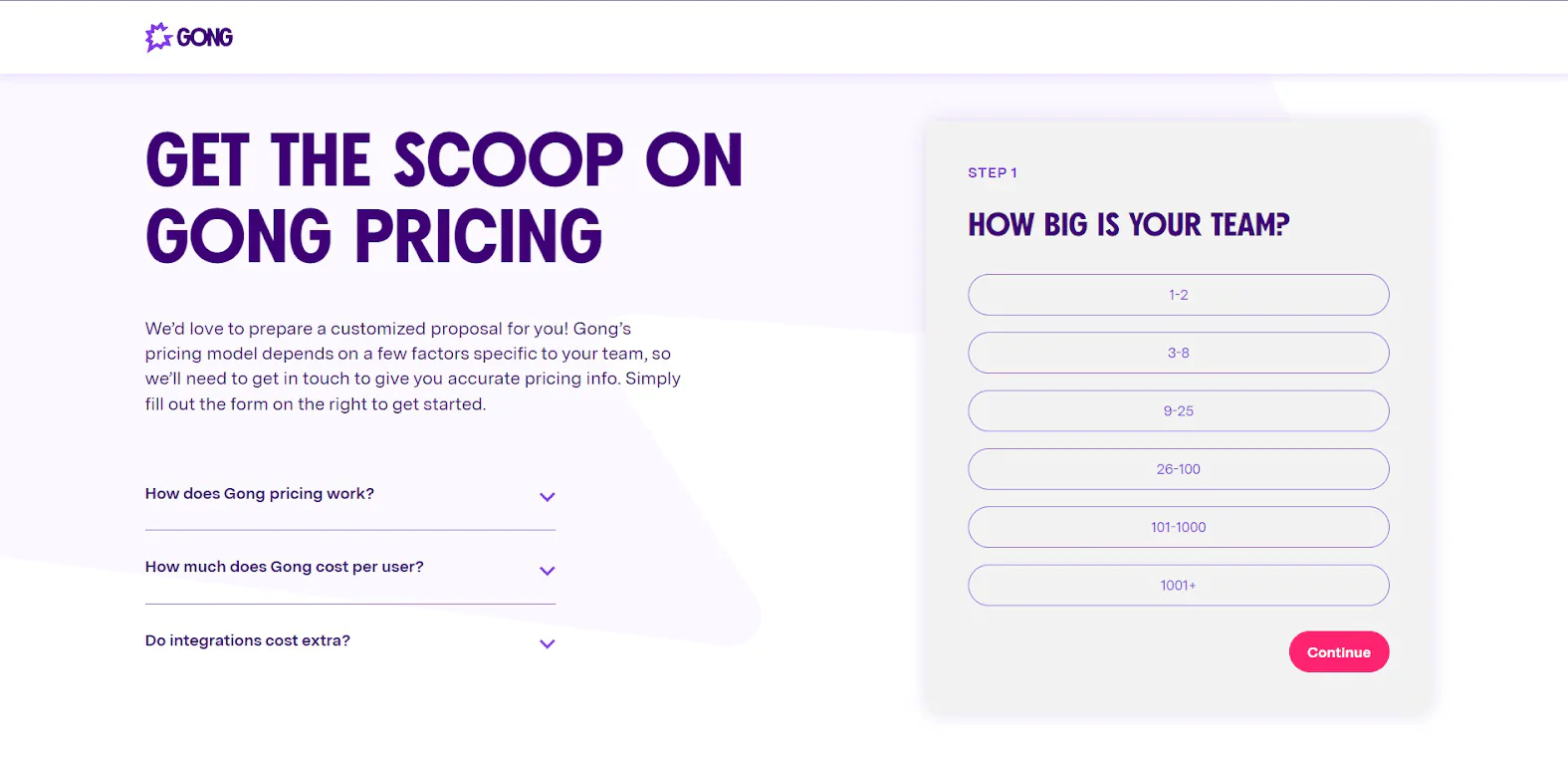
Gong.io offers customized pricing plans based on team size and use case. Contact them directly through their site for a quote.
Leadfeeder
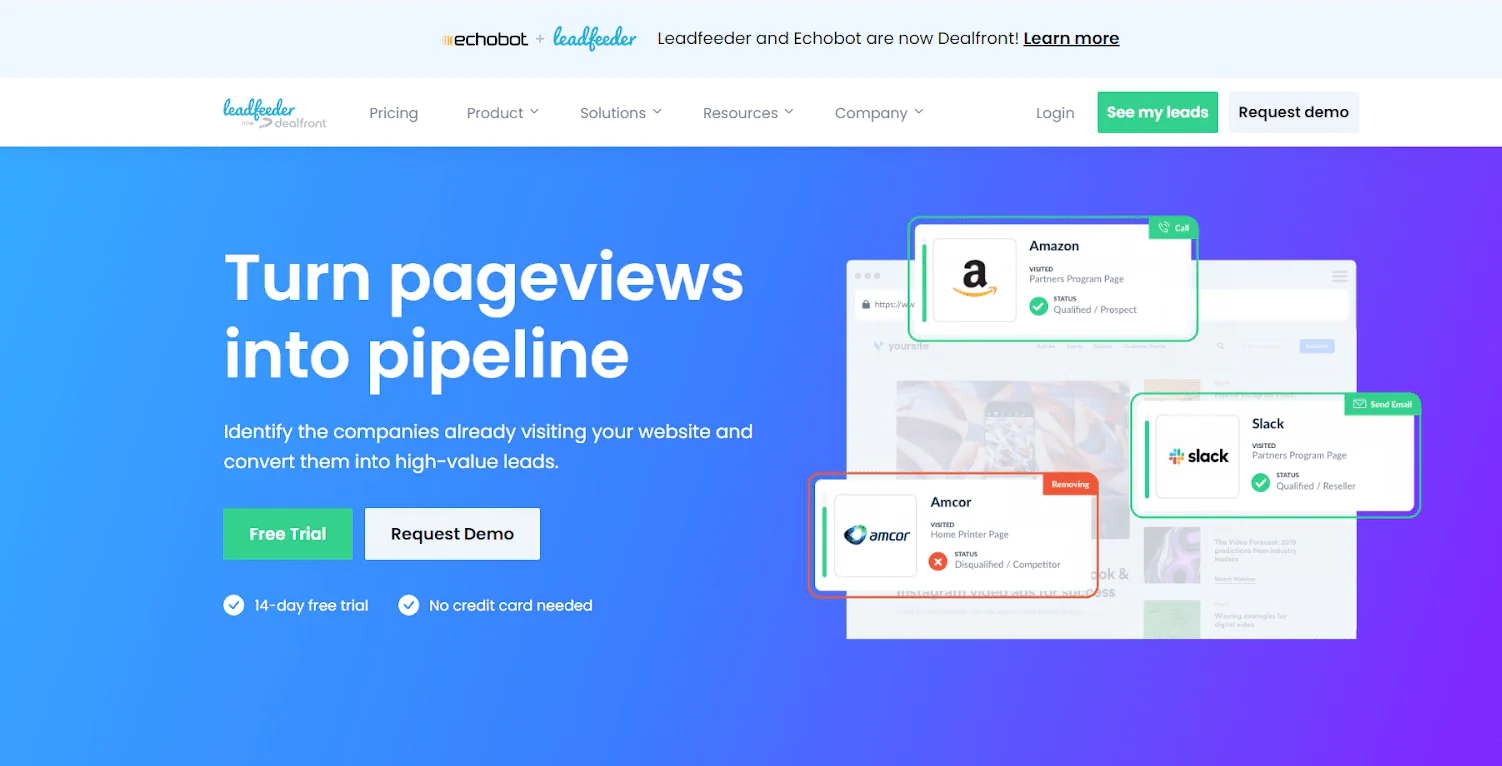
Leadfeeder takes a different approach: instead of building outbound lists, it identifies companies visiting your website by tracking IP-level activity, no form fill required.
After installing the Leadfeeder tracker script, you can see which pages are getting attention and how long visitors stay on them. That behavioral data is useful for prioritizing warm inbound leads and shaping follow-up messaging around what a prospect was actually looking at.
It also surfaces contact details for people at the visiting company, connecting anonymous website traffic to Leadfeeder named decision-makers you can reach out to directly.
Teams evaluating this category of tool should weigh the Leadfeeder cost against comparable platforms to get a realistic sense of what fits their budget and workflow.
The comparison matters because website-visitor identification tools vary widely in accuracy and in how they handle contact-level versus account-level data.
Pricing:
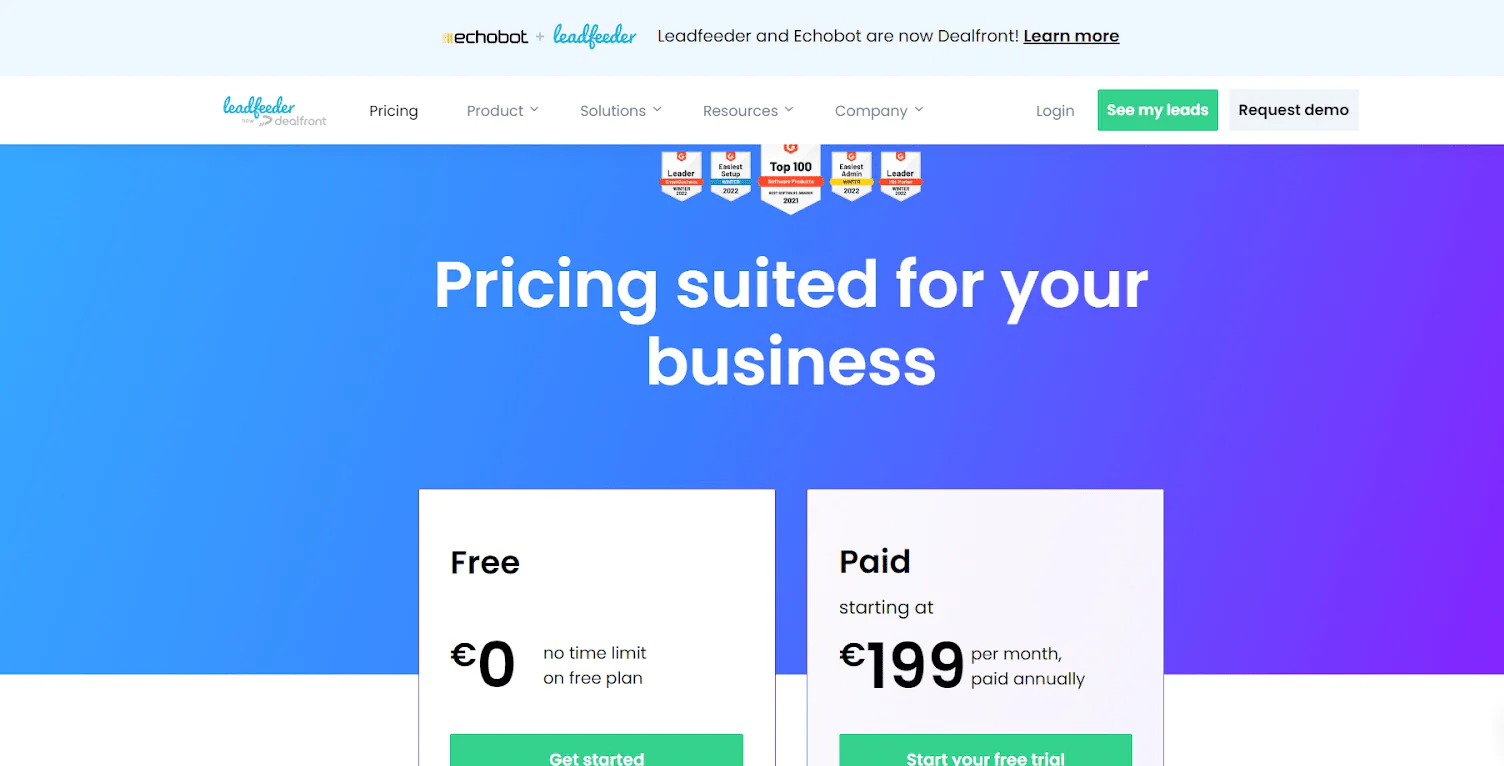
Leadfeeder offers two pricing plans.
- A free plan at absolutely no cost.
- The paid plan starts at €199 per month for sales and marketing teams.
Cognism
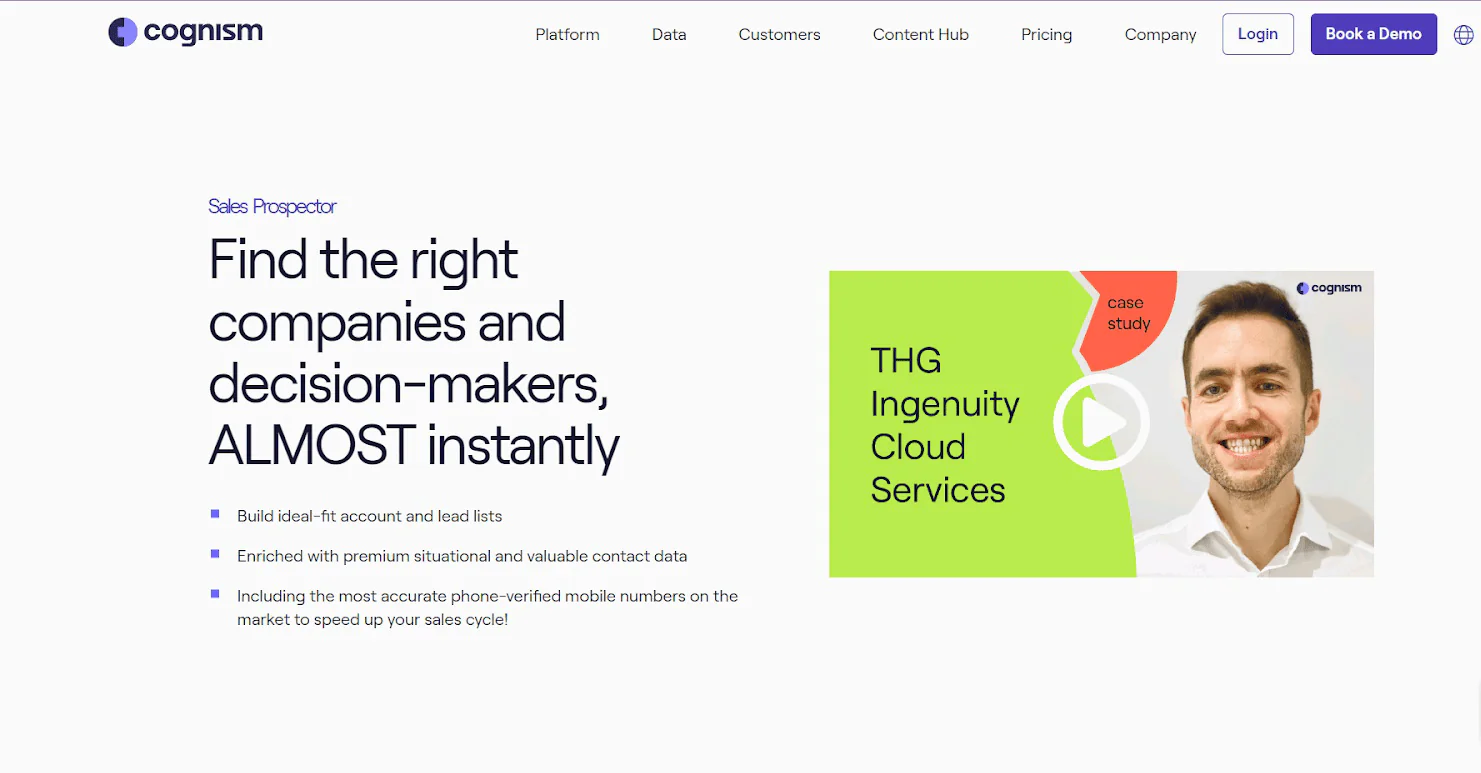
Cognism focuses on compliant contact data across EMEA, North America, and APAC markets, which makes it a common choice for B2B teams selling into multiple regions with different privacy rules.
Its database includes validated emails, direct dials, and phone-verified mobile numbers, aimed at giving reps confidence that the number they’re dialing actually reaches the right person.
Pricing:
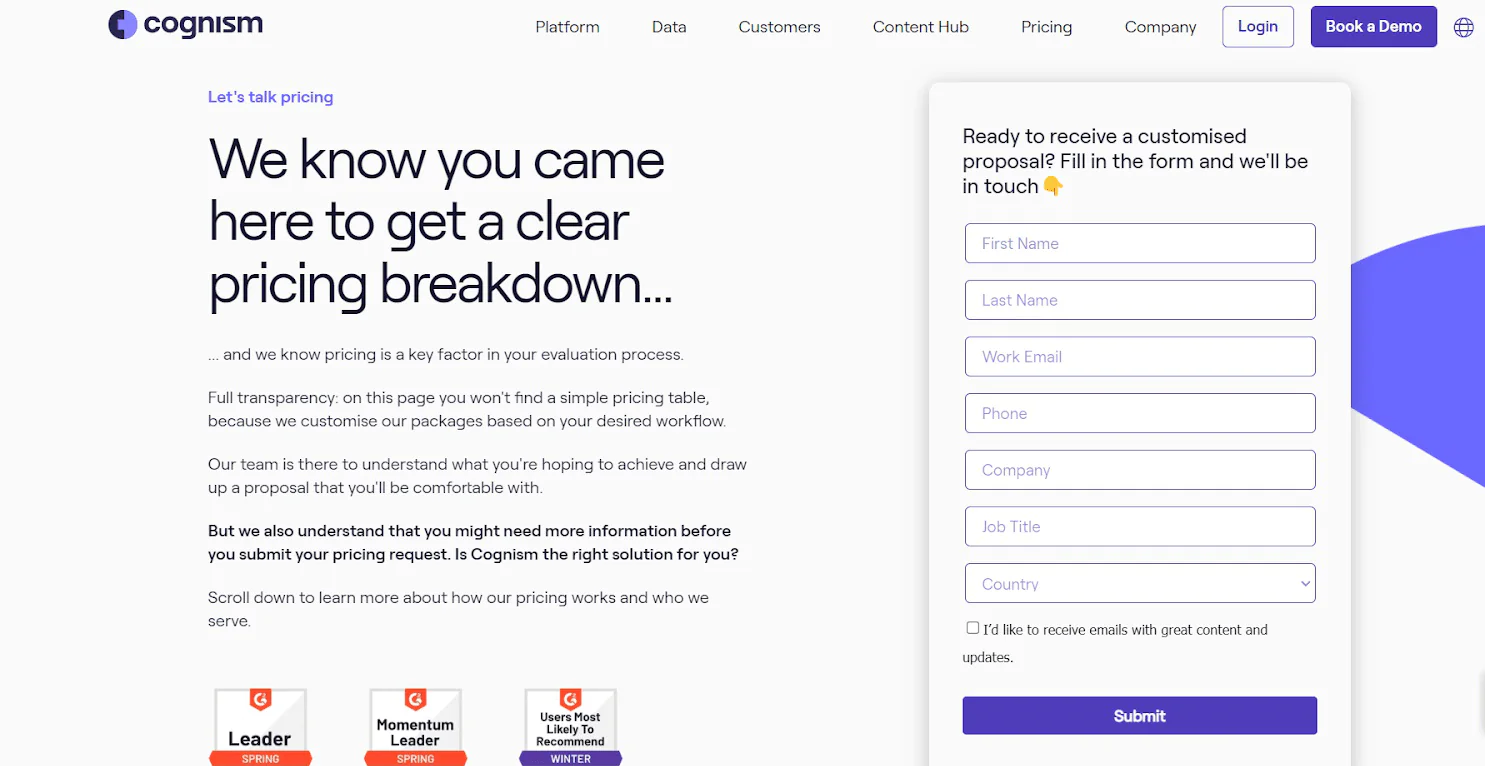
Cognism doesn’t publish flat rates; pricing is quoted individually based on team size, region coverage, and data needs. You can request a custom Cognism pricing plan directly from the vendor.
Among the tools above, Swordfish.AI stands out for its CRM enrichment capabilities and pricing that tends to be more accessible for small and mid-sized teams. Here’s a closer look at what it offers.
Swordfish.AI: The Ultimate Prospect Finding Tool
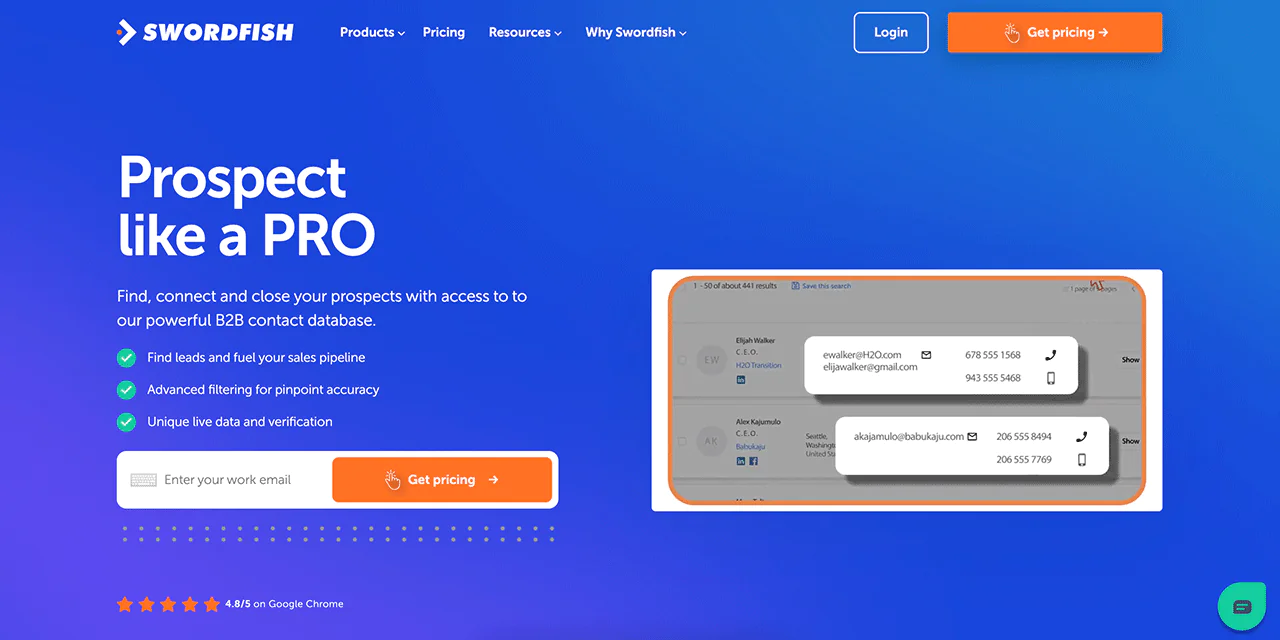
Swordfish.AI is built specifically around finding and verifying direct contact information for potential customers, including hard-to-find mobile numbers and personal emails.
It integrates with a range of platforms so teams can pull contact data and insights into existing workflows rather than working out of a separate tool.
The core strength is accuracy and freshness of contact data. Its database includes validated B2B emails, direct phone numbers, and social profiles, which matters most when you’re trying to reach someone who doesn’t answer a shared office line, a common problem when prospecting healthcare providers.
It also includes analytics and reporting so teams can track campaign performance and adjust outreach based on what’s actually converting rather than guesswork.
Features of Swordfish.AI:
Here’s what the platform includes.
Advanced Search:
Find prospects by industry, job title, location, and company size.
Contact Verification:
Validated B2B emails, direct phone numbers, and social media profiles reduce the odds you’re chasing a dead contact.
Data Enrichment:
Firmographic, technographic, and buying-intent data help you personalize outreach instead of guessing.
Integration:
Connects with various platforms to pull data and insights from multiple sources into one workflow.
Lead Scoring:
Prioritize leads based on potential so reps spend time on the opportunities most likely to close.
Email Campaigns:
Built-in email capabilities, including templates and tracking, to streamline outreach.
Social Selling:
Social media integration for engaging prospects and building brand visibility.
Analytics and Reporting:
Track campaign effectiveness and progress to support data-driven decisions.
Team Collaboration:
Share prospecting efforts across team members for better coordination.
CRM Integration:
Sync with popular CRM systems to keep contact data and workflow aligned.
Together, these features are meant to help sales teams cut down the manual research work in prospecting and put more time into actual conversations with prospects.
Conclusion
Sales prospecting best practices are foundational to sustainable business growth, not a one-time checklist.
Defining your target audience, doing real research before you reach out, using technology to remove manual busywork, and writing messages that speak to a specific prospect’s situation, these are the fundamentals that hold up across industries, including healthcare.
Tools like Swordfish.AI support that work with features such as advanced search, contact verification, data enrichment, and CRM integration, aimed at helping teams find and reach prospects more efficiently.
Used well, these features can help reduce time spent on manual list-building and put more of it into direct outreach and follow-up.
Sign up for Swordfish.AI to get a free trial and see how it fits into your prospecting workflow.