
 View Products


Last updated: September 3, 2026
Most sales teams don’t have a lead problem. They have a lead quality problem. Anyone can fill a CRM with names; the harder work is finding people who actually have a reason to buy, a budget to spend, and the authority to say yes. That’s especially true when selling into healthcare, where the right contact might be a busy physician, a practice administrator, or a hospital procurement lead who’s nearly impossible to reach through a generic front-desk number.
This guide walks through what sales lead generation actually involves, the channels worth your budget, and a practical framework for testing and improving results over time.
What is Sales Lead Generation?
Sales lead generation is the process of identifying and engaging people who might become customers, then moving them toward a buying decision. It’s the first stage of the sales funnel, and it’s about more than collecting names. Done well, it sparks genuine interest in what you’re selling and builds that interest until a prospect is ready to have a real conversation.
Modern lead generation is data-driven and targeted rather than a numbers game of mass outreach.
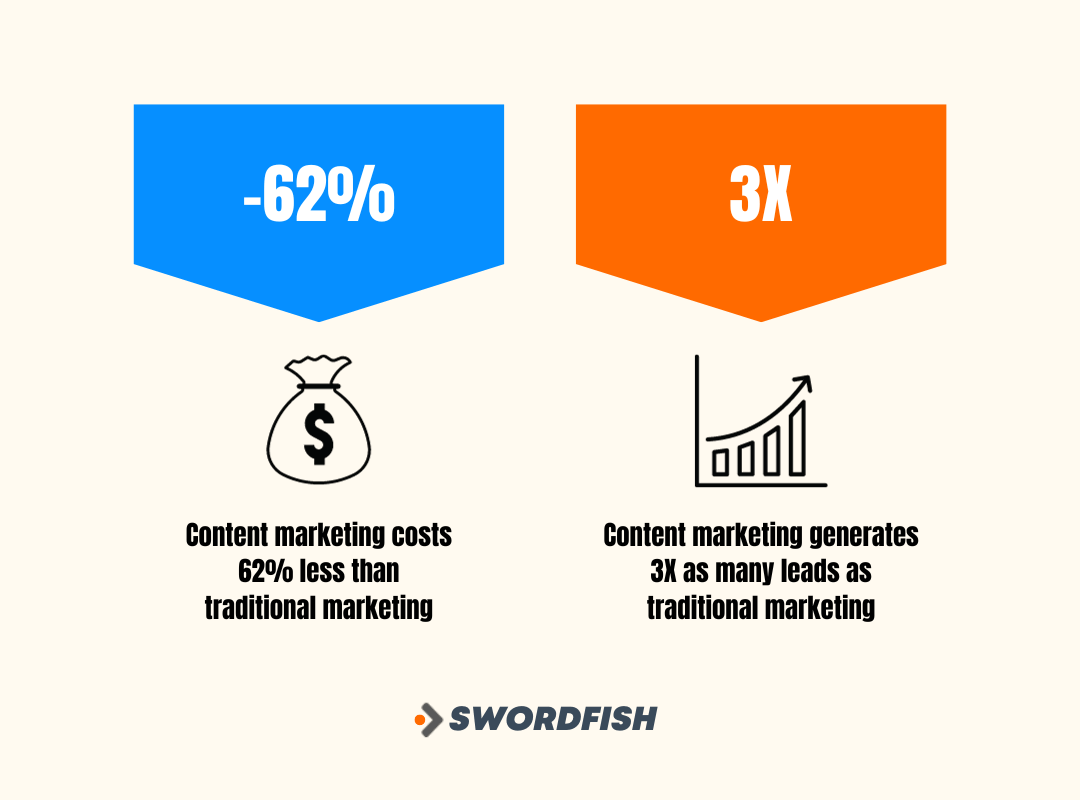
For example, HubSpot has reported that inbound marketing generates significantly more leads than traditional outbound marketing at a much lower cost per lead.
Effective lead generation today blends inbound and outbound tactics. Inbound methods draw prospects in with useful content and an active social presence. Outbound tactics, like targeted email and direct calling, put your message in front of people who haven’t found you yet. Buyers also need repeated exposure before they trust a claim, which is one reason Edelman’s Trust Barometer research has pointed to consumer skepticism toward brand claims, so consistent, multi-touch engagement matters more than any single message.
Types of Lead Generation
Sales lead generation splits into several categories depending on the channel and technique used. Here are the main approaches:
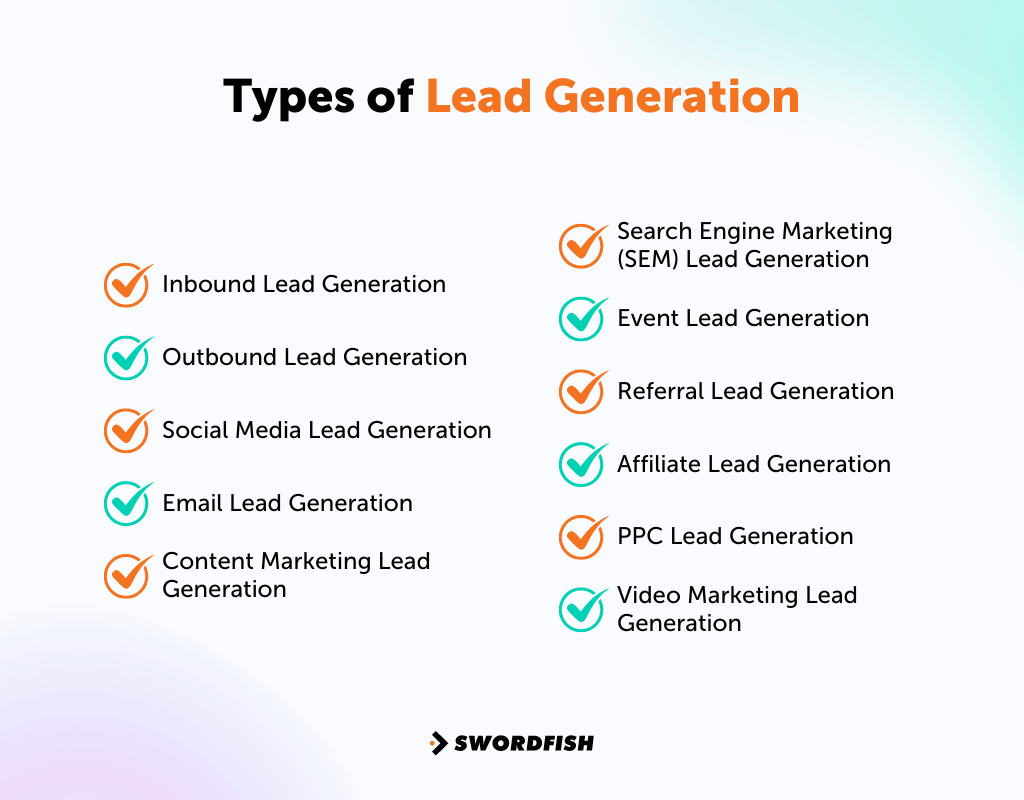
Inbound Lead Generation
This involves attracting leads through content, SEO, and social media so potential customers find you organically.
Outbound Lead Generation
The traditional approach: cold calling, direct mail, and email outreach where your team initiates first contact. In healthcare sales, this only works when the underlying contact data is current, since provider phone numbers and email addresses change often as clinicians move between practices and health systems.
Social Media Lead Generation
Using LinkedIn, X, Facebook, and Instagram to share content, join discussions, and run targeted ads that reach potential leads.
Email Lead Generation
Sending personalized emails to a curated list to nurture relationships and move prospects through the funnel.
Content Marketing Lead Generation
Publishing blogs, ebooks, whitepapers, and webinars that position your brand as a credible source of information.
Search Engine Marketing (SEM) Lead Generation
Paid search advertising that drives traffic to landing pages built to convert visitors into leads.
Event Lead Generation
Attending or hosting webinars, conferences, and trade shows to collect leads through networking and live presentations.
Referral Lead Generation
Encouraging existing customers to refer new prospects, often one of the highest-trust lead sources available.
Affiliate Lead Generation
Partnering with other businesses or individuals who promote your product to their audience for a commission on each lead or sale.
PPC Lead Generation
Pay-per-click campaigns on Google Ads or Bing Ads that drive targeted traffic to conversion-focused landing pages.
Video Marketing Lead Generation
Video content that demonstrates products, explains services, and tells your brand’s story in a format prospects are more likely to watch through.
Importance of Sales Lead Generation
Lead generation matters to a business in several connected ways. Here’s a closer look:
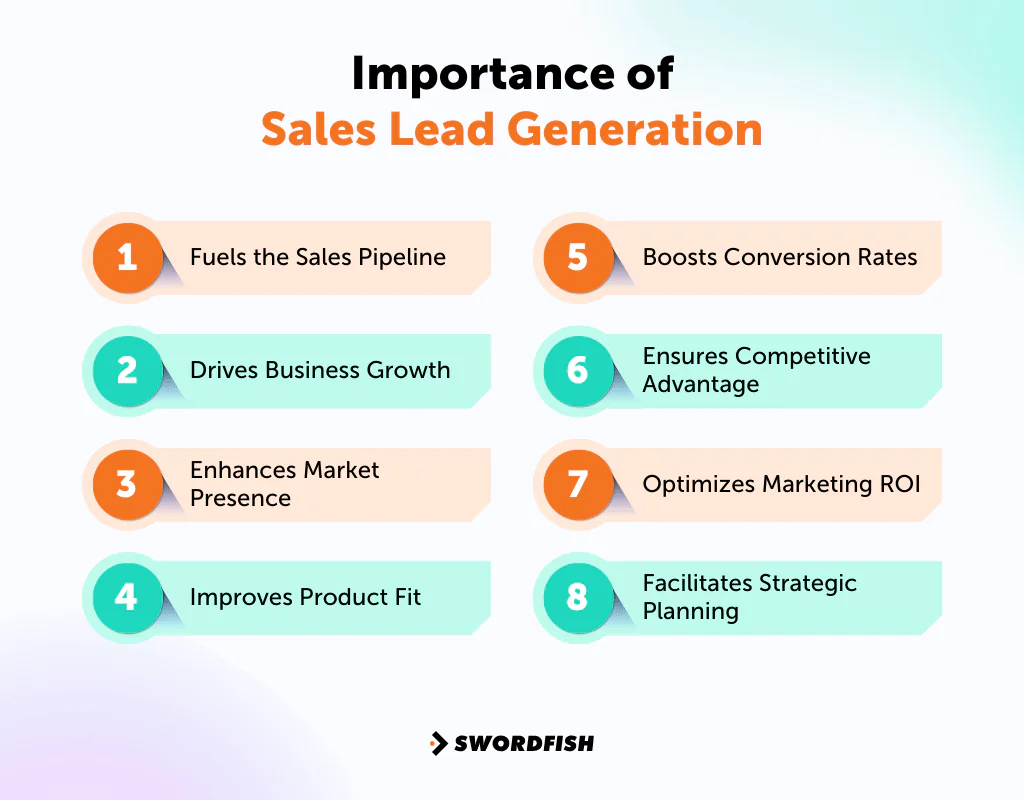
Fuels the Sales Pipeline
Sales lead generation is the lifeblood of the pipeline. Without a steady flow of new leads, the pipeline dries up and sales teams have nothing to work.
Drives Business Growth
Leads are potential revenue, and a disciplined lead generation process tends to correlate with stronger top-line growth over time compared to ad hoc prospecting.
Enhances Market Presence
Generating leads isn’t only about immediate sales. The more people engaging with your brand, the more it gets talked about, which builds recognition and trust in your category.
Improves Product Fit
Lead generation surfaces real data about what prospects are looking for, which can feed directly into product and messaging decisions.
Boosts Conversion Rates
A strategic lead generation process prioritizes people who are more likely to buy, rather than chasing volume for its own sake. Conversion benchmarks vary widely by industry and channel, but healthcare-related lead conversion rates tend to run higher than the cross-industry average, likely because healthcare inquiries are often tied to a specific, personal need rather than casual browsing.
Ensures Competitive Advantage
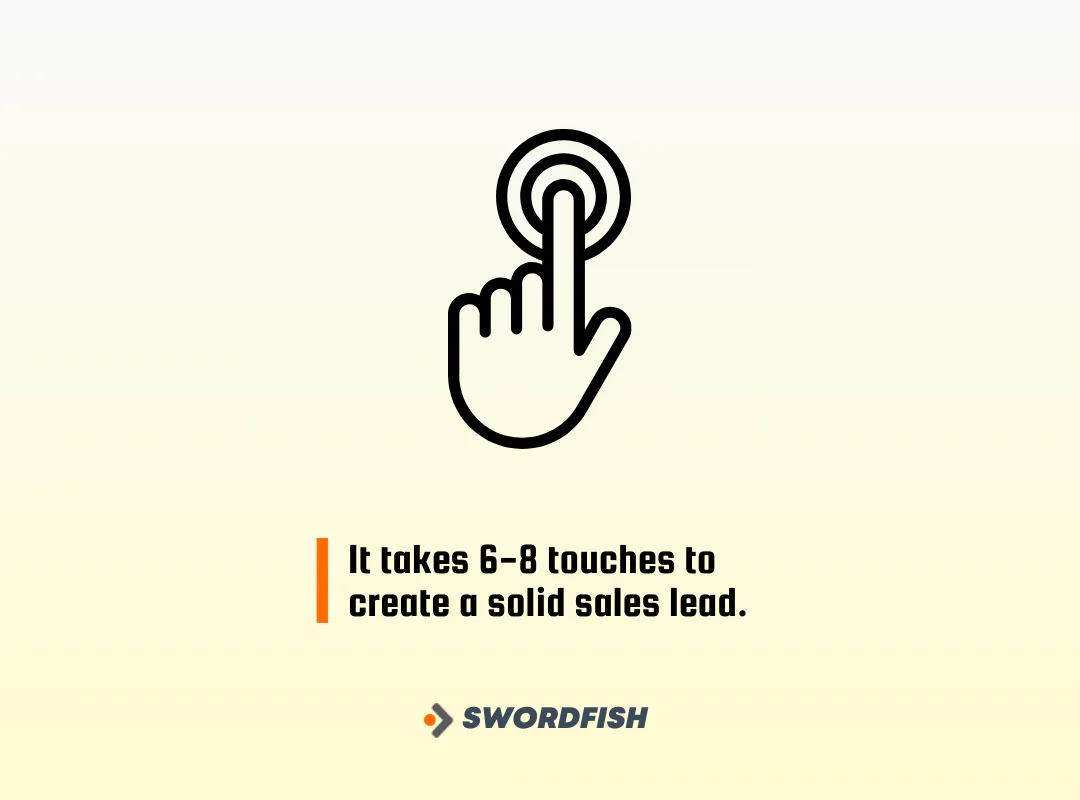
A steady stream of leads lets a company stay ahead by reaching prospects first and continuing to engage them afterward. That persistence matters in a landscape where, according to Salesforce, it typically takes multiple touches to generate a viable sales lead.
Optimizes Marketing ROI
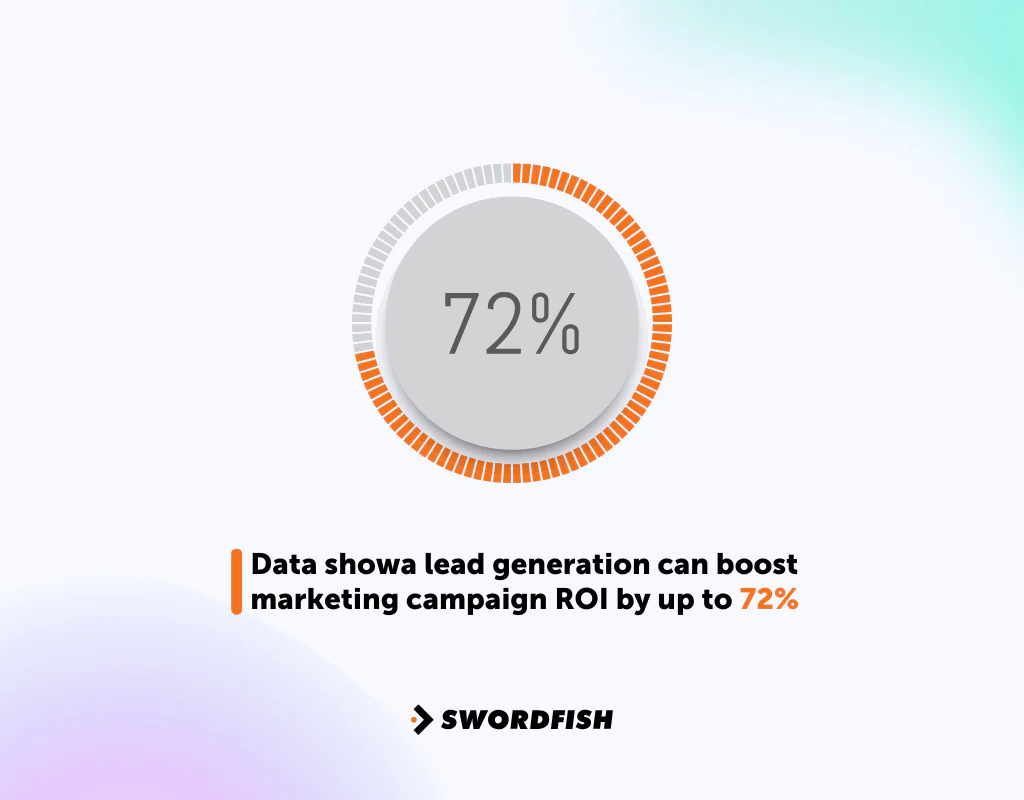
Effective lead generation means marketing spend isn’t wasted on uninterested audiences. By targeting people who fit the buyer profile, companies get more return per dollar spent. Research from the Content Marketing Institute has pointed to meaningful ROI gains from targeted lead generation programs.
Facilitates Strategic Planning
A predictable flow of leads helps businesses forecast sales volume, manage inventory, and allocate resources more efficiently. This strategic planning supports long-term stability.
How Does Lead Generation Work?
Lead generation is central to B2B sales but shows up in B2C markets too. It involves identifying and cultivating potential customers for a product or service. Here’s the typical sequence:
Identifying the Target Audience: Start by defining who the ideal customers are, based on market research and analysis.
Creating Engaging Content: Develop content relevant to that audience, designed to attract potential leads.
Using Lead Magnets: Offer free trials, ebooks, or webinars in exchange for contact information.
Landing Pages and Forms: Capture lead details when a visitor completes a form.
Promotion and Advertising: Distribute content and lead magnets through social media, email, and paid advertising to reach a wider audience.
Lead Scoring and Qualification: Evaluate leads based on likelihood to purchase so reps prioritize the right accounts first.
Nurturing Leads: Use email sequences, follow-up calls, and personalized content to move leads down the funnel.
Conversion: Persuade qualified leads to become paying customers.
Analysis and Optimization: Regularly review the process to spot gaps and refine strategy.
Feedback and Relationship Building: After conversion, maintain the relationship and gather feedback to support renewals and referrals.
Pros and Cons of Sales Lead Generation
A balanced view of what lead generation delivers, and where it falls short:
Pros
- Builds brand visibility and market presence.
- Creates a solid pipeline for sustained sales growth.
- Enables precise targeting to reach ideal customers efficiently.
- Fosters early engagement that supports long-term customer loyalty.
- Generates data that sharpens future marketing and sales decisions.
Cons
- Can be resource-heavy, requiring real investment of time and budget.
- Doesn’t guarantee conversion, which can drag down ROI if targeting is weak.
11 Ways to Supercharge Sales Lead Generation
Here are 11 techniques worth testing to keep your funnel full of qualified prospects.
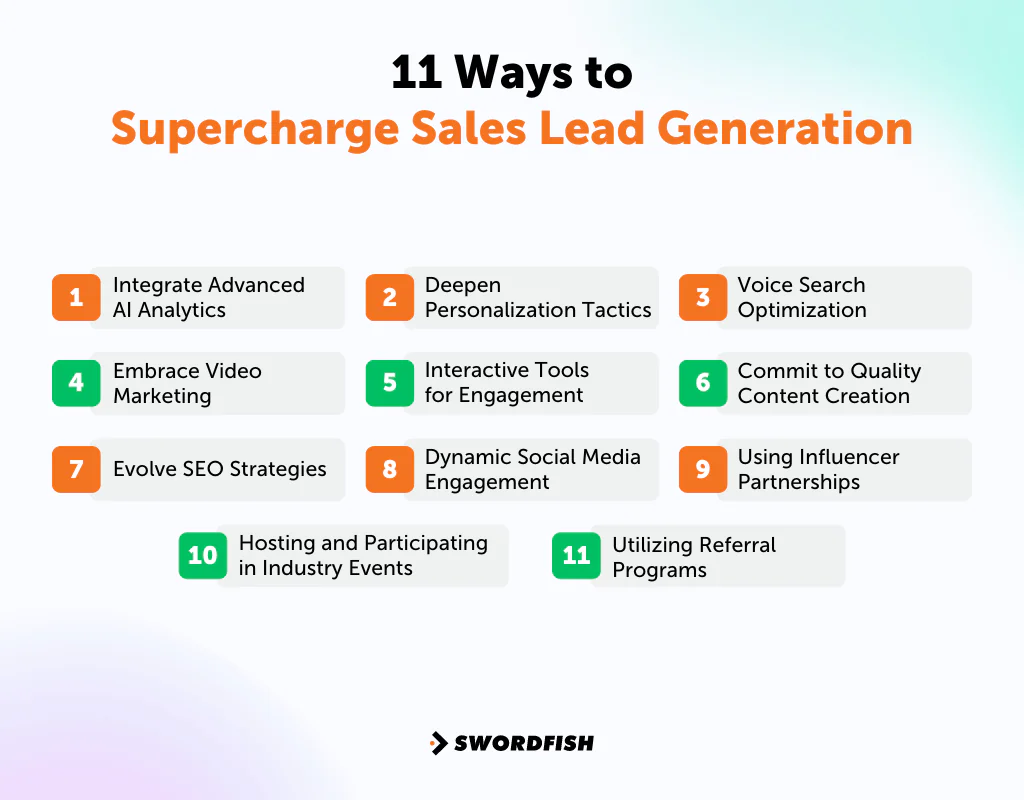
Integrate Advanced AI Analytics
AI and machine learning tools can sift through large volumes of data to spot patterns and predict buying behavior, which helps craft more targeted campaigns that are more likely to convert.
Deepen Personalization Tactics
Personalization now goes well beyond a first name in a subject line. Using behavioral data, past interactions, and purchase history to tailor messaging significantly improves engagement.
Voice Search Optimization
With more people using voice assistants, content needs to answer the more conversational, longer phrases typical of spoken queries, not just short-tail keywords.
Embrace Video Marketing
Video consistently drives higher engagement than static content. Product demos, explainer clips, and brand storytelling all help build a stronger connection with prospects. Even short video presentations embedded in emails or social posts can capture attention quickly.
Interactive Tools for Engagement
Quizzes, calculators, and product demos invite prospects to engage directly, capturing lead information while giving something of immediate value in return.
Commit to Quality Content Creation
Content is often a prospect’s first impression of your brand. Consistently useful, well-researched content builds credibility and nurtures leads until they’re ready to buy.
Evolve SEO Strategies
Search algorithms and user behavior keep shifting, so SEO strategy needs regular review. Strong SEO keeps content visible and pulls in organic traffic that can convert into qualified leads.
Dynamic Social Media Engagement
Posting regularly isn’t enough anymore. Genuine interaction, valuable content, and targeted ads help build a community that becomes a repeatable source of new leads.
Using Influencer Partnerships
Partnering with credible voices in your industry gives you access to an engaged, existing audience, which can boost both visibility and trust.
Hosting and Participating in Industry Events
Webinars, workshops, conferences, and trade shows let you demonstrate expertise, build relationships face to face, and collect leads from people already interested in your category.
Utilizing Referral Programs
A structured referral program, rewarding existing customers for introducing new prospects, taps into trust your business has already earned and tends to produce higher-quality leads at lower cost.
How to Improve Lead Generation
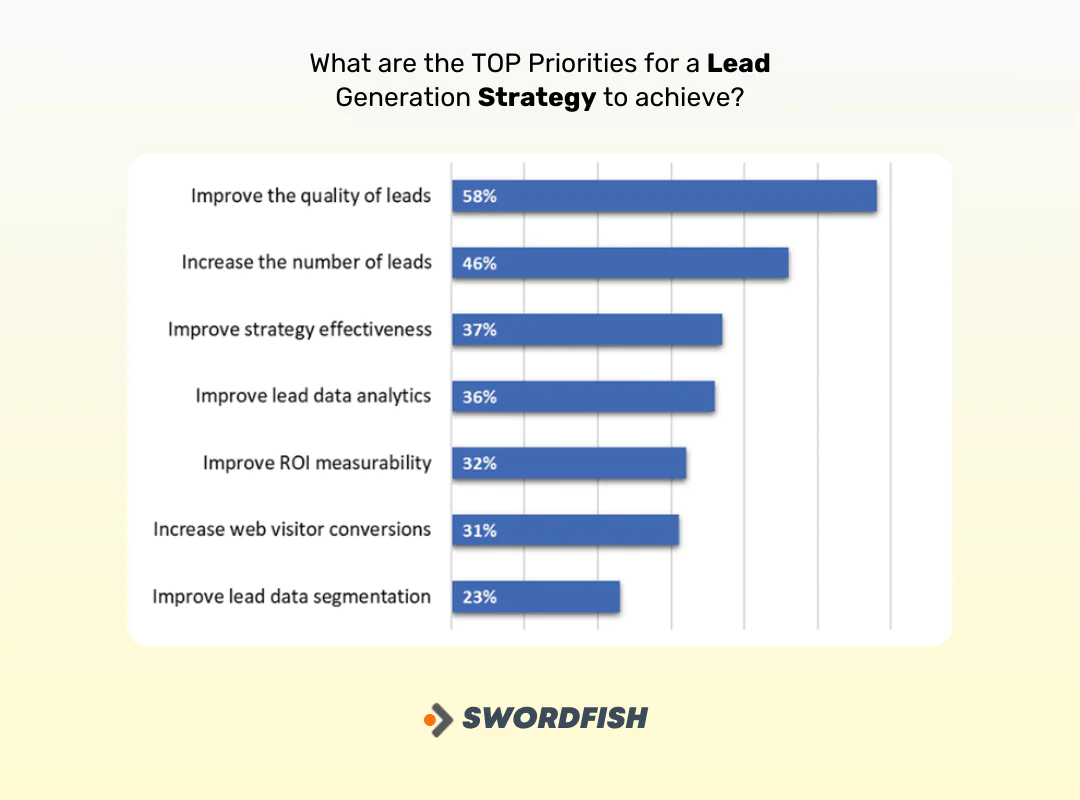
How to Use A/B Testing to Improve Lead Generation
A/B testing compares two versions of a page or campaign to see which performs better. It’s one of the more reliable ways to improve lead generation results over time. Here’s how to run it well:
Define Clear Objectives
Set a specific goal, more conversions, better click-through, more form completions, so you can measure success accurately.
Select the Element to Test
Pick one meaningful variable: a call-to-action, a form field, a headline, or a layout choice. It needs to be significant enough to plausibly move the needle.
Create Two Variants
Build a control and a variant that differs only in the element being tested, so you can isolate what actually caused any change in performance.
Segment Your Audience
Randomly split your audience so each group sees only one version. This keeps outside variables from skewing results.
Implement the Test
Use a testing platform like Google Optimize, Optimizely, or VWO to serve each version, and let the test run long enough to gather a reliable sample, factoring in seasonality or market shifts that could distort results.
Analyze the Results
Compare performance against your original objective and use statistical methods to confirm the difference isn’t just noise.
Draw Conclusions and Implement Changes
Roll out the winning version. If results are inconclusive, refine the test and run it again rather than guessing.
Monitor Post-Implementation Performance
Keep watching performance after rollout. Results in a test environment don’t always hold up exactly the same way at scale.
Iterate and Optimize
Treat A/B testing as an ongoing habit, not a one-off project. Small, compounding improvements add up over time.
A Note on Compliance for Healthcare Outreach
Selling into healthcare adds a layer of compliance that general B2B lead generation doesn’t always have to consider. Outreach involving patient data falls under HIPAA, but even provider-to-provider sales outreach, cold calls, texts, and emails to clinicians and administrators, can trigger rules under telemarketing and anti-spam regulations depending on how the contact was sourced and whether prior consent exists. Before scaling any outbound healthcare campaign, it’s worth having legal or compliance review your data sourcing, consent records, and opt-out process, since requirements can vary by contact type and communication channel.
Use Swordfish AI for Sales Lead Generation
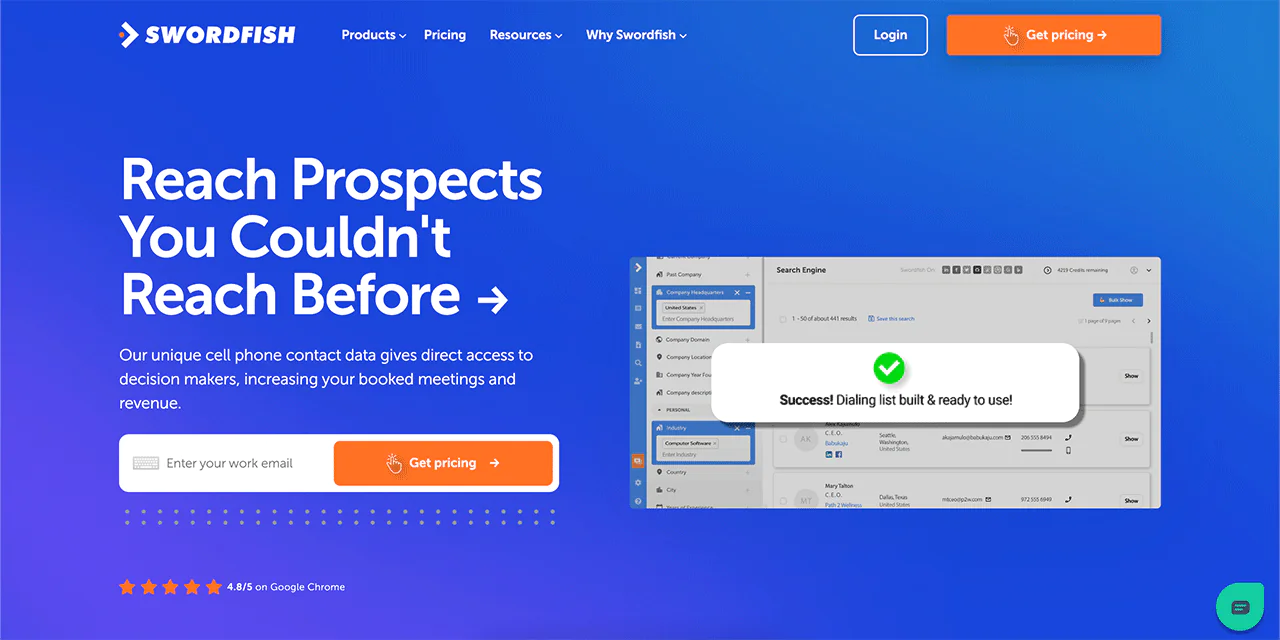
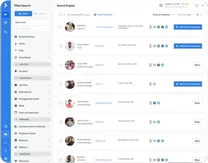
Swordfish AI focuses on data collection accuracy and depth for sales lead generation. It searches across web and database sources to surface leads, including hard-to-find mobile numbers and email addresses for healthcare providers and other professionals.
CRM integration lets teams pull data directly into their existing workflow instead of manually researching contacts one at a time, so reps spend more time engaging and closing rather than searching. Detailed contact and firmographic data supports more personalized outreach, which tends to improve response rates.
How Swordfish AI Helps in Collecting Leads
Extensive Web and Database Mining: Swordfish AI searches across web and database resources to identify potential leads.
Integration with CRM Systems: It connects with existing CRM platforms so lead data flows into your current workflow.
Rich Data Insights for Personalization: Detailed contact data supports outreach that’s tailored to the specific prospect rather than generic.
Strategic Engagement with Prospects: Better data supports a more informed, strategic approach to prospect engagement.
Time and Cost Efficiency: Automating the search for verified contact data saves reps time compared to manual prospecting.
Compliance and Reliability: Swordfish AI is built with data compliance in mind, which matters for teams working with regulated industries like healthcare.
Click here to start your free trial and see how targeted contact data can support your lead generation efforts.
 Try Swordfish Ai
Conclusion
The combination of better technology and genuine personal engagement continues to reshape sales lead generation. The eleven approaches above can help increase both the volume and the quality of prospects a business attracts.
A methodical approach to lead generation improves conversion rates, strengthens revenue stability, and builds a real competitive edge. The goal isn’t just attention, it’s a pipeline that supports lasting customer relationships.
Businesses that pair good data with genuine, well-timed outreach tend to outperform those relying on either alone. That balance matters even more in specialized fields like healthcare, where trust and accuracy carry extra weight.
About the Author
Drew Clark is Co-Founder and CRO at Swordfish.ai and Heartbeat.ai, where he’s spearheaded sales operations since 2019. Drew works with sales, recruiting, and marketing teams to develop outbound strategies, leading to 25+ new business demonstrations per week. Based in England, Drew brings over 6 years of B2B sales leadership experience. Connect with Drew on LinkedIn.
FAQs
What is the difference between a lead and a prospect?
A lead has shown interest in your product or service. A prospect is a qualified lead that fits your target market criteria and is more likely to become a customer. All prospects are leads, but not all leads become prospects.
Is social media effective for lead generation?
Yes. It lets you engage potential customers directly and build relationships over time. Sharing useful content, answering questions, and running targeted ads can all generate leads genuinely interested in what you offer.
How do you track the ROI of lead generation activities?
Track the cost of your lead generation activities against the revenue those leads eventually produce. This usually means using tracking codes on marketing materials, setting up conversion tracking in analytics tools, and monitoring how leads move through the pipeline.