
 View Products


Last updated: September 3, 2026
B2B lead generation is the work of finding organizations that could plausibly buy what you sell, then building enough trust and information exchange that they’re ready to talk to sales. Done well, it gives your sales team a shorter, more qualified list to work instead of a wide net full of poor fits.
This guide covers what B2B lead generation actually involves, the benefits worth tracking, the strategies that still produce results, the platforms teams commonly use, and a practical process you can adapt regardless of company size.
What is B2B Lead Generation?
B2B lead generation is the process of identifying and attracting potential business customers for your products or services. Because you’re selling to other companies rather than individual consumers, the buying process usually involves more stakeholders, longer evaluation periods, and higher stakes per deal. That complexity means B2B teams need sharper targeting and a clearer read on who inside an organization actually influences the purchase.
The goal is a pipeline where leads move through relevant, well-timed touches rather than generic blasts. That can mean targeted email sequences, content built around a buyer’s specific problem, social outreach, or automation tools that flag when a prospect shows real intent. The point of all of it is keeping marketing and sales pointed at the same target.
Quality matters more than volume here. A shorter list of well-matched leads converts better, costs less to work, and builds the kind of account relationships that hold up over a multi-year contract.
The Core Benefits of Effective B2B Lead Generation
Done consistently, lead generation changes the shape of your sales results, not just the size of your pipeline.
- Lower Marketing Costs: Focusing on qualified leads reduces spend on campaigns that never had a real shot at converting, so budget goes toward channels that actually produce.
- Higher Conversion Rates: Targeting prospects who fit your buyer profile means more of your outreach ends in a closed deal instead of a dead end.
- Improved Sales and Marketing Alignment: Lead scoring gives both teams a shared definition of a good lead, which cuts down on the usual friction between the two.
- Increased Revenue: A pipeline built on better-fit leads tends to produce steadier, more predictable revenue over time.
- Better Customer Acquisition: Targeting the right accounts from the start tends to bring in customers who stay longer and need less convincing to renew.
The compounding effect matters most: a tighter funnel and better-qualified leads make every other part of the sales process easier, from forecasting to onboarding.
Top Strategies for B2B Lead Generation Success
Cold Calling
Cold calling still works when the contact data behind it is accurate. Services like Swordfish.ai are built to supply verified phone and email details for target prospects, which matters because a rep working from stale or wrong numbers burns time and credibility fast. Accurate contact data is what makes cold outreach worth doing at all.
Content Marketing
Blog posts, whitepapers, ebooks, and webinars built around a buyer’s actual problems do more to earn attention than generic sales collateral. Content that names a specific pain point gives sales a natural reason to follow up.
Email Marketing
Segment your list by role, industry, or behavior rather than sending one message to everyone. Personalized follow-ups that reference where a prospect is in their evaluation tend to outperform generic drip sequences by a wide margin.
Search Engine Optimization (SEO)
Ranking for the terms your buyers actually search cuts your dependence on paid channels. Solid keyword research paired with genuinely useful content brings in prospects who are already looking for a solution, which shortens the sales conversation considerably.
Social Media Marketing
LinkedIn in particular remains a serious channel for B2B outreach. Sharing useful commentary, engaging in industry discussion, and running targeted paid campaigns all build the kind of visibility that makes cold outreach land better later.
Webinars and Virtual Events
Hosting a webinar gives you a reason to collect contact information and a real signal of interest based on who shows up and what questions they ask. Sales follow-up that references specific things a prospect asked about tends to convert well.
Account-Based Marketing (ABM)
ABM targets a defined list of high-value accounts with messaging built specifically for them. It requires close coordination between sales and marketing but tends to produce stronger results per account than broad campaigns.
Referrals and Networking
Asking satisfied clients for introductions, and staying visible at industry events, continues to generate some of the highest-quality leads available because the trust is already partly built in.
No single strategy carries a lead generation program on its own. The stronger approach combines a few of these, tracks what’s actually converting, and adjusts based on results rather than habit.
Essential B2B Lead Generation Platforms to Consider
The right combination of tools makes it easier to find, verify, and act on leads without wasting rep time. Here are platforms commonly used across B2B lead generation workflows:
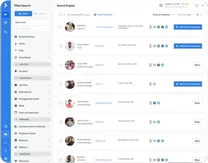
- Swordfish.ai: Focuses on contact data, giving sales teams verified phone numbers and emails to reach decision-makers directly instead of guessing at contact details.
- HubSpot: A broad marketing, sales, and service platform with email marketing, CRM, and automation features built in.
- Marketo: Known for advanced marketing automation suited to the longer sales cycles typical in B2B.
- LinkedIn Sales Navigator: Helps identify and reach decision-makers using advanced search filters and account insights.
- ZoomInfo: A large database of company and contact information for faster lead discovery and targeting.
- Clearbit: Enriches CRM and marketing data automatically so sales messaging can be more specific.
- Drift: Uses conversational, chat-based marketing to engage and qualify leads in real time.
None of these tools does the whole job alone. Match the platform to the gap in your current process, whether that’s data accuracy, outreach volume, or lead qualification.
The Step-by-Step B2B Lead Generation Process
- Identify Your Target Audience
Build detailed buyer personas covering demographics, job roles, industries, and pain points. The sharper this picture, the more precisely you can target every step that follows.
- Create Compelling Content
Blogs, whitepapers, case studies, and video that speak directly to your audience’s challenges do more work than generic marketing copy, both for attracting leads and keeping them engaged once they’ve found you.
- Leverage Technology
Marketing automation and CRM systems help manage campaigns and track engagement at scale. Consider using Swordfish.ai for accurate contact data and lead verification, which improves the quality of every list your team works from.
- Multi-Channel Outreach
Reaching prospects across email, social, and search increases the number of times they encounter your brand before a sales conversation starts, which improves the odds of a response.
- Implement Lead Scoring
Score leads on factors like industry fit, job title, and engagement level so your sales team spends time on the prospects most likely to convert rather than working every lead equally.
- Qualify and Nurture Leads
Once scored, move qualified leads to sales for tailored follow-up that reflects what you already know about their interest and needs.
- Measure and Optimize
Review campaign performance regularly and adjust based on what’s actually converting. Lead generation isn’t a one-time setup; it needs periodic tuning as your market and audience shift.
A well-structured process like this turns scattered outreach into a repeatable system for moving prospects toward a decision.
Actionable Insights for B2B Lead Generation
- Know Your Ideal Customer Profile (ICP): Use data from past wins to define your ICP by demographics, firmographics, and behavior. A clear ICP sharpens every downstream decision, from targeting to messaging.
- Use Lead Scoring to Prioritize Prospects: Track email replies, site visits, time on page, form fills, and content downloads, and weight the actions that signal real buying intent more heavily than passive engagement.
- Optimize Your Conversion Funnel: Look for the stage where leads consistently drop off and adjust messaging, offers, or follow-up timing at that specific point rather than overhauling the whole funnel.
- Predict Customer Pathways: Use scoring data to anticipate what a prospect is likely to need next, so outreach feels timely rather than reactive.
- Refine Sales Outreach Efforts: Accurate lead data tells reps who’s actually ready for a conversation, which keeps effort concentrated on the leads most likely to close.
- Leverage Technology and Platforms:
Tools like Swordfish.ai surface behavioral and contact data that make it easier for sales and marketing to build coordinated, well-timed outreach instead of working from guesswork.
None of this replaces judgment. Data and scoring narrow the field, but closing still depends on a rep who understands the account and asks the right questions at the right time.
Get a free trial → https://swordfish.ai/