
 View Products


Last updated: September 3, 2026

The US graphic design industry has kept growing even through inflation and post-pandemic belt-tightening. Revenue is expected to increase at an annualized rate of 4.6% to an estimated $19.5 billion by the end of 2025, according to IBISWorld’s most recent industry analysis. That growth is a good sign for anyone building a design business, but it also means more competition for every project on the table.
Finding the right graphic design lead in a crowded market takes more than a strong portfolio. The industry moves fast, client expectations shift, and standing out requires a deliberate approach to outreach, not just talent.
Below are 10 practical strategies for finding and closing graphic design leads, along with how a tool like Swordfish AI fits into that process.
What are Graphic Design Leads?
Graphic design leads are potential clients or projects for graphic designers. They represent opportunities for designers to offer their creative services, helping businesses with branding, marketing materials, and digital content.
The graphic design services industry in the United States has continued to expand in recent years. The Graphic Design Services industry has expanded steadily in recent years, supported by rising corporate profit, strong demand for branding and the rapid shift toward digital-first marketing. Advertising agencies, retailers, and wholesalers have driven much of that demand as they compete for attention in increasingly crowded digital channels.
Still, finding graphic design leads in such a competitive and fast-changing environment is not easy. Thousands of businesses and freelancers are vying for the same clients, and standing out requires more than a polished portfolio.
It takes a strategic approach to showcase your skills and connect with the people who actually need them. That backdrop makes every qualified lead worth the effort, since each one represents a real chance to grow a design practice.
Who Needs Graphic Design Leads?
Graphic design leads are important for individuals and businesses looking to offer creative services, establish partnerships, or expand their client base in the design sector.
Here’s who can benefit the most:
- Design Studios and Freelancers: These creatives need leads to find businesses or target audiences in need of their graphic design skills. Identifying potential clients helps them tune their portfolios and pitch their services more effectively.
- Marketing Agencies: Agencies offering comprehensive marketing services use graphic design leads to identify companies seeking to better their brand presence. This allows them to offer targeted design solutions that complement their marketing strategies.
- Educational Institutions and Trainers: Those who provide training or courses in graphic design can use leads to connect with potential students or professionals looking to upskill, thereby growing their enrollment numbers.
- Printing and Production Services: Businesses in the printing and production industry seek graphic design leads to find clients who require design plus print solutions, allowing them to offer package deals that include both design and printing.
- Digital Marketing Specialists: Professionals in digital marketing need graphic design leads to offer a wide range of integrated services that include web design, social media graphics, and online advertising, ensuring a cohesive online presence for their clients.
- Software and Tool Developers: Developers creating powerful tools and software for graphic design seek leads to find users who can benefit from their products, aiming to enhance the design process with innovative technology solutions.
How to Get The Best Graphic Design Leads
Sourcing platforms like Swordfish AI can speed up prospecting significantly, but a real pipeline usually combines a few of these approaches. Here are 10 practical ways to find graphic design leads:
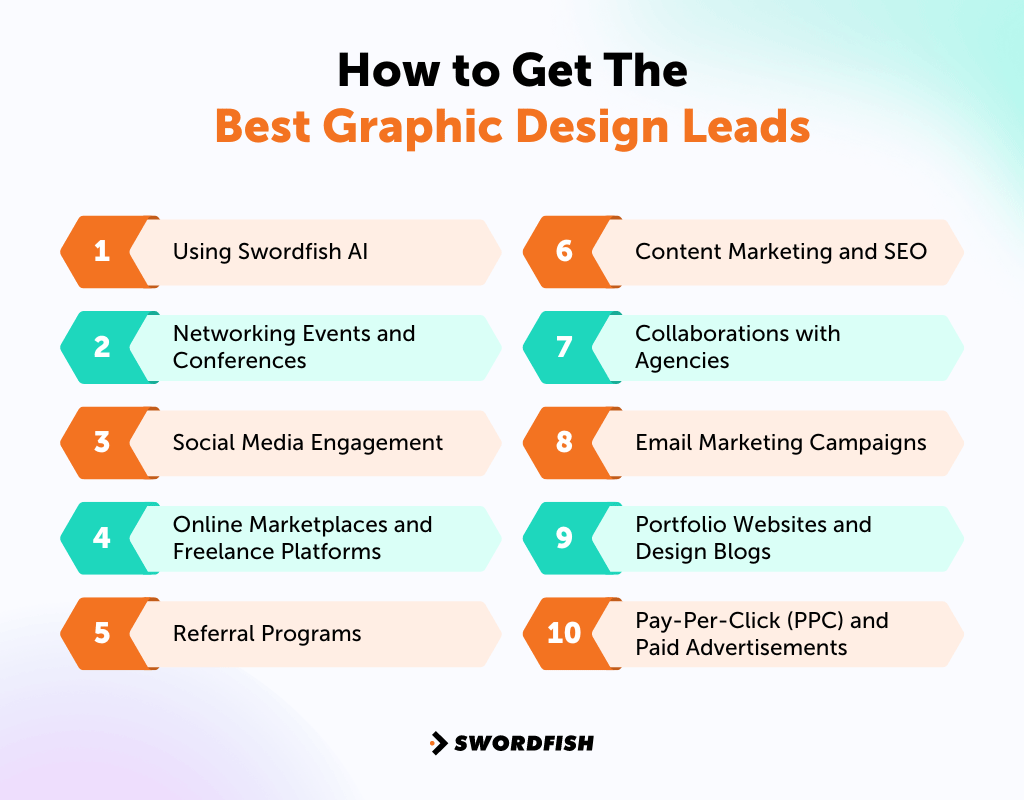
1. Using Swordfish AI: The Best for Lead Generation
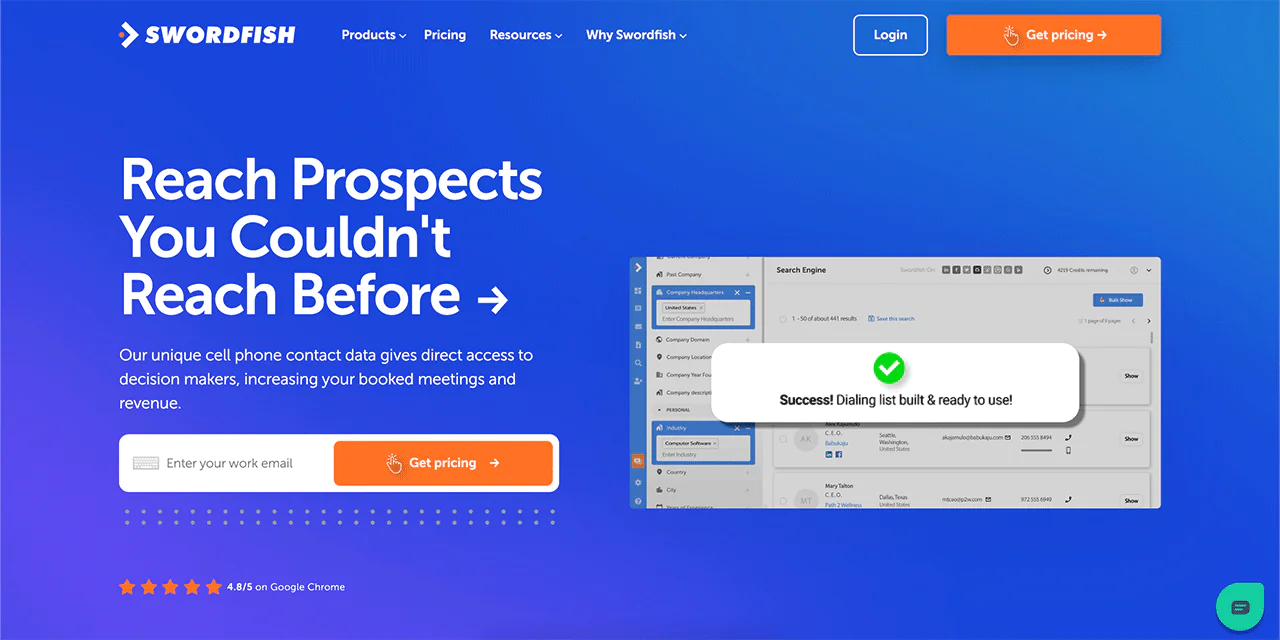
Swordfish AI is built to help you find contact details for potential clients or new projects. With a database of over 3.5 billion data points, it can surface direct phone numbers and email addresses instead of leaving you to guess at a generic contact form.
Data is verified in real time, which matters for outreach: stale contact information wastes time and hurts deliverability. Keeping information current means your emails and calls are more likely to reach an actual decision-maker.
The platform’s matching technology is built specifically to locate accurate email addresses for prospects, which cuts down the manual research that used to eat into project time.
Swordfish AI also emphasizes access to unique cell phone numbers and higher match accuracy compared to many other data sources, largely due to its data partnerships. For designers and agencies doing cold outreach, that can mean more direct conversations and fewer dead ends.
Sales and recruitment professionals across creative fields use the platform to build and expand their prospect lists.
Features of Swordfish AI for Finding Graphic Design Leads
Swordfish AI changes the way you discover graphic design leads, offering detailed contact information and connecting you with key players in the creative industry. Here’s how you can utilize its features:
-
Prospector
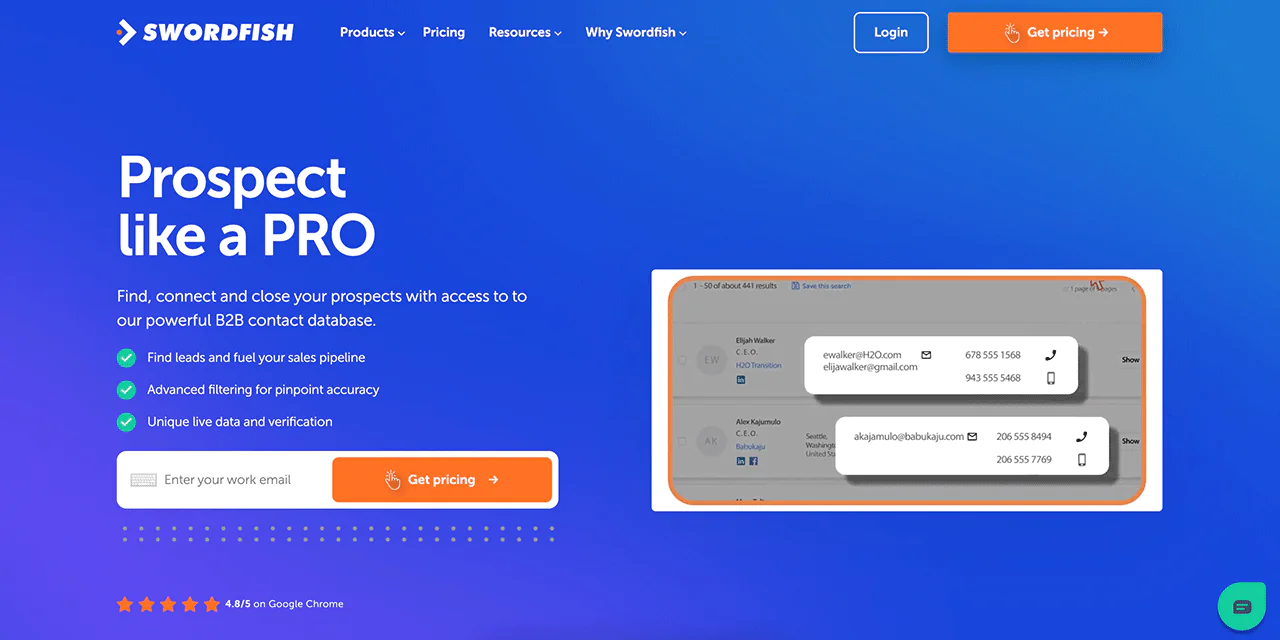
With Swordfish’s Prospector, you can search by specific interests, company size, or location to find exactly who you need. This makes your search for leads more focused and efficient than scrolling through directories manually.
-
Reverse Search
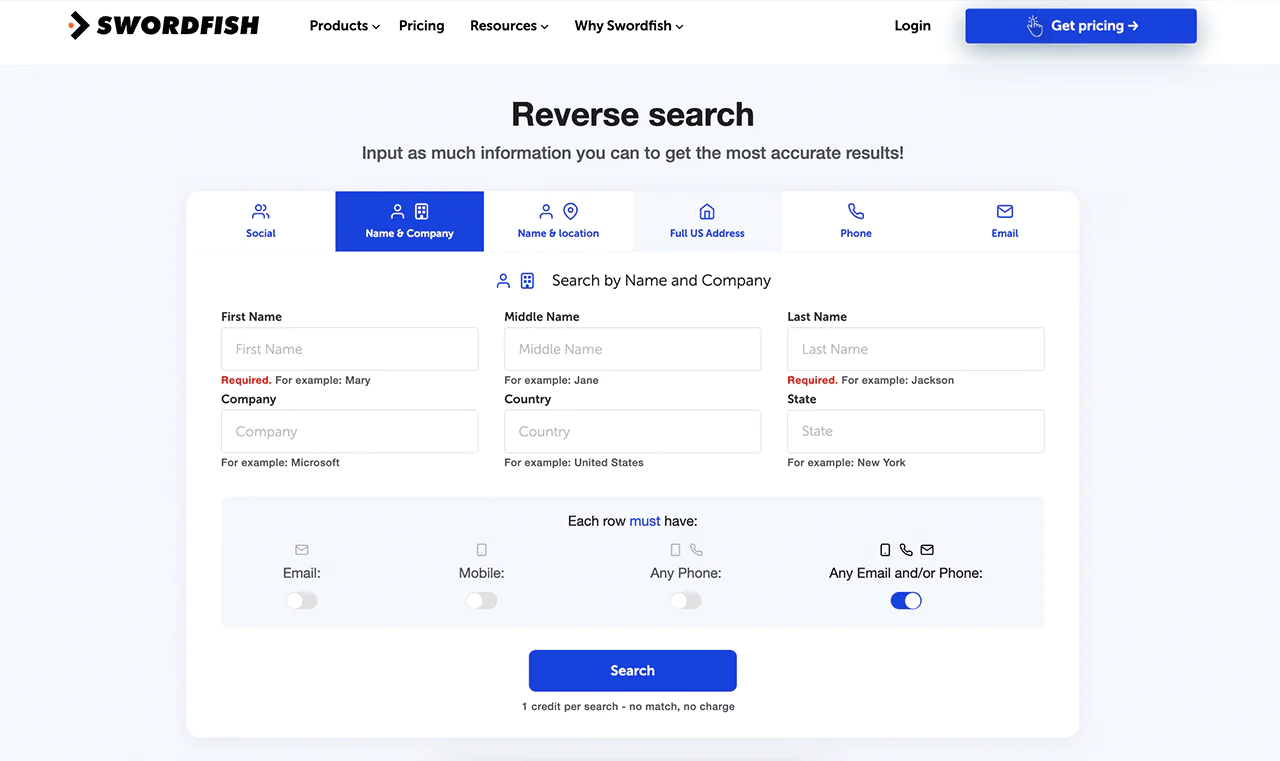
If you’re missing some details to find a lead, Swordfish AI’s Reverse Search can help fill in those blanks. It’s useful for learning more about potential leads in different areas or companies, widening your reach in the graphic design community.
-
API Access
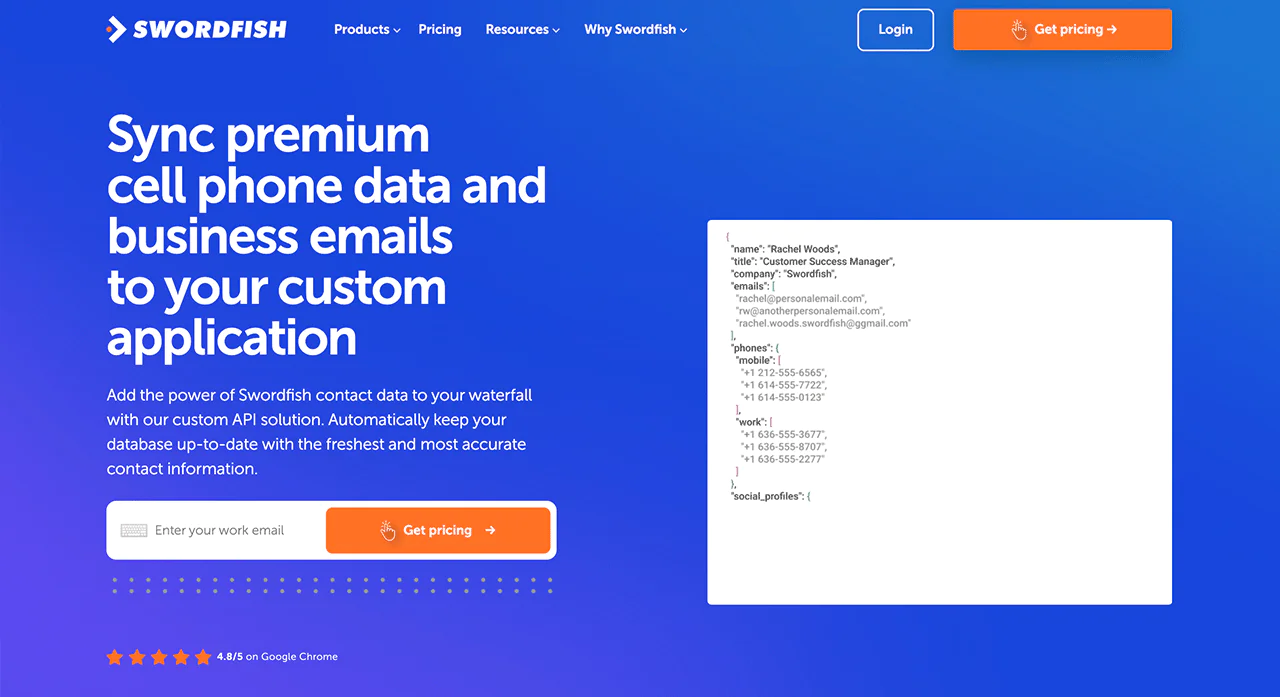
With API Access, you can integrate Swordfish’s data directly into your marketing tools, keeping contact information current without manual updates and making your lead generation efforts more efficient.
-
Bombora Intent Data
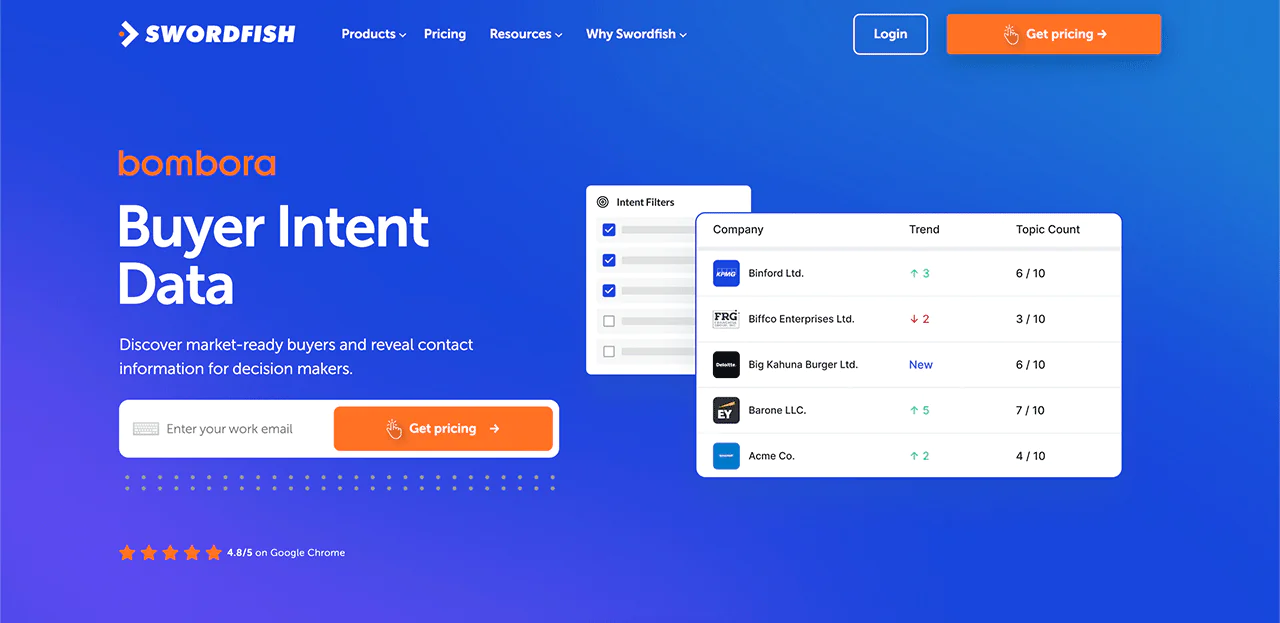
Bombora® Intent Data can help identify businesses that appear to be actively researching graphic design services, so you can reach out while the need is fresh rather than cold.
-
Chrome Extension
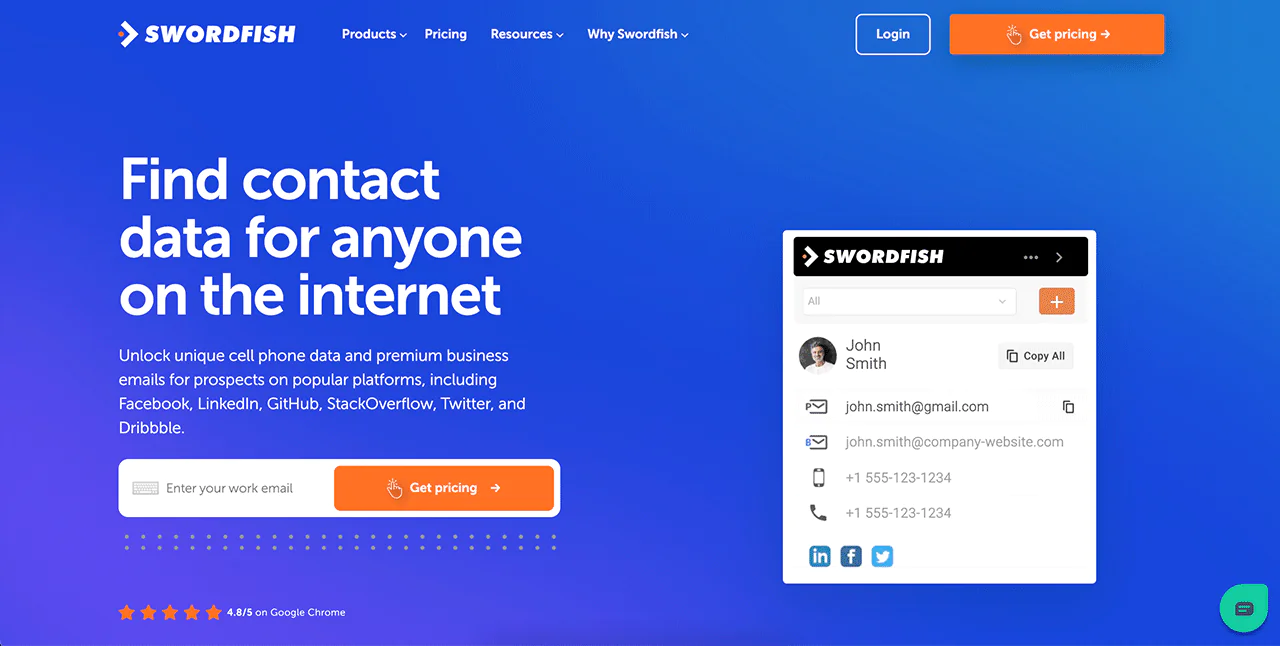
The Swordfish AI Chrome Extension surfaces verified phone numbers and business emails directly on profiles, which is handy for building prospect lists straight from LinkedIn without switching tabs.
-
File Upload
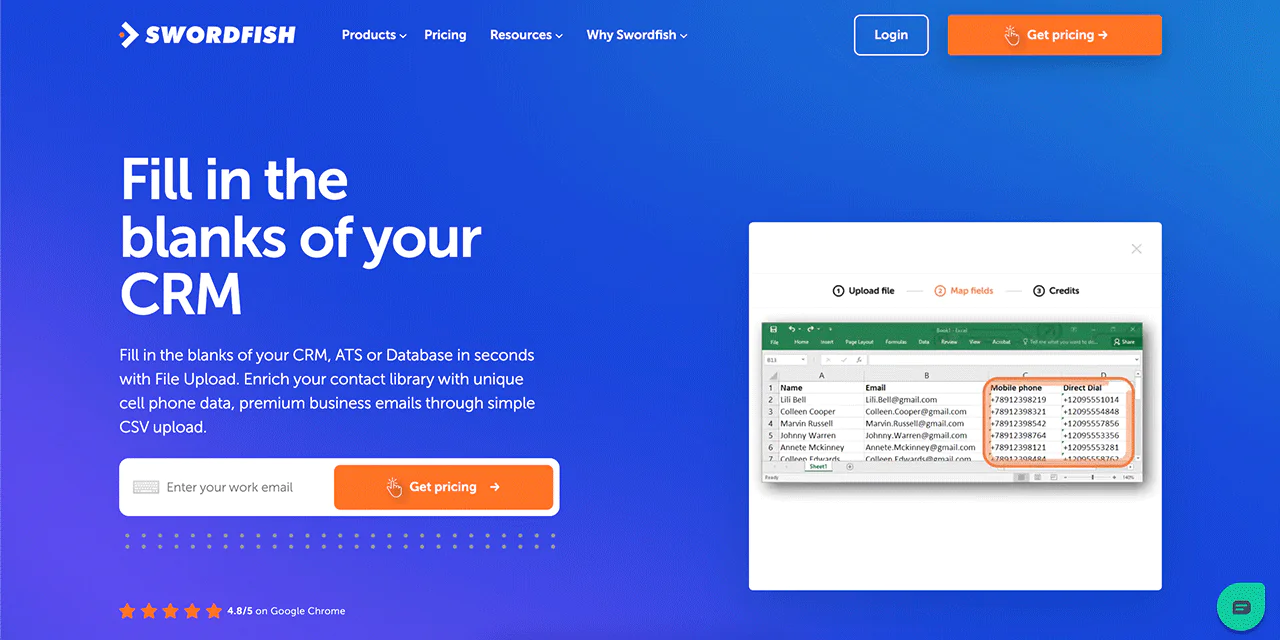
The File Upload feature lets you find contact information for many leads at once. It’s useful for quickly refreshing a batch of contacts and feeding the results into your CRM or ATS to keep your list current.
 Try Swordfish Ai
2. Networking Events and Conferences
Networking events and conferences remain one of the most reliable ways to meet potential clients and industry peers face to face.
-
Attend Industry-Specific Events
Look for events tailored to the graphic design industry or to sectors relevant to your expertise. These gatherings tend to attract people already looking for design services, which makes them a good setting for email marketing follow-up afterward.
-
Offer to Speak or Conduct Workshops
Offering to speak or lead a workshop positions you as someone with real expertise, not just another vendor. It’s a proactive way to demonstrate value and build targeted email lists of people who already know your work.
-
Collect Contact Information
Whenever someone shows interest in your work, exchange business cards or ask for a direct email address. A personalized follow-up message after the event reinforces the connection and reminds them how you can help.
-
Engage in Follow-Up Conversations
After the event, reach out to the contacts you made. A short email that recalls your conversation and connects it to their design needs can turn a brief chat into an actual project.
3. Social Media Engagement
Social media is a genuine lead source for design work, not just a place to post finished projects.
-
Showcase Your Portfolio
Post your best work consistently. A well-curated visual feed captures attention while it scrolls past and builds an accessible record of your capabilities.
-
Engage with Your Audience
Reply to comments, join relevant discussions, and share content your audience finds useful. This kind of interaction builds relationships that eventually turn into direct inquiries.
-
Use Hashtags Strategically
Relevant hashtags tied to graphic design, your niche, and current trends extend your reach beyond your existing followers, putting your work in front of people actively searching for inspiration or services.
-
Collaborate with Influencers and Brands
Collaborating with influencers or brands in your industry exposes your work to a broader audience while adding credibility to your own portfolio.
4. Online Marketplaces and Freelance Platforms
Freelance marketplaces are a fast way to find projects that match your specific skills, provided your profile is set up to compete.
-
Create a Compelling Profile
Your profile is often the first impression a client gets. Highlight your expertise, include a strong portfolio, and be specific about the type of work you do best.
-
Bid on Relevant Projects
Focus on projects that genuinely fit your skill set. A thoughtful, personalized proposal that addresses the client’s actual problem stands out far more than a generic pitch.
-
Subscribe to Alerts
Most platforms let you set alerts for new projects matching your criteria, so you can be among the first to respond to fresh listings.
-
Build Your Mailing List
As you complete projects, keep building a mailing list from past clients. It gives you a direct channel for updates, offers, and reminders that can lead to repeat business or referrals.
5. Referral Programs
Referral programs turn satisfied clients into a steady source of new introductions, which supports better sales prospecting over time.
-
Set Up a Referral Program
Reward current clients for bringing in new business, whether through a discount on future work or a small bonus project.
-
Promote Your Program
Mention the referral program in email communications, on your website, and at the close of every project so clients know it exists and how it works.
-
Provide Exceptional Service
The single best driver of referrals is doing good work that clients are happy to talk about. That reputation compounds over time.
-
Track and Reward Referrals
Keep track of where referrals originate and follow through on rewarding the people who send them, which encourages them to keep doing it.
6. Content Marketing and SEO
Content and search visibility bring in leads passively, once the groundwork is in place.
-
Create Valuable Content
Blog posts, how-to guides, and case studies that showcase your process attract prospective clients who are researching design services or solutions.
-
Optimize for Search Engines
Use keywords, meta descriptions, and titles that reflect how your target audience actually searches, so your content surfaces when they need it.
-
Share on Social Media and Newsletters
Promote new content across social channels and newsletters rather than letting it sit on your site. This drives traffic and grows your mailing list as people opt in for more.
-
Engage in Guest Blogging
Writing for established sites in the design community or adjacent industries extends your reach and builds credibility with an audience you haven’t reached yet.
7. Collaborations with Agencies
Agency partnerships open the door to steady project flow, since agencies often need design support they don’t have in-house.
-
Identify Potential Agency Partners
Look at marketing, branding, or web development agencies whose services complement yours and who might need design support on client projects.
-
Reach Out with a Value Proposition
Be specific about how your design work adds value to their offering. Reference relevant past projects and the outcomes they produced.
-
Establish a Collaboration Framework
Once an agency is interested, agree on project management, communication, and payment terms upfront. A clear framework prevents friction later.
8. Email Marketing Campaigns
Email remains one of the most direct ways to stay top of mind with prospects who haven’t hired you yet.
-
Build Your Email List
Grow your list through website sign-ups, social media, and networking events. A smaller list of genuinely engaged subscribers outperforms a large, uninterested one.
-
Create Engaging Content
Share design trends, case studies, or occasional offers that give subscribers a reason to keep opening your emails.
-
Personalize Your Messages
Address recipients by name and tailor content to their interests or past interactions. Personalized emails consistently perform better than generic blasts.
-
Analyze and Optimize
Review open rates, click-throughs, and conversions after each campaign. That feedback should shape how you approach the next one.
9. Portfolio Websites and Design Blogs
A portfolio site or design blog gives you a permanent home for your work that you fully control.
-
Build a Professional Portfolio
Treat your portfolio as a visual resume: easy to browse, well organized, and backed by case studies that explain your thinking, not just the final output.
-
Start a Design Blog
Writing regularly about trends, process, or lessons learned builds authority and gives search engines more reasons to index and rank your site.
-
Optimize for SEO
Work relevant keywords into your site and blog content so people searching for design services can actually find you.
-
Share Your Work on Social Media
Push portfolio pieces and blog posts out to social channels to drive traffic back to your site and widen your audience.
10. Pay-Per-Click (PPC) and Paid Advertisements
Paid ads can generate targeted traffic quickly, though they require more ongoing management than organic strategies.
-
Research and Select the Right Platforms
Visual, professional platforms like Google Ads, LinkedIn, and Instagram tend to work well for designers, since they favor visual content and reach relevant professional audiences.
-
Use Targeted Keywords
Choose keywords that match how potential clients actually search for design services, so your ads reach people with real intent.
-
Create Compelling Ad Copy and Visuals
Make sure your ads stand out with strong visuals and copy, plus a clear call-to-action that tells viewers exactly what to do next.
-
Monitor and Adjust Your Campaigns
PPC isn’t something you set and forget. Check performance regularly and adjust targeting, copy, or budget based on what the data shows.
Conclusion
Finding graphic design leads is an ongoing part of running a creative business. It comes down to consistently putting your work in front of the right people at the right time.
Staying active on social media, showing off strong work, and getting out to meet people in person all help you stand out from the crowd.
For a more direct approach, Swordfish AI gives you access to a large database of verified contacts, kept current so your outreach doesn’t rely on outdated information.
No single tactic works forever, so it helps to stay flexible and combine a few of these approaches. Swordfish AI can be one piece of that pipeline as you look for the right graphic design projects.
FAQs
Can I find free graphic design leads anywhere?
Yes. Online forums, networking meet-ups, and social media groups for designers can turn up free leads. Paid data services tend to deliver leads that are more targeted and already checked for accuracy, which saves time on the front end.
What are the most effective ways to track the success of my lead generation efforts in graphic design?
Track how many leads you’re generating, what share convert into paying clients, where your website traffic originates, and how much people engage with your content. These numbers together show which channels are actually working.
How can I ensure the quality of leads generated from PPC campaigns?
Choose keywords that match how your ideal clients search for design services, and send traffic to landing pages with clear, useful information and an obvious next step. Both of these matter more than ad spend alone for lead quality.
Can social media platforms generate valuable leads for graphic design businesses?
Yes, particularly LinkedIn. Sharing your designs, commenting on relevant industry topics, and engaging with related content can attract potential clients and collaborators over time.
Sources retained from the original article: IBISWorld industry report; Swordfish File Upload.