
 View Products


Last updated: September 3, 2026
Finding solid business email leads is one of those tasks every growing company has to solve eventually. Email remains a workhorse channel: it’s cheap, direct, and — when the list is accurate — it converts. Most marketing teams still rank it among their top tools for winning and keeping customers.
The challenge isn’t whether to use email. It’s finding contacts that are current, verified, and actually reachable. Below are the methods that produce real results, along with what to watch out for with each one.
What are Business Email Leads?
Business email leads are contact details, specifically email addresses, of potential customers or clients interested in a company’s products and services. These leads are important for email marketing campaigns and business development efforts.
Business email leads connect companies with prospects who have some reason to care about what’s being offered. This isn’t limited to large enterprises — a majority of small businesses rely on email to reach their customers, which shows the channel scales down as well as it scales up.
Targeting specific individuals rather than blasting a generic list lets businesses tailor messaging, which tends to lift engagement and conversion. That’s the core reason email still holds up as a growth channel even as newer platforms come and go.
How to Get the Best Business Email Leads
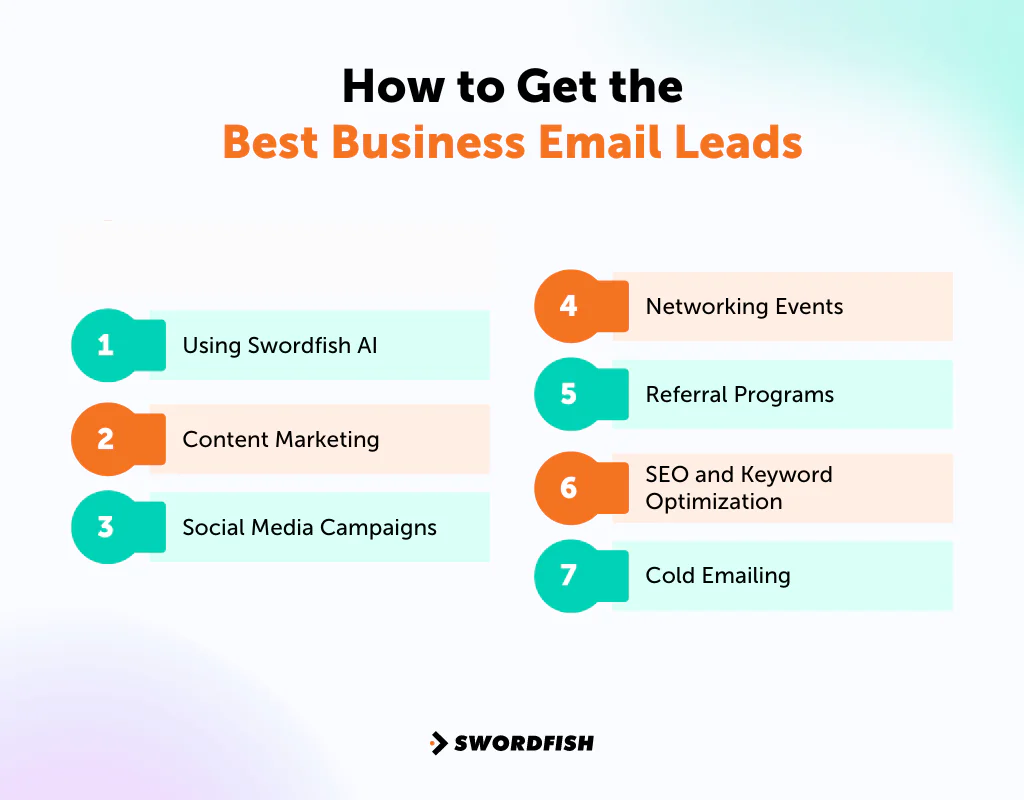
A practical starting point is a contact-lookup platform like Swordfish AI, paired with active participation in industry directories and social networks where your prospects already spend time.
That said, no single tactic covers every scenario. The methods below each work best in different contexts — some suit high-volume outbound, others fit relationship-driven sales cycles. Here’s the full breakdown:
-
Using Swordfish AI: Get the Best Business Email Leads
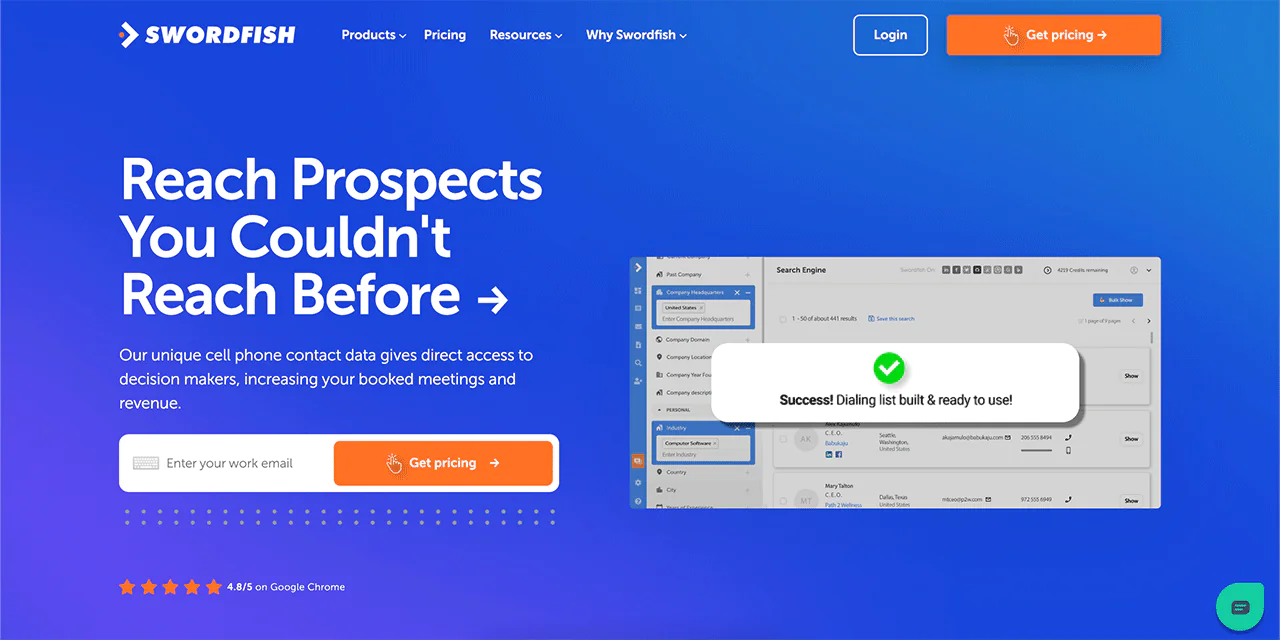
Swordfish AI is built around a large, frequently refreshed contact database, which matters because email leads decay fast — people change jobs, providers switch domains, and stale lists waste outreach budget.
The platform helps connect users with the right business contacts and includes direct access to cell phone numbers alongside email verification, which is useful when a single channel isn’t getting a response. For teams building out prospect lists at scale, having both phone and email in one lookup saves a step in the workflow.
The tools below are what make that workflow practical day to day.
Key features of Swordfish AI
Chrome Extension
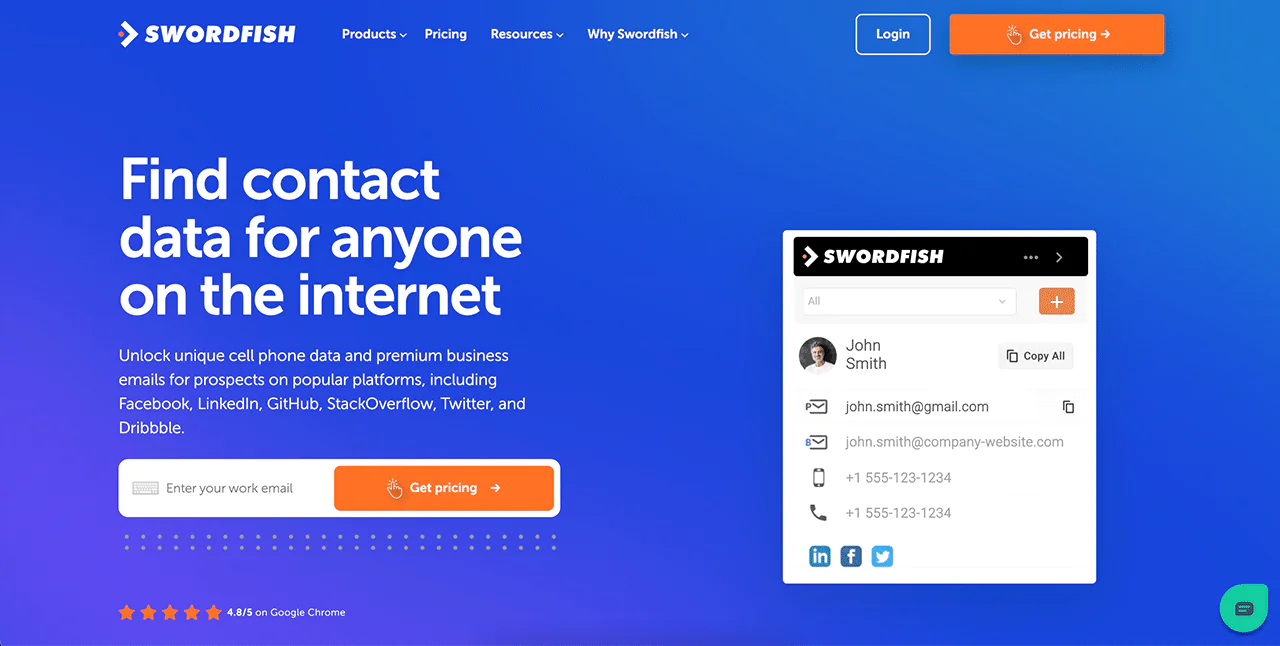
The Chrome extension pulls verified contacts while you’re already browsing, so building prospect lists from LinkedIn or Facebook profiles doesn’t require switching tabs or tools.
Reverse Search
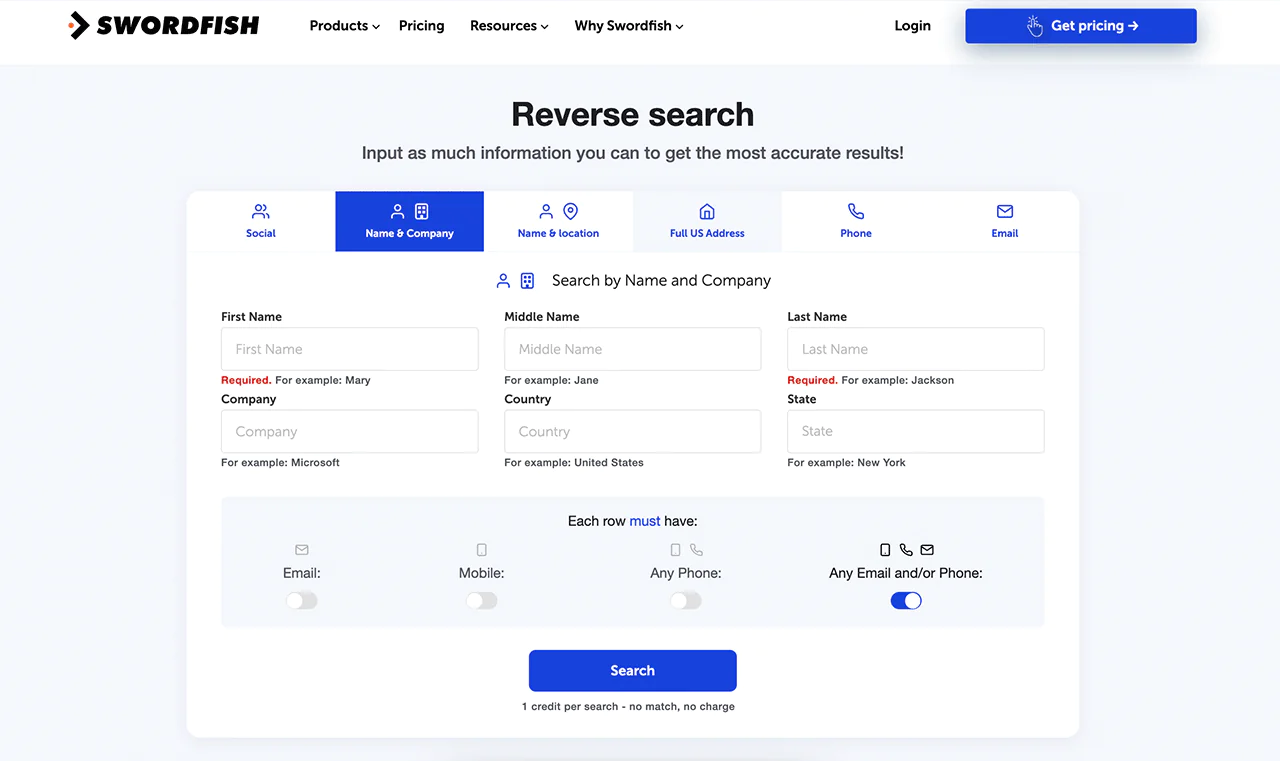
The Reverse Search feature works from partial information — a name, a company, a phone number — to fill in the rest, which is handy when you’re starting from an incomplete record.
Prospector Tool
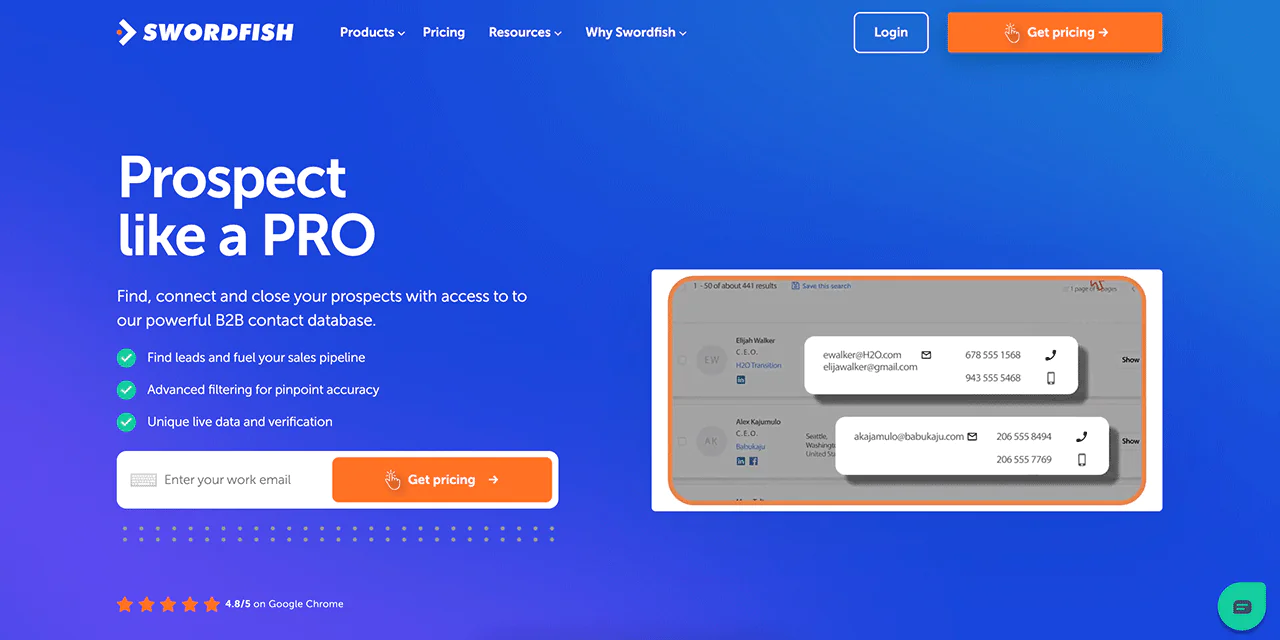
The Prospector tool lets you filter by industry or location, which keeps outreach focused on segments where you’re actually likely to close.
Bombora Intent Data
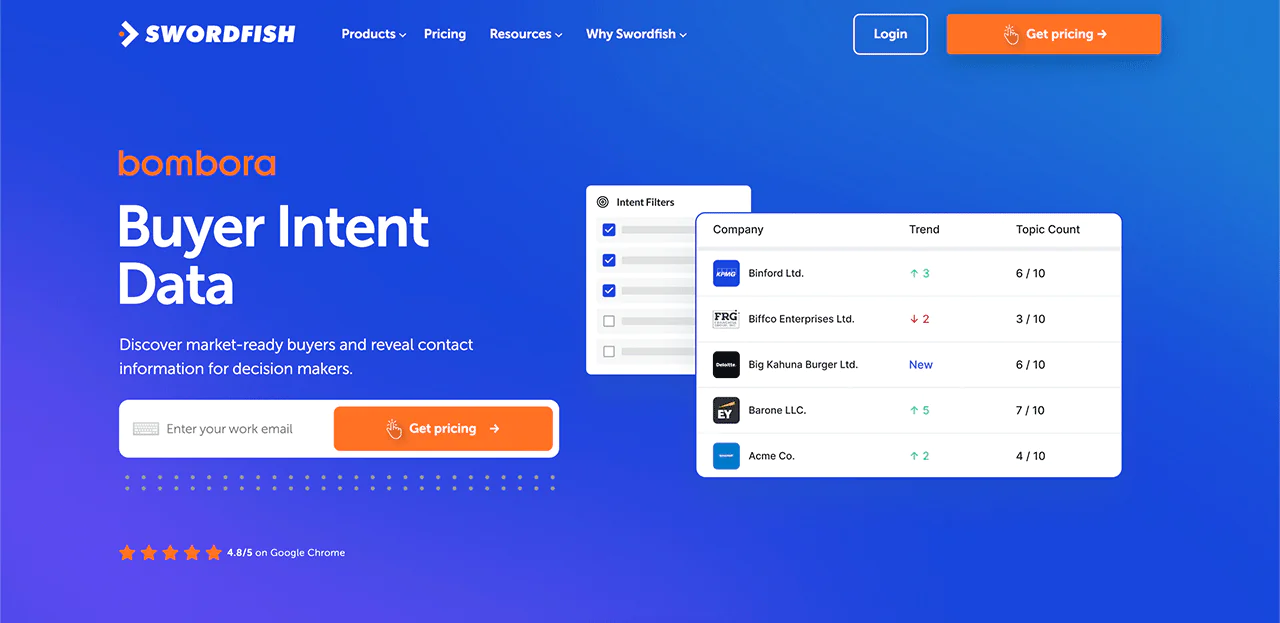
Using Bombora® Intent Data, the tool flags businesses that are actively researching relevant solutions, which lets outreach line up with timing rather than guesswork.
File Upload
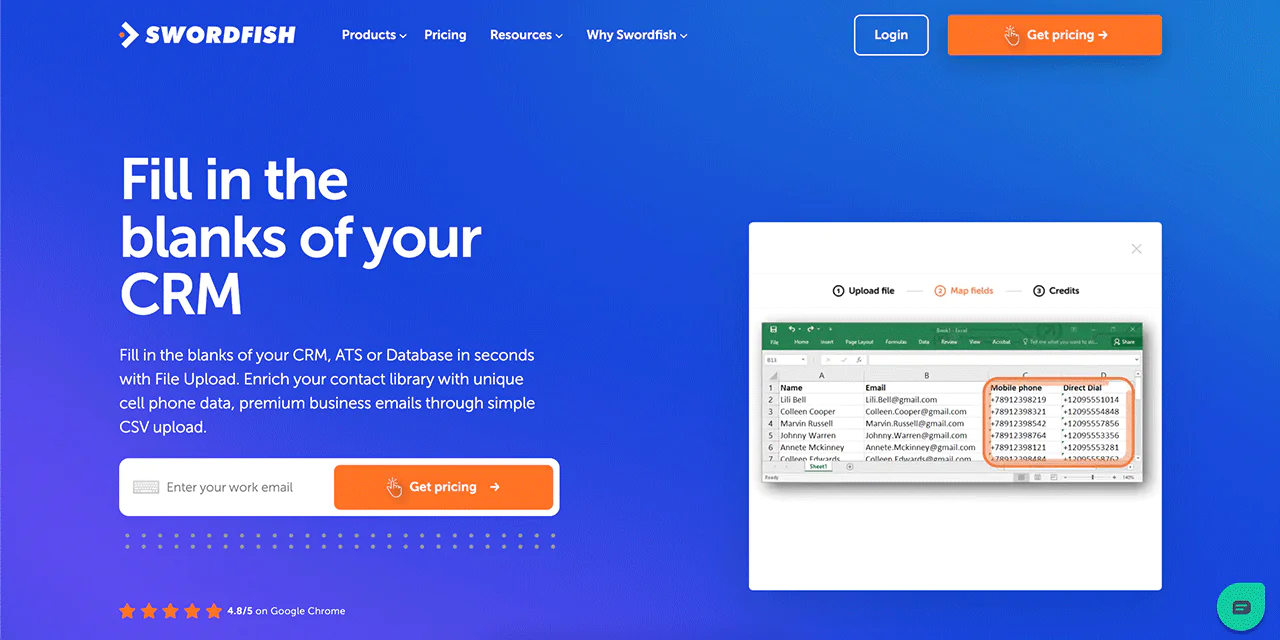
The bulk file upload feature handles large batches of contact records and integrates with CRM and ATS systems, so lists stay organized instead of scattered across spreadsheets.
API Integration
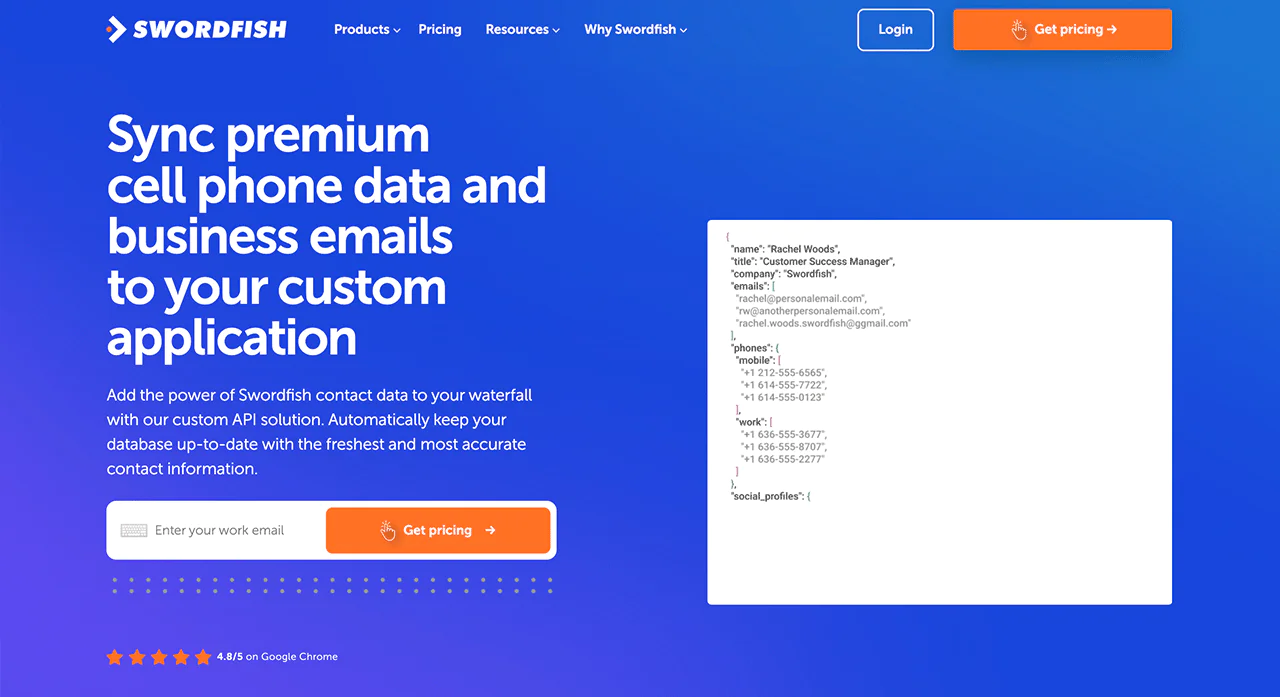
API integration keeps your existing marketing stack fed with current data automatically, which cuts down on the manual re-checking that lead lists otherwise require.
2. Content Marketing
Content marketing means publishing material genuinely useful to your target audience, then asking for an email address in exchange for the good stuff — a guide, a template, a report.
A digital marketing agency, for instance, might publish a detailed SEO guide and gate it behind an email signup. It works because it’s a fair trade: the reader gets something worth their contact information. Content marketing costs meaningfully less than traditional advertising while generating more leads per dollar spent, which is a large part of why it’s stuck around as a core tactic.
Beyond list-building, consistent content also builds the kind of credibility that makes cold outreach land better later.
3. Social Media Campaigns
Social platforms let you run targeted ads or interactive promotions specifically designed to capture email addresses — think giveaways, exclusive sale access, or downloadable content gated behind a signup.
A boutique clothing brand might run an Instagram promotion offering an early-access sale to newsletter subscribers. Social-sourced leads convert at a notably higher rate than cold outbound contacts, largely because the prospect has already engaged with the brand before handing over their email.
4. Networking Events
Conferences, trade shows, and virtual meetups remain some of the highest-quality lead sources because the interaction is personal from the start — sign-up sheets, business cards, or direct conversation all work.
An IT solutions provider attending a technology conference, for example, might run a prize drawing that requires a newsletter signup to enter. Face-to-face interactions convert at a much higher rate than cold email alone, which is why events remain worth the travel budget for many B2B teams.
5. Referral Programs
Referral programs reward existing customers for bringing in new leads — credits, discounts, or account upgrades in exchange for a successful referral.
A mobile app company might offer in-app credit for every referred signup. Referral-driven leads tend to convert well because trust is transferred from the referrer, and people are considerably more likely to buy something recommended by someone they know.
6. SEO and Keyword Optimization
Ranking for relevant search terms brings in visitors who are already looking for a solution, and placing signup forms on those pages converts some share of that traffic into leads.
A health and wellness blog optimizing for “healthy living tips,” for example, might offer a free weekly newsletter as the conversion point. Leads sourced through SEO close at a notably higher rate than traditional outbound leads, since the prospect arrived already interested rather than being interrupted.
7. Cold Emailing
Cold emailing means reaching out to prospects who haven’t interacted with your brand yet, which requires upfront research to match the message to the right person.
A B2B software company, for instance, might target CTOs at mid-sized firms with a message built around a specific pain point their tool solves. Done well — personalized, with a clear value proposition — cold email open rates can land in a solid range. It’s slower to build than buying a list, but the leads tend to be more precisely targeted.
 Try Swordfish Ai
Who Needs Business Email Leads?
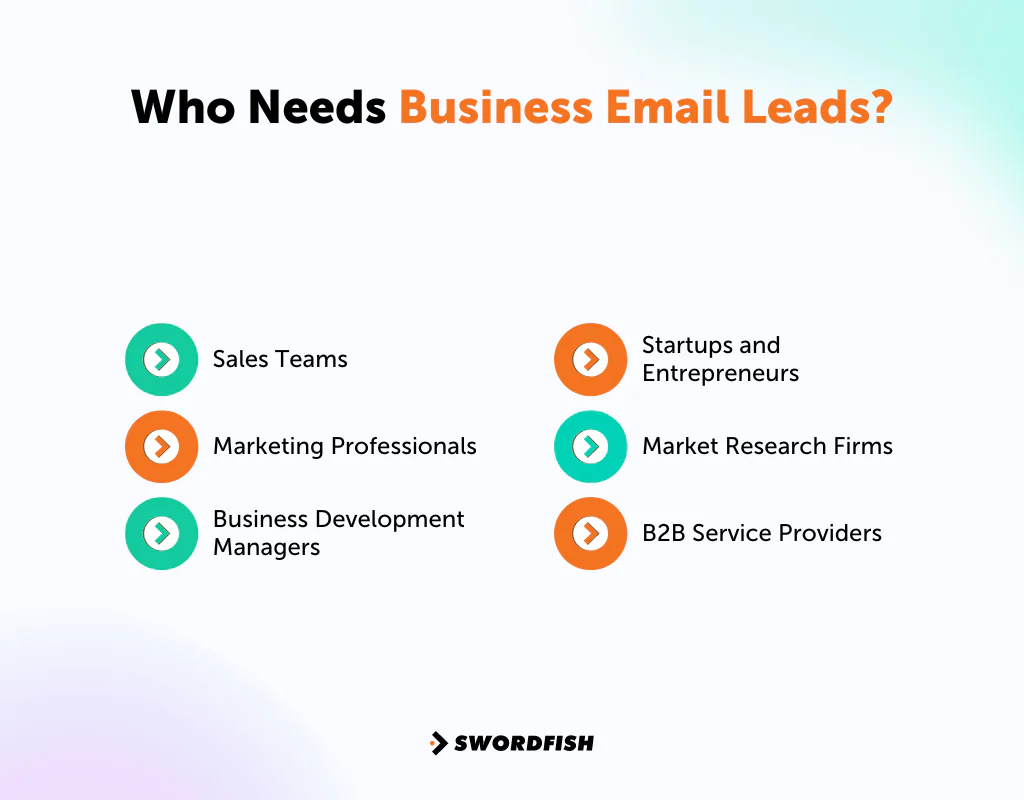
Business email leads matter to a wide range of roles, not just sales reps. Here’s who typically relies on them and why:
- Sales Teams: Sales professionals rely on business email leads to reach out to potential customers, introduce their products or services, and nurture leads through the sales funnel. Email leads help them target the right audience and increase the efficiency of their sales efforts.
- Marketing Professionals: Marketers use business email leads for email marketing campaigns, aiming to promote their brand, products, or services. These campaigns can be customized to different segments of their audience for better engagement and conversion rates.
- Business Development Managers: These professionals seek new business opportunities and partnerships. Email leads allow them to initiate contact with potential partners, investors, or clients to explore new ventures or expand their market reach.
- Startups and Entrepreneurs: For new businesses, building a customer base and finding partners or investors is crucial. Business email leads provide a direct line to potential stakeholders and customers, helping startups to establish themselves in their respective markets.
- Market Research Firms: These firms might use business email leads to conduct surveys, gather market intelligence, or invite participants for focus groups or studies relevant to their research.
- B2B Service Providers: Companies that offer services to other businesses, such as IT solutions, consulting, or financial services, rely on business email leads to find and connect with potential clients.
How Much Do Business Email Leads Cost
Pricing for business email leads swings widely based on a handful of variables. Here’s what actually drives the cost up or down:
Quality of Leads
- High-Quality Leads: These leads are typically more expensive because they are gathered through more reliable sources, have higher engagement rates, and are more likely to convert into customers. High-quality leads might include detailed information such as company size, industry, job title, and specific interests. Prices for high-quality leads can range from $0.50 to $5.00 per lead or more.
- General Leads: Less targeted and potentially less engaged leads are cheaper but may require more effort to convert. These can range from $0.10 to $1.00 per lead.
Segmentation and Targeting
- Highly Segmented Leads: Leads that are highly segmented based on specific criteria (e.g., industry, job title, geographic location, company size) are more valuable because they allow for more targeted marketing efforts. This level of targeting can increase the cost significantly but also improve the return on investment (ROI).
- Broad or General Leads: Less targeted leads are cheaper but may result in lower conversion rates because they are not customized to a specific audience.
Volume of Leads
- Bulk Purchases: Buying leads in bulk often results in a lower per-lead cost. Providers may offer tiered pricing based on the number of leads purchased, with discounts applied for larger orders.
- Small Quantities: Purchasing leads in smaller quantities is generally more expensive on a per-lead basis. This option might be suitable for small businesses or those with limited budgets.
Provider’s Reputation and Services
- Reputable Providers: Established lead providers with a proven track record of delivering high-quality leads tend to charge more. These providers may also offer additional services, such as lead nurturing tools or integration with customer relationship management (CRM) systems, which can add to the cost.
- New or Less Established Providers: These providers might offer competitive pricing to attract customers but do your due diligence to ensure the quality of the leads.
Pricing Models
- Pay Per Lead: This model charges a set price for each lead, with costs varying based on the factors mentioned above.
- Subscription or Membership Fees: Some providers operate on a subscription model, where you pay a monthly or annual fee for access to a certain number of leads or unlimited leads within specific criteria.
- Custom Lead Generation Campaigns: For highly targeted campaigns, prices are often negotiated based on the complexity of the campaign and the expected volume and quality of sales leads.
Conclusion
Solid business email leads are a genuine growth lever, but only when the data behind them is accurate and current. Whichever mix of methods you choose — content, referrals, events, cold outreach, or a lookup platform — the quality of the underlying contact data determines whether the effort pays off.
Swordfish AI is built to support that effort with tools for finding and verifying business contacts, so outreach starts from accurate information rather than a guess.
Note: If you are looking to purchase an email list of local businesses, you can check our Local business email list.
Frequently Asked Question
Is it legal to purchase business email leads?
Yes, it is legal to purchase business email leads. However, it’s important to ensure that the leads are obtained ethically and in compliance with data protection laws.
Can I use business email leads for cold emailing?
Yes, you can use business email leads for cold emailing. But it’s important to craft your messages carefully, provide value, and comply with anti-spam laws by including an opt-out option in your emails.
What is the average conversion rate for business email leads?
The average conversion rate for business email leads varies widely by industry, quality of the leads, and the effectiveness of the email campaign. Generally, a conversion rate of 1% to 5% is considered good, but this can be higher for highly targeted and well-executed campaigns.