
 View Products


Last updated: September 3, 2026
If you’re weighing a move into sales, one of the first forks in the road is choosing between a business development representative (BDR) role and a sales development representative (SDR) role. Both are entry points into a sales career, and both build the pipeline a company depends on for revenue. But the day-to-day work, the skills each role rewards, and the lead types you’ll handle are different enough that picking the wrong fit can slow your progress.
The main difference between BDR vs SDR lies in their focus areas. SDRs primarily concentrate on outbound prospecting and qualifying leads, turning them into potential sales opportunities. In contrast, BDRs focus on developing new business opportunities, often through strategic relationships and partnerships.
There’s more nuance than that single line captures, so this guide compares the two roles in detail so you can decide whether your strengths line up better with the scrappy, high-volume world of an SDR or the patient, relationship-driven work of a BDR.
What is a BDR?
A Business Development Representative (BDR) is responsible for identifying and cultivating new business opportunities. That usually means proactive outreach to potential clients, learning what they need, and building relationships that can eventually turn into long-term accounts.
BDRs generate leads through channels they control directly, qualify those leads, and work to move them toward a sale. The role often involves pushing into new markets or customer segments rather than working leads that have already shown interest, which makes it a foundation-building job as much as a selling job.
In the United States, the current workforce of business development representatives is composed of 58,080 individuals, split roughly evenly between women and men.
BDRs are tasked with generating leads and initiating first contact with prospective clients, often researching prospects through social media, industry events, and referrals before ever picking up the phone. Strong communication skills matter here because you’re usually the one framing why a product or service is worth a prospect’s time.
Key Responsibilities of a BDR
As a BDR, your focus should be on proactive lead generation, effective communication, and relationship building to contribute to the overall success of the sales process and business development efforts.
- Generate potential business opportunities for the company.
- Conduct outbound prospecting activities, such as cold-calling and cold-emailing.
- Identify and reach out to prospects within your assigned territory.
- Nurture relationships with prospects and establish connections.
- Qualify leads based on their fit and potential interest.
- Pass qualified leads to the sales team for further engagement.
- Play a crucial role in expanding the customer base and driving business growth.
Impact of BDRs on Business Growth
Here’s how the BDR role contributes directly to growth:
New Business Opportunities
Proactive lead generation expands the potential customer base, opening doors for growth and revenue.
Relationship Building
Initiating and nurturing relationships with prospects lays the groundwork for future sales. Building rapport and demonstrating value early creates a better environment for growth later.
Pipeline Expansion
Consistent territory-based prospecting increases the size and strength of the sales pipeline, giving the sales team a steadier flow of qualified prospects to work.
Market Expansion
BDRs frequently push into new markets or target segments, diversifying the customer base and surfacing opportunities that inbound efforts wouldn’t catch on their own.
Collaboration with the Sales Team
A clean handover of qualified leads, backed by clear notes on a prospect’s needs and expectations, helps the sales team close more efficiently and consistently.
Done well, these responsibilities compound over time and become one of the more reliable growth levers a company has.
What is an SDR?

A Sales Development Representative (SDR) is responsible for generating and qualifying new leads, usually leads that have already shown some interest. The job is to make first contact, understand needs, and move prospects through the early stages of the funnel before handing them to a closer.
SDRs lean on outbound activity too, including cold calling, emailing, and social selling, but the emphasis is on setting up deeper sales conversations rather than opening brand-new markets.
The objective is straightforward: gather information about a prospect’s needs, explain what the company offers, and assess whether they’re worth passing to the sales team. Doing this well means the sales team spends its time on the opportunities most likely to close.
Key Responsibilities of an SDR
As an SDR, your focus will be on lead qualification, relationship building, and facilitating the sales process. By effectively qualifying leads and setting the stage for further sales engagement, you contribute to the sales team’s success and overall business growth.
- Qualify inbound leads to determine their potential as sales opportunities.
- Engage with prospects to gather information and understand their needs.
- Move prospects through the initial stages of the sales cycle.
- Set appointments or meetings between qualified prospects and the sales team.
- Educate prospects about the company’s offerings and address initial questions or concerns.
- Collaborate closely with the sales team to ensure a smooth handover of qualified leads.
- Track and report key metrics related to lead qualification and conversion.
Impact of SDRs on Business Growth
Here’s how the SDR role contributes directly to growth:
Lead Qualification
Filtering leads by fit and interest keeps the sales team focused on the prospects most likely to convert, rather than spreading effort thin.
Sales Pipeline Development
Nurturing leads through the early sales cycle builds a pipeline that supports predictable revenue down the line.
Increased Sales Efficiency
Pre-qualifying leads means the sales team spends more time with genuinely interested prospects, which shortens the overall cycle.
Revenue Generation
Converting qualified leads into real opportunities has a direct line to closed revenue, especially when initial concerns are addressed early and well.
Customer Insights
Because SDRs talk to a high volume of prospects, they pick up patterns in needs and objections that are valuable to both sales and marketing when shared back.
To sum up this comparison so far, both roles share a common starting point: lead generation. Lead creation is rarely simple, and inaccurate leads can cost more than they seem to at first, especially with the risk of fake or stale contact data.
Swordfish AI can help simplify that part of the process by giving reps precise, validated leads to work from. With a broad contact database and ongoing data refreshes, reps spend less time chasing dead numbers and more time selling. You can find contacts through prospecting, or find emails to re-engage cold leads.
 Try Swordfish Ai
BDR vs SDR: What Are The Main Differences?
When deciding between a BDR vs SDR path, or between the two roles when building a team, these are the factors worth weighing.
|
Aspect |
BDR (Business Development Representative) |
SDR (Sales Development Representative) |
|
Focus and Approach |
Outbound sales, new business targeting |
Lead qualification, nurturing |
|
Lead Type |
Cold leads, no prior interaction |
Warm leads, some engagement |
|
Skill Set |
Networking, relationship-building, resilience |
Communication, active listening, empathy |
|
Sales Cycle Stage |
Lead generation, outbound prospecting |
Lead nurturing, inbound follow-up |
|
Business Growth Goals |
New business opportunities, customer base expansion |
Qualifying leads, nurturing for sales conversion |
|
Collaboration |
Aligns with marketing, targets specific markets |
Works with marketing and sales, lead handover |
|
Earnings and Career |
Higher base salary, commission potential |
Lower base salary, diverse career progression opportunities |
Focus and Approach
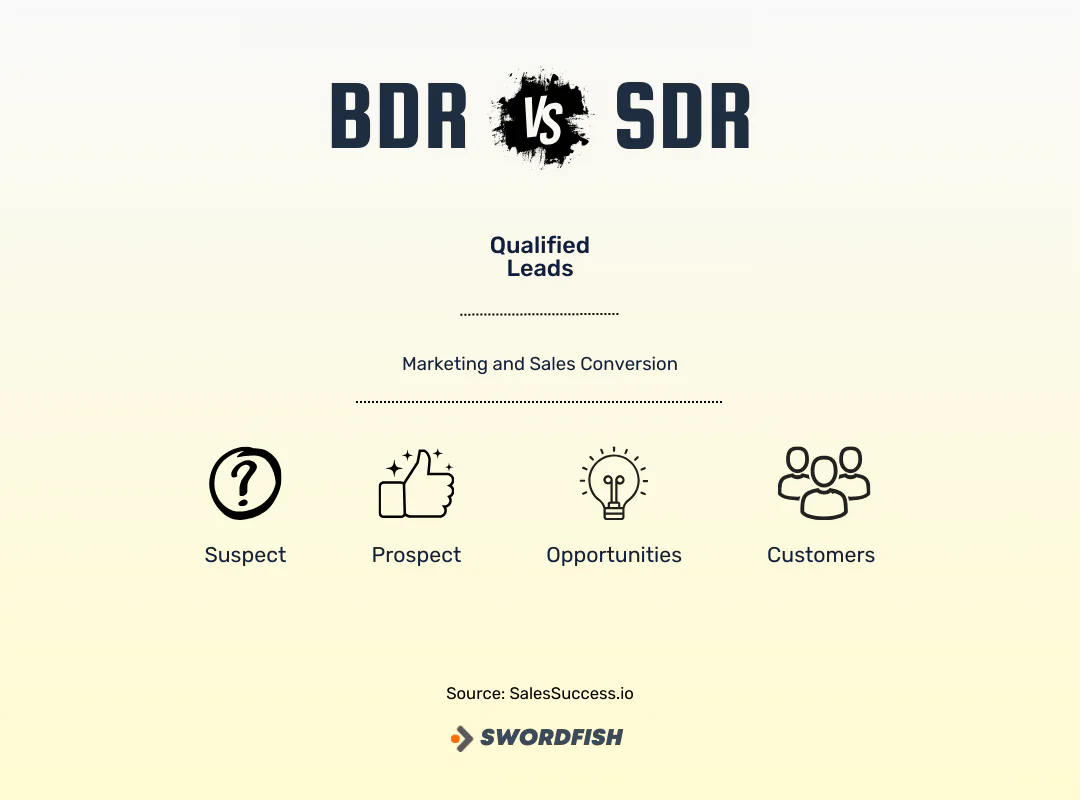
BDRs primarily focus on outbound sales, targeting new business opportunities. They proactively prospect and identify potential clients through various channels, emphasizing building initial relationships and establishing connections.
SDRs specialize in lead qualification and nurturing to support the sales team. They engage with leads to gather information, understand their needs, and assess their potential as qualified prospects, while also educating prospects and building rapport.
Lead Type
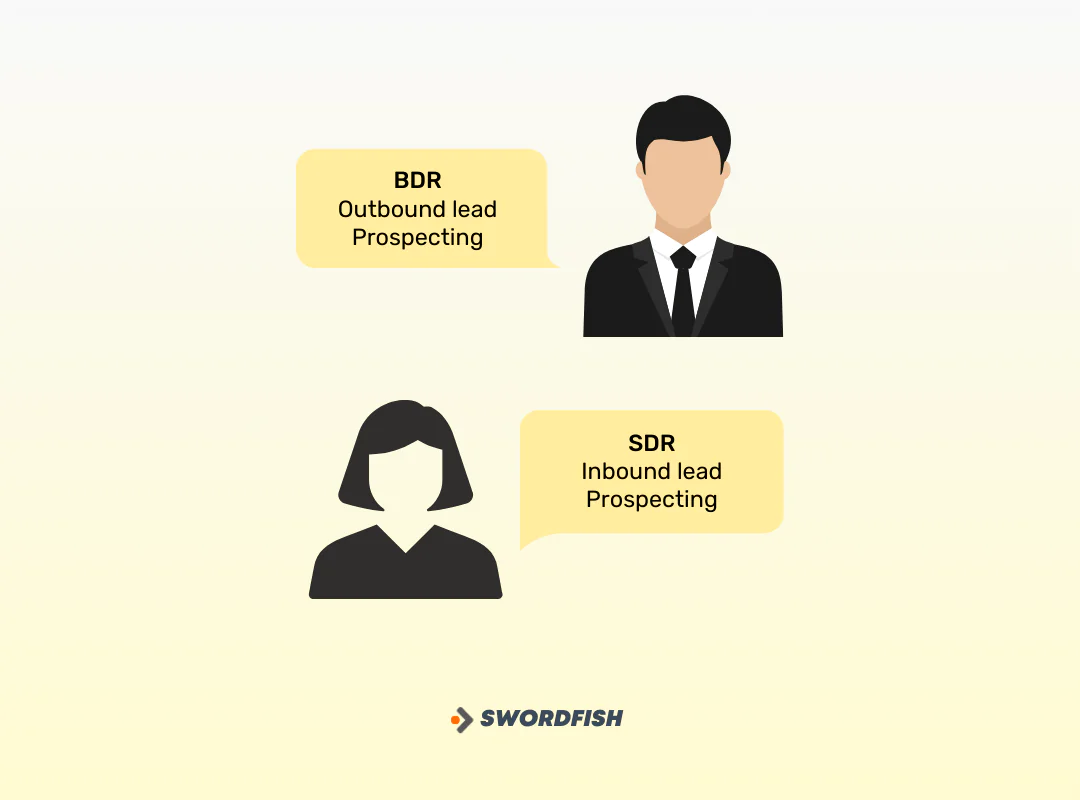
BDRs primarily work with cold leads, meaning potential customers who haven’t previously interacted with the company. Cold calling and cold emailing are the main tools for identifying and cultivating these opportunities, often in untapped markets.
SDRs deal with warm leads that have already shown some interest, such as responding to a campaign, visiting the website, or filling out a contact form. SDRs follow up on these leads, qualifying and nurturing them toward a sale.
Skill Set
BDRs need strong communication skills, a knack for networking, and the persistence to handle a lot of rejection without losing momentum. Adaptability matters too, since outbound work rarely follows a script.
SDRs need strong communication and active listening skills to understand what a prospect actually needs, plus the empathy to build rapport quickly and the organization to juggle multiple leads at once.
Sales Cycle Stage
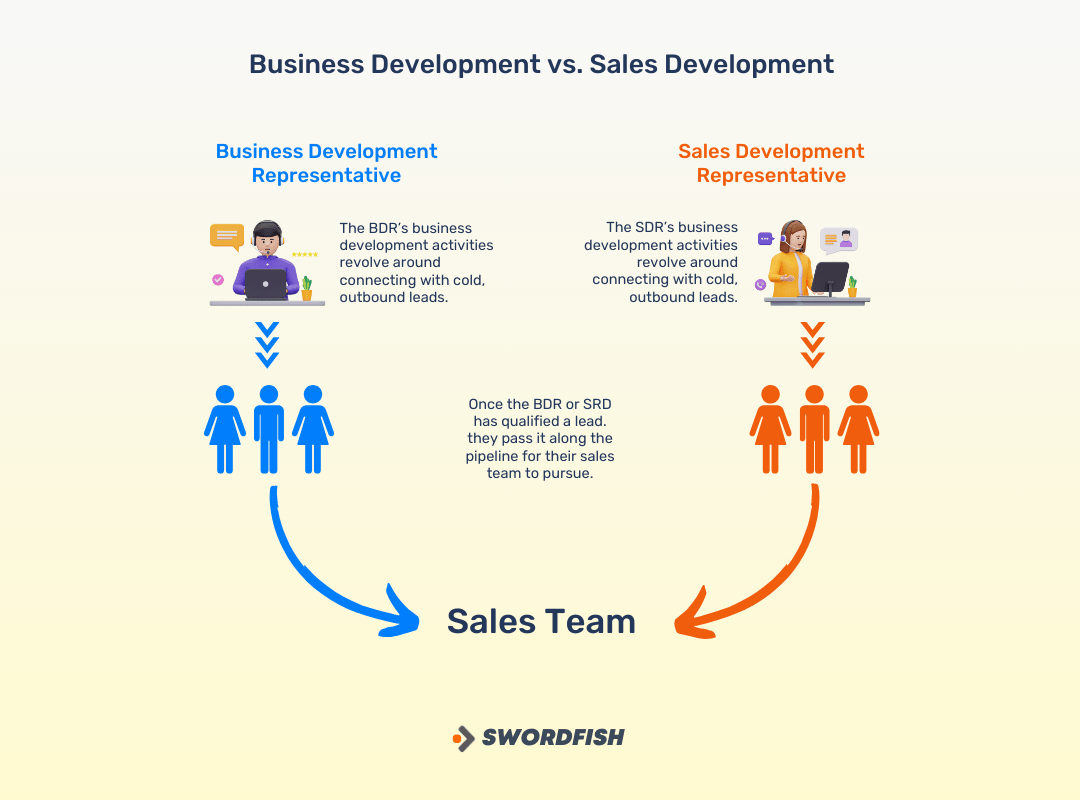
BDRs sit at the very front of the pipeline, generating new opportunities through cold-calling, cold-emailing, and other outbound lead-generation work.
SDRs pick up where marketing leaves off, qualifying inbound leads against criteria like fit and interest and moving qualified prospects through the initial stages of the sales cycle.
Business Growth Goals
BDRs contribute to growth by actively generating new business opportunities and expanding the customer base, largely through prospecting and lead generation that creates a steady stream of new potential customers.
SDRs support growth by qualifying inbound leads and confirming fit with the company’s products or services, creating opportunities for the sales team and nurturing relationships to increase the chances of conversion. Both roles matter for business success; the right mix depends on your target market, sales process, and organizational goals.
Collaboration
BDRs often work closely with marketing, since their outbound efforts benefit from alignment on target markets or demographics and access to marketing materials and insights.
SDRs typically work in tandem with both marketing and sales, following up on leads generated by campaigns and handing off qualified prospects to sales for further advancement in the pipeline.
Earnings and Career
So how does BDR vs SDR pay compare?
San Francisco, CA, offers the highest average annual salary for business development representatives in the United States, at $61,921. On average, the age of a business development representative is 43 years.
According to Glassdoor, SDRs have a lower base salary on average, with an average base salary in the United States being around $45K to $61K per year, or up to $76K per year with more experience.
BDRs typically have a higher base salary compared to SDRs, with an average base salary of about $85,110 per year, and they often have more room to earn through commissions tied to new business they generate.
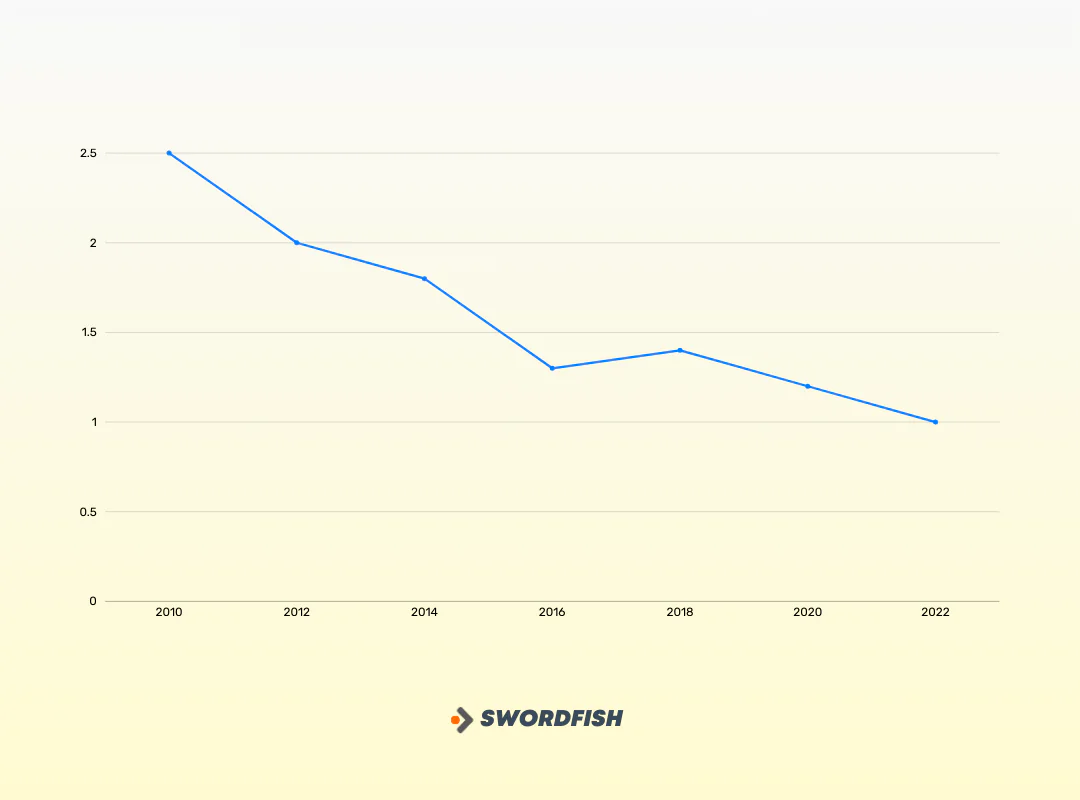
On career path, SDRs generally have more diverse opportunities for progression, since qualifying inbound leads and working closely with both marketing and sales exposes them to different parts of the sales process. For both roles, around a year of experience is commonly preferred, though that bar has been trending down.
|
Aspect |
BDR (Business Development Representative) |
SDR (Sales Development Representative) |
|
Average Salary in San Francisco, CA |
$61,921/year |
$45K – $61K/year (up to $76K/year with more experience) |
|
Base Salary (US Average) |
Typically higher, around $85,110/year |
Generally lower, ranges from $45K to $61K/year |
|
Commission Potential |
Often higher due to role in new business generation |
Varies based on company policy and performance |
|
Career Progression |
Focused on business development, with potential in new markets and sales areas |
Diverse opportunities, exposure to marketing and sales, varied sales processes |
|
Experience Requirements |
About 1 year (decreasing trend) |
About 1 year (decreasing trend) |
BDRs may find more opportunities for specialization within their role, since a focus on developing business in untapped markets positions them well for advancement into strategic market expansion work.
SDR vs BDR: Which Role is Best for You?
Choosing between an SDR and a BDR role depends largely on your personal traits, working style, and career goals. Now that you understand the difference between the two, here’s a breakdown to help you decide which one fits.
Become an SDR IF
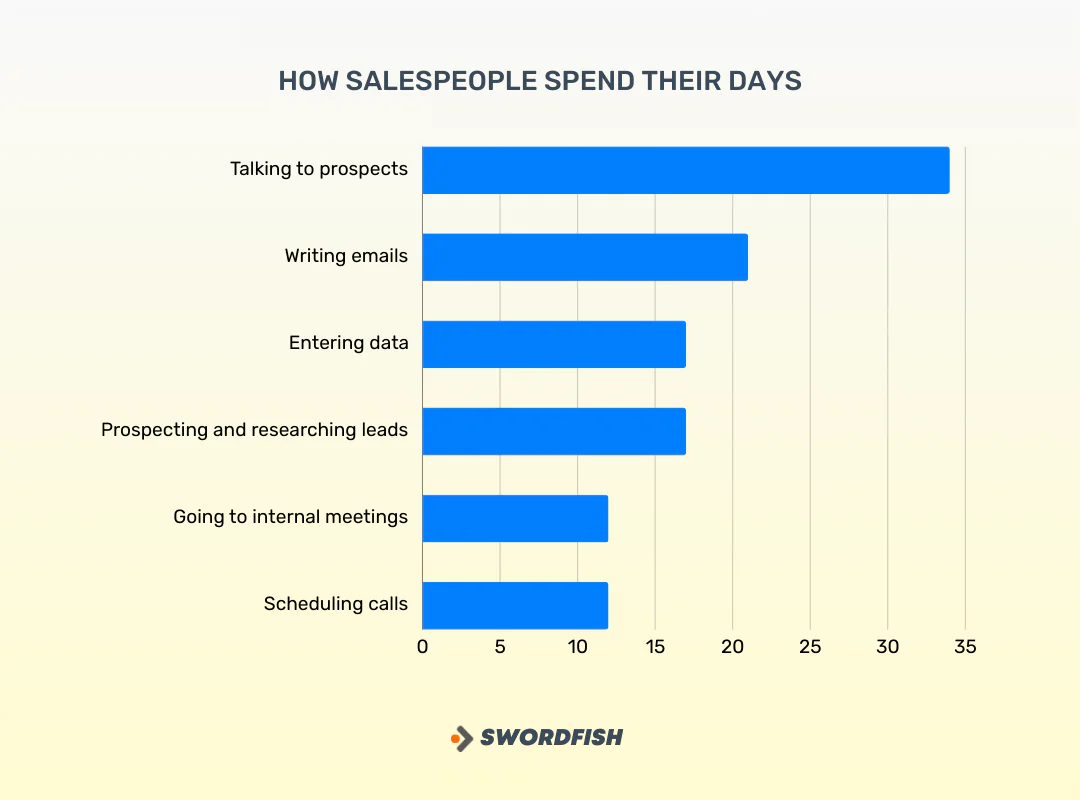
Sales development teams sit at the connection point between sales and marketing. An excellent conversion rate from lead to opportunity is 30%, indicating that 70% of contacted leads typically don’t result in any significant progress.
Given that high rate of non-conversion, quota-bearing sales reps often don’t have the bandwidth to chase every lead themselves, which is exactly the gap an SDR fills.
- You’re scrappy and energetic: SDRs need to be ambitious, determined, and ready to face challenges head-on. This role demands a high level of energy and the ability to take risks.
- You can handle pressure: SDRs often face intense work environments with low base pay, long hours, and potentially unclear expectations. The ability to remain calm and focused under pressure is crucial.
- You’re creative and self-reliant: Crafting your own outreach and strategies to fill your pipeline is a key part of being an SDR. This requires creativity and a high degree of self-reliance.
- You value learning and growth: Being coachable and receptive to feedback is essential. SDRs must continually improve their skills, sometimes seeking training and development opportunities independently.
- You’re ready for a challenge: The role involves generating inbound leads and may include repetitive tasks. It’s crucial to stay productive and avoid low-value tasks, understanding that initial earnings might not be high.
Become a BDR IF

- You’re patient and strategic: BDRs often engage in cold calling and outbound prospecting, which requires patience and resilience. It’s a role well-suited to those who can handle rejection and stay motivated.
- You thrive on developing long-term relationships: This role is about more than just making sales; it’s about building lasting relationships and exploring untapped markets.
- You have a strategic mind: Effective BDRs think comprehensively about the customer journey and the sales process. They understand the importance of targeted, strategic thinking.
- You’re analytical: Being a BDR requires analyzing market trends, understanding competitors, and considering various factors that influence purchasing decisions.
- You’re prepared for the long haul: BDR work can be challenging and requires a focus on long-term goals rather than immediate results.
Conclusion
That’s the rundown on how BDR vs SDR roles differ. SDRs handle warmer, inbound-leaning leads and need the energy to push through objections quickly. BDRs focus on outbound prospecting and strategic thinking to open up longer sales cycles in new territory.
Ask yourself whether you’re more proactive or more patient, and whether you do better under pressure or with a longer runway to plan. Your answer points toward the role that fits your selling style best. Either path takes real effort to master, but with the right preparation, either one is a solid start to a sales career.
FAQs
Which role is more challenging, BDR or SDR?
It depends on personal strengths and preferences. BDRs often face the challenge of cold outreach and developing new markets, while SDRs need to efficiently handle and qualify a high volume of inbound leads.
Can someone transition from an SDR role to a BDR role or vice versa?
Yes, transitioning between these roles is possible and can be beneficial for career growth. Experience in one role provides insights and skills applicable to the other, though the switch may require some additional training or adjustment.
What career paths are typically available for BDRs and SDRs?
SDRs often have a variety of career progression opportunities in sales and marketing. BDRs may find more specialized growth opportunities in areas related to business development and strategic market expansion.
Which role is more suitable for someone with a strong background in marketing?
SDRs might be more suitable due to their close work with marketing teams and focus on managing leads generated by marketing campaigns.