
 View Products


Last updated: September 3, 2026
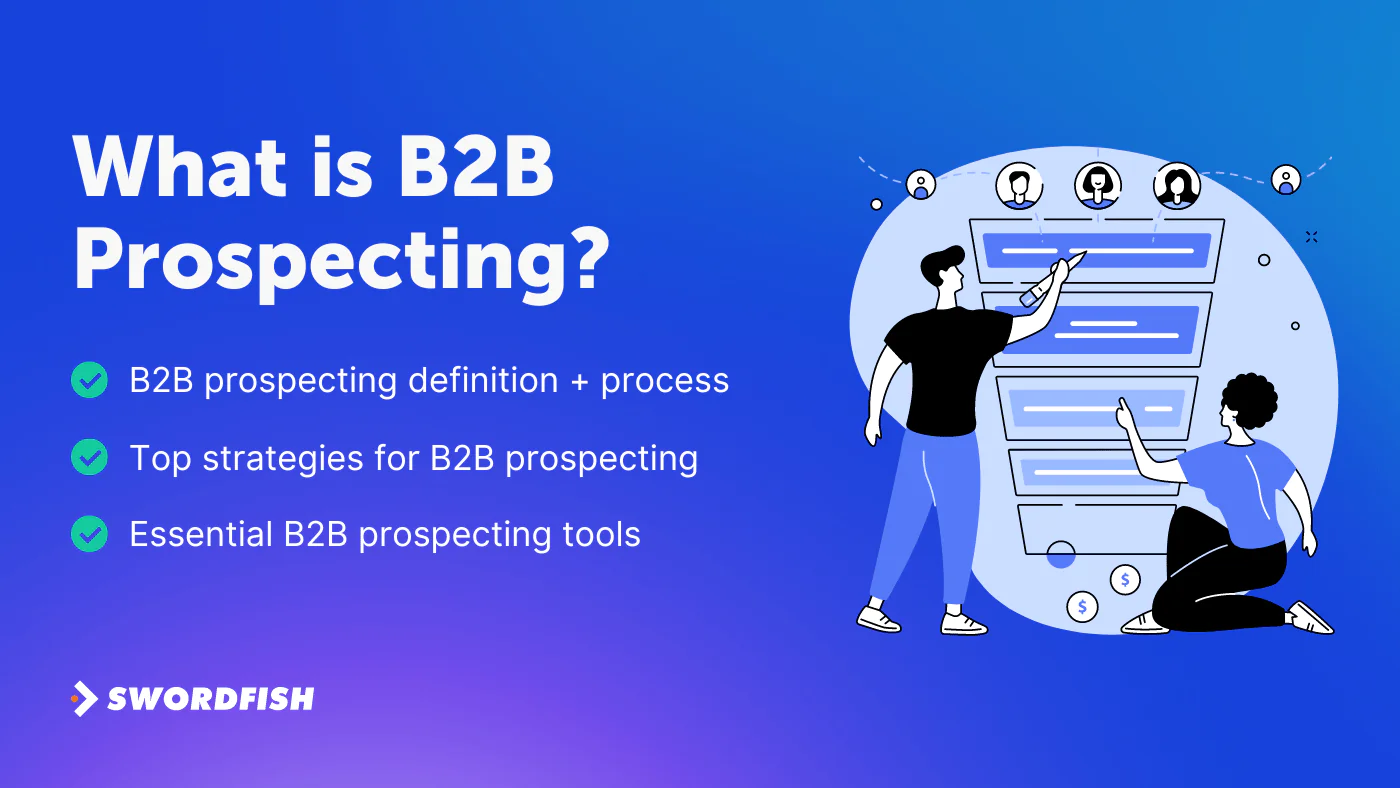
B2B prospecting is the sales process of finding potential buyers, reaching out to them, and turning them into long-term customers. For companies selling to other businesses, being good at prospecting is often what separates steady pipeline growth from a feast-or-famine sales cycle.
Building a strong pipeline usually means combining several targeted efforts rather than leaning on one channel. That includes cold calling, outbound email, content marketing, and paid ads aimed at a well-defined audience. Doing this well takes planning, the right skill set, and tools that can keep up with the volume of research and outreach required.
? B2B prospecting isn’t just about finding leads; it’s about building paths to long-term business relationships.
This guide walks through what B2B prospecting actually involves, the strategies that tend to work, and the tools sales teams commonly use to run the process. Along the way, you’ll see why Swordfish.ai is frequently mentioned as one of the platforms worth evaluating for prospecting work.
Let’s get into it.
What is B2B Prospecting?
B2B prospecting is the groundwork behind any sales strategy that depends on a steady flow of new business. Without a consistent stream of qualified prospects, even strong sales teams eventually stall. What sets B2B prospecting apart from consumer sales is the focus on organizations rather than individual shoppers, which means messaging and outreach have to account for multiple decision-makers, longer sales cycles, and more complex buying criteria.
The process generally runs through a few stages. It starts with research to identify businesses that could realistically benefit from what you sell. Sales teams typically rely on CRM systems, LinkedIn, industry reports, and dedicated prospecting software to gather information on these accounts. Once a prospect is identified, outreach follows, whether that’s email, phone calls, social messaging, or direct mail.
Understanding a prospect’s actual problems matters more than volume of outreach. The goal is to build enough trust and relevance to move someone through the sales funnel toward becoming a paying customer, which usually requires several rounds of adjustment based on what’s actually working.
Prospecting isn’t a project with an end date. It’s ongoing, and it needs regular tracking and tweaking as markets shift and buyer expectations change. Teams that use good data and a deliberate process tend to see steadier results over time than teams relying on scattershot outreach.
Key Strategies for Successful B2B Prospecting
A few core strategies show up consistently across teams that prospect well:
1. Define Your Ideal Customer Profile (ICP)
Start with a clear picture of the accounts you’re actually trying to reach. A useful ICP goes beyond firmographics and includes the specific problems a prospect needs solved, their company size, industry, and the role of the person you’d be talking to.
2. Use Multiple Outreach Channels
Relying on a single channel limits your reach. Combining email, phone, social media, direct mail, and content gives prospects more than one way to notice you, and multi-channel sequences generally outperform single-touch outreach.
3. Write Personal Messages That Give Value
Generic templates get ignored. Messages that speak directly to a prospect’s situation, and that include a concrete example of how your solution has helped a similar business, tend to get more responses than broad pitches.
4. Use Data and Technology
Good tools make research faster and more accurate. CRM systems, data enrichment platforms, and sales intelligence software all help identify the right leads and track how conversations progress.
5. Maintain Consistency and Follow-Up
Most prospects don’t respond on the first attempt. A clear follow-up cadence, spaced out sensibly rather than crammed into a few days, keeps you visible without becoming annoying.
6. Always Improve and Adjust
Review your numbers regularly and be willing to change tactics that aren’t producing results. What worked a year ago may not work now, especially as buyers do more independent research before engaging with sales.
Building a Strong B2B Prospecting Process
A solid prospecting process starts with clear goals and a genuine understanding of the audience’s challenges, not just a list of target titles.
From there, it helps to build a strategy across several channels. Mixing cold calls, email sequences, content, and social outreach means you’re meeting prospects however they prefer to be reached, which increases the odds of a real connection.
Customization has an outsized effect on response rates. Tailoring subject lines, referencing a prospect’s specific situation, and leading with value instead of a pitch helps a message stand out in an inbox full of generic outreach.
Data should drive ongoing improvement. CRM systems paired with B2B prospecting tools let teams track conversations, spot engagement patterns, and refine targeting based on what’s actually converting.
A defined follow-up cadence matters just as much as the first outreach attempt, since most prospects need several touches before they respond. Automated sequences can help here, as long as they still feel personal rather than robotic.
Finally, treat the process itself as something to keep refining. Reviewing performance, gathering input from the team, and testing new approaches keeps a prospecting program from going stale as buyer behavior and channels evolve.
Top Tools for B2B Prospecting
The right tools reduce the manual research burden and help outreach land more accurately. Some of the tools commonly used for B2B prospecting include:
- Swordfish.ai: Known for providing contact details in near real time, Swordfish.ai integrates with existing sales systems to help teams work from current data rather than stale lists.
- LinkedIn Sales Navigator: Useful for social selling, with in-depth search, lead recommendations, and account activity updates that make it easier to time outreach.
- HubSpot: A CRM with pipeline management, messaging, and engagement tracking, plus reporting that helps teams see what’s actually working.
- Kaspr: Focused on contact data and lead enrichment, and built to plug into existing CRM workflows.
- Apollo.io: Combines prospecting and engagement in one platform, with prospect data, automated email sequences, and a built-in dialer.
- ZoomInfo: A large database of contact and company data with advanced filters for targeted list-building.
- Clearbit: Known for data enrichment, adding company and role detail that helps personalize outreach.
- Pardot by Salesforce: A marketing automation platform for lead nurturing, with segmented email campaigns, activity tracking, and lead scoring.
Combining a few of these tools, rather than relying on just one, tends to produce better results, since data accuracy, outreach automation, and personalization each solve a different part of the prospecting problem.
Why Swordfish.ai Stands Out as a B2B Prospecting Platform
What sets Swordfish.ai apart is its focus on accurate, current contact data paired with search tools built for targeted outreach. Here’s what that looks like in practice:
1. Accurate and Up-to-Date Information
Good prospecting depends on correct contact info. Swordfish.ai aims to reduce time spent chasing bad numbers or outdated emails by providing current data, including phone numbers, emails, and social profiles, so reps can spend more time in actual conversations.
2. Smart Search Tools
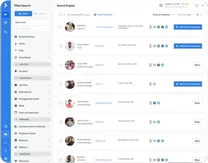
Swordfish.ai‘s search functionality lets you filter prospects by industry, job title, and company size, which narrows a broad list down to accounts that actually fit your ICP.
3. Integration and Automation
Swordfish.ai integrates with existing CRM and sales tools, which keeps data flowing into the systems your team already uses rather than adding a separate workflow. Automation for follow-ups and reminders helps reduce the number of prospects that fall through the cracks.
4. Compliance and Security
Data privacy expectations, including for healthcare-related outreach, have become stricter, and buyers are more selective about who contacts them and how. Any prospecting data provider should be evaluated on how it sources and handles contact data, and teams should confirm current compliance practices directly with the vendor before relying on them for regulated industries.
5. User-Friendly Interface
One practical advantage of Swordfish.ai is that its interface doesn’t require a steep learning curve, so teams can get functional with it quickly rather than spending weeks on onboarding.
Used well, Swordfish.ai’s data and search tools can support a more efficient prospecting process, though results still depend on how the underlying strategy, messaging, and follow-up are executed.
Get a free trial and try it for yourself ? https://swordfish.ai/
Sources retained from the original article: Swordfish AI.