
 View Products


Key takeaways
- Compare B2B data vendors on accuracy, compliance, integration, and fit for your target market.
- Ask vendors how often records are refreshed, what sources they use, and how they verify data.
- Test how vendor data flows into your CRM or marketing tools before committing to a plan.
- Use a trial or sample dataset, when available, to check the data against records you already know.
- Compare pricing and lookup limits alongside coverage and data quality.
Last updated: September 3, 2026

A B2B data vendor can affect how much time your sales team spends prospecting versus correcting contact records. The right choice depends on your target market, the contact data you need, and how well the vendor’s data fits your workflows. Before comparing providers, evaluate accuracy, compliance, and integration.
What to look for before you buy
Start with data accuracy. If a vendor can’t explain how often records are refreshed or where the underlying data comes from, that’s a red flag. Ask directly:
- How often is the data updated?
- What sources feed the database?
- What verification steps happen before a record is sold to you?
Compliance matters just as much, especially if your outreach involves regulated industries or multiple regions. A vendor’s data sourcing and handling practices can create legal and reputational risks for your organization. Ask how the provider collects and handles contact data before you sign anything.
Data accuracy and compliance protect you from both legal trouble and lost customer trust.
Integration is the third piece. A database is only useful if it fits into the CRM and outreach tools your team already uses. Look for documented APIs, native integrations, or at minimum a clean export format that doesn’t require manual cleanup.
The right data vendor depends on your use case. Evaluate your team’s needs, ask pointed questions, and choose a partner that can support your requirements as they change.
Top B2B Data Providers to Compare
Compare B2B contact data providers on the capabilities that matter to your team, and verify vendor-specific claims before making a decision.
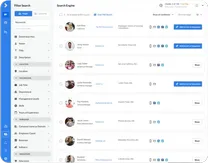
- Swordfish.ai focuses on real-time contact discovery, including mobile numbers and personal emails that are harder for many providers to surface. It integrates with common CRM workflows and offers plans that scale from small teams to larger sales organizations. For teams that need direct-dial accuracy rather than just a name-and-title match, this is worth testing first.
- LeadIQ pairs contact data with sales trigger tracking and outreach sequencing, and it integrates with major CRM platforms. A free tier makes it approachable for smaller teams, with Starter, Pro, and Enterprise plans as needs grow. The tradeoff is that its core strength is workflow and personalization rather than raw database depth.
- RocketReach maintains a large database, commonly cited at around 700 million profiles and 60 million companies. That scale is useful for broad prospecting and recruiting-style searches, but independent reviews note that database size doesn’t guarantee freshness since records are updated periodically rather than in real time, and phone number accuracy tends to run lower than email accuracy. Teams without a process for filtering stale contacts can find the volume more of a burden than a benefit.
- Adapt maintains a global contact database that the vendor positions around data accuracy and real-time verification, with pricing generally running higher than some competitors. Whether that premium pays off depends on how much your team values precision over sheer volume, so it’s worth requesting current database figures directly from Adapt rather than relying on older published numbers.
- Data marketplaces like Datarade Marketplace and SAP Data Marketplace work differently than single-vendor platforms. They aggregate listings from many providers, including niche and industry-specific datasets, so you can compare options in one place. The tradeoff is that purchase timelines and support quality vary by the underlying vendor, not the marketplace itself.
What to Consider
To assess data accuracy, ask how often records are verified and how outdated records are flagged or removed. Outdated titles or disconnected numbers can add work instead of saving time.
Compliance is non-negotiable, particularly if you operate across multiple regions with different privacy rules. A provider should be able to explain, in plain terms, how they source and handle personal data.
Integration capability deserves real scrutiny too. Test how a vendor’s data actually flows into your CRM or marketing automation platform before you commit budget. A clunky import process eats the time savings the tool was supposed to deliver.
Marketplaces such as Datarade Marketplace and SAP Data Marketplace are worth a look if you haven’t compared them yet. They let you evaluate multiple vendors side by side across offering type, integrations, and category coverage, which makes them a reasonable starting point even if you end up buying direct from a single provider.
Testing before buying can help reveal whether a vendor is a good fit. Ask whether the provider offers a trial or sample dataset, then assess how clearly it explains the terms and limitations.
In short, evaluate accuracy, compliance, integration, and data testing. Doing that homework can help you choose a provider that fits your lead generation needs while reducing the risk of avoidable data and compliance problems.
How to choose a B2B data vendor
- Data coverage and freshness. Confirm update frequency and whether coverage actually matches your target market, not just an impressive overall number.
- Transparency and communication. A vendor that can clearly explain its data sources and support process is easier to trust than one that deflects the question.
- Compliance. Regulations like GDPR and CCPA aren’t optional. Confirm compliance in writing, not just in a sales call.
- Integration capabilities. Favor vendors with documented APIs or existing integrations with the tools you already run.
- Testing the data. Use trial periods or sample datasets to check match rates and accuracy against real records you already know.
- Pricing. Get full pricing details up front, including what happens if you exceed your plan’s lookup limits, and weigh that against the accuracy you’re actually getting.
Work through these points methodically and you’ll narrow the field to vendors that actually fit your use case, not just the ones with the biggest marketing budget.
Which B2B data vendor is the best?
There’s no single universal answer here, since the right vendor depends on what you’re prospecting for and which contact types matter most. For teams that need verified mobile numbers and direct emails rather than generic company-level data, Swordfish.ai is worth prioritizing in your evaluation given its focus on real-time contact accuracy and CRM integration. Whichever provider you land on, test it against your own target list before committing to a full plan.
Get a free trial → https://swordfish.ai/
Frequently asked questions
What should you compare when choosing a B2B data vendor?
Compare data coverage and freshness, transparency about sourcing, compliance practices, integration capabilities, testing options, and pricing.
How can you evaluate the accuracy of a B2B data provider?
Ask how often records are updated, what sources feed the database, and what verification steps are used. If possible, test a sample against records you already know.
Why does CRM integration matter when selecting a data vendor?
Integration affects how easily data moves into your existing tools. Check for documented APIs, native integrations, or a clean export format, and test the workflow before committing.
Which B2B data vendor is best?
There is no single best vendor for every team. The right choice depends on your target market and contact-data needs; compare providers and test the data against your own use case.
Are data marketplaces different from single-vendor platforms?
Yes. Marketplaces list offerings from multiple providers, including niche datasets, while support and purchase terms can vary by the underlying vendor.