
 View Products


Last updated: September 3, 2026
A healthcare organization deciding how to fill provider outreach pipelines, recruit clinicians, or connect with practice decision-makers usually runs into the same question sales teams everywhere face: should reps call prospects cold, or wait until there’s some prior contact to warm things up? The answer affects conversion rates, rep morale, and how much time gets spent chasing dead ends.
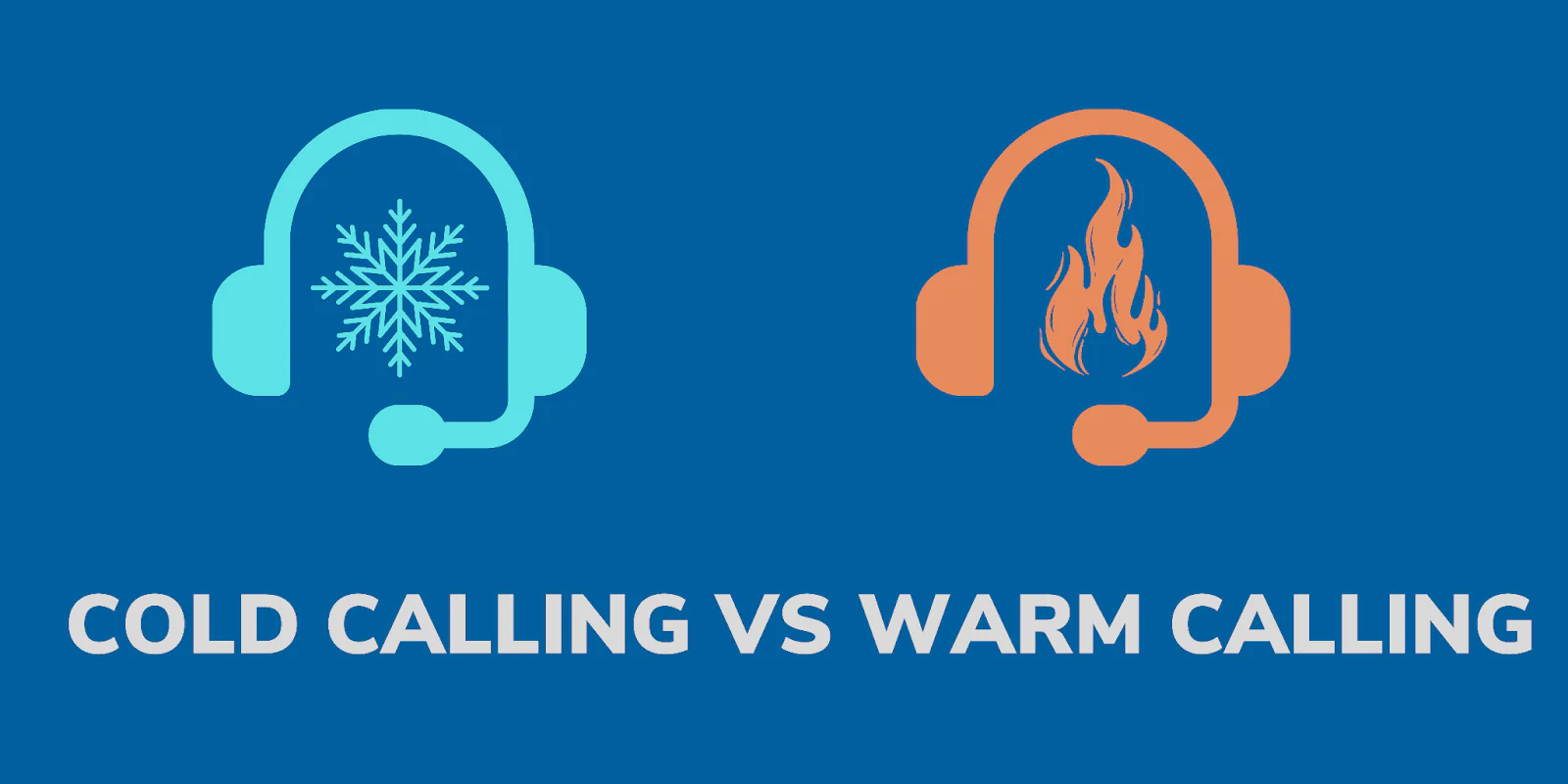
This guide breaks down cold calling and warm calling, compares them directly, and looks at the tools and compliance considerations relevant to teams working with healthcare provider contact data.
What is Cold Calling?
Cold calling is a sales strategy where a rep contacts a potential customer to pitch a product or service without that person having expressed prior interest.
Cold calling can expand a customer base, give newer reps a chance to sharpen their pitch, and create a more personal connection than an email ever will.
Pros of Cold Calling:
- Reach New Customers: Cold calling allows you to reach out to people who fit your typical customer profile but may have yet to search for your products or services actively. This allows you to expand your customer base.
- Master Your Sales Pitch: Cold calling is excellent practice for sales reps, especially for newcomers. It allows you to refine and perfect your sales pitch through real-time feedback from potential clients.
- Make Human Connections: Cold calling provides a chance to gain valuable information and establish a personal connection with potential clients. You can gauge their personality and humor, which is hard to do over email and can go a long way in building a business relationship.
Cons of Cold Calling:
- Intrusive and Annoying: Many people find unsolicited phone calls to be an interruption and may need to be more receptive to a sales pitch. It’s common for individuals to want to end the call as quickly as possible, and you may also catch them at a bad time or get sent to voicemail.
- Low Conversion Rates: While some businesses have succeeded with cold calling, there should be other focuses of your sales strategy. The number of sales generated from cold calling is often unpredictable, which could pose financial risks for your business.
What is Warm Calling?
Warm calling means reaching out to a prospect with whom you’ve already had some form of contact — an email, a referral, a webinar signup, or a direct mail piece.

Because the prospect already has some familiarity with your business, the introduction feels less abrupt and the call itself tends to move faster toward a real conversation.
Pros of Warm Calling:
- Higher Conversion Rates: Warm leads are already familiar with your business and have expressed interest in your product or service. Therefore, they are more likely to convert into customers, resulting in higher conversion rates.
- Customized Approach: With warm calling, you can tailor your pitch to meet the prospect’s specific needs. You can use the information you have from your previous contact to create a more personalized sales pitch, which could increase the chances of closing the sale.
- Building a Strong Relationship: Since warm leads have already shown interest in your business, warm calling allows you to establish a stronger connection with potential customers. By nurturing this relationship, you can develop a mutually beneficial partnership that could lead to repeat business and referrals.
Cons of Warm Calling:
- Complacency: Some sales reps may need to pay more attention to the importance of warm calling and become complacent in their approach. A necessary effort is not made to make a strong impression on the prospect, which could lead to missed opportunities.
- Ineffective Voicemails: Even with warm calling, reaching the prospect on the first attempt is impossible. In these cases, leaving a well-crafted voicemail can be an effective way to establish communication. However, some sales reps may need more time to plan and craft strategic voicemails, which could reduce the chances of receiving a callback or response.
Difference Between Cold Calling and Warm Calling
Knowing the practical differences between the two approaches makes it easier to decide when each one fits your outreach.
Engagement with Lead:
- Cold calling: No prior engagement with the lead. You can source their contact details from somewhere, but you need to know if they’re interested in becoming a customer.
- Warm calling: This happens after the lead has displayed some initial interest in your brand or marketing campaigns, such as commenting on your LinkedIn post, attending a webinar, filling out a sales contact form, or engaging with your paid ad content.
Knowledge of Brand:
- Cold calling: The prospect may need to learn your brand or what you offer.
- Warm calling: The prospect will already know about your brand and what you offer, making them more likely to engage with you.
Customization:
- Cold calling: You have to start from scratch with your pitch and have yet to gain prior knowledge of the lead’s needs or interests.
- Warm calling: You can customize your pitch to meet the needs of the lead based on their prior engagement with your brand.
Effectiveness:
- Cold calling: Conversion rates can be low, and the prospect may need to be more receptive.
- Warm calling: Conversion rates can be higher due to the prior engagement and interest shown by the lead.
Preparation:
- Cold calling: You need to prepare a pitch that can capture the prospect’s attention in a short amount of time.
- Warm calling: You can prepare your pitch in advance and tailor it to the lead’s specific needs and interests.
Cold Calling vs Warm Calling: Which One is Better?
Rather than picking one approach and abandoning the other, most teams get better results balancing both, based on their prospecting strategy and how much interest a given segment has already shown.
Test both methods by building a calling list and tracking results, then let the data tell you which approach brings in more qualified conversations for your specific market.
A well-built call list matters more than which script you use. Accurate contact data lets reps deliver a message quickly and add a personal touch to the right prospects instead of burning hours on disconnected numbers or outdated emails.
Cold and warm calling both remain standard tools for B2B sales teams, and many still rely on a mix of the two.
One common failure point is skipping the list-building step. Without accurate, current contact information, even a strong script won’t reach the right person.
For teams calling into healthcare organizations specifically, it’s also worth understanding where TCPA rules apply. Marketing and promotional calls or texts to providers and patients are subject to standard TCPA consent requirements, though certain healthcare-related messages — such as those tied to treatment, care coordination, or case management — may fall under narrower exemptions. Sales and recruiting outreach to provider offices generally does not qualify for those exemptions, so consent, do-not-call list screening, and calling-hour rules still apply.
Top 5 Tools that You Need for Creating a Call List
Whichever approach you lean on, you’ll need accurate contact information for the people you’re trying to reach. Several tools can help you build and verify that list.
Note: Reachout another comparison LinkedIn Sales Navigator vs ZoomInfo.
1. Swordfish.AI
Swordfish AI is a tool for finding contact information, like personal and business email addresses and cell phone numbers. It connects to over 200+ network data partners to provide users with the most updated and accurate information available.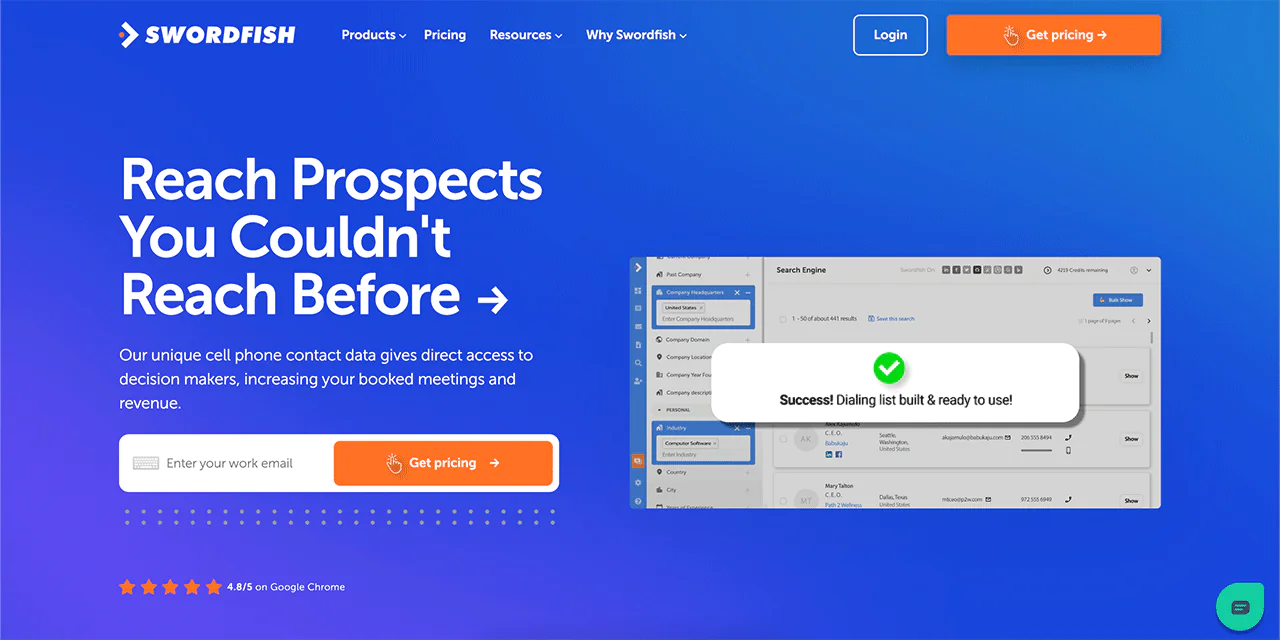
Swordfish AI uses a free Google Chrome extension that integrates with popular social media profiles, including Facebook, Twitter, LinkedIn, GitHub, Meetup, Stack Overflow, Dribble, Xing, Bing, Gmail, and Google. The extension displays all contact information found for an individual’s profile.
Users can access cell phone numbers and email addresses directly through the Swordfish.ai website with the bulk upload and data list enrichment feature.
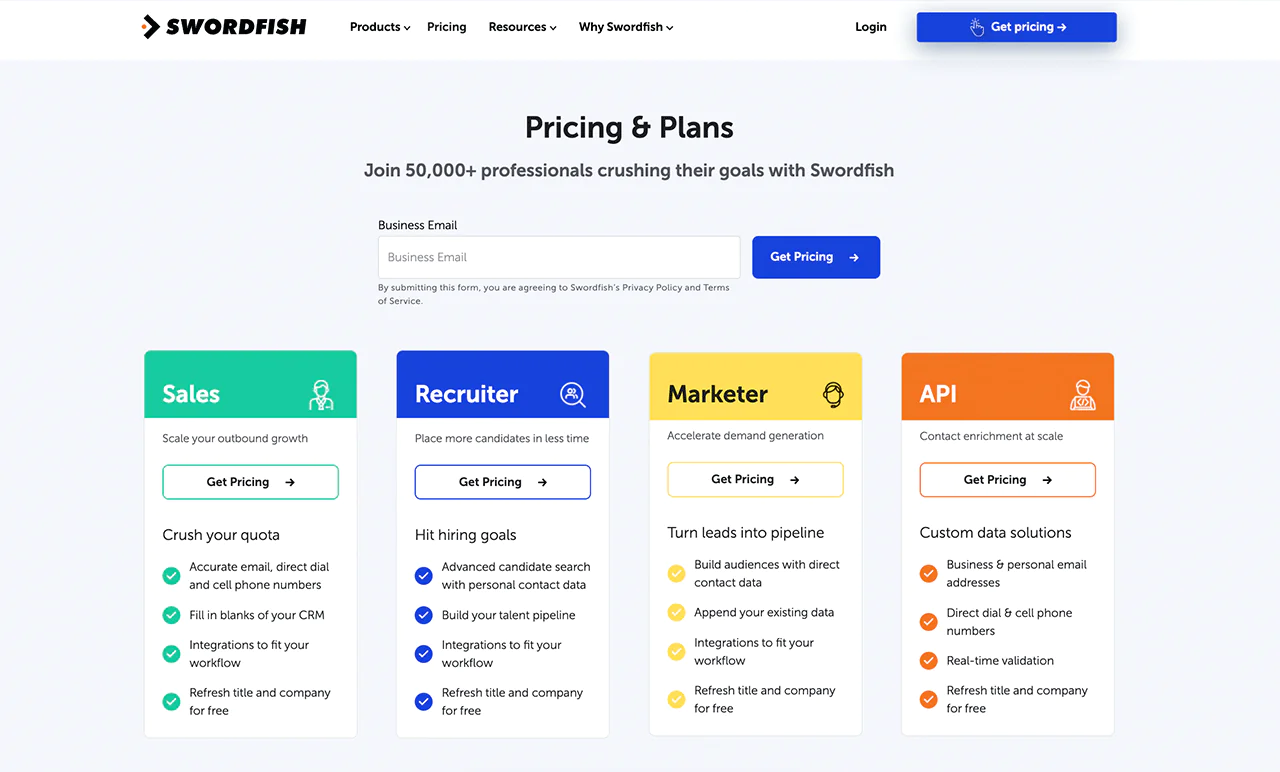
Swordfish AI offers a custom-sized free trial suited to the organization’s needs. The Swordfish AI pricing page contains information on different plans, including custom enterprise solutions.
2. Cognism
Cognism is a global sales intelligence tool that enhances the quality of data for lead-generation strategies while ensuring compliance with international privacy laws.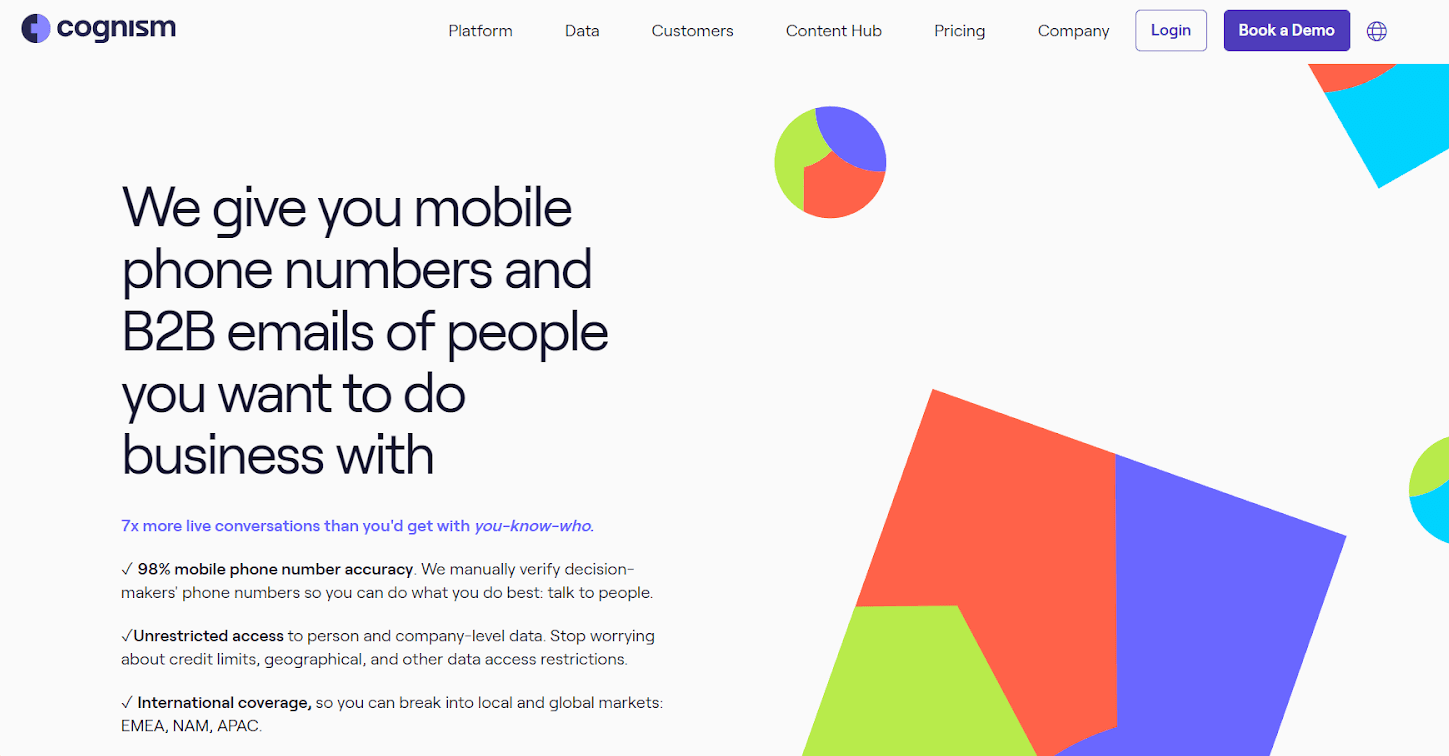
It enables businesses to contact critical decision-makers with verified email addresses and phone numbers and provide contextual data to further engage and target high-value prospects for closing more deals.
Cognism seamlessly integrates with CRM and sales engagement platforms like Salesforce, Hubspot, SalesLoft, Outreach, and others, enabling you to access B2B prospect data on the systems you work with.
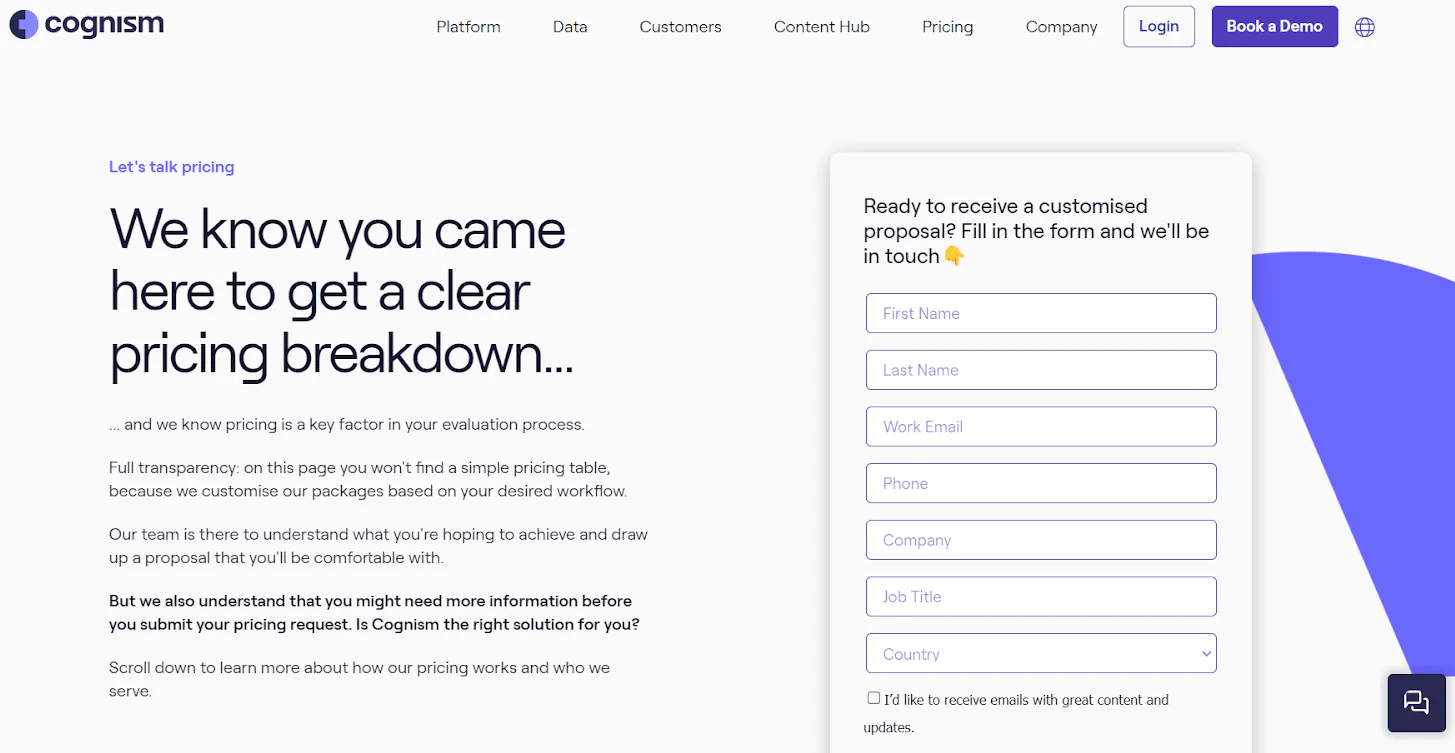
While they does not offer a transparent pricing plan, they provide customized Cognism pricing plan options tailored to your business needs. This personalized approach ensures that you only pay for the required services, allowing you to optimize your budget and maximize your ROI.
3. Lusha
Lusha is a B2B data enrichment tool that allows users to verify and establish trust in business profiles. Their Google Chrome extension integrates with LinkedIn and Salesforce to provide accurate and up-to-date information for enhanced business intelligence.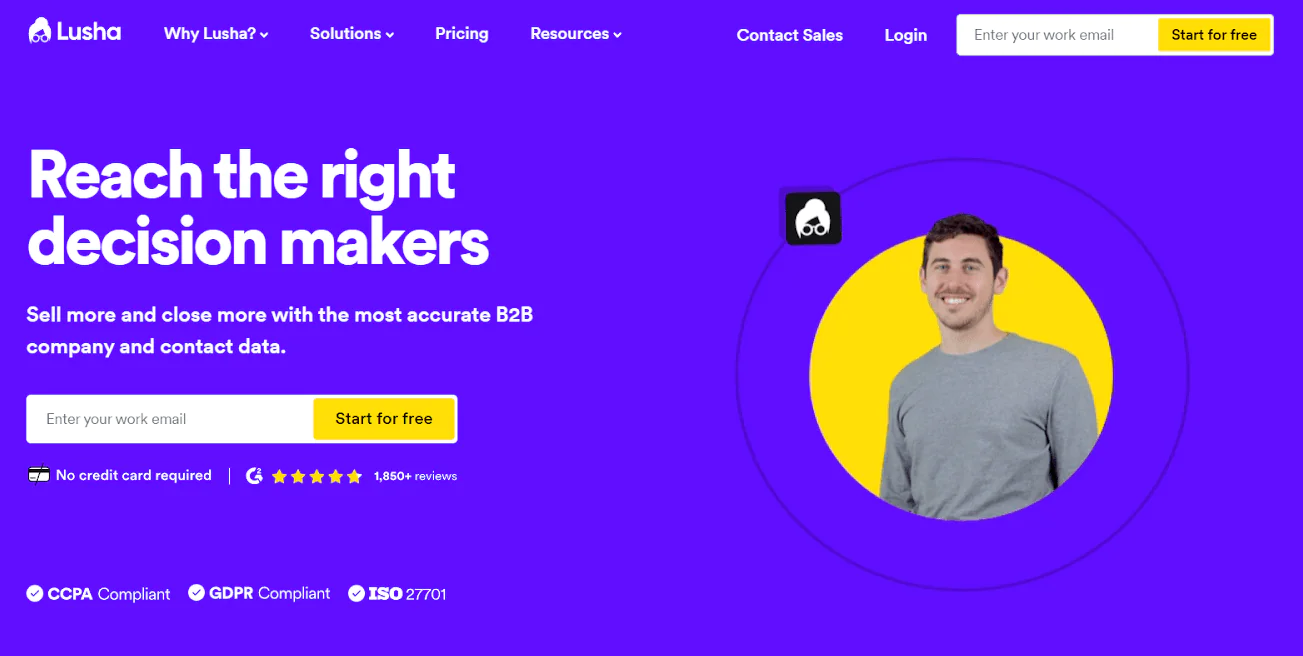
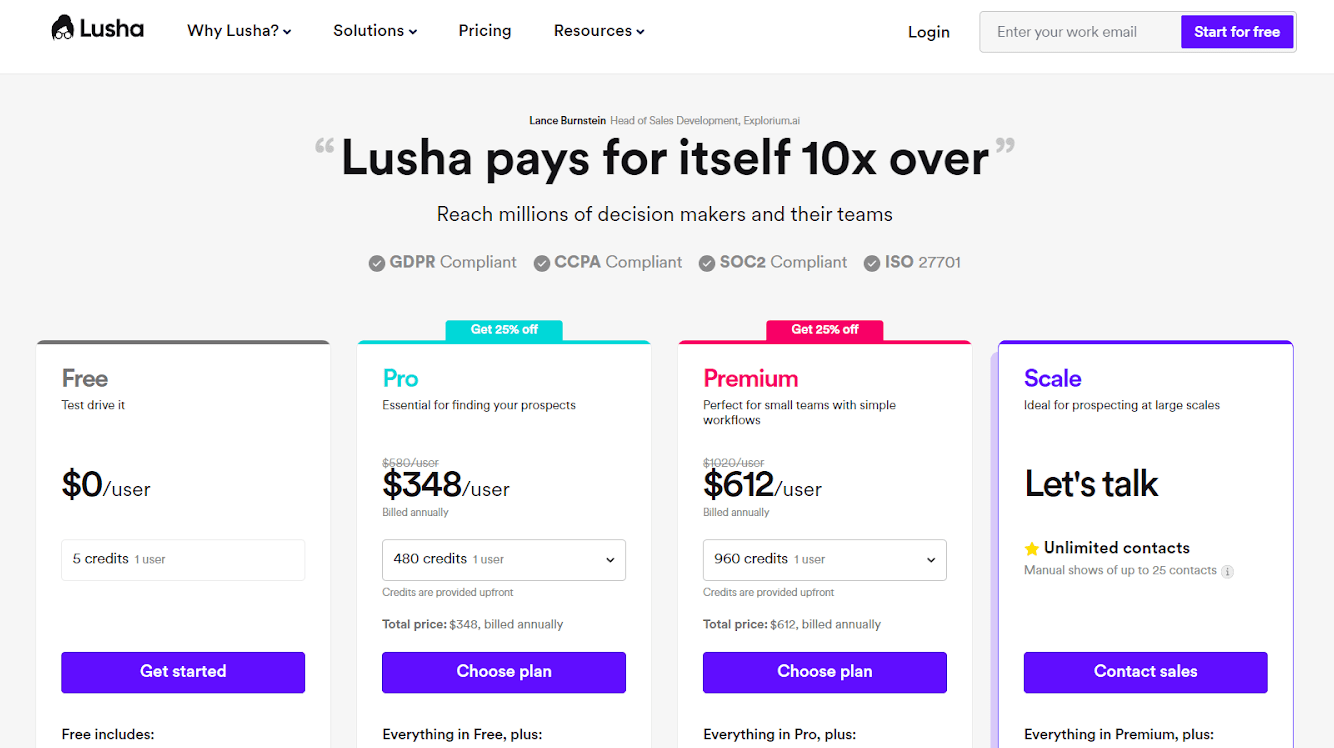
Lusha offers a free trial and a range of affordable monthly plans starting at $0 (free) and going up to $69, depending on the number of credits you select. This pricing structure allows businesses of all sizes to access the benefits of their services.
4. Uplead
UpLead is a sales leads tool that helps you drive growth by connecting with qualified prospects. With their Google Chrome extension, you can quickly find and engage with potential customers.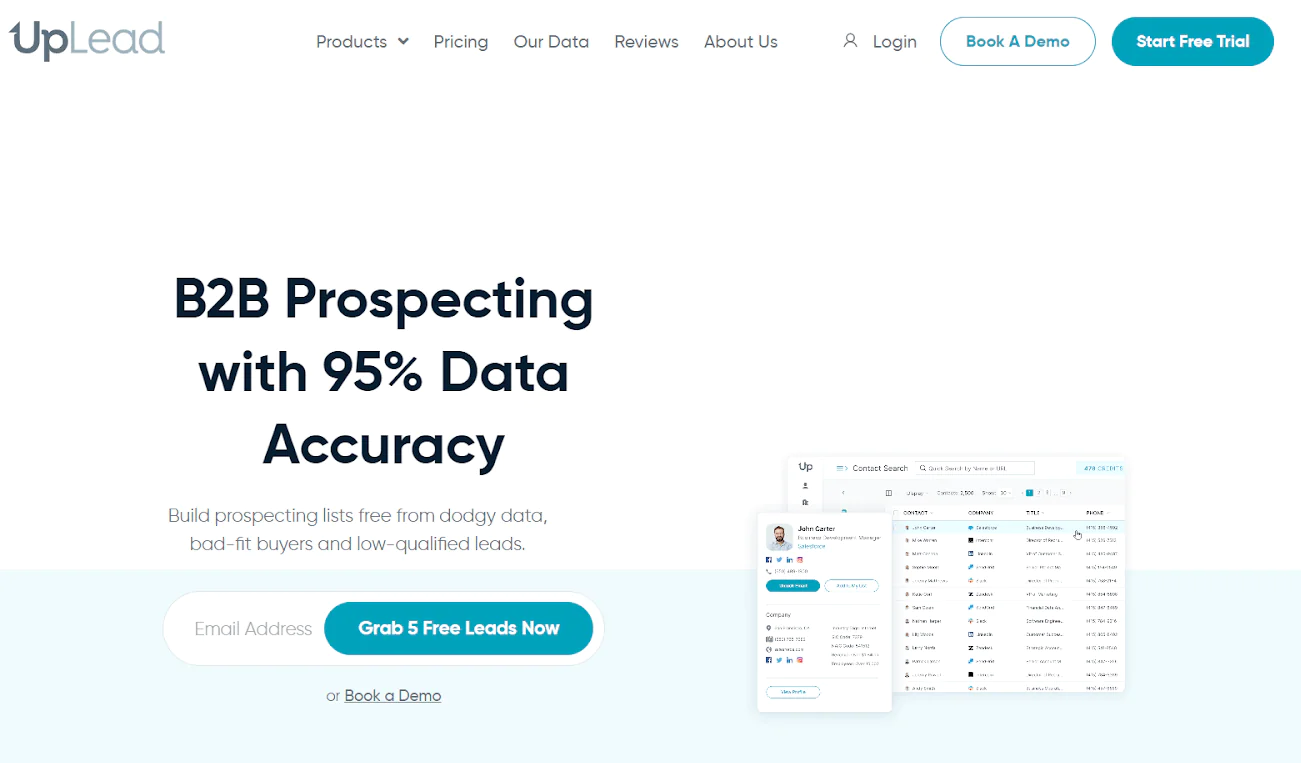
To get started, UpLead offers a free trial where you can test out their features. They also have a variety of pricing plans available, including a free option and monthly plans starting at $99.
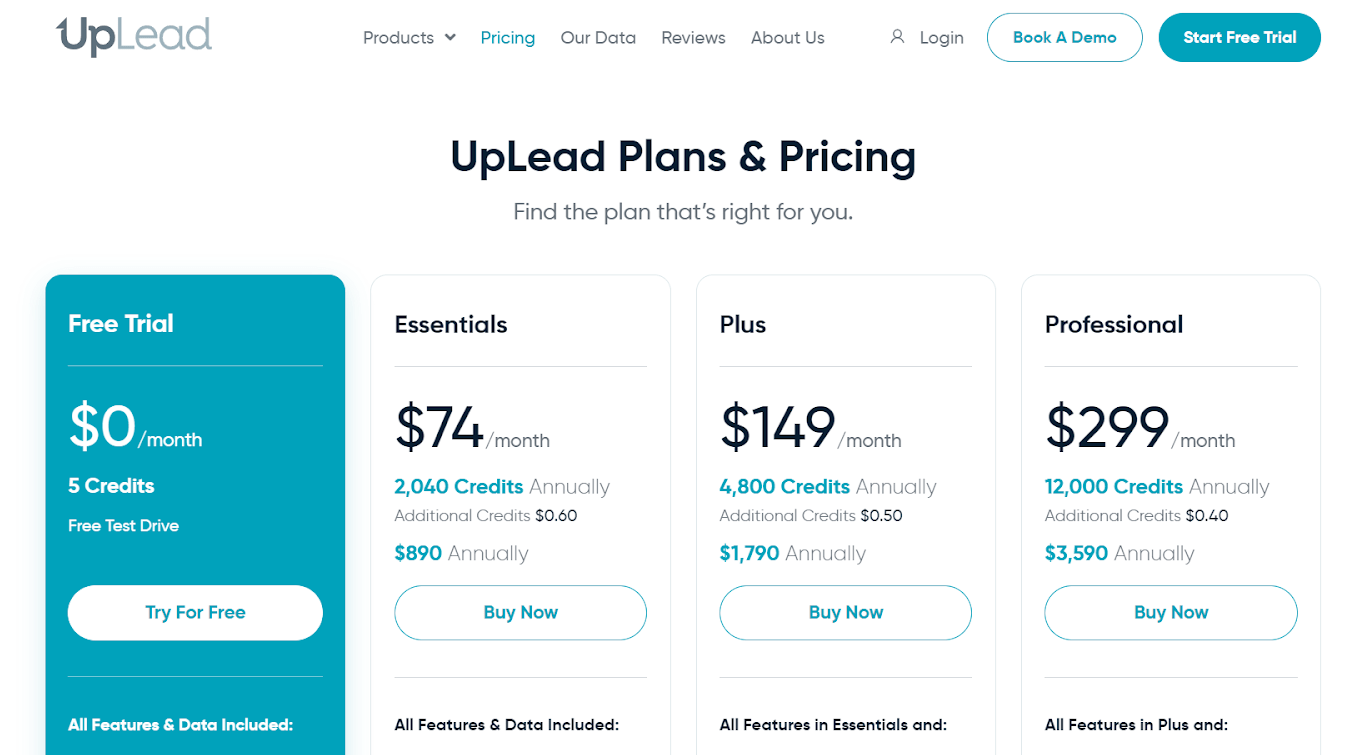
The plans vary based on the number of credits you need, with higher tiers offering more credits and additional features. If you require even more advanced features, UpLead also has Enterprise plans available.
5. Zoominfo
ZoomInfo is a tool that helps you find and connect with your ideal customers, providing technology, integrations, and automation for each phase of your go-to-market strategy. With their tagline \”Hit Your Number,\” ZoomInfo aims to help you achieve your lead generation, sales, and revenue goals.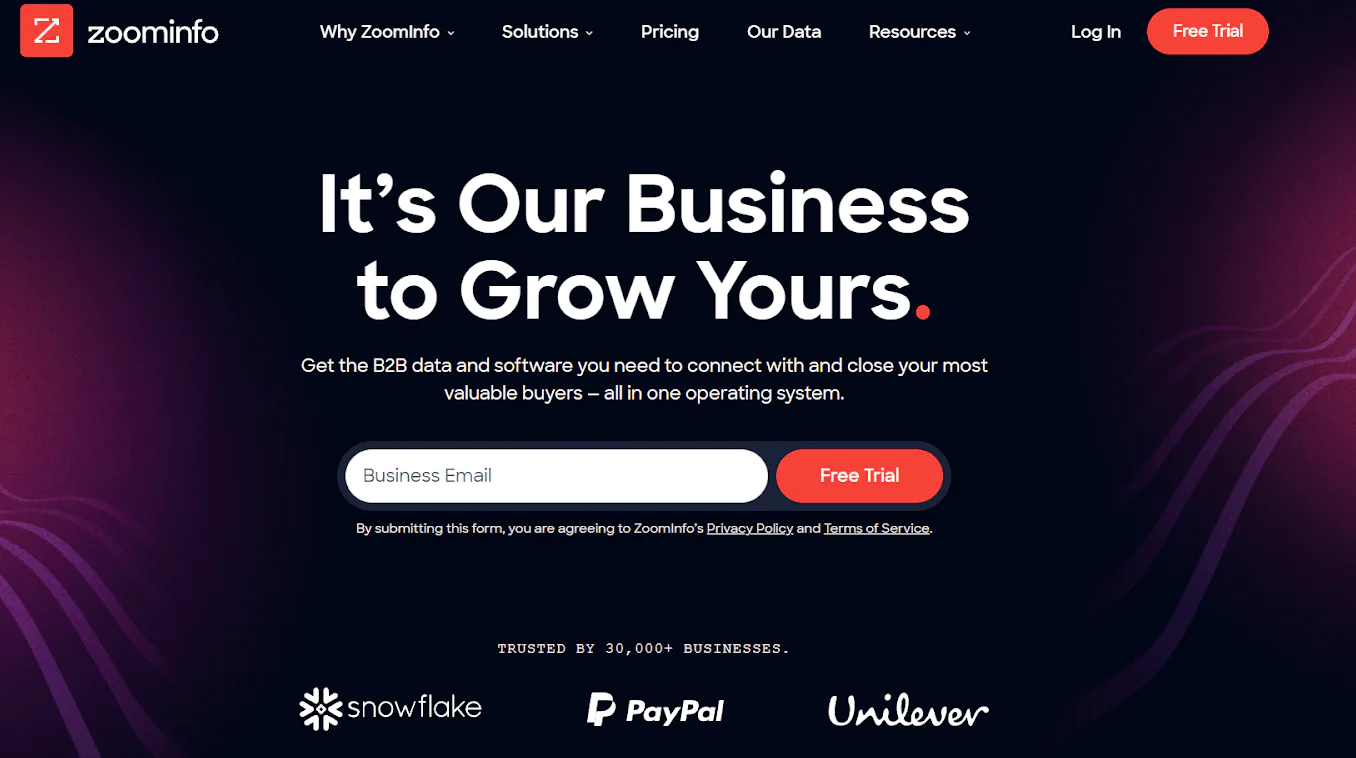
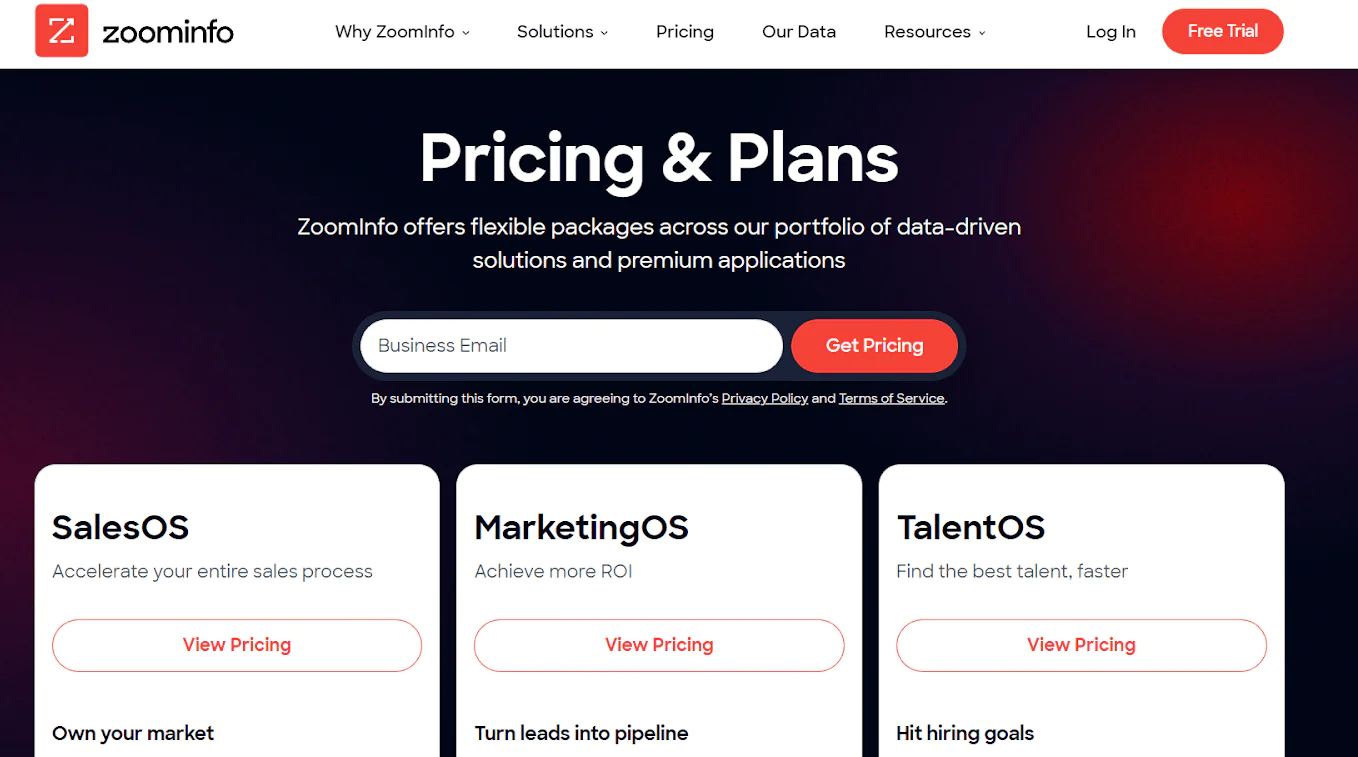
ZoomInfo offers a range of pricing plans to meet your needs and budget, so you can select a pricing plan according to the needs of your business. If you’re interested in ZoomInfo, you can sign up for a free trial on their website. While they do not provide detailed pricing information on their website, you can enter your email address to receive access to their pricing plans.
If you still need clarification, let us help you and give you a detailed analysis of the best contact finder tool, Swordfish. AI. Read about its features in detail and know how it will help you in the cold as well as warm calling.
Swordfish.AI: The Best Way to Find Contact Information
Swordfish AI is a tool that simplifies the process of finding people by extracting public information, including email addresses, social profiles, contact numbers, residential addresses, and more.
Key features of Swordfish AI:
- Accurate and comprehensive data: Swordfish AI uses advanced algorithms and collaborates with over 200 data partners who provide verified contact information.
- Multiple search options: You can conduct specific, bulk, or even automated searches on LinkedIn and Facebook groups to find the right prospects.
- Chrome extension plugin: Google Chrome extension plugin allows you to enhance your prospect search by integrating with various platforms like LinkedIn, Facebook, Twitter, Gmail, Github, Bing, and more.
- Reverse search feature: With Swordfish AI’s reverse search feature, you can access a wide range of information with minimal input. You can find social profiles, names, complete residential addresses, email addresses, and phone numbers.
- CRM/ATS integration: Swordfish AI integrates directly with your CRM/ATS, allowing for efficient lead generation strategies and reducing the time and resources required for manual searches.
- File enrichment: Swordfish AI lets you upload files for data enrichment, adding verified information like names, job titles, business emails, and social profiles to your database automatically.
- Customer success team: The Swordfish AI team includes data specialists who can help you integrate their API to prioritize data as \”must-have\” information, streamlining your recruitment processes.
Swordfish AI’s credit-based system allows you to conduct a single contact search for each credit you purchase, and they only charge credits if they provide you with verified contact information.
For teams reaching healthcare providers specifically, having accurate mobile numbers and direct emails matters even more, since practice front-desk lines and generic inboxes rarely reach decision-makers. Verified, up-to-date contact data reduces wasted dials and lowers the odds of hitting a disconnected or reassigned number, which also carries compliance risk under wireless-number reassignment rules.
Note: Reachout about VoilaNorbert Alternative.
Conclusion
Cold calling and warm calling both have a place in a sales strategy, and the right mix depends on how much prior engagement your leads already have with your brand. A well-planned, well-executed warm calling strategy tends to convert more reliably, but cold calling still has value for expanding reach and sharpening pitches.
By researching and targeting specific prospects, and using Swordfish AI to find accurate and verified contact information, you can approach potential customers with a message that actually fits their needs.
With its comprehensive database and integrations with various platforms, Swordfish AI simplifies the lead generation process. Sign up today, get a free trial, and start growing your business with the power of Swordfish AI!
Read More: Email finder from Twitter
FAQs
What are some effective ZoomInfo alternatives for cold calling and warm calling?
Alternatives to ZoomInfo that can be effective for cold and warm calling include LinkedIn Sales Navigator, DiscoverOrg, Leadfeeder, SalesIntel, and Apollo.io. Each platform offers unique features such as advanced search filters, lead scoring, and integration with CRM systems, catering to various aspects of lead generation and outreach.
How do LinkedIn Sales Navigator and ZoomInfo differ in aiding cold calling efforts?
LinkedIn Sales Navigator specializes in leveraging the vast LinkedIn network to identify potential leads, offering detailed insights into prospects’ professional background and network. ZoomInfo, on the other hand, provides a broader range of data including email addresses and direct phone numbers. Sales Navigator is more suited for relationship-driven sales approaches, while ZoomInfo is often preferred for volume-based cold calling strategies.
How can sales teams transition from cold calling to warm calling?
Sales teams can make this transition by leveraging tools that track potential customer engagement with their brand. For instance, using a platform like Leadfeeder can help identify companies that visit your website, the pages they viewed, and how they interacted with your content.
This information can then be used to warm up calls, making them more targeted and effective. Considering Leadfeeder pricing could be a strategic move for businesses looking to enhance their sales approach with warm calling.
Does the TCPA affect cold and warm calling into healthcare organizations?
Yes. Marketing or sales calls to provider offices are generally subject to standard TCPA consent and calling-hour rules. Narrower healthcare-message exemptions typically apply to treatment, care coordination, and similar patient communications, not to prospecting or recruiting outreach, so teams should confirm consent and do-not-call screening before dialing.