
 View Products


Last updated: September 3, 2026
Prospecting is where the sales process actually begins. It’s the work of turning an unfamiliar name into someone who’s willing to take your call, and it takes a mix of strategy, patience, and a fair amount of trial and error.
It’s also one of the harder parts of the job. A widely cited industry survey found that 42% of sales reps rank prospecting as the toughest stage of selling, more difficult than closing or handling objections. That’s not surprising once you consider how much research and personal judgment goes into figuring out who’s actually worth pursuing.
The strategies below apply across industries, but they carry extra weight when you’re prospecting into healthcare organizations, where contact turnover is high, gatekeepers are common, and outdated phone numbers or bounced emails can quietly derail a campaign. We’ll cover both the fundamentals and a few considerations specific to reaching providers and clinical decision-makers.
What is Prospecting?
Prospecting is the first step in selling, where businesses look for potential customers for their products or services. Companies often use methods like cold calls, mass emails, and texts to find people who might become valuable customers.
It also helps rekindle interest among potential customers who previously showed interest but didn’t make a purchase.
Sales Prospecting Methods
The ways salespeople find new leads or keep in touch with existing ones are known as sales prospecting methods. These methods vary by team and industry, and typically include email outreach, social selling, event networking, and warm phone calls.
Traditionally, prospecting had two main types: outbound and inbound.
1. Outbound Prospecting
In outbound prospecting, salespeople reach out to potential customers who haven’t shown prior interest, often through cold calls or emails.
2. Inbound Prospecting
It’s the opposite, focusing on building relationships and contacting only those who have already shown interest in the product or service.
Most sales teams now blend the two rather than picking one. A cold email might open the door, but a warm follow-up after someone downloads a resource or engages with your content is what actually moves a deal forward.
Why is Sales Prospecting Important?
Sales prospecting matters because it puts you in front of people who actually need what you’re selling. Understanding a prospect’s challenges before you reach out makes the difference between a call that gets hung up on and one that turns into a conversation.
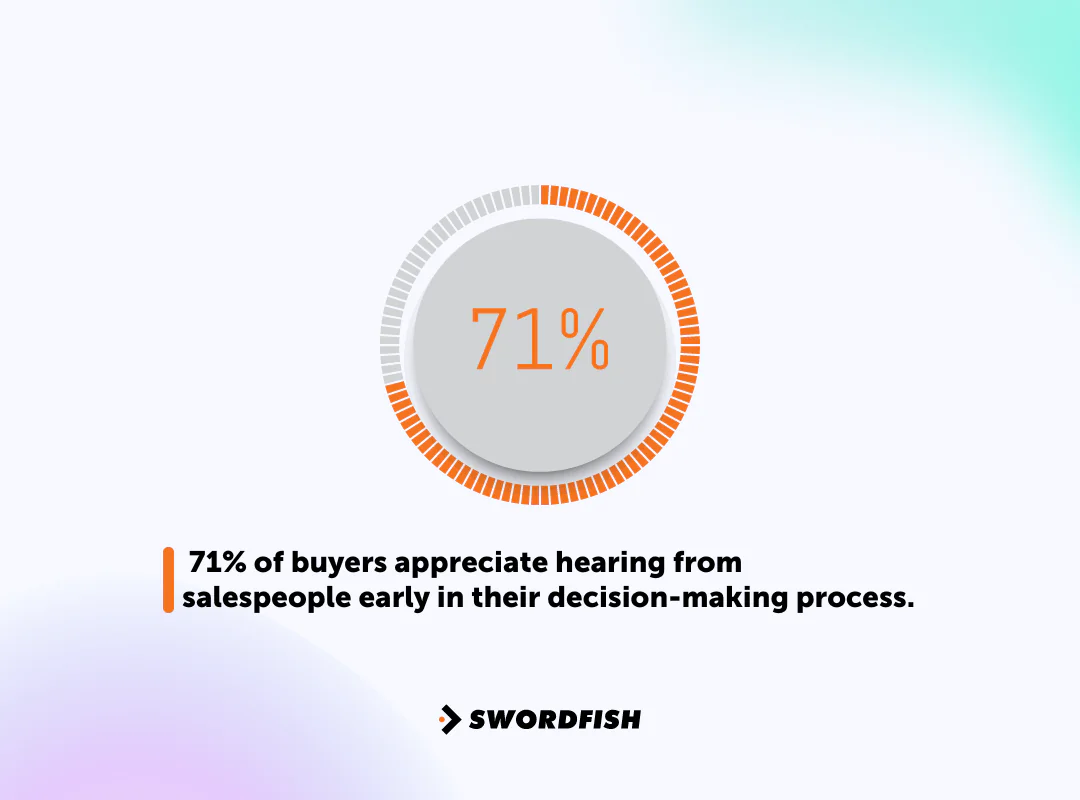
This isn’t just theory. Research by RAIN Group shows that over 71% of buyers appreciate hearing from salespeople early in their decision-making process.
Impressively, 82% of buyers are open to meetings if a salesperson contacts them first. Reps who actively prospect set up roughly three times more meetings than those who don’t.
Effective prospecting strategies let you get in front of leads that are genuinely a fit, which matters because well-matched customers tend to stick around longer and spend more over time.
Lead vs Prospect: A Comparison Chart
Many salespeople get confused between a lead and a prospect. And we want to clear that out before explaining our prospecting strategies.
|
Aspects |
Lead |
Prospect |
|
Definition |
A lead is someone who has shown initial interest in your company, like visiting your website or subscribing to a blog. |
A prospect is a lead who has been evaluated and deemed a good fit for your product or service. |
|
Example |
Someone subscribes to your blog after visiting your website. |
A small construction firm owner subscribes to your blog and matches your target customer profile. |
|
Qualification |
Leads have shown interest but are not yet assessed for fit. |
Prospects are qualified leads, assessed as potential customers. |
|
Interaction Level |
Limited interaction, such as website visits or blog subscriptions. |
May have similar interactions as leads but are further qualified. |
|
End Goal |
To nurture them into becoming customers. |
To convert them into customers through targeted engagement. |
|
Process |
Nurturing from initial interest to sale. |
Engagement from qualification to sale. |
10 Best Prospecting Strategies to Make More Sales
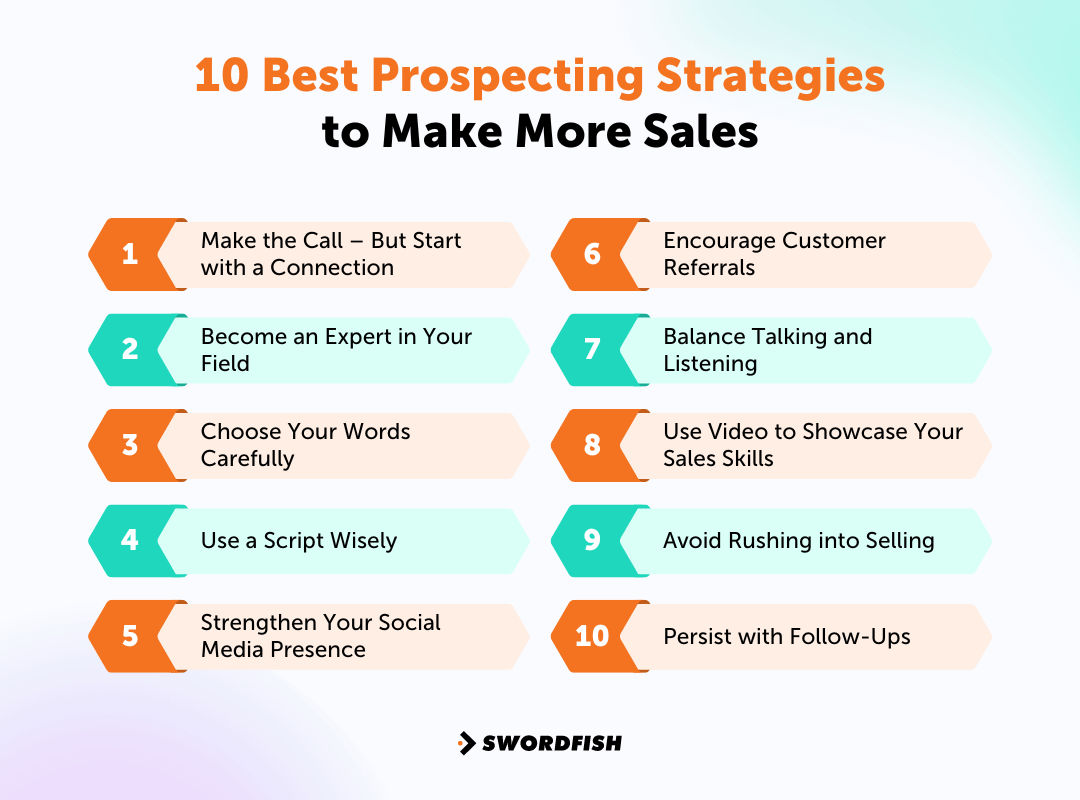
Now let’s walk through each strategy and what it actually looks like in practice.
1. Make the Call – But Start with a Connection
Research by Rain Groups shows that phone calls remain a highly effective prospecting channel. Different buyer types show clear preferences for how they want to be approached.

Those who favor phone calls include —
- Tech buyers (54%),
- C-level and VP buyers (57%),
- Directors (51%),
- Managers (47%).
A ‘warm call’ to someone who already knows a bit about you is a very different experience than a cold call to a stranger. For the lead to be even slightly warm, they need some prior awareness of who you are and what you offer.
You can build that awareness through a trusted referral or by engaging with the prospect on social media first. Once you’ve sparked interest, it’s on you to keep the conversation moving.
For healthcare-focused outreach, this matters even more. Practice managers and clinical administrators field a high volume of vendor calls, so a cold dial to a general practice line rarely lands. A verified direct number tied to the right decision-maker changes the odds considerably.
2. Become an Expert in Your Field
To attract referrals, you need to be more than a seller. Buyers want an advisor they trust, and 79% of potential customers prefer sales reps who fill that role.
That requires real depth in the industry you’re targeting. Research shows that 51% of top sales performers are viewed as experts in their field, while only 7% are seen merely as salespeople.
Understanding your prospects matters just as much. People notice when they’re taken seriously. Learn not just their pain points but their wins, and use that research to sharpen your pitch.
Product knowledge counts too. Since 54% of potential customers expect to learn how your product functions in the first call, be ready to walk through its core features with concrete, real-world examples. It’s one of the best prospecting strategies for consulting firms and specialized vendors alike.
3. Choose Your Words Carefully
The words and phrases you use can influence emotions and perceptions. To improve your language for better connections and lead generation, follow these tips —
- Show Respect: Always be polite and use respectful titles.
- Express Gratitude: Thank your prospects for their time and express appreciation for the conversation.
- Understand Jargon: Explain any industry-specific terms in simple language.
- Maintain Integrity: Speak positively about past collaborations.
- Guide: Employ solution-focused language, offering guidance and support.
- Avoid Bias: Use fair and equal language.
- Address Needs: Be receptive and accommodating to the client’s ideas and queries.
4. Use a Script Wisely
For beginners, a basic script helps avoid awkward pauses, keeps language appropriate, and prepares you for common objections. Experienced reps often skip scripts entirely to sound more natural.
That said, some seasoned professionals rely on well-rehearsed scripts that still come across as spontaneous. Whether or not you use one, always listen actively and adapt to what the prospect is actually telling you.
5. Strengthen Your Social Media Presence
Social media isn’t going anywhere. Platforms like Twitter, Facebook, LinkedIn, and YouTube are where your potential customers gather information. If you’re not active there, you’re missing out.
Here’s why social media matters in best prospecting strategies —
- 84% of top executives use social media for making purchase decisions (Source).
- 91% of B2B buyers use social media actively (Source).
- 78% of salespeople active on social media outsell their peers (Source).
The takeaway? Social selling works.
If you’re unsure where to begin, start small. Build out a profile on the platform most relevant to your industry. For B2B, that’s LinkedIn.
A strong LinkedIn presence matters, since 82% of buyers check out vendors on LinkedIn before responding to sales efforts, and 70% of sales reps use it for prospecting and closing deals.
Treat social media as an addition to your prospecting toolkit, not a replacement for the rest.
6. Encourage Customer Referrals
A satisfied customer is your best advocate. An impressive 73% of executives prefer dealing with salespeople introduced through personal connections.
Don’t skip this cost-free opportunity: ask your customers for referrals. Reps who actively pursue them can earn up to five times more than those who don’t, yet only 11% actually do it.
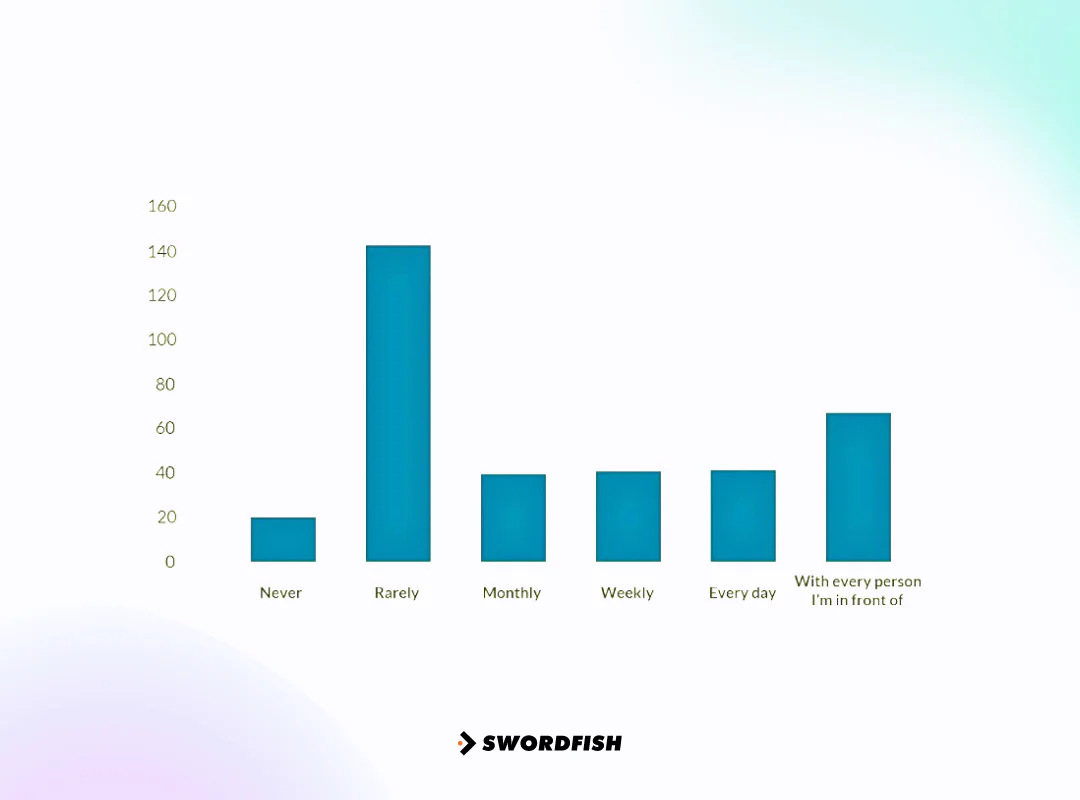
Prospecting strategies for financial advisors can benefit heavily from this approach, and the same logic applies to healthcare vendors. The best time to ask for a referral is right after a sale closes. Staying in touch with existing customers matters just as much.
Check in periodically to make sure they’re still happy with your product or service. Set up a casual catch-up, invite them to relevant events, or share useful resources like whitepapers to stay on their radar.
7. Balance Talking and Listening
Research shows that top sales reps spend more time listening than talking, something that matters especially in cold prospecting.

During a cold call, it’s tempting to talk at length about your product’s benefits. Resist that urge.
Instead, make the call interactive. Ask open-ended questions that get the prospect talking. This does two things:
- It makes the prospect feel heard and valued.
- It gives you insights into their specific needs, allowing you to tailor your pitch to their unique challenges and requirements.
8. Use Video to Showcase Your Sales Skills
Video is becoming a standard part of the prospecting toolkit, and it’s worth trying if you haven’t already. This doesn’t mean high-production corporate video. Think simple, honest clips where you introduce yourself, share relevant stats, and make your pitch in a genuine way.
People buy from people, and that comes through on camera. Video is an effective way to engage and educate prospective buyers before they ever get on a call with you.
Moreover, 80% of buyers have bought an app or software after watching a brand’s video. It’s a trend worth paying attention to.
9. Avoid Rushing into Selling
Prospecting is the beginning of the sales process, not the sale itself. It’s about finding and qualifying leads before they enter the funnel. Selling starts only after that groundwork is done.
In modern sales, the priority during prospecting is building the relationship. Push too hard, too early, and you risk pressuring the prospect before trust exists. Establish that trust first, and the techniques you use later tend to land better.
10. Persist with Follow-Ups
Success rarely comes from a single touchpoint. Moving a lead toward a sale usually takes several follow-up emails, calls, and pieces of information shared over time. Prompt follow-up signals reliability and keeps the relationship moving.
42% of buyers say they’re more likely to buy if a sales rep follows up at the time they agreed to. Small gestures, a quick check-in, a thank-you note, a timely proposal, meaningfully improve your odds of closing.
If an email goes unanswered for 24 hours, follow up. Research indicates there’s a 21% chance of getting a reply to your second email if the first goes unanswered.
Prospecting Into Healthcare: A Few Extra Considerations
Reaching physicians, administrators, and clinical decision-makers adds a layer of complexity most B2B verticals don’t have. A few things worth building into your process:
- Contact data goes stale fast. Provider staff turnover, practice mergers, and shifting affiliations mean phone numbers and emails that were accurate six months ago may no longer connect to the right person.
- Compliance shapes every channel. Outreach involving protected health information carries HIPAA obligations, and even general promotional emails and calls need to respect opt-out rules and applicable state anti-spam laws.
- Multichannel outreach performs better than single-channel blasts. Pairing email with LinkedIn and a well-timed phone follow-up tends to outperform relying on one channel alone, particularly for higher-value healthcare deals.
- Precision beats volume. A smaller list of verified, well-matched provider contacts generally converts better than a large list padded with outdated or generic entries.
Utilizing Swordfish AI for Effective Sales Prospecting
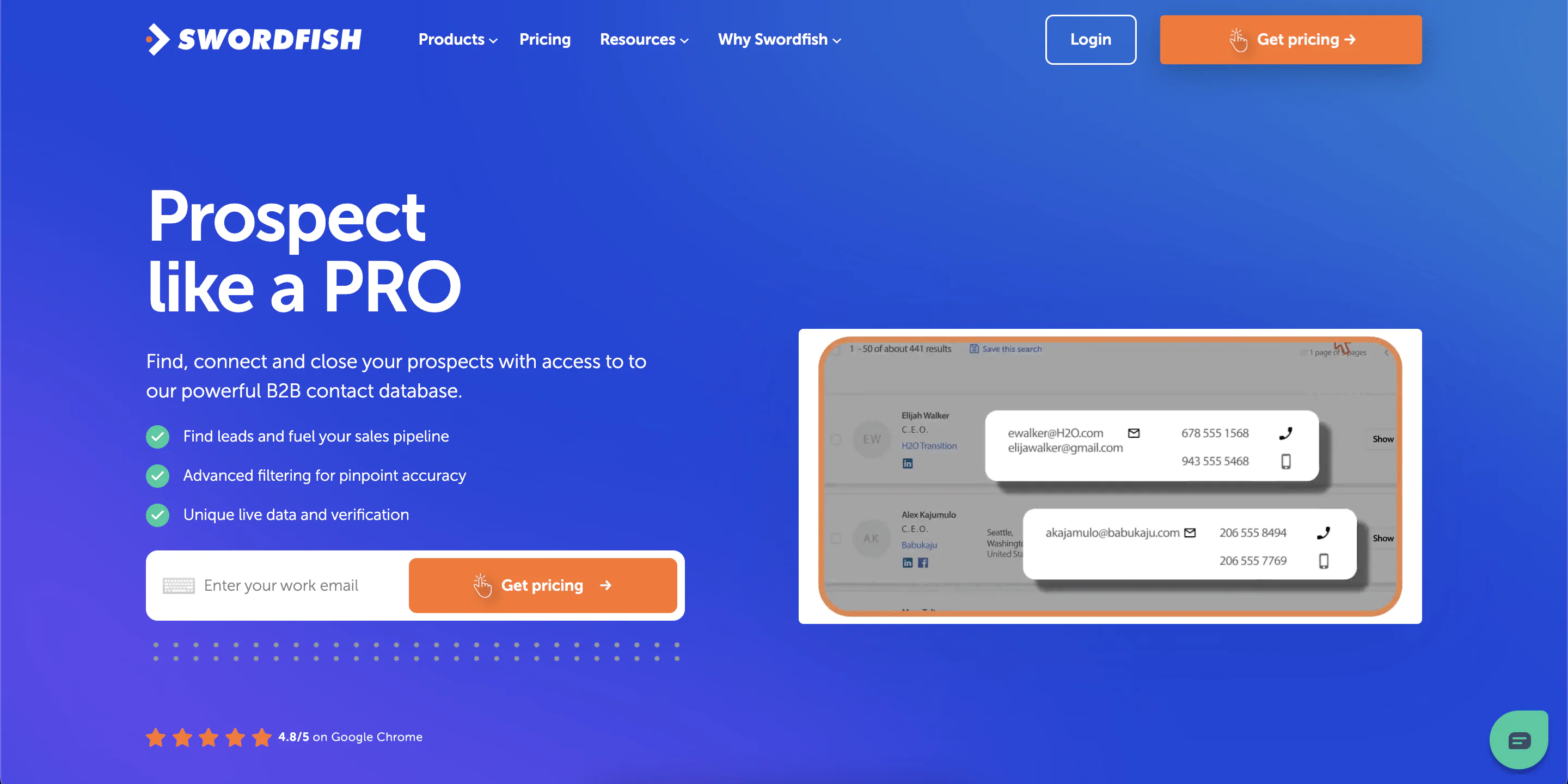
At Swordfish AI, we’re built around a proprietary cell phone verification system and a distinct feature of providing a unique cell phone number for each user. This makes Swordfish a solid choice for cold-calling strategies.
Our extensive database includes over 3.5 billion data profiles, allowing you to identify and connect with potential clients efficiently.
The platform is built to be straightforward to use, so you can spend more time on the parts of the job that actually require judgment, building relationships and closing deals.
Features of Swordfish AI
Here are the features to help you in prospecting —
-
Reverse Search
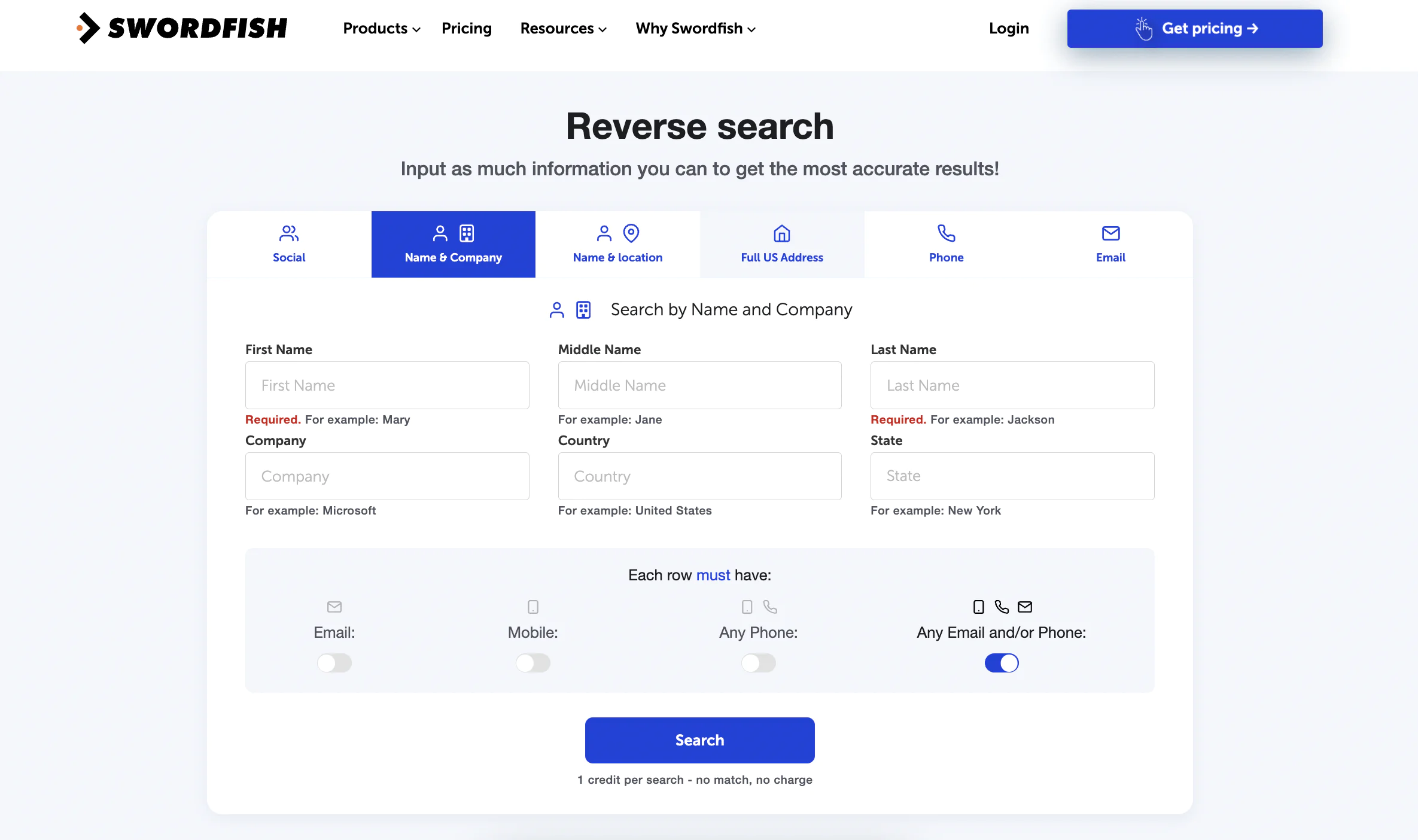
Swordfish AI offers a reverse search feature, allowing you to find extensive contact information using limited data like name, email, company, phone, or social profile.
-
Bombora® Intent Data
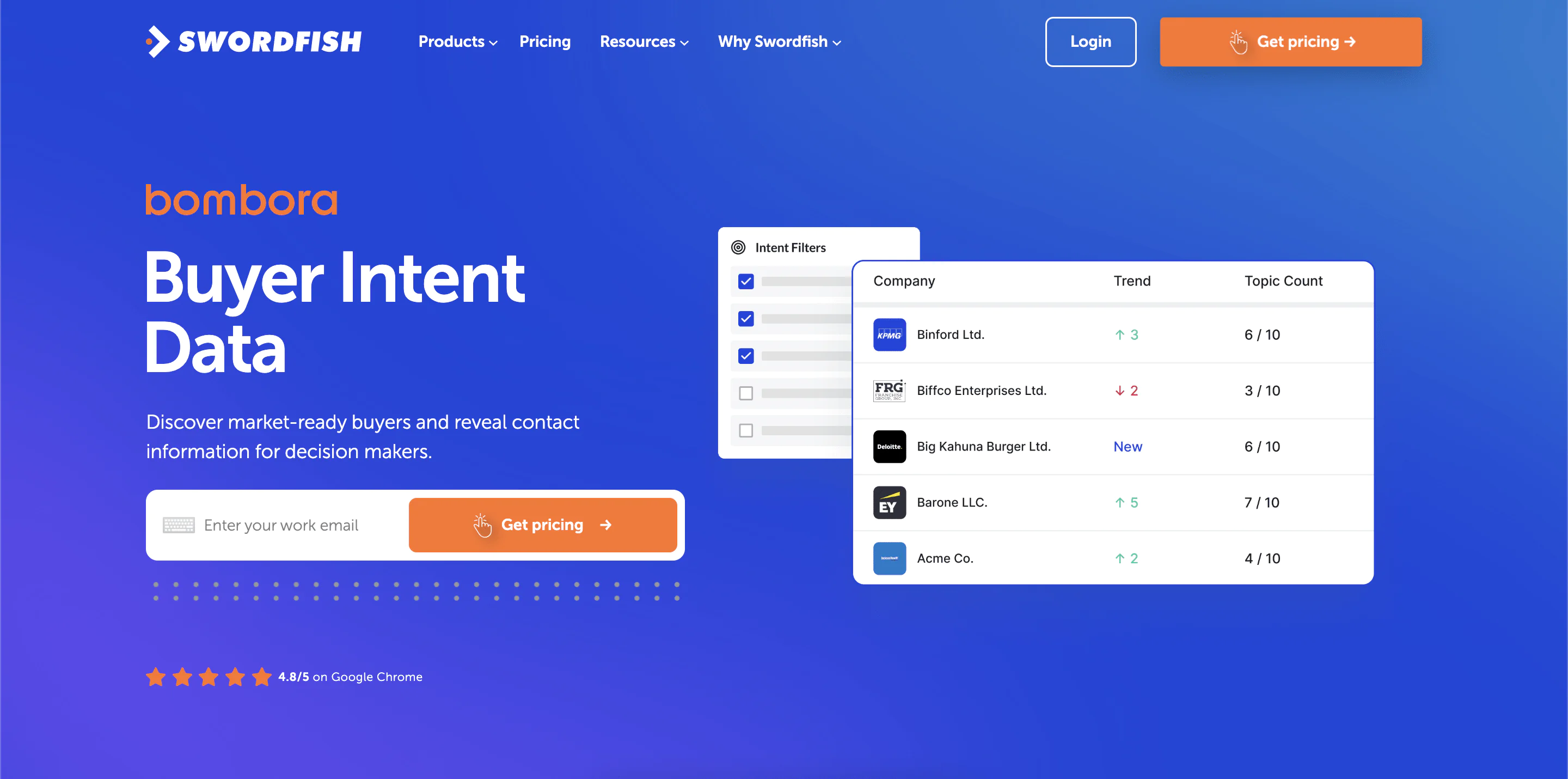
The platform is set to integrate Bombora® Intent Data, enabling you to discover businesses ready to buy your product with buyer intent data.
-
Prospector Tool
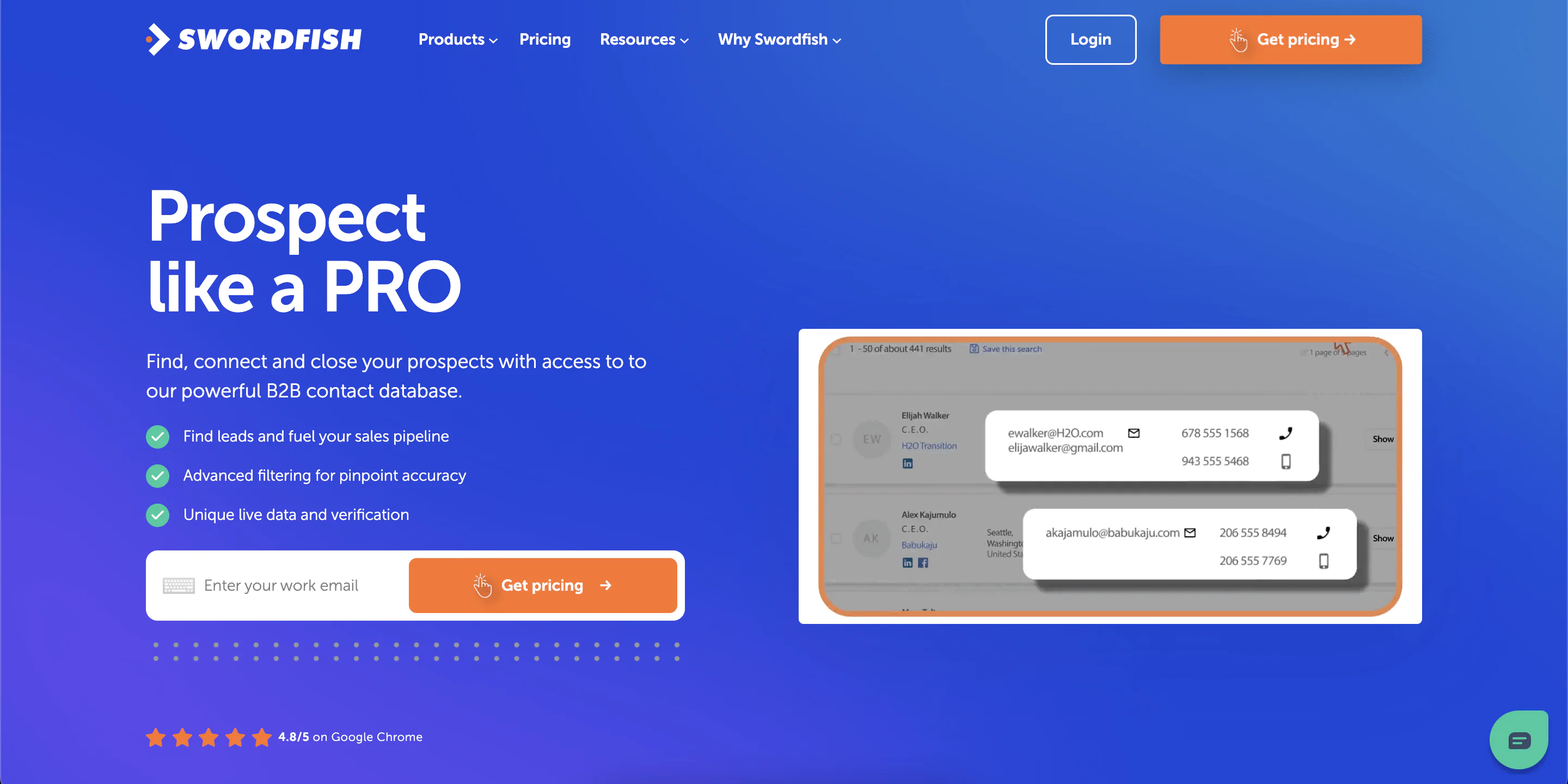
Swordfish AI’s Prospector tool allows you to prospect and fuel their sales pipeline in bulk, generating leads with advanced filters and suppression.
-
Extensive Network Partnerships
The platform connects with over 200 network partners, ensuring access to the most accurate and updated contact information globally.
-
Chrome Integration for Data Extraction
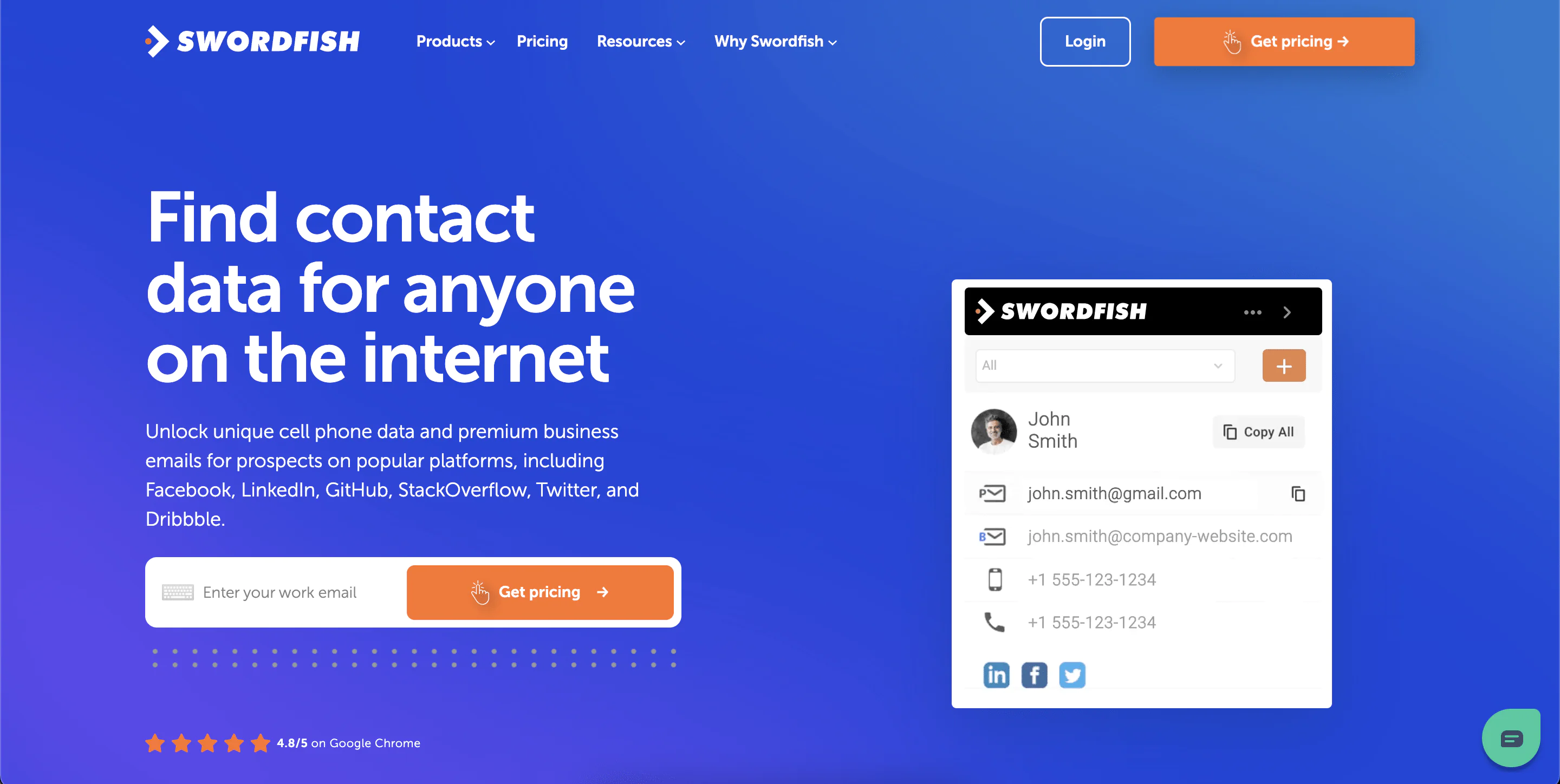
You can easily integrate Swordfish AI with Chrome to extract contact information from platforms like Facebook, LinkedIn, GitHub, and through Bing and Google searches.
 Try Swordfish Ai
Conclusion
We’ve covered the core prospecting strategies: the value of social media, understanding what customers actually want, and using better tools to find and verify contacts. B2B marketers and salespeople need all of this to compete in a crowded market.
Staying current with tailored communication and data-driven targeting is what separates prospecting that works from prospecting that wastes time. The landscape keeps shifting, and the strategies above are a starting point, not a finish line.
If you want to put these methods into practice with better contact accuracy behind them, try Swordfish AI to strengthen your prospecting workflow.
Frequently Asked Questions
What are the 5 P’s of prospecting?
The prospecting process breaks down into five key elements: purpose, preparation, personalization, perseverance, and practice.
Why is prospecting so hard?
Prospecting can be tough, often due to a lack of necessary tools and resources. Salespeople might struggle to find and connect with potential customers without these aids. Despite these challenges, prospecting remains a vital part of the sales cycle.
What is intelligent prospecting?
Intelligent prospecting involves using advanced tools and methods to enhance sales outreach. It helps in accurately identifying ideal prospects, improving engagement strategies, and increasing the effectiveness of sales efforts.