
 View Products


Key takeaways
- Lead generation attracts and captures potential customers, while prospecting involves researching, qualifying, and contacting them.
- Lead generation often uses content, landing pages, and webinars; prospecting often uses personalized calls, emails, and social outreach.
- Qualification helps teams focus prospecting on leads that fit their target criteria.
- A CRM can help teams record interactions and track progress through the sales process.
- Businesses with broad audiences may prioritize lead generation, while teams selling high-value offerings to specific accounts may emphasize prospecting.
- Combining both activities can help teams attract new contacts and engage potential customers more selectively.
Last updated: September 3, 2026
Filling a healthcare sales pipeline takes more than sending emails and hoping for replies. Whether you’re selling to hospital systems, group practices, or medical device buyers, the split between lead generation and prospecting decides how efficiently your team fills that pipeline. In fact, 87% of marketing and sales professionals say collaboration between the two functions is critical for business growth. Yet many healthcare-focused teams still treat lead generation and prospecting as interchangeable, which leads to wasted outreach and missed quota.
Lead generation involves attracting and converting prospects, which is ideal for broad customer base building. Prospecting is identifying and contacting potential customers, great for personalized engagement. Both are key for a comprehensive sales strategy and higher conversion rates.
This article defines lead generation and prospecting, explains common challenges in each, and outlines how to combine them in healthcare and other regulated, relationship-driven markets.
Prospecting vs Lead Generation: Comparison Table
Lead generation and prospecting are related but distinct parts of sales and marketing. This table compares their typical definitions, approaches, and goals.
| Aspects | Prospecting | Lead Generation |
|---|---|---|
| Definition | Actively searching for potential customers who fit the ideal customer profile. | Attracting and capturing the interest of potential customers. |
| Process | Involves researching and targeting individuals or businesses that align with your ideal customer profile. | Identifies target audience, determines effective channels, and creates compelling content and offers. |
| Approach | Proactive, targeted outreach to identify potential customers. | Captures potential customers’ interest and contact information through marketing tactics. |
| Focus | Identifying and qualifying prospects who have the potential to become paying customers. | Generating valuable leads that have the potential to become paying customers. |
| Methods | Cold email, cold calling, cold social media outreach. | Content creation, landing page optimization, social media strategies. |
| Communication | Two-way communication, focusing on the customer. | One-way communication, focusing on the product. |
| Engagement | Personalized and one-to-one engagement. | Little immediate engagement beyond automated responses. |
| Tools | Utilize tools like CRM for personalization and tracking. | Employs lead prospecting tools for managing leads and nurturing. |
| Outcome | Building relationships with prospects, opening the way for future sales opportunities. | Continuous optimization and refinement to drive business growth. |
What is Lead Generation?
Lead generation is a way for businesses to create interest in their products or services. It’s about finding potential customers, known as leads, and getting them interested in what the business offers. This process has changed a lot recently, especially with new online and social media methods.
The main goal of lead generation is to help companies find people who might buy their products or services. In fact, approximately half of their budget is allocated to lead generation by 53% of marketers.
Businesses often collect contact details through a form, then use marketing to nurture leads toward a purchase. For healthcare vendors, this may include gated content for practice administrators, clinical directors, or procurement staff. Decision-making authority and compliance considerations can vary by role.
Key Challenges in Lead Generation
HubSpot highlights that generating leads is a key focus for marketers. Why is this important? It’s simple: sales teams are always on the lookout for better and more leads. If a lead doesn’t meet their criteria, they quickly move on. This means that as a marketer, your role is crucial in providing a steady stream of leads.
Before choosing lead generation channels or content, consider these questions:
- What challenges do your potential customers face? What are their main concerns?
- Which platforms do they use? Where do they search for business growth information?
- What type of content resonates with them, and how do they prefer to engage with it?
- What’s their experience on your website? How can you effectively turn a visitor into a lead?
Answering these questions sets you up for success in your lead generation efforts. For a deeper dive into effective methods, explore these proven b2b prospecting strategies that can improve your approach.
Top 5 Lead Generation Tips
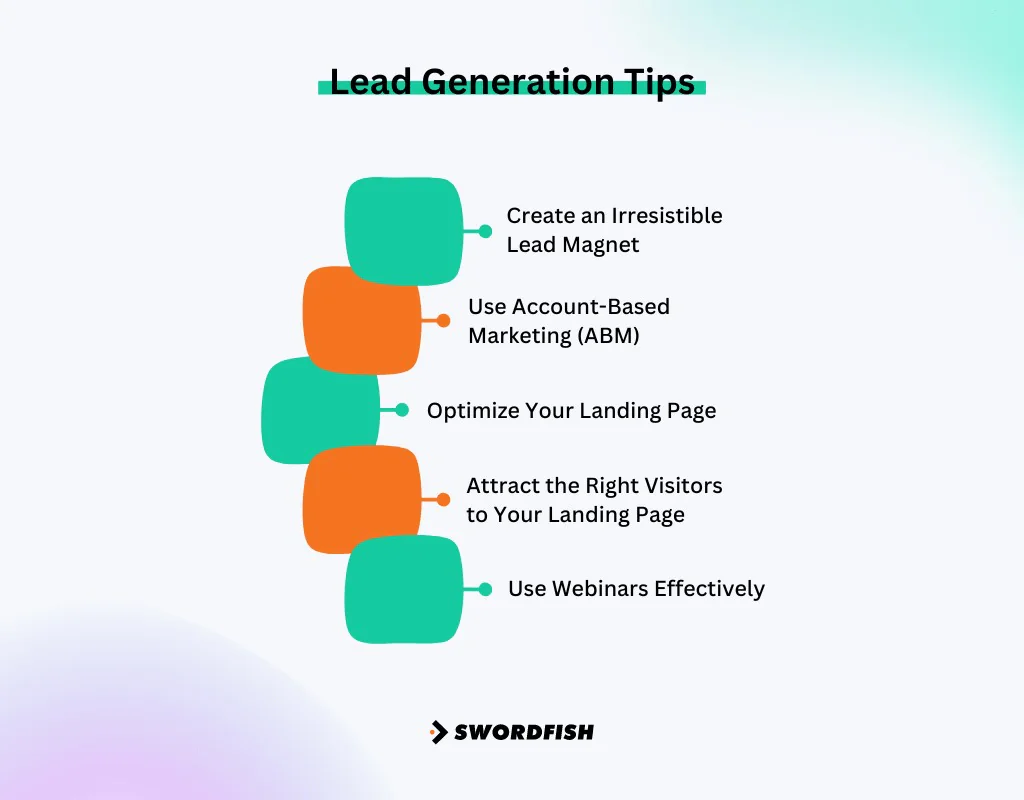
These five tips can help you attract and capture more qualified leads:
Create an Irresistible Lead Magnet
Offer a useful resource in exchange for contact details. In healthcare, examples might include a compliance checklist, a benchmarking report, or a guide to a specific operational challenge.
Use Account-Based Marketing (ABM)
ABM is a highly effective lead generation strategy. It targets specific accounts, making it a focused approach. Plus, 87% of marketers report that ABM gives a higher return on investment compared to other methods.
Optimize Your Landing Page
To make a landing page effective, keep it simple and uncluttered. Clearly explain the value of the offer and make the next step easy to understand.
A landing page should explain what visitors will receive and why it may be useful. Be clear about what information is available before asking visitors to share their contact details.
Attract the Right Visitors to Your Landing Page
Focus on attracting visitors who match your ideal customer profile. Relevant traffic is more likely to engage with a lead magnet and may be more likely to become customers.
Use Webinars Effectively
Webinars can support lead generation by offering useful information to a relevant audience. To plan one, consider:
- Decide who to invite.
- Choose the topics you’ll cover.
- Determine how in-depth you’ll go on each topic.
- Set the length of the webinar.
- Invite guest speakers who are relevant to the topic.
- Pick the right channels to promote your webinar.
- Choose a suitable date and time for the live event.
- Highlight the key points on your registration page.
Planning the audience, topic, format, and promotion can help make a webinar a useful part of a lead generation strategy.
What is Prospecting in Sales?
Prospecting is a part of sales where businesses look for potential customers, called prospects. Here, the goal is to create a list of potential customers and then contact them regularly to turn them into actual customers.
In prospecting, sales teams research and contact potential customers, including people who may not yet know about the company or its products. Common methods include phone calls, email, and social media. In healthcare, outdated or inaccurate contact information can make it harder to reach the right administrator or purchasing contact.
Salespeople talk one-on-one with prospects to understand their needs and offer products or services that meet those needs. A lead generation guide is useful for beginners and experts alike, covering all aspects of lead generation.
Key Challenges in Sales Prospecting
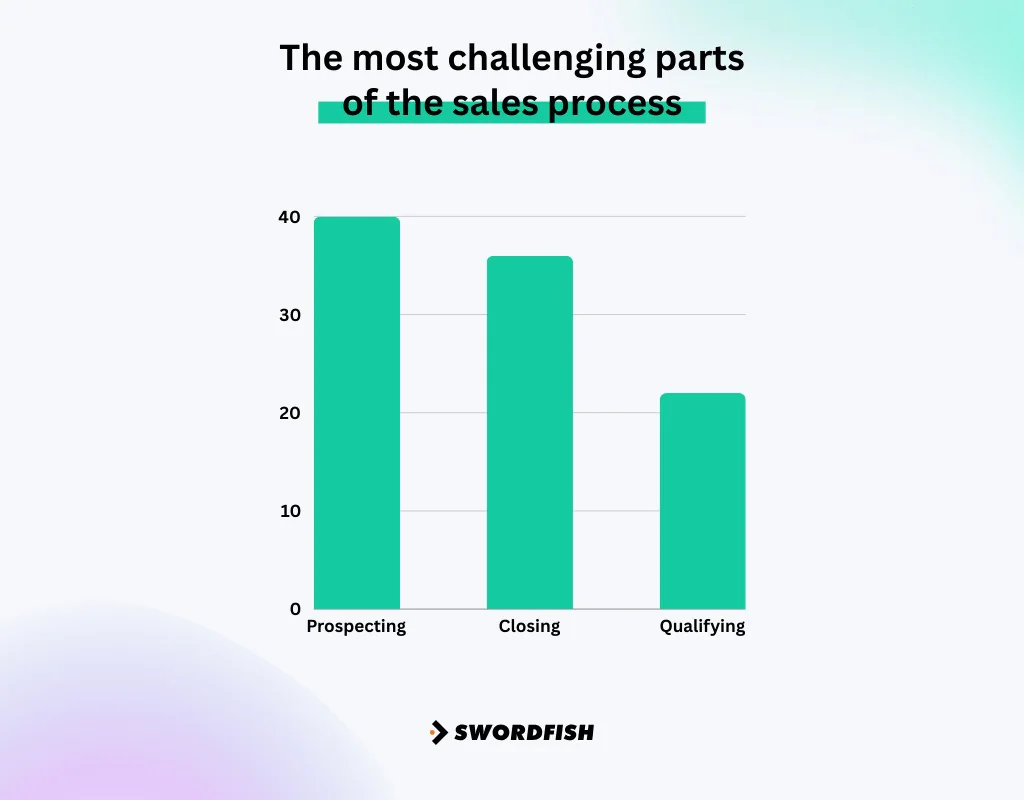
Prospecting is a regular task for salespeople. The 2021 Sales Enablement Report by HubSpot found that 40% of salespeople see prospecting as the toughest part of their job. It’s more challenging than closing deals (36%) and qualifying leads (22%).
Prospecting can be time-consuming because it requires research and tailored outreach. Automated emails alone may not be enough to start meaningful conversations. It can also be difficult to identify and track qualification criteria; in healthcare, organizational structures and purchasing processes may make it harder to identify decision-makers.
Sellers who perform well typically dedicate around 6 hours each week to researching their potential customers. This is where CRM software becomes valuable.
A CRM system stores information about potential customers and records interactions with them. When kept up to date, it can help teams track a prospect’s progress through the sales process.
Top 5 Sales Prospecting Tips
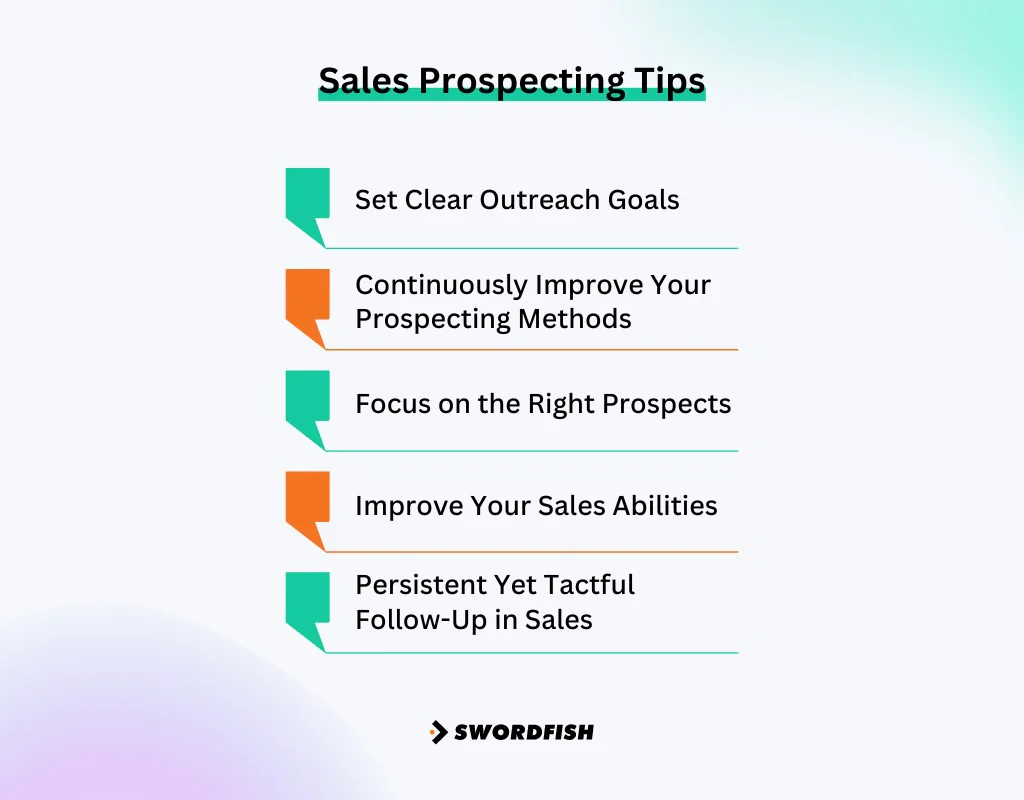
These five tips can help make sales prospecting more focused and effective:
Set Clear Outreach Goals
Set specific daily, weekly, or monthly outreach targets, but focus on the quality and consistency of the process—not only the number of contacts or the final sales result.
Continuously Improve Your Prospecting Methods
Review your outreach to see what is working. Which emails receive replies? Which social media messages prompt engagement? Which calls lead to useful conversations?
Use those insights to refine your approach and identify which outreach tactics help move qualified prospects toward a sales opportunity.
Focus on the Right Prospects
Qualification helps distinguish leads that fit your criteria from those that do not. Prioritize conversations with the best-fit leads, while continuing to respond appropriately to others who may be interested.
Lead scoring uses information such as fit and buying signals to help prioritize leads. To build a basic scoring system, review data from leads who became customers and ask:
- What characteristics did these customers have that led to their purchase?
- What common traits do your customers share?
- What similarities do you see in leads that don’t often convert?
Improve Your Sales Abilities
Sales skills can be developed through practice and learning. Resources such as books, courses, seminars, conferences, and coaching can help you build those skills.
Small, consistent steps can help you improve over time.
Persistent Yet Tactful Follow-Up in Sales
Follow up when it is appropriate, but avoid pursuing someone so persistently that the contact becomes unwelcome. Respect a prospect’s request to stop communicating.
If a prospect shows some interest, keep the follow-up going until they give a definite yes or no. You can simplify your follow-up process with these follow-up email templates, created to keep the conversation going.
To make follow-up more useful:
- Be concise and positive in your communication.
- Make your email subject lines relevant and compelling to them.
- Use automation tools to manage follow-ups efficiently.
You can also revisit lost deals when appropriate. If you have an established relationship, stay in touch in a respectful way; a contact’s budget, timing, or priorities may change.
What are the Reasons for Lead Generation and Prospecting?
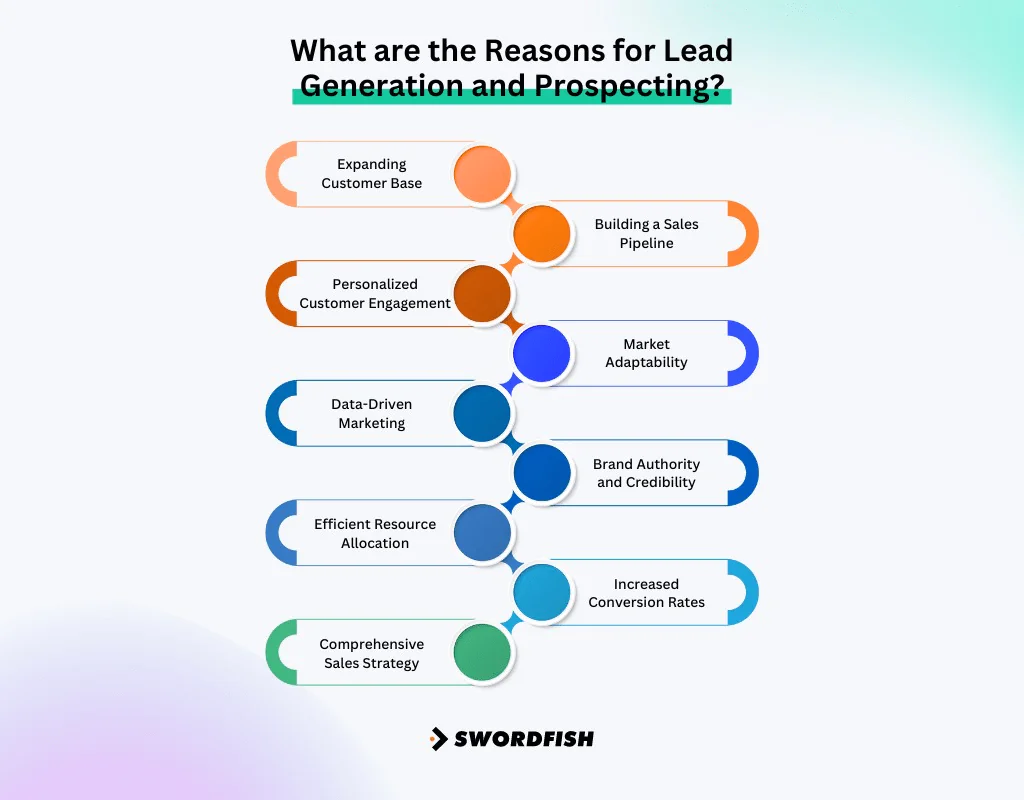
Lead generation and prospecting have different but connected roles: lead generation attracts and captures potential customers, while prospecting involves researching, qualifying, and contacting potential customers.
Expanding Customer Base
Lead generation can help businesses reach a broader audience and introduce potential customers to their products or services.
Building a Sales Pipeline
Both activities can contribute to a sales pipeline. Lead generation attracts and captures potential customers; prospecting helps identify and engage those who fit the target criteria.
Personalized Customer Engagement
Prospecting gives sales teams an opportunity to learn about potential customers’ needs and tailor their communication accordingly.
Market Adaptability
Prospecting conversations can help businesses learn about customer needs and market changes. Teams can use those insights to review their targeting and outreach.
Data-Driven Marketing
Lead generation can provide information about audience interests and engagement. Teams can use those insights to inform their marketing strategies and content.
Brand Authority and Credibility
Useful, relevant lead generation content can help a brand demonstrate its expertise and build credibility over time.
Efficient Resource Allocation
Targeted prospecting can help teams focus their time and resources on potential customers who fit their criteria.
Increased Conversion Rates
Lead generation attracts potential customers; prospecting helps teams assess fit and engage with them. Together, these activities can support progress toward sales.
Comprehensive Sales Strategy
Using both lead generation and prospecting can create a more complete sales approach: lead generation attracts new contacts, and prospecting helps identify and engage potential buyers.
Should You Invest in Lead Generation vs Prospecting?
Whether to prioritize prospecting or lead generation depends on your business model, growth stage, target audience, and sales process.
Prospecting may be a good fit when your business relies on:
- Direct, personalized communication with prospects.
- Long sales cycles with many decision-makers.
- A small company focusing on high-value deals.
In these situations, sales prospecting can help you focus on specific potential customers and tailor messages to their organization, role, and challenges. This approach may suit healthcare technology and services vendors whose sales involve multiple stakeholders and procurement processes.
Lead generation may be a good fit when:
- Your product appeals to a wide audience.
- Your strategy is to let the product sell itself.
In these cases, lead generation can help reach a broader audience, particularly when the product or service appeals to many potential customers.
The urgency of your sales needs and the state of your pipeline also matter. Prospecting may produce direct conversations sooner, while lead generation often takes time to build and nurture an audience. Both can contribute to a steady flow of potential customers.
Combine Sales Prospecting vs Lead Generation for Optimal Results!
To combine lead generation and prospecting, coordinate targeting, messaging, and follow-up across both activities:
- Understand Your Ideal Customer: Know who your perfect customers are. This means learning about their traits, behaviors, and problems. This knowledge guides your prospecting and lead generation.
- Tailor Your Approach: Match your outreach to your ideal customer profiles. Change your messages, content, and methods to connect better with potential leads.
- Use Various Channels: Reach out through different ways like email, phone, social media, and webinars. Each channel has its strengths, like personal touch (phone) or wide reach (social media). Using a mix helps you meet different preferences of your potential leads.
- Use a CRM System: A Customer Relationship Management system helps you keep track of prospects and leads. It stores all information and interactions, giving you a complete view of each lead’s journey. This helps you make better decisions and follow up in a more personalized way.
- Prioritize with Lead Scoring: Use a system to score your leads. This helps you focus on the most promising ones.
- Keep Engaging with Leads: Use a lead nurturing system to keep in touch with leads until they’re ready to buy. Regular, relevant content keeps your brand in their minds.
Avoid These Common Mistakes
Avoid these common mistakes when planning lead generation and prospecting:
In Lead Generation —
Don’t Skip Lead Qualification
Without a clear qualification process, your team may spend time on leads that do not fit your target criteria.
Keep Nurturing Your Leads
Without relevant follow-up, leads may lose interest or forget about your products or services.
Use Multiple Channels
Relying on only one or two lead generation channels can limit your reach and make you more dependent on those sources. Consider using a mix of suitable methods and platforms.
In Prospecting —
Personalize Your Approach
Sending the same message to everyone can make outreach feel irrelevant. Tailor messages to each prospect’s role, interests, and needs.
Do Your Research
If you do not understand your target audience, your outreach may not address their needs or interests.
Avoid Being Too Aggressive
High-pressure tactics and excessive follow-ups can harm trust. Keep outreach respectful and stop when someone asks not to be contacted.
Swordfish AI: Simplifying Lead Generation and Prospecting
Lead generation and prospecting are two key aspects of sales and marketing. And Swordfish AI stands out as a tool that simplifies both these processes for teams selling into healthcare and other industries where accurate contact data is hard to find. Our platform stands out with a unique feature: access to exclusive cell phone numbers coupled with a proprietary cell phone verification system.
It’s particularly beneficial for sales teams focusing on targeted prospecting, allowing for personalized engagement and efficient outreach. Additionally, Swordfish boasts access to over 3.5 billion data profiles, providing a vast database of contact information.
Swordfish AI states that its contact database can support lead generation by helping marketers find contact information. Its tools are also presented as supporting prospecting and outreach. Verify product capabilities, data coverage, and permitted uses before relying on them.
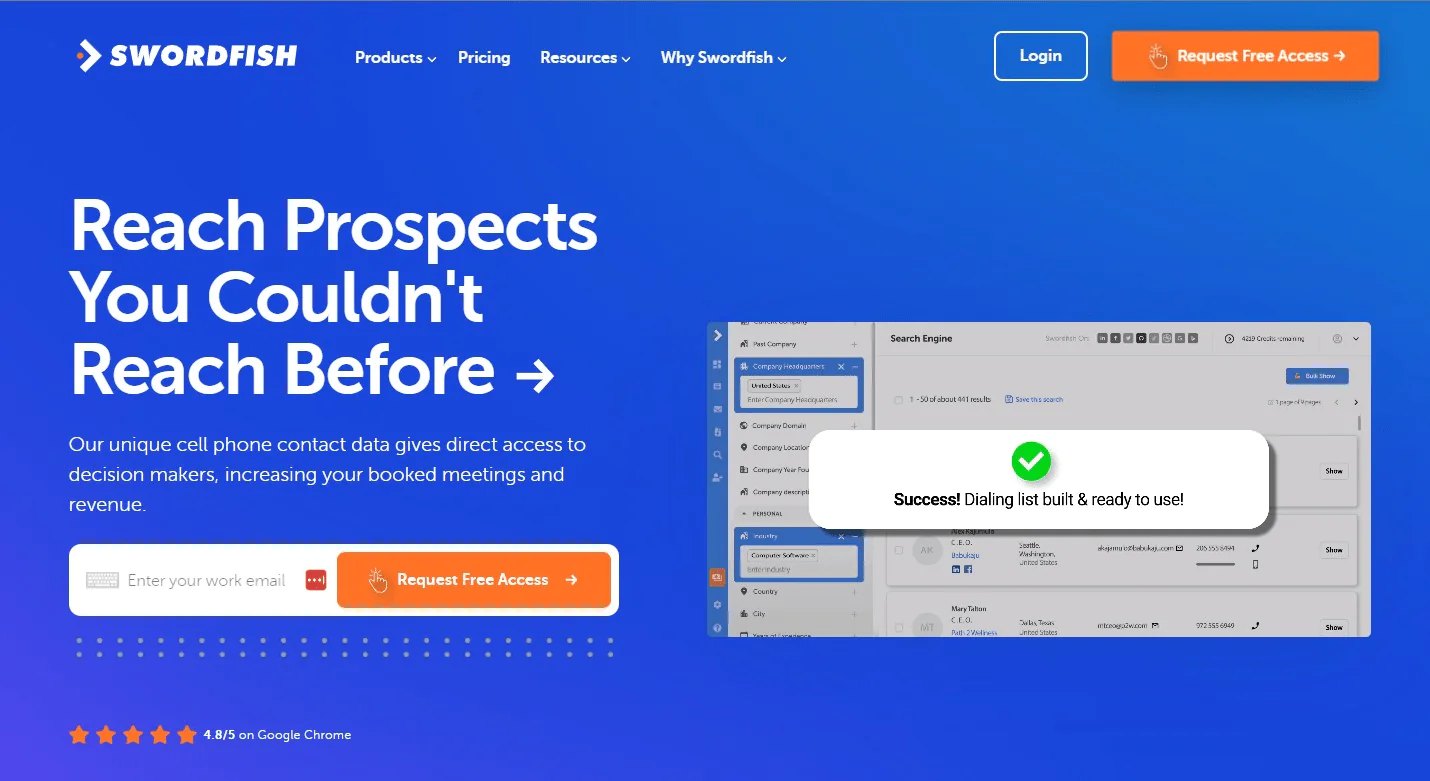
Features of Swordfish AI
The article describes these Swordfish AI features:
Chrome Extension
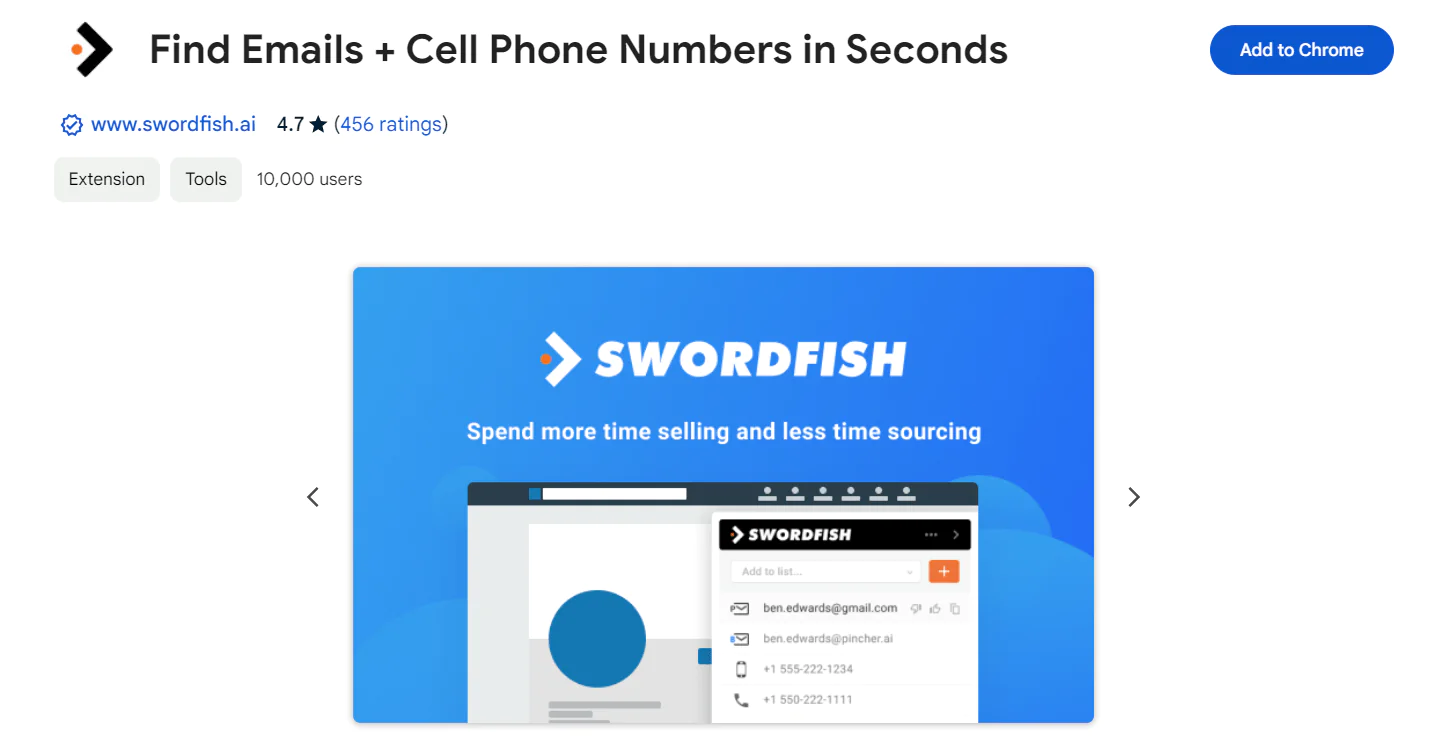
The article says the Chrome extension can help users find contact details on websites such as LinkedIn and Facebook. Check the tool’s current capabilities and the applicable platform terms before use.
Prospector Tool
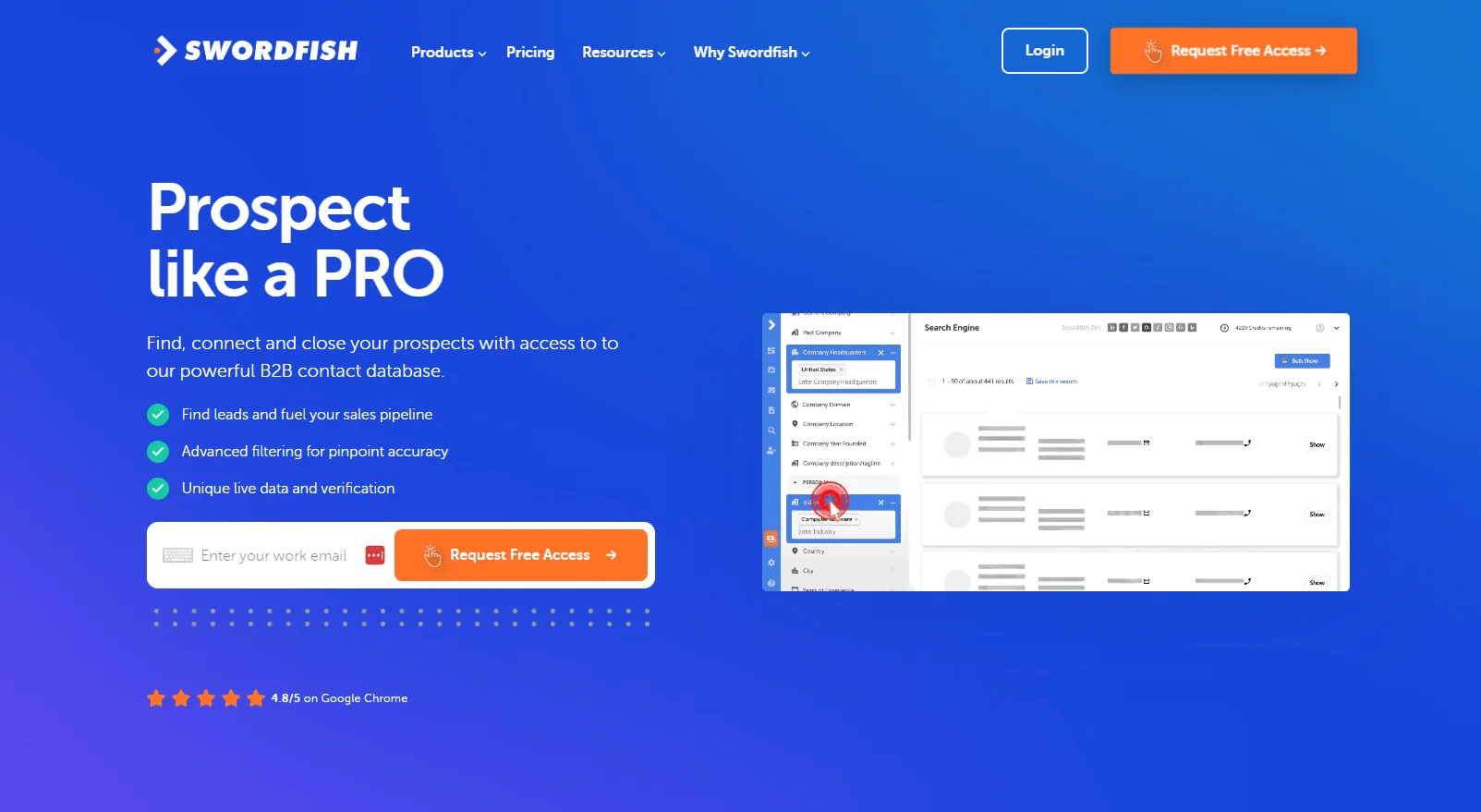
With the Prospector tool, you can find potential customers like an expert. It helps build your list of contacts for calls and emails quickly and accurately.
File Upload for CRM
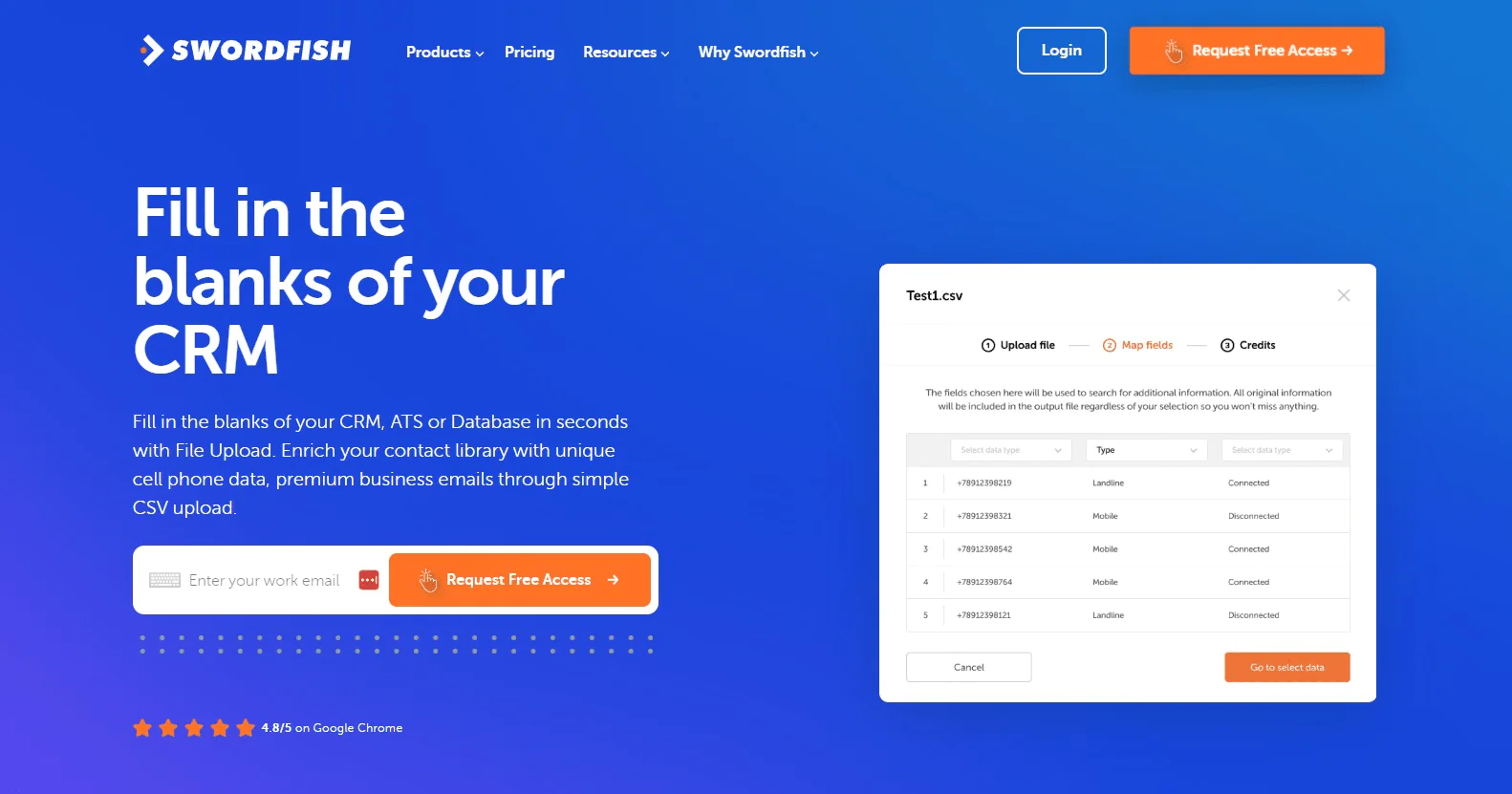
You can upload a file to Swordfish AI, and it will add any missing phone numbers and emails. This improves your customer data.
Reverse Search
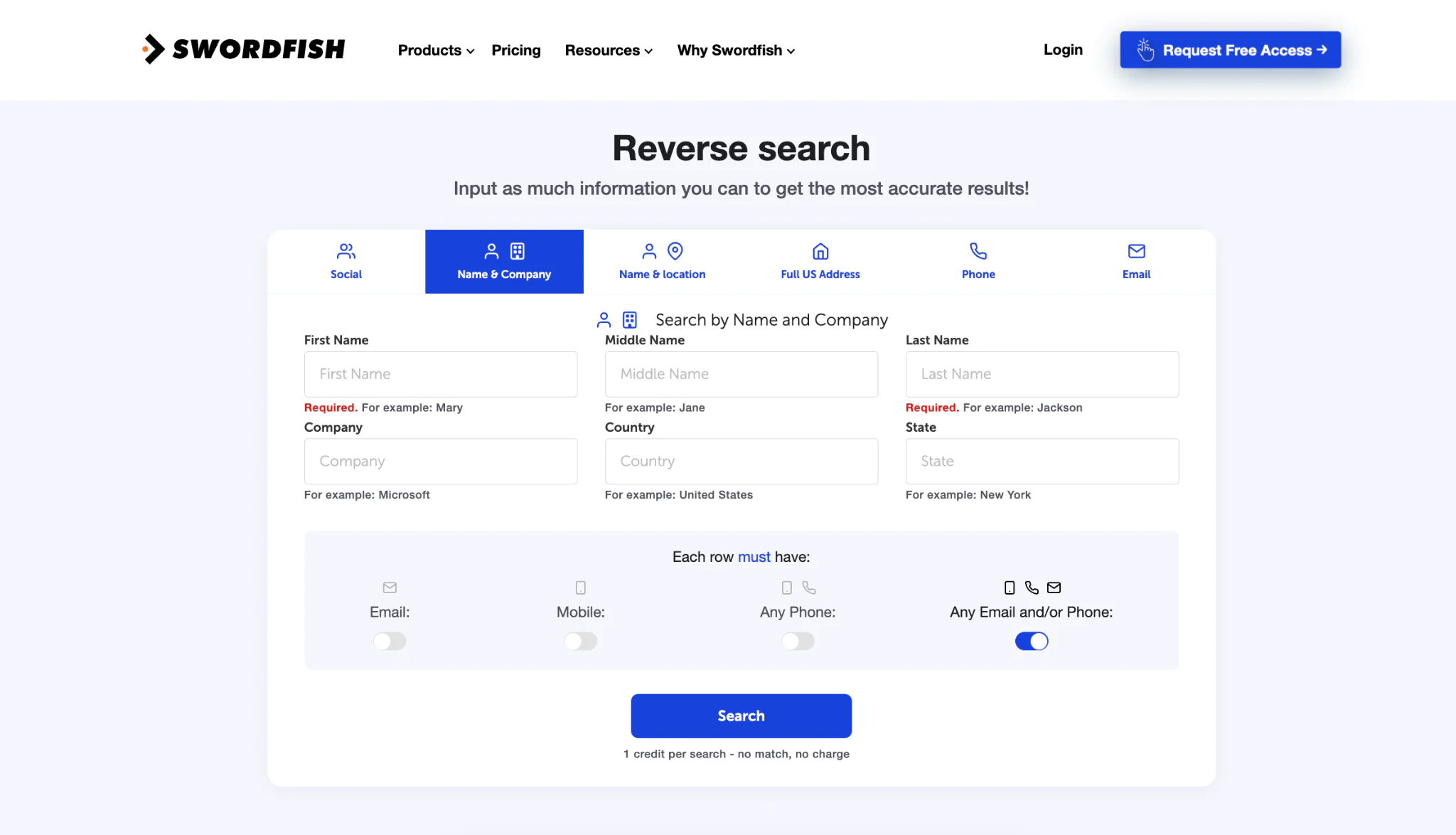
The article describes Reverse Search as a way to look for people using details such as a name, company, or email address.
API Integration
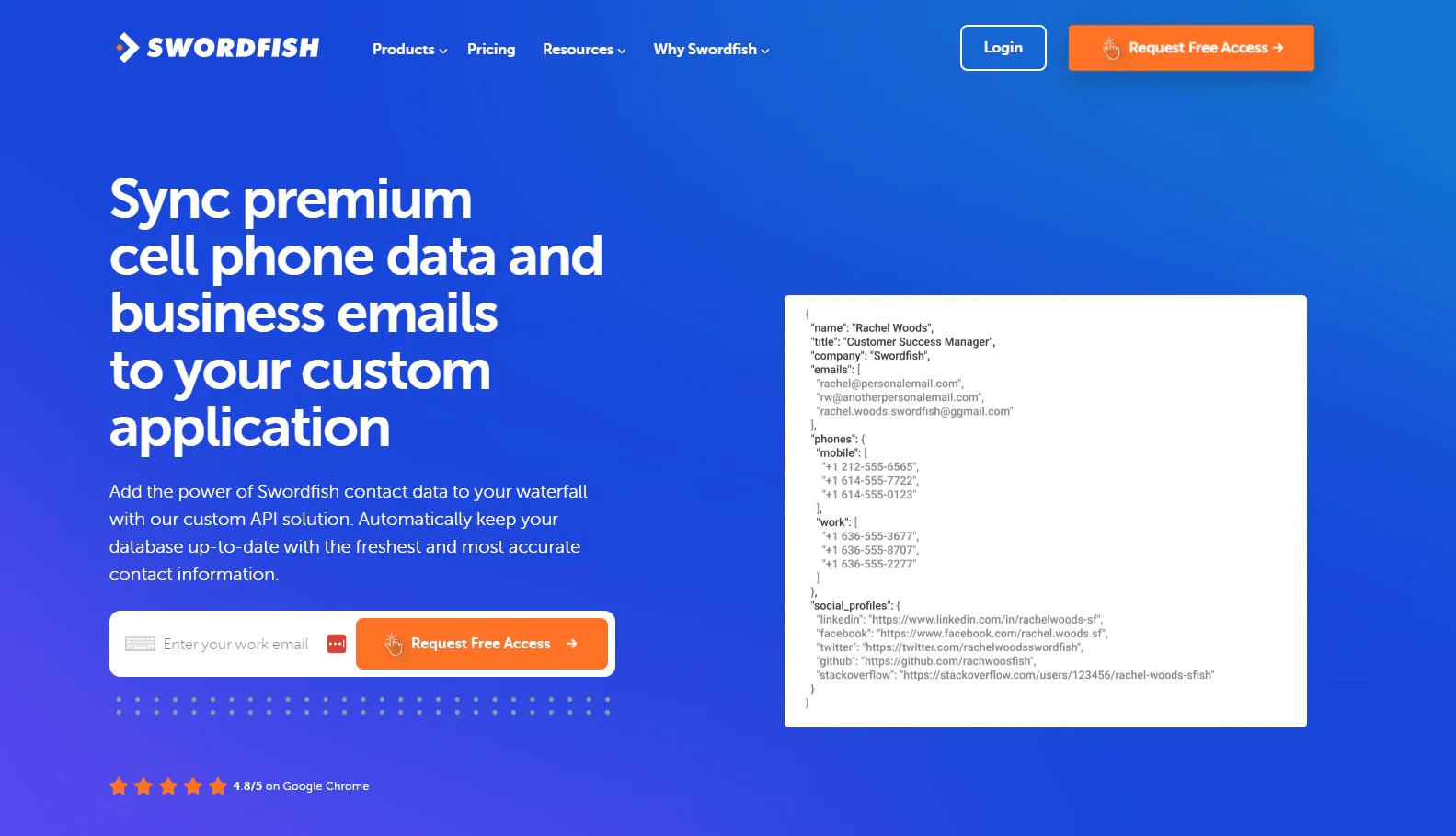
The article says Swordfish AI offers an API that can connect with other software and provide data. Check the current product documentation for integration details.
Bombora® Intent Data
The article describes Bombora intent data as a way to identify businesses showing potential interest. Intent signals do not establish that a business is ready to buy.
 Try Swordfish Ai
Conclusion
Lead generation and prospecting are distinct but related activities. Understanding their roles can help teams plan how they attract, qualify, and engage potential customers.
Lead generation attracts and captures potential customers; prospecting involves researching, qualifying, and contacting them. A sales plan can use both: lead generation broadens the audience, while prospecting supports more targeted engagement.
Review your sales approach and decide where lead generation or prospecting needs more attention. The right balance depends on your audience, sales process, and pipeline needs.
With Swordfish AI, you can discover contacts and generate leads efficiently. Start connecting with key decision-makers today with Swordfish AI!
FAQs
Is a prospect the same as a lead?
A lead is someone who might be interested in your product but hasn’t been evaluated yet. In contrast, a prospect is a lead who has been checked and fits into your sales process. To change a lead into a prospect, you need to see if what you offer can solve their problem.
What is the first step before finding a prospect?
In the sales cycle, you start with leads, then identify prospects, turn them into opportunities, and finally, make them customers. Remember, not all leads become prospects, and not every prospect begins as a lead.
Which comes first, a prospect or a lead?
Leads are the first step. They are potential customers. After you check if a lead is a good fit, they become a prospect. When a prospect shows real interest in buying, they turn into an opportunity and move further in the sales process.