
 View Products


Last updated: September 3, 2026
B2B SaaS companies are constantly hunting for repeatable ways to bring in new customers, and the pressure hasn’t let up. Software categories shift fast, buyers get pitched constantly, and standing out takes more than a good product page.
B2B SaaS lead generation, at its core, is about finding the right prospects and reaching them with something relevant. It isn’t advertising for advertising’s sake. It’s understanding what a business actually needs and showing them a solution that fits.
Below, we break down what makes SaaS lead generation different from other B2B categories, the lead types you’ll encounter, and practical tactics and tools that hold up in a crowded market.
What is B2B SaaS?
B2B SaaS, or Business-to-Business Software as a Service, gives businesses cloud-based software without traditional on-premise installation. That model brings flexibility, easier scaling, and lower upfront costs compared to legacy software purchases.
The market stood at USD 113.82 billion in 2020 and USD 130.69 billion in 2021, and is expected to grow from USD 130.69 billion in 2021 to USD 716.52 billion in 2028 at a CAGR of 27.5%, according to Fortune Business Insights.
Despite economic headwinds over the past few years, demand for SaaS has held up, and organic search continues to drive a meaningful share of traffic to SaaS websites. Page speed and overall user experience still directly affect whether that traffic converts.
The takeaway: B2B SaaS success depends on tailoring the product story to specific business needs while keeping the buying and onboarding experience frictionless.
Types of SaaS Leads
Before building a lead gen strategy, it helps to know which stage of the funnel you’re actually working with. There are four common lead types in SaaS.
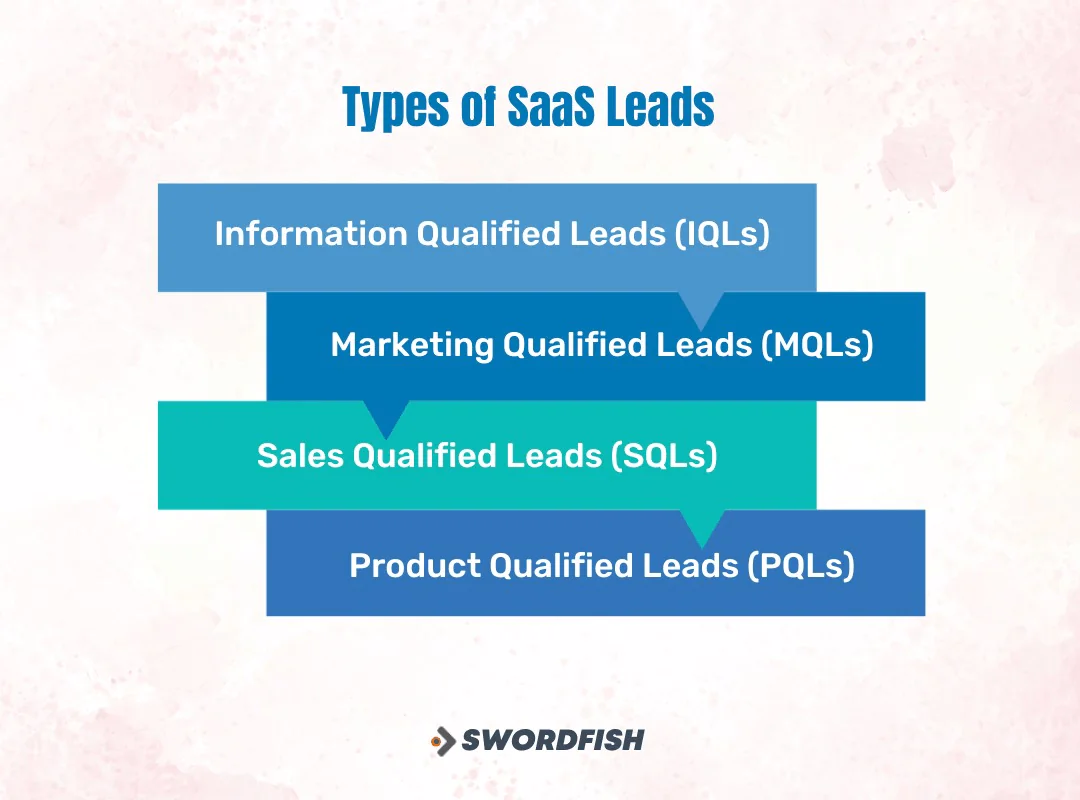
Information Qualified Leads (IQLs)
These are people or businesses at the very start of the buyer’s journey. They’ve downloaded a whitepaper or signed up for a newsletter, but they may not know much about your specific product yet.
Marketing Qualified Leads (MQLs)
MQLs have engaged more deeply with your content and shown genuine interest in what you offer. They might have attended a webinar, filled out a contact form, or interacted repeatedly with your campaigns.
Sales Qualified Leads (SQLs)
SQLs are leads the sales team has judged ready for a direct conversation. They’ve shown a clear interest in your product and look like realistic customers. Lead scoring models are the usual way teams decide whether a lead has crossed into SQL territory.
Product Qualified Leads (PQLs)
PQLs have already used a free trial or freemium version of your product and are weighing an upgrade. Because they’ve experienced the product firsthand, they tend to convert at a higher rate than leads who’ve only seen marketing content.
Note: Try read more about email finder.
What Makes SaaS Lead Generation Different?
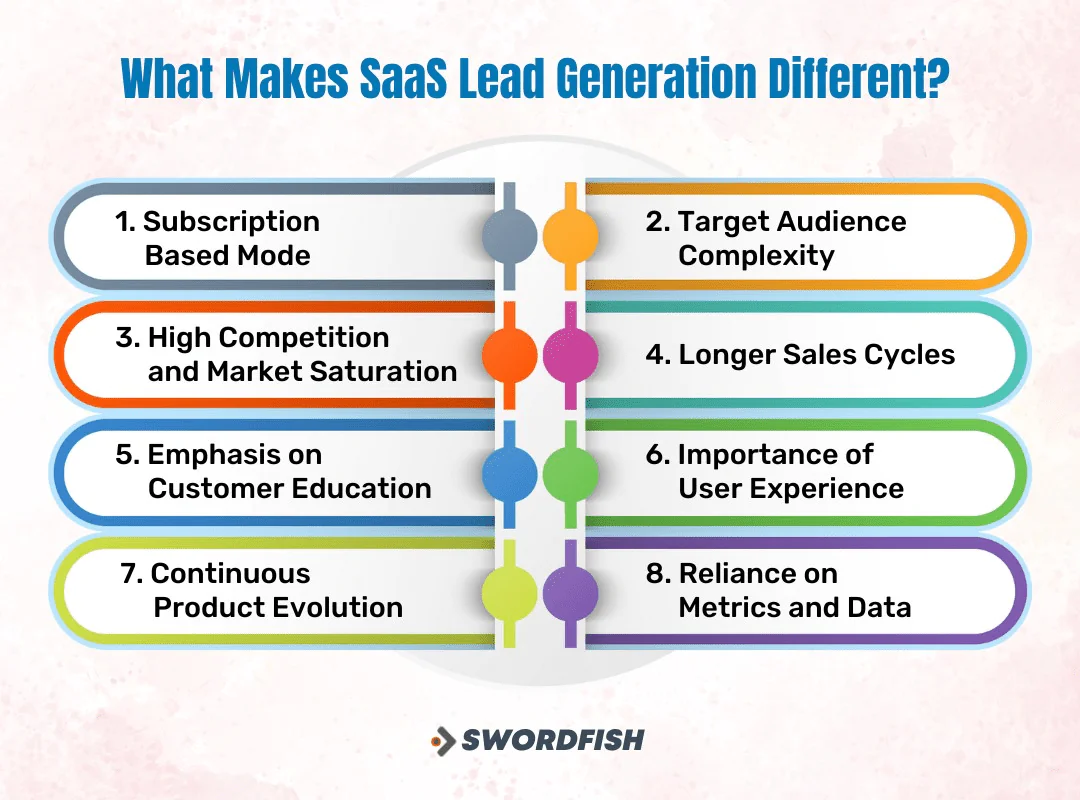
SaaS lead generation runs on different rules than lead gen for physical products or one-time services. Here’s why.
1. Subscription-Based Model
SaaS runs predominantly on subscriptions, which changes the entire relationship between vendor and customer. Instead of a single transaction, the goal is ongoing engagement, so lead generation can’t stop the moment a deal closes. Nurturing has to continue after the sale to protect renewals.
2. Target Audience Complexity
SaaS serves everyone from solo freelancers to enterprise IT departments. That range forces a more segmented approach to lead generation, where messaging and channels need to match the specific needs of each audience slice rather than a single generic pitch.
3. High Competition and Market Saturation
Low barriers to entry mean many SaaS vendors offer near-identical solutions. Differentiation has to come through both product and marketing, with a clear, specific value proposition that explains why your tool beats the alternative sitting in the same category.
4. Longer Sales Cycles
Enterprise SaaS deals involve real budget and real risk, so buyers take their time testing demos and checking fit. That extended evaluation period means lead nurturing is a marathon, not a single email sequence. Consistent, useful follow-ups keep a deal warm through a long decision process.
5. Emphasis on Customer Education
Technical products need technical explanation. Buyers need to understand not just how to use the software but what problem it solves and why that matters to their business. Webinars, tutorials, and detailed content marketing carry a lot of that educational weight.
6. Importance of User Experience
A clunky product experience can undo months of lead nurturing. If the software is hard to use or doesn’t match what was promised, churn follows quickly. Lead generation has to set accurate expectations about usability and features, not oversell them.
7. Continuous Product Evolution
SaaS products change constantly through updates and new features. Lead generation messaging needs to stay current, and existing customers need to be re-engaged with what’s new so they see continued reason to renew.
8. Reliance on Metrics and Data
SaaS businesses run on numbers: Monthly Recurring Revenue, Customer Acquisition Cost, Churn Rate. Lead generation strategies need regular review against these metrics, not a set-it-and-forget-it approach, if the goal is real ROI.
Top 6 Ways to Generate B2B SaaS Leads
Generating B2B leads takes a deliberate, layered approach. Here are the channels that consistently deliver.
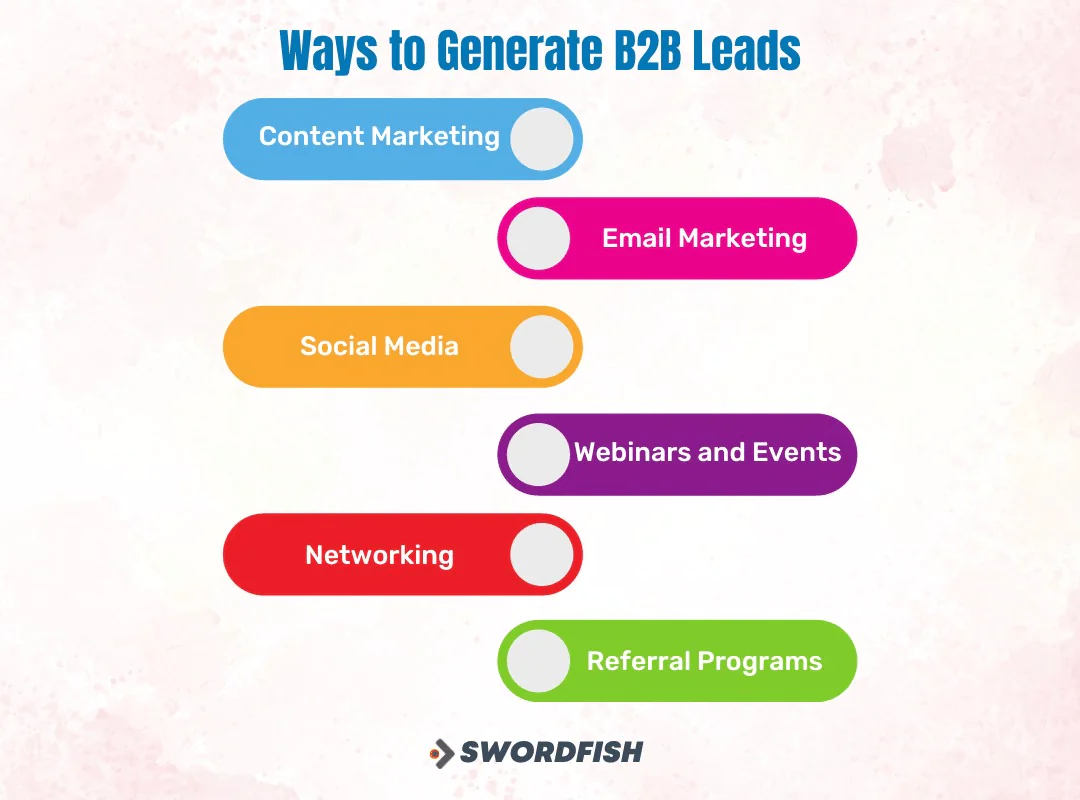
Content Marketing
Content marketing works when it provides real value rather than just filling a publishing calendar. Blog posts, whitepapers, webinars, and videos that address specific buyer pain points build trust and position your business as credible in its space. Most marketing teams already lean on this channel heavily, and a large share tie its performance directly to sales outcomes. Keeping content current matters as much as producing it in the first place.
Note: Try read more about Intent data providers.
Email Marketing
Email, with an average open rate of 21.33% across industries, remains one of the most direct ways to reach potential clients. The goal isn’t volume, it’s relevance: timely, targeted messages that match where a prospect actually is in the funnel. Newsletters keep an audience informed, product update emails highlight new value, and personalized outreach makes a recipient feel like more than a line item on a list.
Social Media
Platforms like LinkedIn, Twitter, and Facebook aren’t just for socializing anymore. As of 2021, 69% of Americans use Facebook, with the overwhelming majority accessing it on mobile, and B2B buyers increasingly research vendors on these channels before ever filling out a form. Maintaining an active, substantive presence, sharing industry news, and joining real conversations extends reach well beyond paid placements. It also gives prospects a window into company culture and values.
Webinars and Online Events
Webinars, which typically see attendance rates in the 40-50% range, do double duty. They position your business as a subject-matter authority while pulling in leads who are already interested in the topic. According to LogMeIn survey data cited industry-wide, a majority of B2B marketers and sales leaders consider webinars one of the strongest tools for generating high-quality leads, in part because they remove geographic limits on who can attend.
Networking
Digital channels dominate B2B SaaS marketing, but face-to-face interaction still carries weight. A meaningful share of professionals say they trust in-person networking more than online contact alone. Conferences, workshops, and industry events give you a chance to understand a prospect’s needs directly and answer questions in real time, which builds a different kind of trust than an email thread.
Referral Programs
Existing customers are often your most credible source of new leads, since people trust recommendations from people they know far more than they trust ads. A structured referral program that incentivizes current customers to recommend your product can be one of the more cost-effective lead sources available, because the trust is already built in before the first conversation happens.
7 Best Practices to Improve B2B SaaS Lead Generation
Here are the practices worth building into a consistent lead generation program.
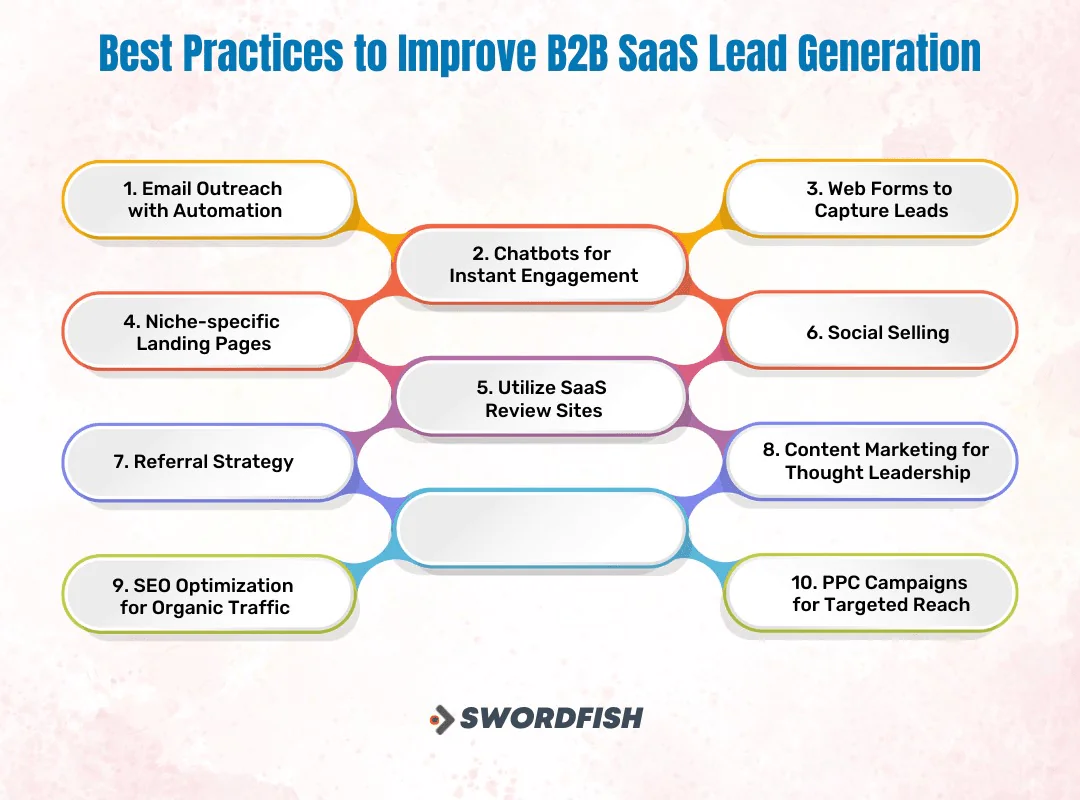
1. Email Outreach with Automation
Email remains a primary communication channel for business professionals, and automation tools extend what a small team can manage. Platforms like Salesmate streamline campaign execution while surfacing analytics on open rates, click-through rates, and conversions, giving you the data to continually refine subject lines, copy, and calls to action.
2. Chatbots for Instant Engagement
Chatbots provide immediate answers and, when connected to a CRM, can capture and categorize leads automatically. Tools such as Salesmate’s Chat Journeys can be configured to walk a visitor from an initial question through to booking a demo without a human touching every step.
3. Web Forms to Capture Leads
Web forms do more than collect names and emails. Paired with analytics, they reveal which content prompts a signup and which landing pages actually convert, giving you a feedback loop to improve both content and design.
4. Niche-specific Landing Pages
Dedicated landing pages, especially ones built around video, testimonials, and a clear CTA, tend to outperform generic ones. A CRM company, for instance, might build separate pages for different industries, each surfacing the features most relevant to that audience.
5. Utilize SaaS Review Sites
Listing on platforms like G2 and Capterra is only the starting point. Actively responding to reviews, addressing concerns publicly, and highlighting strong feedback can meaningfully shift how prospects perceive your product before they ever talk to sales.
6. Social Selling
Social selling goes beyond posting content on a schedule. It means building actual relationships, joining industry-specific groups, and participating in discussions where prospects already spend time. Tools like LinkedIn’s Sales Navigator help identify and track relevant prospects at scale.
7. Referral Strategy
A structured referral program with real incentives for existing customers can meaningfully expand your pipeline, and featuring those referrals in case studies adds another layer of social proof for future prospects.
8. Content Marketing for Thought Leadership
Thought leadership content, articles, whitepapers, case studies, does more than fill a blog. It attracts leads who are actively researching solutions, and webinars or podcasts built around the same themes create direct interaction where you can address pain points as they come up.
9. SEO Optimization for Organic Traffic
SEO determines whether your site shows up when a prospect is actively searching for a solution like yours. Optimizing content, meta tags, and your backlink profile, along with keeping content fresh and mobile-friendly, compounds over time in a way paid channels don’t.
10. PPC Campaigns for Targeted Reach
PPC campaigns on Google Ads and LinkedIn let you target by job title, company size, and industry, which is especially useful for reaching narrow enterprise segments. Retargeting campaigns add another layer, re-engaging visitors who showed interest but didn’t convert the first time.
Top 5 Tools That Help with B2B SaaS Lead Generation
These five tools cover different pieces of the lead generation puzzle.
1. Swordfish AI
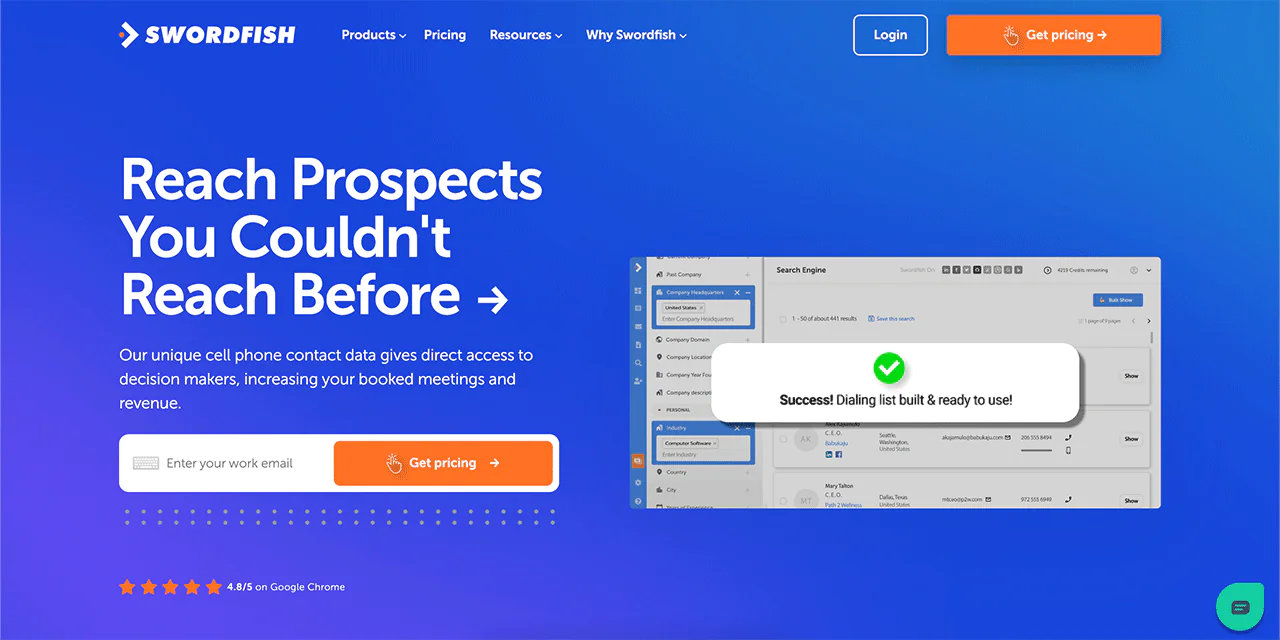
Swordfish AI is a contact data platform built for B2B lead generation, including SaaS use cases. It integrates with major social platforms to help extract contact details for outreach.
With Swordfish AI, users can pull direct contact information tied to platforms like LinkedIn, Twitter, and Facebook, rather than relying solely on generic company-level data. Data accuracy is a core focus, and the platform is built with attention to data privacy compliance, which matters given how much scrutiny contact data sourcing gets today.
Ready to supercharge your lead generation efforts? Discover the power of Swordfish and take your B2B SaaS lead generation to new heights. Dig into Swordfish AI now!
2. HubSpot
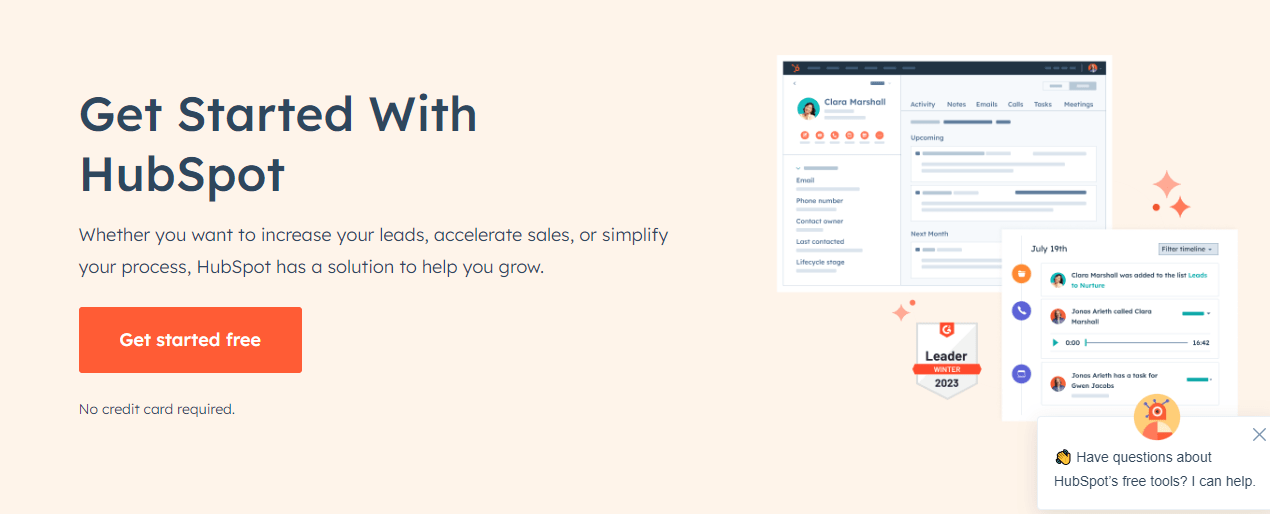
HubSpot bundles inbound marketing, sales, and CRM tools into one suite, covering nearly every stage of the lead generation journey. It handles content creation, landing pages, and conversion forms, and its real-time dashboard shows lead activity and interactions so teams can adjust nurturing in response to actual behavior rather than guesswork.
3. Leadfeeder
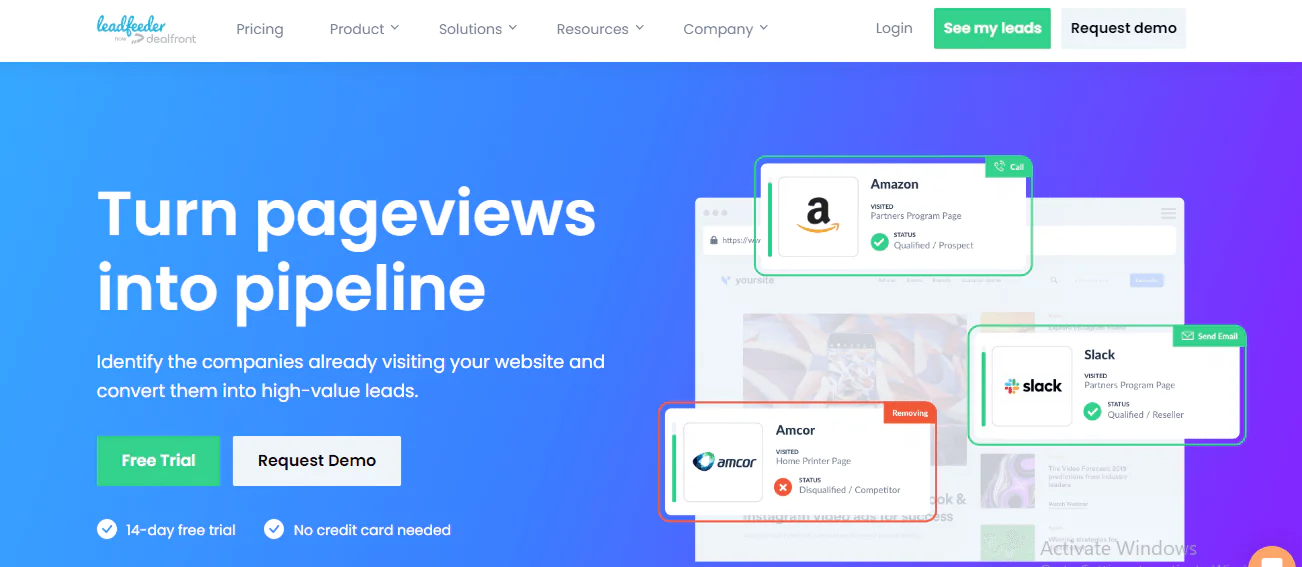
Leadfeeder uses website analytics to identify and profile companies visiting your site, making it a useful tool for B2B teams trying to understand anonymous traffic. Its integration with platforms like Google Analytics surfaces behavior and interaction patterns that help sharpen outreach targeting.
The core strength is identifying which companies, and sometimes which individuals, are browsing your site, turning otherwise anonymous visits into a workable pipeline of leads.
Leadfeeder Pricing
When it comes to Leadfeeder pricing, the platform offers tiered options meant to fit different budget levels and company sizes. That flexibility lets smaller B2B teams access the same lead identification and analytics capabilities that larger organizations use to refine their outreach.
4. Outreach.io
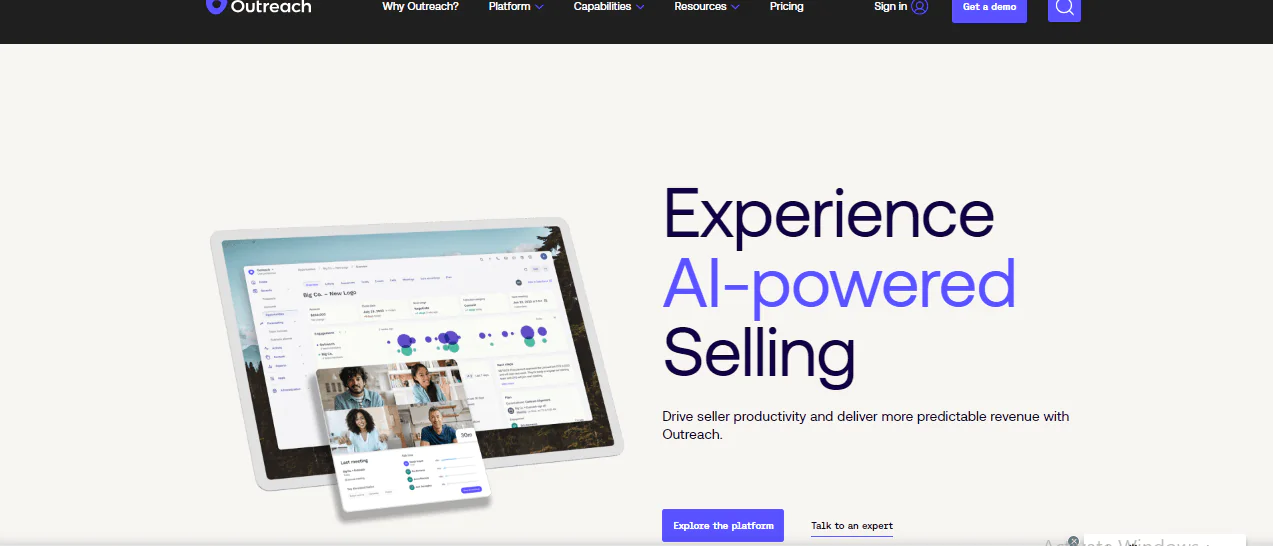
Outreach.io is a sales engagement platform built to automate communication with prospects. It handles email sequencing and follow-ups so reps aren’t manually tracking every touchpoint, and its analytics show which messaging and cadences are actually resonating versus which need adjustment.
5. ZoomInfo
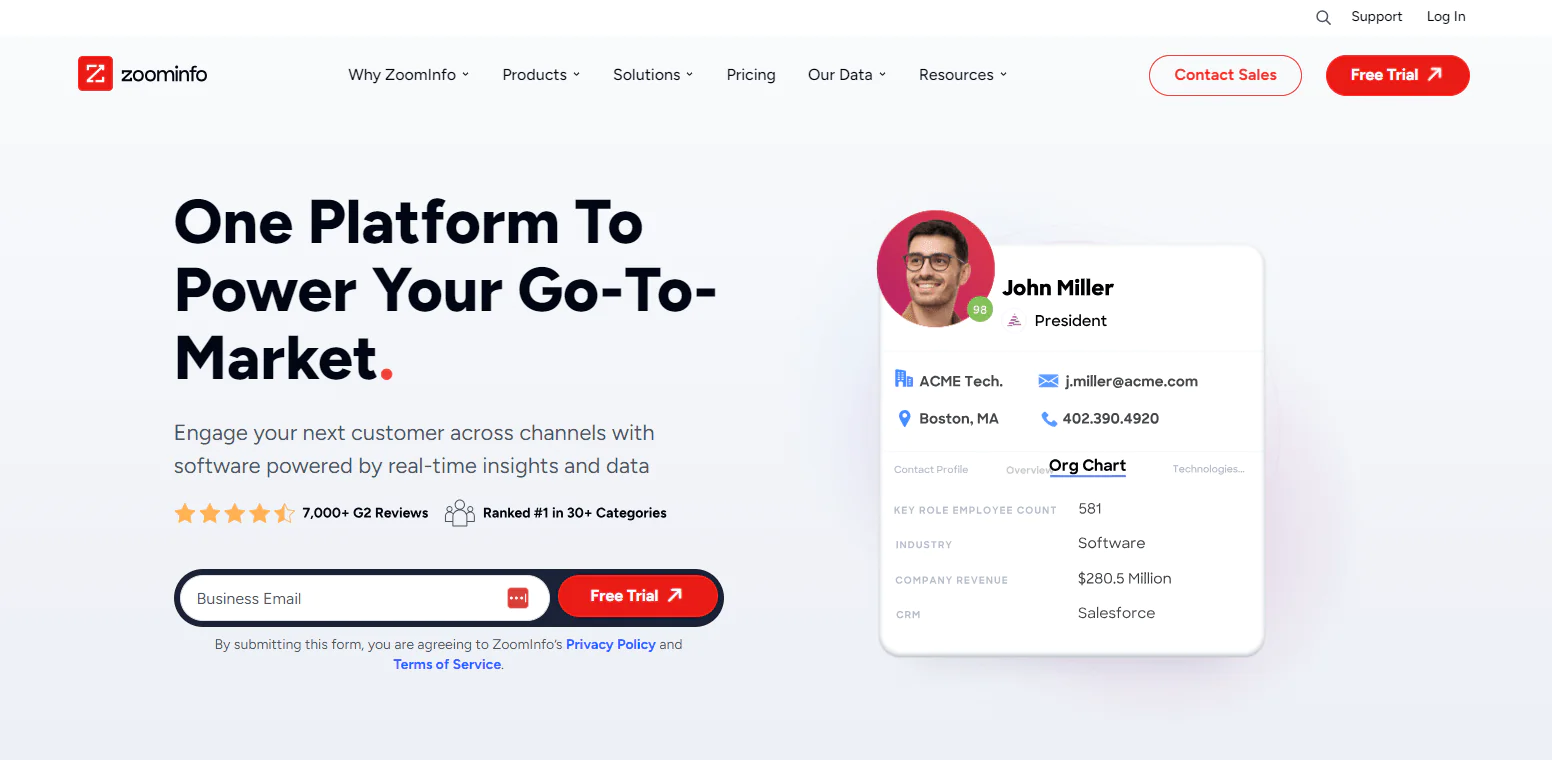
ZoomInfo is a large B2B contact database platform that lets teams search by industry, role, or region to pinpoint likely leads. Its CRM integrations help keep the process connected from initial identification through to conversion, rather than requiring manual data transfer between systems.
Final Words
Lead generation for B2B SaaS isn’t a checkbox exercise, it’s a core part of how these businesses grow. As more SaaS solutions compete for the same buyer attention, the real challenge shifts from finding leads to finding the right ones and building a relationship that survives a long sales cycle.
Companies that combine multiple channels, content, email, social, referrals, paid, tend to outperform those betting everything on one tactic. The strategies that work best treat lead generation as an ongoing conversation rather than a single campaign, which is what ultimately supports renewals and expansion revenue down the line.
FAQs
How does B2B SaaS lead generation differ from B2C?
B2B focuses on selling software solutions to businesses, while B2C targets individual consumers. B2B strategies, channels, and messaging tend to be more specialized and tailored to specific business needs and longer decision chains.
Do offline methods still work for B2B SaaS lead generation?
Digital methods dominate the B2B SaaS landscape, but offline methods like networking events, trade shows, and direct mail can still work well, particularly when paired with online follow-up rather than used in isolation.
How can I measure the success of my lead-generation efforts?
Track lead conversion rate to see how many leads become customers, cost per lead to gauge efficiency, and overall return on investment to understand whether the channel mix is actually paying off.
Sources retained from the original article: GoToWebinar report; Nielsen research.