
 View Products


Key takeaways
- A logistics email list can include professionals in freight, warehousing, transportation, supply chain, and related fields.
- Check a provider’s data fields, update practices, verification process, and coverage before choosing a list.
- Segment contacts by factors such as job title, company size, or location to make outreach more targeted.
- Keep contact data clean, write clear messages, and include a relevant call to action.
- Check applicable privacy and email marketing requirements before using contact data for outreach.
Last updated: September 3, 2026

The third-party logistics sector has grown into one of the largest service industries in the world, with recent research putting the global third-party logistics market at roughly $1.5 trillion. That scale creates opportunity, but it also creates a sourcing problem: logistics is a fragmented industry spread across freight, warehousing, fleet operations, and technology, and a generic contact list rarely covers it well.
Sales reps, marketers, and recruiters in logistics run into the same issue: lists go stale as professionals change roles, companies merge, and phone numbers get reassigned. That can make it harder to reach decision-makers who control freight contracts, warehouse budgets, or hiring.
This article walks through what a usable logistics email list should include, how verification actually works, what to check before you buy one, and how to get more out of the list once you have it.
About Swordfish Logistics Email List: What’s in It for You?
A logistics email list is a collection of contact data for professionals in the logistics sector. Swordfish AI describes its list as covering contacts across states and nationwide, with the goal of providing a precision-targeted resource rather than a broad, unfiltered list of names.

Here are a few standout benefits of using Swordfish for data and lead generation:
- Access to Updated Contact Data: Swordfish offers real-time updates and validation of contact details, which helps keep bounce rates and dead numbers down.
- Wide Coverage: Covering a large field of logistics professionals across the U.S., the list allows targeted campaigns that resonate at both local and national levels.
- Efficiency in Lead Generation: With Swordfish, generate high-quality leads more efficiently using advanced filtering options that hone in on your ideal demographic.
- Direct Connectivity: Swordfish ensures direct line connectivity, allowing you to reach decision-makers directly without intermediaries.
- Customizable Searches: Design your search criteria to match specific needs, enhancing the relevancy of your outreach efforts.
Types of Data Included in the Logistics Mailing List:
- Names
- Location
- Contact Numbers (Work, Cell, Mobile)
- Logistics Email Addresses
- Specialization
- Years of Experience
- Sole Proprietor Status
- Licensed States
- License Number
- Fax
- Address
 Try Swordfish Ai
Who’s Included in Our Logistics Email List by Specialization?
Logistics is not one job title. It’s a collection of specializations that each need a different pitch. Here’s who’s included in our logistics email list:
How Do We Compile and Verify Our Logistics Mailing List?
Compiling and verifying a logistics mailing list involves collecting and checking contact details for accuracy and relevance. The following sections describe the process as it generally works:

Data Collection
Data is gathered from a variety of trusted sources, including trade shows, public records, and logistics databases, to build a broad base of contacts.
Data Integration
Information from different sources is integrated into a single database. This process involves aligning data fields and eliminating errors to create a unified and simplified list.
Verification Process
Swordfish says each entry in its logistics email list is checked through automated software and manual reviews. This dual approach is intended to help confirm the accuracy of email addresses and other contact details.
Regular Updates
Our logistics mailing list is updated regularly to remove outdated information and add new entries. The ongoing maintenance is meant to keep the data current rather than static.
Compliance Checks
Compliance checks can help assess whether data collection and use align with relevant laws, such as CCPA and GDPR. Requirements vary by situation, so list buyers should verify their own obligations rather than assume that a provider’s checks guarantee compliance.
Why Choose Swordfish AI’s Logistics Email Database?
Choosing a logistics database provider is a decision worth making carefully if reliable, current contact data is the priority. Here’s what sets the Swordfish approach apart:

Complete Data Coverage
Swordfish AI maintains a large database of contact profiles spanning industries, giving broad access to logistics contacts so fewer potential leads get overlooked. The database is refreshed on an ongoing basis to keep the data relevant for outreach.
Advanced Verification Technology
The logistics email database uses cell phone verification alongside proprietary matching processes designed to improve contact accuracy. This reduces dead-end numbers and supports more effective communication campaigns.
Compliance Adherence
Swordfish AI says it works to align with data protection laws such as GDPR and CCPA. Buyers should independently assess whether their planned data use and outreach comply with applicable requirements.
Real-Time Data Access
Swordfish.ai describes its access to logistics contact data as real-time. Confirm with the provider what that means for data freshness and update timing before relying on it for outreach.
User-Friendly Interface
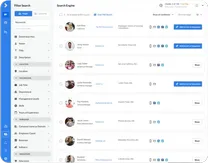
The platform features an interface built to simplify searching, filtering, and exporting data, so teams without deep technical experience can still use it effectively.
What Should You Consider When Getting a Logistics Mailing List?
When choosing a logistics mailing list, prioritize accuracy and compliance over sheer list size. Check how the provider updates and verifies its data, and whether the fields fit your needs.

Accuracy of Data
Check that the provider regularly updates its database to include accurate, current information. That makes sure communications reach the intended recipients instead of bouncing.
Compliance with Laws
Ask how the mailing list provider handles data protection and privacy requirements, including laws such as GDPR and CCPA. Compliance responsibilities depend on how the data is collected and used, so verify the details for your situation.
Intent of Contacts
Look for lists where contacts have shown intent or interest in logistics services. This increases the likelihood of engagement and conversion, and it makes marketing efforts feel more targeted rather than generic.
Relevance of Fields
Choose a mailing list with fields relevant to your needs, such as contact names, job titles, companies, and direct email addresses. That level of detail can support more personalized outreach.
Consent of Contacts
Confirm that contacts on the list have consented to receive communications. This aligns with legal standards and also improves response rates, since recipients are more likely to engage with content they expect and accept.
Who Can Benefit from the Logistics Email Address List?
A logistics email address list is a resource that can support several different roles by improving outreach and networking. Here’s a look at who tends to get the most from it:

Sales Personnel
Sales professionals in the logistics industry can use the email list to reach potential clients directly, increase their sales opportunities, and close deals faster by connecting with decision-makers.
Marketing Companies
Marketing firms can use the list to target campaigns more effectively, design content for the logistics sector, and track the performance of their marketing efforts through direct feedback from a relevant audience.
Real Estate Agents
Agents focusing on commercial properties can find potential buyers or renters in the logistics industry. The list helps them market properties suitable for warehouses, distribution centers, and other logistics uses.
Supply Chain Managers
Supply chain managers can use the list to establish partnerships, source suppliers, and gain insights into best practices by connecting with peers in the industry.
Event Organizers
Organizers of industry conferences and seminars can use the list to invite logistics professionals, which supports attendance and participation at events focused on supply chain and logistics innovations.
Job Recruiters
Recruiters looking for candidates to fill logistics-related positions can use the email list to reach a targeted group of professionals, making the hiring process quicker and more efficient.
Business Development Managers
Managers aiming to expand their company’s reach in the logistics sector can use the email list to identify new business opportunities, partnership potential, and avenues for growth.
How Can You Make the Most of Logistics Email Lists Effectively?
Having an accurate list is only half the job. Here are strategies that help turn a logistics email list into actual pipeline:

Personalize Your Marketing Messages
Customize emails to address the specific needs and interests of recipients. Using their name, company, or industry-specific pain points tends to increase engagement and response rates.
Segment Your List
Divide the email list based on criteria such as job title, company size, or geographic location. This allows for more targeted campaigns that address the specific needs of each segment, improving overall effectiveness.
Regular Updates and Cleaning
Regularly update and clean the email list to remove inactive or unresponsive addresses. This helps maintain deliverability and engagement rates, so communications reach active, interested parties.
Use Clear and Concise Content
Design emails with clear, concise, and compelling content. Avoiding jargon and keeping language simple helps ensure the message is easily understood by the target audience.
Incorporate Strong Calls to Action
Include clear calls to action in emails, such as requesting a reply, visiting a website, or signing up for a webinar. This guides recipients on what to do next, increasing the likelihood of conversion.
Follow Legal Compliance
Follow applicable email marketing laws and regulations, including GDPR or CAN-SPAM where relevant. Check whether consent is required for your use, identify your organization clearly, and provide an unsubscribe option as required.
Track and Analyze Results
Use analytics to track the performance of email campaigns. Monitor open rates, click rates, and conversion rates to understand what works and what doesn’t.
This data can help refine future campaigns for better results.
The Bottom Line
A logistics email list works best as a tool for targeted, well-timed outreach rather than a shortcut for mass emailing. Personalizing messages, segmenting the list, and keeping contact information current can help make outreach more relevant.
Clear content, strong calls to action, and compliance with legal standards are just as important for getting real results from a campaign. Regular tracking and analysis help refine strategy over time rather than repeating the same approach indefinitely.
Start building more targeted connections in the logistics industry with Swordfish.
FAQs
What is a Logistics Email List?
A logistics email list is a collection of email addresses and other contact details specifically for professionals in the logistics industry, used for networking and marketing purposes.
How fast can I buy a logistics email list?
You can purchase the logistics email list directly through Swordfish AI, with access typically granted shortly after the transaction is processed.
Does Your Logistics Email Database Include Phone Numbers?
Yes. The Swordfish AI logistics email database includes phone numbers along with email addresses, providing multiple ways to connect with logistics professionals.