
 View Products


Key takeaways
- Real estate agents can generate leads through search optimization, social media, networking, referrals, listing sites, community involvement, paid ads, CRM tools, content, and email.
- Lead generation can involve both finding prospective clients and managing follow-up with people who have shown interest.
- CRM tools can help agents organize lead information and track interactions and follow-ups.
- Lead-generation costs vary by channel; the article’s cost ranges are estimates and should be verified before budgeting.
- Contact information for real estate agents is not the same as buyer or seller inquiries.
Last updated: September 3, 2026

Finding new business is one of the hardest parts of the job for many agents, and the pressure can grow as competition for buyers and sellers increases. Newer agents may feel it most while building a pipeline, but experienced agents can also hit dry spells when the market shifts.
Speed can matter: reaching an expired listing owner or a new inquiry promptly may improve an agent’s chances of winning the business. Another challenge is gathering and reconciling information from MLS records, county filings, and public databases to build a contact list. After finding a name, agents may also need to verify that the person’s contact details are current.
This guide covers practical ways to strengthen lead generation, reduce time spent on inaccurate contact data, and focus more on potential clients.
What are Real Estate Agents Leads?
Real estate agent leads are people who want to buy or sell a house and might become clients. They can be buyers looking for homes or potential sellers wanting to list their properties, found through ads or people recommending them.
Real estate firms have been under pressure to control costs in recent years, and a notable share of real estate finance leaders have signaled plans to tighten budgets. That environment rewards agents who can convert leads efficiently rather than simply buying more of them.
This makes finding and handling qualified leads especially important when budgets are tight. A more efficient process can help agents make better use of their available time and resources.
How to Get the Best Real Estate Agents Leads
Understanding the importance of acquiring real estate agent leads is important for success in the industry. In this section, we discuss various effective methods to buy leads of real estate agents, helping you to expand your network and grow your business in a competitive market. Let’s see what they are:

-
Using Swordfish AI: Get the Best Real Estate Agents Leads

Swordfish AI describes its database as continuously updated and says it helps users locate contact details for real estate agents instead of relying on stale lists.
Swordfish AI says it prioritizes real-time updates, with the aim of providing current phone numbers and addresses rather than older information.
Swordfish AI provides access to contact details such as real estate agents’ email addresses and phone numbers. Its tools are intended to help users build a contact list without having to compile information from multiple sources.
The platform also has the real estate agents email list where you can access the contact details of real estate agents.
Key Features of Swordfish AI
Swordfish AI describes the following as notable features:
Prospector Tool

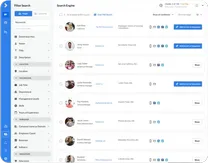
The Prospector tool lets you swiftly find real estate agents’ contact information by searching various real estate agents databases. It simplifies identifying potential leads by providing direct access to their profiles.
Reverse Search

If you have a phone number or email list of real estate agents, the Reverse Search feature finds the corresponding real estate agent’s full profile. You will get all the information, including the names of real estate agents. It’s a quick way to learn more about leads you already have some information on.
Chrome Extension

With the Chrome extension, you can easily gather contact details of real estate agents while browsing online. It integrates with your browser, making it convenient to capture leads without leaving your web page.
Bombora Intent Data

The Bombora® Intent Data feature uses intent data to show which real estate agents are actively searching for services or information related to your business. It helps you target leads who are already interested, increasing your chances of a successful outreach.
File Upload

Upload a list of potential real estate agent leads, and the File Upload feature will enrich it with their contact details. It saves time and effort manually searching for information, simplifying your lead generation process.
API Integration

Integrate Swordfish AI directly with your CRM or other sales tools using their API Integration. This seamless connection ensures you can easily manage and reach out to real estate agent leads within your existing workflow.
 Try Swordfish Ai
2. SEO Optimization
SEO optimization helps make a website more visible in search results to people looking for real estate agents.
Targeting specific search phrases, such as “best real estate agent in [Your City],” helps your site surface for buyers and sellers who are actively researching in your market.
For example, an agent who specializes in selling condos in Miami could use phrases such as "Miami condo real estate agent" on their website and in blog posts.
This targeted approach can attract visitors searching for the services you offer and may help generate leads.
3. Social Media Marketing
Social media marketing uses platforms such as Facebook, Instagram, and X (formerly Twitter) to connect with potential clients. Agents can share listings, client testimonials, and informative articles about the real estate market to engage their audience.
For example, you might use Instagram to post photos of homes you’re selling, along with hashtags like #DreamHome or #NewListing to reach a wider audience. This method not only showcases your listings but also helps build trust and establish your brand identity.
Responding to comments and messages can make interactions more personal and help potential clients learn about your services.
Social platforms remain a top source of new business for many agents, according to NAR’s technology survey, which found social media ranked highly among channels agents credit for generating valuable leads.
4. Networking Events
Attending networking events, such as chamber of commerce meetings, real estate seminars, and community events, can help you meet potential clients and connect with other industry professionals.
For example, speaking at a local homebuyers’ seminar can give you a chance to share your expertise and meet attendees who may be looking for an agent.
Face-to-face interactions can help build relationships and may lead to referrals or word-of-mouth recommendations.
Remember, a strong network is a key asset in the real estate business, as it can lead to partnerships and referrals that generate leads.
5. Referral Programs
Referral programs encourage people to recommend your real estate services, sometimes in exchange for a reward when a referral leads to a deal. This strategy depends on the trust and personal connections you’ve built.
For instance, you might give a $100 gift card to someone who refers a new client to you and then successfully buys or sells a property.
This method is great for finding new leads and strengthening client relationships. Referrals are a consistently large channel in international real estate transactions, with a majority of leads from foreign buyers originating through referral relationships.
Word-of-mouth referrals can be a way to reach potential clients through existing personal and professional relationships.
6. Real Estate Listing Sites
Real estate listing sites can help agents reach buyers and sellers searching online for properties or agents. Agents can use profiles and listings to showcase their experience, past sales, and customer reviews.
For instance, keeping listings up to date with high-quality photos, detailed descriptions, and virtual tours can help properties stand out and give prospective clients a way to get in touch.
Agents may use these sites to highlight their portfolios and reach people already interested in buying or selling property.
7. Local Community Involvement
Taking part in local activities, such as volunteering, sponsoring events, or joining community groups, can increase your visibility and help build your reputation as a real estate agent.
For instance, sponsoring a local youth sports team or organizing a community cleanup can help you become more visible to people in your area.
Community involvement can help you build recognition and stay connected with local residents and market trends.
8. Paid Advertising
Paid advertising involves paying to display ads on platforms such as social media, search engines, or relevant websites to reach potential real estate clients.
For example, you could run Facebook ads aimed at people in your area who have shown interest in buying or selling property.
Audience settings such as location, demographics, and interests can help focus ads on people who may need your services.
Paid ads can provide visibility quickly, though the number and quality of resulting leads will depend on the campaign.
9. CRM Tools
CRM (customer relationship management) tools help real estate agents organize customer information and track interactions throughout the client lifecycle.
With CRM software, agents can track leads, clients, sales, and interactions to support more personalized follow-up.
For instance, a CRM tool can help you schedule follow-up emails for people who visited an open house, keeping communication organized.
Organizations that adopt CRM tools tend to see meaningfully better lead conversion and customer satisfaction outcomes, which matters for agents juggling dozens of active relationships at once.
10. Content Marketing
Content marketing involves creating and sharing useful material to attract and engage an audience, with the goal of encouraging potential clients to work with you.
As a real estate agent, you could write articles about buying a home, create videos with advice for first-time sellers, or produce an ebook about preparing a property for sale.
For example, a blog post titled "10 Things to Look for in a New Home" could provide guidance to people researching a home purchase.
Informative, relevant content can demonstrate your knowledge and help potential clients assess whether they want to work with you.
11. Email Campaigns
Email campaigns are a direct way to reach potential and existing clients with personalized messages. By sending out newsletters, market updates, or exclusive offers, you can keep your audience engaged and informed.
For example, a monthly newsletter could include recent property listings, real estate tips, and local market updates. This gives clients useful information and reminds them of your services.
Consistent email outreach can help you stay in touch with your audience so they know how to reach you when they are ready to make a real estate decision.
Who Needs Real Estate Agents Leads?
Real estate leads may be useful to agents and businesses at different stages of growth:

- New Real Estate Agents: Agents who are new to the industry particularly need a steady flow of leads to establish their client base and gain experience in the market.
- Experienced Agents Looking for Growth: Experienced agents looking to expand their business, enter new markets, or increase their sales volume also rely heavily on new leads.
- Real Estate Teams and Brokerages: Teams and brokerages need a constant bulk of leads to distribute among their agents, ensuring that all team members have sufficient opportunities to generate revenue.
- Agents Specializing in Certain Niches: Niche real estate agents, focusing on luxury, commercial, or specific areas, require targeted leads to sustain their expertise and income levels.
- Independent Agents Without Brokerage Support: Independent agents must generate and nurture their own leads without brokerage tools to maintain their business and ensure a steady income flow.
Read More: Find email from Facebook
How Much Do Real Estate Agents Leads Cost?
Lead costs vary by source and campaign. The following figures are estimates from the article and should be checked against current providers and local costs.

Online Lead Generation Services
Online lead-generation services collect information from potential buyers or sellers and sell it to agents. The article estimates costs of $20 to $100 per lead, depending on the service and the lead’s potential value.
Subscription Services
Some platforms charge a monthly fee for access to lead-generation services. The article estimates a range of $30 to several hundred dollars per month, depending on the platform and what it provides.
Pay-Per-Click (PPC) Advertising
Search engine and social media ads may charge per click. The article estimates costs from $1 to more than $50 per click; a click is not necessarily a lead, so the cost per lead can be higher.
Referral Fees
Another agent or a referral company may charge a fee when a referral results in a sale. The article estimates this at about 25% to 35% of the commission; actual terms vary.
Direct Mail
Direct mail costs include design, printing, and postage, and may exceed $1 per piece. The cost per lead depends on the campaign’s response rate.
Social Media and Content Marketing
Social media and content marketing may attract leads organically, but they still require time or production costs. Expenses vary by approach.
Conclusion
Real estate leads can help agents connect with potential clients and grow their businesses.
Finding useful leads can take time, especially when agents need to assess the information and identify prospects relevant to their business.
Swordfish AI is presented here as a provider of contact information for real estate agents. That information may help users build agent contact lists, but it is distinct from buyer or seller inquiries.
Swordfish AI may help users find contact information for real estate agents, according to the product description in this article.
Frequently Asked Question
What types of leads can real estate agents access?
Real estate agents may work with different lead types, including buyer, seller, rental, investor, expired-listing, and FSBO (For Sale By Owner) leads.
How can I handle objections from real estate agent leads effectively?
To handle objections, listen actively, acknowledge the person’s concerns, offer relevant information or options, and communicate transparently.
What role does technology play in managing real estate agent leads?
Technology can support lead management through tools for generation, tracking, organization, communication, follow-up, and analytics.
Frequently asked questions
What are real estate agent leads?
They are potential clients who may want to buy, sell, rent, or invest in property. The article also discusses contact information for real estate agents, which is a separate kind of prospecting list.
What are some ways to generate real estate leads?
The article covers SEO, social media, networking, referral programs, listing sites, community involvement, paid advertising, CRM tools, content marketing, and email campaigns.
How can real estate agents manage leads?
CRM tools can help agents organize contact details, track interactions, and manage follow-up communication.
How much do real estate leads cost?
Costs depend on the source and campaign. The article gives estimates for online leads, subscriptions, advertising, referral fees, and direct mail, but these figures should be verified with current providers.