
 View Products


Key takeaways
- A local business email list contains email addresses and related contact information for businesses in a defined area.
- Check how a provider collects, verifies, and updates contact records before relying on a list.
- Phone-number verification does not establish that an associated email address is deliverable.
- Segment contacts by relevant characteristics and tailor messages to each audience.
- Remove bounced addresses, respect opt-outs, and review contact details regularly.
Last updated: September 3, 2026

A local business email list is a collection of business email addresses and related contact details for organizations in a specific area. It can help you reach nearby shops, offices, and service providers without relying only on cold walk-ins or broad advertising. The key challenge is keeping contact records current, since businesses and their employees may change email addresses.
For many local outreach campaigns, a key challenge is finding current, relevant contact information. Salespeople, marketers, and recruiters use business contact data to identify and reach the people they hope to connect with.
This guide walks through what a good local business email list should include, how providers like Swordfish AI compile and verify that data, what to check before you buy a list, and how to actually put one to work without burning your sender reputation.
About Swordfish Local Business Email Lists: What’s in It for You?
Swordfish AI offers local business email and phone data across the United States, aimed at helping teams reach contacts that are otherwise hard to find through standard directory searches.

Here’s what makes Swordfish stand out in data and lead generation:
- High Accuracy and Match Rates: Swordfish AI is built around cell phone number accuracy and match rates, with reach that includes over 33% more cell phone numbers and over 45% greater accuracy compared to other top providers.
- Real-time Validation: Real-time validation checks contact details before they reach you, which cuts down the time spent chasing disconnected numbers or bounced emails.
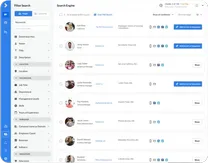
- Bulk Lead Generation: Swordfish’s Prospector tool lets you build targeted dialing and email lists in seconds using filters and suppression rules, which matters once you’re trying to scale outreach beyond a handful of accounts.
- Complete Contact Database: You can supplement existing contact databases with Swordfish’s collection of over 3.5 billion contact profiles, including cell phone data sourced through exclusive partnerships.
Types of Data Included in the Local Business Mailing List:
- Names of Local Business
- Location
- Contact Numbers (Work, Cell, Mobile)
- Local Business Email Addresses
- Specialization
- Years of Experience
- Sole Proprietor Status
- Licensed States
- License Number
- Fax
- Address
Who’s Included in Our Local Business Email List by Specialization?
Here’s a look at the business categories covered:
How Do We Compile and Verify Our Email List of Local Businesses?
Compiling and verifying a local business mailing list takes more than one data pass. It’s a layered process meant to catch outdated or duplicate records before they ever reach you.
Here’s how it works:

Data Collection from Public Records
Business registrations, licenses, and other official filings can help identify registered businesses and provide information about their status. Because these records may not show whether a business is still operating or whether its contact details are current, they may need to be checked against other sources.
Partnering with Data Providers
Reputable data providers who specialize in aggregating business contact information add breadth to the dataset. These partnerships widen the pool of sources and reduce the risk of relying on a single point of failure.
Website and Social Media Analysis
Publicly listed emails and contact details on business websites and social profiles get pulled in as an additional layer, since this is often where businesses keep their most current information.
Direct Verification Calls and Emails
Direct outreach to businesses can help confirm whether a listed contact still works. This may catch changes that public records and online sources miss, such as a new office manager or an updated department line.
Feedback from Users
User feedback flags errors that automated checks can’t catch on their own, and it feeds back into ongoing corrections to the database.
Why Choose Swordfish AI’s Local Business Email Database?
A local business database is only as useful as the accuracy behind it. Here’s what shapes the quality of Swordfish’s data:

Extensive Data Collection
The database includes over 3.5 billion data profiles, giving you a wide field of potential leads and contacts across industries and regions rather than a narrow, single-category list.
Unique Cell Phone Verification
Cell phone verification checks whether phone numbers tied to email addresses are valid and currently in use. This can help reduce calls to disconnected numbers; it does not by itself verify that an associated email address is deliverable.
Proprietary Cell Phone Matching Algorithms
Matching algorithms cross-reference multiple data points to pair email addresses with the right cell phone numbers, reducing the guesswork that comes with manually stitched-together contact records.
Compliance with Laws
When evaluating a provider, ask how its data practices address applicable privacy regulations, including GDPR and CCPA. Requirements depend on the data, the people contacted, and how the information is used.
Real-Time Data Updates
Frequent updates can help keep contact information current, but records may still become outdated. Check important details before relying on them for time-sensitive outreach.
 Try Swordfish Ai
What Should You Consider When Getting a Local Business Mailing List?
Choosing a mailing list is less about volume and more about fit. Here are the factors worth weighing before you commit:

Accuracy of Data
Ask how often a provider refreshes its database and how it checks email deliverability. Updated and verified records may help reduce bounced messages and the risk of contacting a former employee.
Compliance with Laws
Check whether a list provider’s data practices and your planned outreach comply with the rules that apply to your organization and recipients, including relevant requirements under GDPR or CCPA. Compliance depends on the circumstances and should not be assumed from a provider’s claims alone.
Intent of Contacts
Lists segmented by intent, where contacts have shown interest in products or services similar to yours, tend to convert better than broad, unfiltered lists. This can meaningfully affect conversion rates over time.
Detailed Fields for Segmentation
Fields like industry type, company size, and job role can help you tailor messages to specific audiences. Whether segmentation improves open or reply rates depends on the quality of the data and the relevance of the message.
Consent and Privacy
Ask the provider what basis it has for including and sharing each type of contact information, and check whether your planned use is permitted. This is important for both compliance and recipient trust.
Quality Over Quantity
A shorter list of relevant, reachable contacts may be more useful than a larger list with stale or irrelevant records.
Who Can Benefit from the Local Business Email Address List?
Local business email lists serve a range of professionals looking to expand their reach. Here are some of the main beneficiaries:

E-commerce Platforms
E-commerce businesses looking to partner with local stores or add regional products to their catalog can use these lists to identify and reach potential collaborators directly.
Marketing Companies
Agencies can segment audiences by industry, size, or location to keep campaigns relevant instead of running one generic message across every contact.
Real Estate Agents
Agents can identify businesses that may be looking to buy or lease property and offer help finding locations or negotiating terms.
Sales Personnel
Salespeople can find prospects within their territory, personalize their pitches, and build relationships that move toward a sale rather than cold-calling blind.
Event Organizers
Organizers of trade shows and conferences can use these lists to invite local businesses to exhibit or network with other professionals in the area.
B2B Service Providers
Providers of services like IT support, cleaning, or consulting can reach businesses directly rather than competing solely on inbound search traffic.
Local Government and Nonprofits
Government bodies and nonprofits can use these lists to share information or invite businesses into community initiatives. Some organizations also need to check compliance issues, so they oversee SOX compliance to prevent financial fraud. For this purpose, they need to examine a company’s history and background to connect with the compliance department of a company.
How Can You Make the Most of Local Business Email Lists Effectively?
Having accurate contact data is only half the equation. How you use it determines whether it turns into results.

Personalize Your Messages
Reference something specific about the recipient’s business or industry. Relevant, personalized messages are more likely to feel useful than generic outreach, though personalization alone does not guarantee delivery or a response.
Segment Your List
Break contacts into groups by industry, size, or location. Tailoring messages to each segment can make outreach more relevant than sending the same message to every contact.
Offer Value
Every email should give the recipient something useful, whether that’s a tip, a relevant article, or a specific offer. Recipients respond better when they see you’re contributing something, not just asking for their business.
Follow Up, But Don’t Spam
A follow-up after no response is reasonable since emails get missed. But after a couple of unanswered attempts, it’s time to move on rather than wear out your welcome.
Keep Your List Updated
Remove bounced addresses and review contact details regularly. A list that isn’t maintained can waste effort, and a high volume of bounced messages may harm sender reputation.
Conclusion
A local business email list is a practical tool for making real connections in your community, whether the goal is sales, partnerships, or recruiting. Personalized outreach, sound segmentation, and consistent list maintenance all factor into whether that outreach actually lands.
Personalization, segmentation, respectful follow-ups, and regular list maintenance can make outreach more relevant and support stronger relationships with local businesses.
For those ready to take local business outreach further, Swordfish AI provides a database built to help you connect with the right contacts.
FAQs
What is a local business email list?
A local business email list is a collection of email addresses and other contact information from businesses within a specific geographic area, used for direct email marketing and outreach.
Is it legal to send emails to a local business email list?
The CAN-SPAM Act does not require prior consent to send a commercial email, but it does set rules senders must follow. Every commercial email must include accurate From and Reply-To information, a non-deceptive subject line, clear identification as an advertisement, a valid physical postal address, and a functional unsubscribe mechanism. Recipients must also be able to opt out, and that request has to be honored promptly.
How often should I update my local business email list?
Update your local business email list regularly to keep it accurate. Checking and refreshing your list every 3 to 6 months, removing stale contacts and adding new businesses, helps keep bounce rates down and outreach relevant.